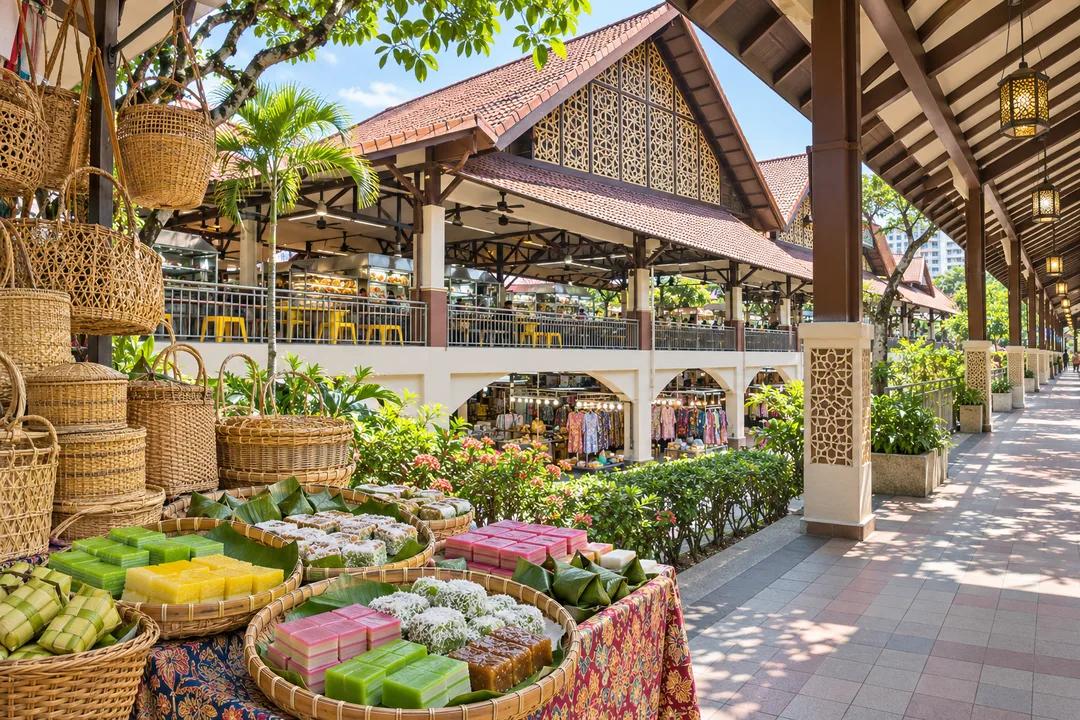
 Geylang Serai Chendol Dessert Crawl: Market Bowls to Pick
Coffee & Dessert
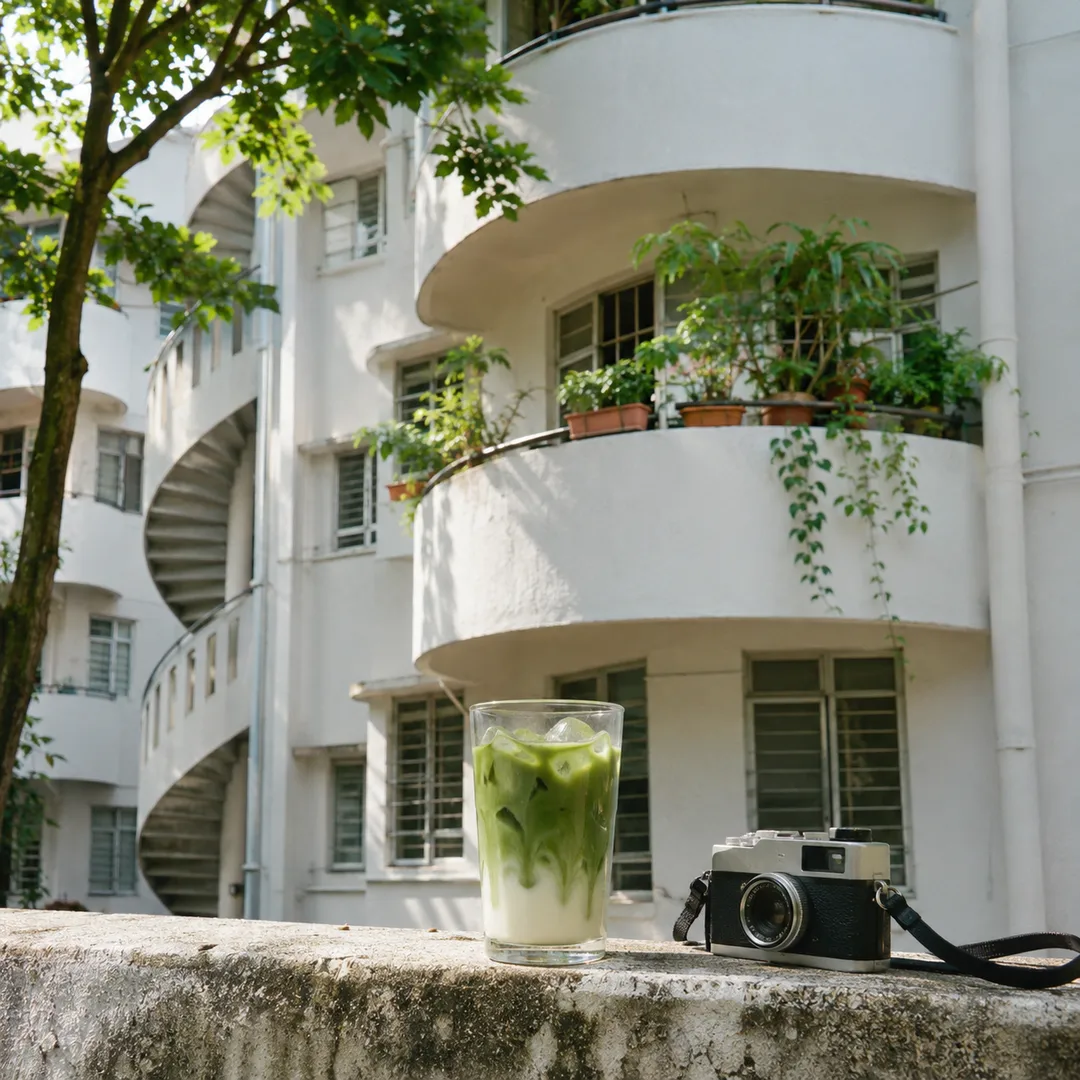
Tiong Bahru Matcha Cafe Crawl Planner: A Slow Photo Walk
Walk Tiong Bahru with a camera and three matcha stops: a market breakfast, a warm bowl by curved balconies, an iced cup between murals, then golden light.
A matcha cafe crawl planner for Tiong Bahru should be built around light, because this is one of the most photographed neighbourhoods in Singapore. The estate's low walk-up flats from the 1930s have curved balconies, porthole windows and spiral staircases that change shape as the sun moves. Cafes sit tucked into their ground floors. Three matcha stops, timed around morning shade, the midday heat and the golden hour, give a photo walk its pauses and keep you from wilting halfway through.
Why Tiong Bahru Rewards a Slow Walk
Tiong Bahru was one of the first public housing estates in Singapore, built by the colonial Singapore Improvement Trust in a streamlined Art Deco style. The blocks are low, rounded and pale, and they wrap around quiet streets named after early Chinese pioneers. The result feels more like a small town than a city district, with laundry on poles and neighbours chatting on corners.
That calm is what makes the estate perfect for photography. You can stand on a corner for ten minutes waiting for a cyclist to pass under a curved balcony without anyone hurrying you. Matcha fits the same mood. Whisked tea takes time, and each cup becomes a natural break to look through your shots and plan the next stretch.
Start With Breakfast at the Market
Begin at Tiong Bahru Market, the hawker centre above the wet market that locals have used for generations. Downstairs, vendors sell fish, vegetables and flowers in the early morning, which makes for lively, colourful frames if you ask before you photograph people. Upstairs, the hawker stalls serve breakfast classics like chwee kueh, steamed rice cakes topped with preserved radish.
Eat before your first cup. Matcha on an empty stomach can feel harsh for some people, and a small local breakfast gives you energy for a long walk. It also keeps the day rooted in the neighbourhood rather than in cafes alone. Take your time, watch the regulars, and leave once the morning light starts to flatten.
First Stop: A Warm Bowl Among the Balconies
Walk a block or two into the estate and choose a small cafe on a ground floor corner for your first cup. Ask for a hot usucha, whisked to order with a bamboo chasen if they offer it. Morning is still the coolest part of the day, and a warm bowl tastes greener and brighter than a cold latte at this hour.
Sit near a window if you can, and look out at the curved façades opposite. Many photographers use this stop to check camera settings and note which streets catch the light later. If you shoot on film, this is a good time to swap rolls. The cup gives you a reason to slow down before the most active stretch of the walk.
Shooting the Curves and Staircases
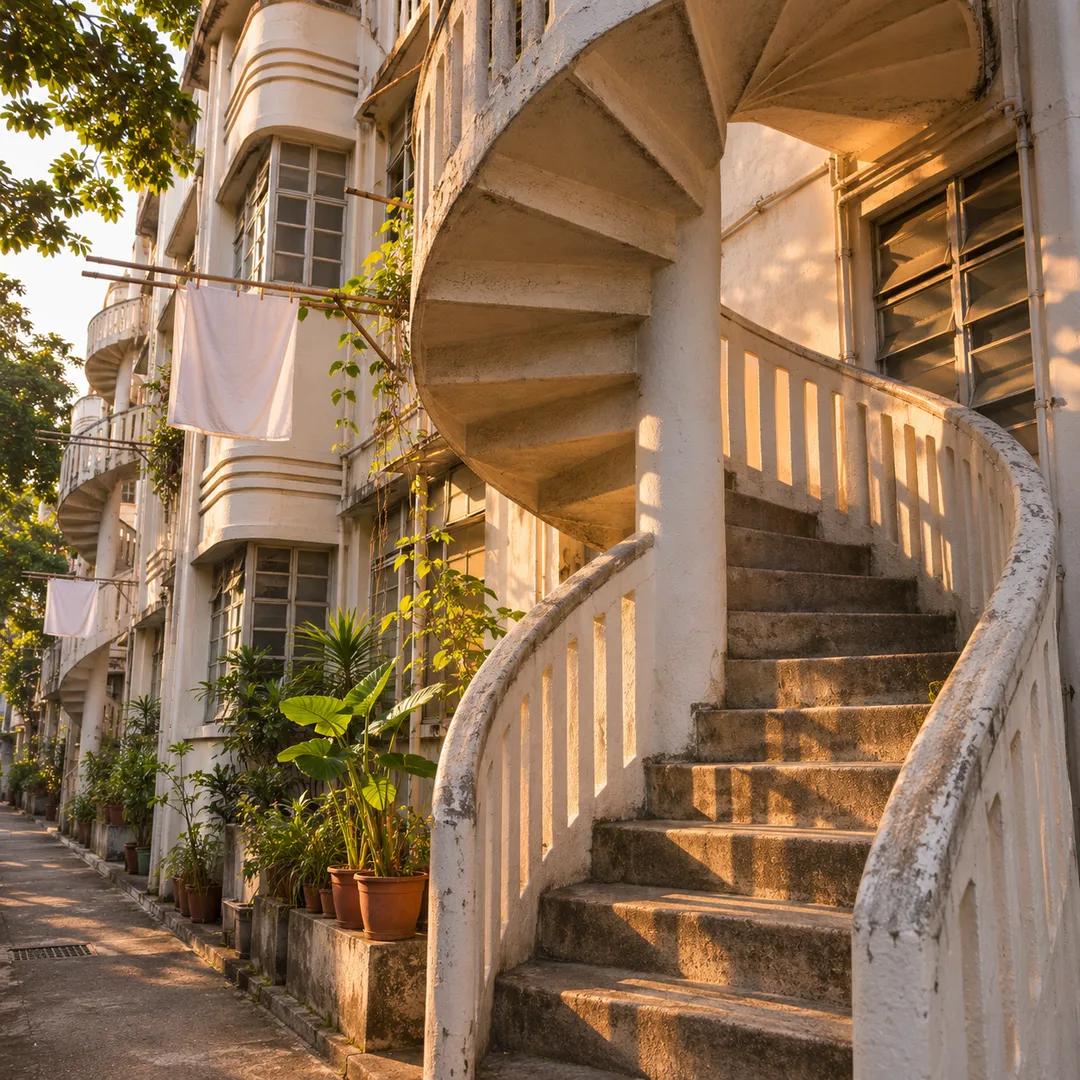
After the first cup, wander the streets between the blocks with no fixed route. The front façades show off curved balconies and long horizontal lines, but the back lanes hold the estate's best secret, the white spiral staircases that once served as service stairs. They are especially striking from below, looking up through the curve.
Remember that these are homes. Stay in public lanes, keep voices low, and never climb staircases or step onto private landings for a shot. Ask before photographing residents, and accept a polite no. A respectful photographer gets better pictures anyway, because the estate stays relaxed when visitors behave like guests.
Second Stop: Iced Matcha for the Midday Heat
Around midday the sun sits high, shadows disappear and the light turns harsh, so this is the time to retreat indoors. Pick an air conditioned cafe and order an iced matcha latte, ideally with less sugar. Oat milk works well with matcha and does not mask its grassy flavour as much as some sweeter milks.
Use this stop to back up your photos and edit a few favourites. If you need food, a light sandwich or a pastry is enough, since the walk continues. If a third cup is on the cards, look at the roasted teas on the board instead. Hojicha smells of toasted rice and chestnut, and its gentler kick leaves room for the golden hour stop.
Murals, Bookshops and Bird Song
In the afternoon, look for the murals painted on old walls around the estate. They show scenes of everyday life from past decades, such as market traders, fortune tellers and families at home. They make fun subjects in soft afternoon shade, and older residents sometimes stop to tell you what the scenes remind them of.
The estate is also known for small independent bookshops and design stores, which make good air conditioned breaks. Older residents remember a time when bird lovers gathered with songbirds in cages, a pastime that is part of the local story. Ask about it at the market and you may hear a few memories from neighbours.
Third Stop: A Small Cup Before Golden Hour
As the afternoon cools, take your last cup somewhere with outdoor seats or a takeaway counter. A matcha soft serve, a small matcha cake or a half size latte is plenty. The goal is a light treat that you can finish quickly, because the best light of the day is about to arrive and you do not want to miss it.
In the last hour before sunset, the low sun turns the white walls warm and throws curved shadows across the staircases. Head back to the lanes you scouted in the morning. Shoot from low angles, include a passing cyclist or a cat if you get lucky, and take a few wide frames of the whole street glowing at dusk.
Pacing the Day and the Caffeine
Photographers often forget that matcha is a stimulant, not just a refreshment. Space them out by a few hours, drink plenty of water in between, and switch to hojicha or a half serving if you feel jittery. A photo walk needs steady hands, and too much caffeine on a hot day makes that harder rather than easier.
Carry a small bottle of water and a hat, and plan short rests in shaded spots or air conditioned shops. Tiong Bahru is compact, but walking in the sun for hours adds up. If you feel tired, skip a stretch of the route and sit with your cup. The estate will still be there for another visit.
Who This Walk Suits
This plan suits hobby photographers, film shooters, architecture fans and anyone who enjoys walking with a phone camera and no rush. It also works for visitors who want a calm side of Singapore away from the busy shopping districts. The estate is easy to reach by MRT, and the whole walk can be done on foot.
It is less suited to large groups. Big groups block narrow lanes, fill small cafes and make residents uneasy. If you bring friends, keep it to two or three, split up to shoot different streets, and meet again at the cafe stops. That way you all get space to work and still share the cups.
When to Go
Weekday mornings are the quietest, with the market full of locals and the cafes calm. Weekends bring brunch crowds and more visitors, and popular cafes can get busy by late morning. If you go on a Saturday or Sunday, start very early, finish your first cup before the brunch rush, and save the busier cafes for later.
Watch the weather too. Afternoon storms are common, and wet streets can look beautiful in photos, but heavy rain makes walking unpleasant. If a storm hits, stay in the cafe for an extra cup or browse a bookshop, then step out once it clears. The light just after rain is often the best of the day.
Using Karpo to Plan the Walk
Use the Karpo APP the night before to save a short list of matcha cafes in Tiong Bahru, with one quiet spot for the morning bowl, one roomy air conditioned cafe for midday, and a small counter for the last cup. Add a hawker breakfast and a bookshop or two so the plan has natural rest points.
On the day, ask Karpo for another nearby cafe if one is full, or for a sheltered spot when rain arrives. It works as a planning helper that suggests options, not a booking tool, so keep a backup in mind and decide on the spot. That leaves your attention free for the light and the frame.
Small Habits for a Good Photo Day
Charge your batteries, clear your memory card and pack a lens cloth, since humid air can fog lenses when you step out of air conditioning. Let the camera warm up in its bag for a few minutes before shooting outside. That small step saves you from blurry frames after every cafe stop.
Most of all, let the cups set the rhythm. Each matcha marks a change in light and a new stretch of streets. Morning softness, midday rest and the warm glow before dusk give the walk its shape. By evening you will have a set of photos and a clear sense of how this old estate moves through a day.
Ask Karpo for more information.
Keep reading
- Geylang Serai Chendol Dessert Crawl: Market Bowls to Pick
 Katong Chendol Dessert Crawl: Peranakan Bowls Worth a Walk
 Chinatown Chendol Dessert Crawl: Hawker Rows and Tea Lanes