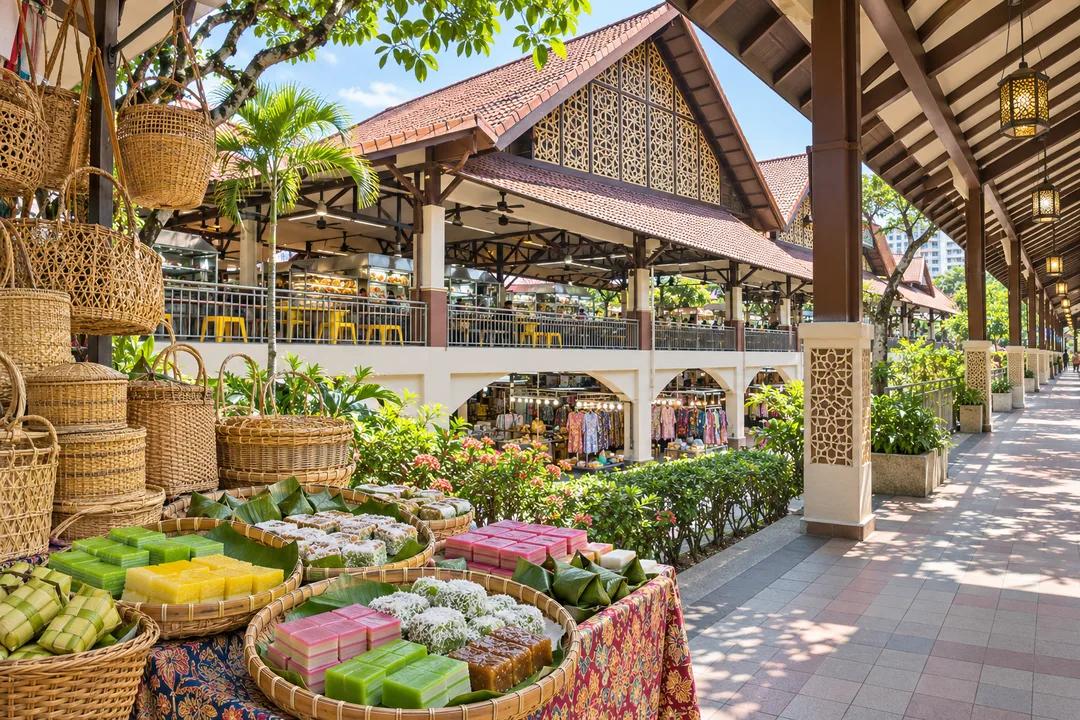
 Geylang Serai Chendol Dessert Crawl: Market Bowls to Pick
Coffee & Dessert
Joo Chiat Late Night Dessert Finder for Kueh and Chendol
Joo Chiat rewards a sweet tooth after dark, with Peranakan kueh, chendol and coffeeshop tables along its shophouse rows. Here is how to graze it like a local.
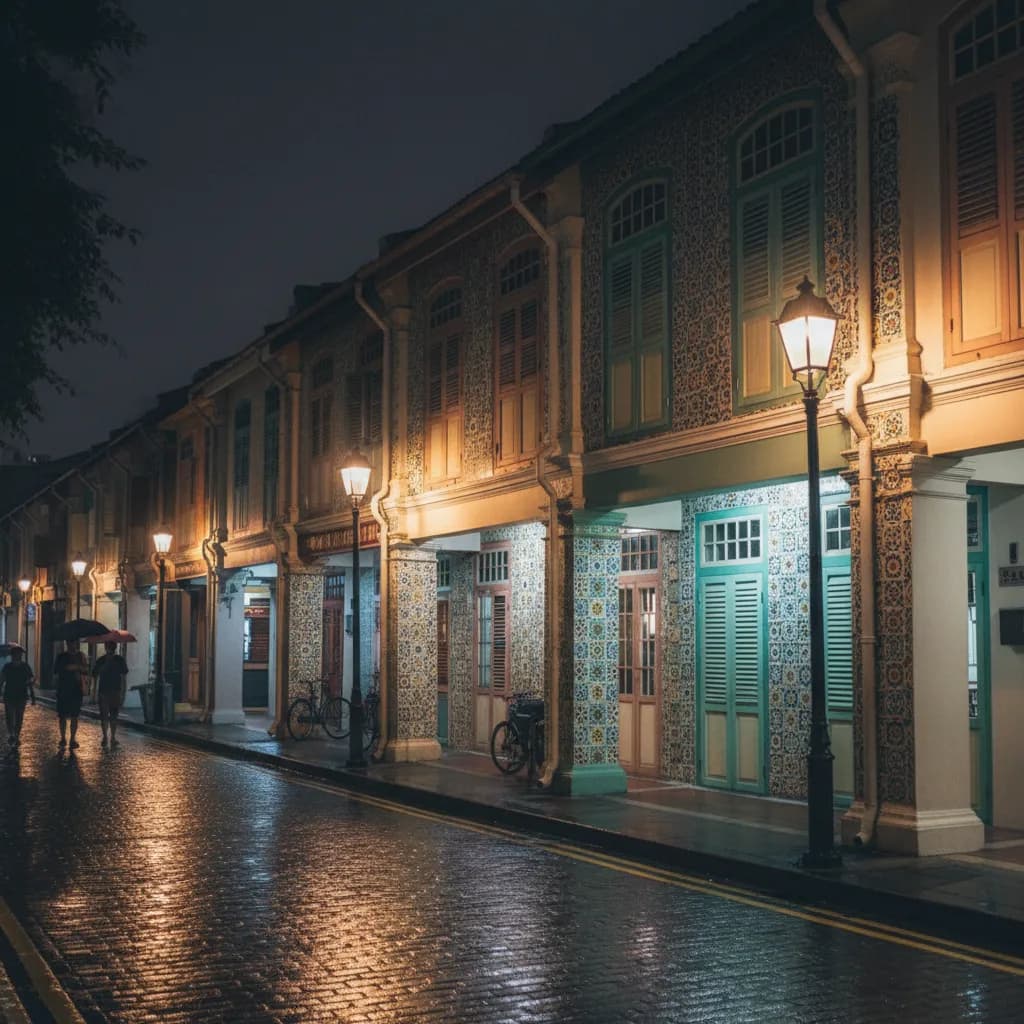
Joo Chiat is the part of Singapore where dessert still tastes like somebody's grandmother made it. The neighbourhood in the east, wrapped together with Katong, grew up around Peranakan families, and their love of coconut, pandan and palm sugar runs through the shophouse cafes and coffeeshops that line its main road. Finding something sweet late in the evening here means grazing rather than sitting down for one big plate, moving from a bowl of shaved ice to a box of kueh while the painted facades glow under the lamps.
A Neighbourhood Built on Coconut and Palm Sugar
The Peranakan community, descended from Chinese traders who married into local Malay families, shaped the food and the architecture of this corner of the island. You see it in the shophouses with their glazed floral tiles, carved timber doors and pintu pagar half gates, and you taste it in the sweets. Kueh are small steamed or baked cakes, often layered, coloured with blue pea flower or pandan and enriched with coconut milk. They were made at home for festivals and family gatherings long before they appeared in shop windows.
Today a mix of heritage bakeries, younger cafes and late running coffeeshops keeps those flavours alive. Some shops are run by families who have baked the same recipes for generations, while newer places play with the same ingredients in tarts, ice cream and plated desserts. Walking the area after dinner, you notice how the old and new sit side by side, sometimes within the same block, which makes a dessert crawl here feel like a short lesson in local history.
How to Graze Rather Than Settle
The best way to enjoy Joo Chiat at night is to keep each stop small. Pick up two or three pieces of kueh rather than a whole box, share a single bowl of chendol between friends, and move on while you still have room. The neighbourhood is compact enough that the next interesting shopfront is rarely more than a few minutes away. A slow pace also gives you time to admire the facades, which look their best when the street lights pick out the tiles.
Coffeeshops are your friend here. These open fronted eating houses, with plastic stools and ceiling fans, often have a stall selling local desserts alongside the noodle and rice sellers. Grab a table, order a cold dessert from one stall and a kopi from the drinks counter, and settle into the gentle hum of late evening chatter. It is relaxed, unpretentious and very much how residents in the east end a night out with friends or family.
Sweets Worth Ordering on a Warm Night
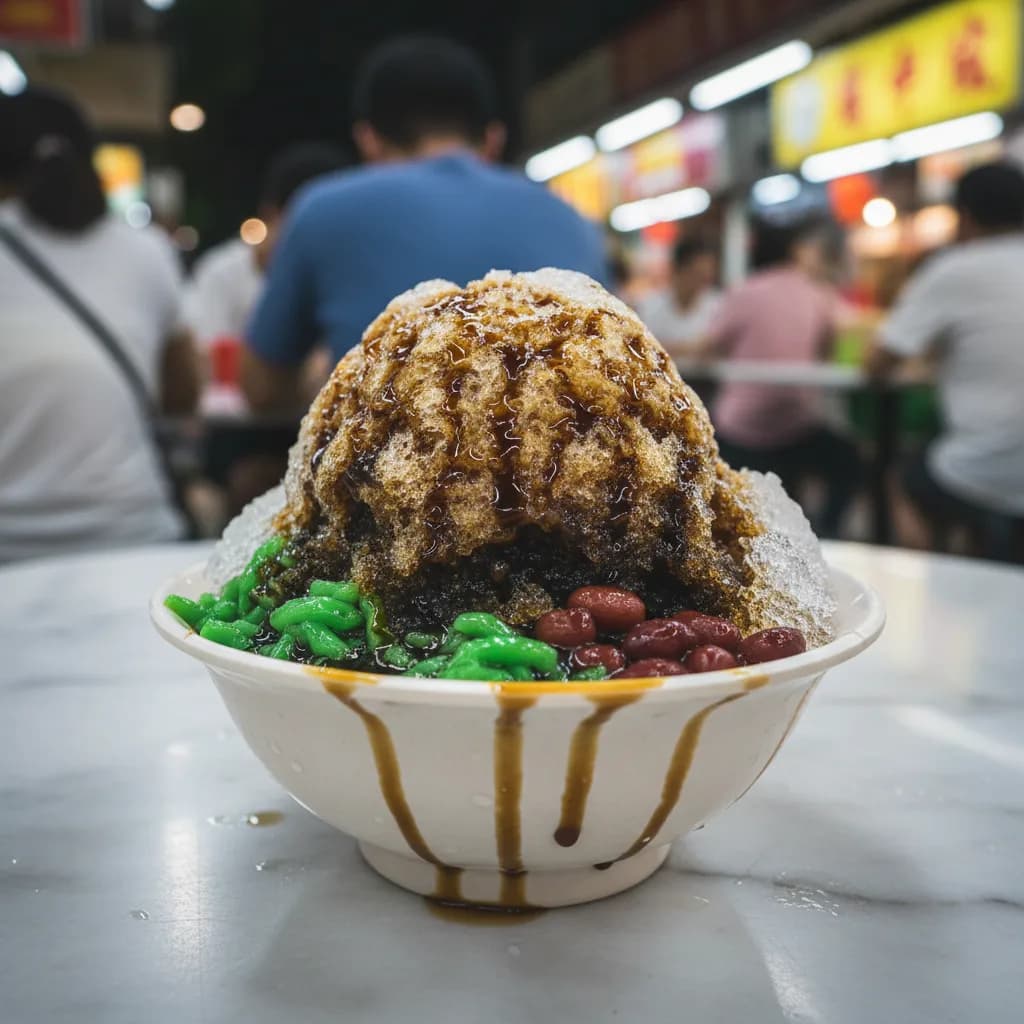
Chendol is the classic choice when the air is still sticky. It arrives as a mound of shaved ice soaked in coconut milk and dark gula melaka syrup, with soft green pandan jelly strands and sometimes red beans underneath. Eat it quickly before it melts into a sweet soup. Ice kacang is the more colourful cousin, piled with jellies, corn and syrup. For something warm, bubur cha cha, a coconut milk soup with sweet potato and yam, is comforting after a spicy dinner.
If you prefer something to carry, look for kueh salat with its glutinous rice base and pandan custard top, or kueh lapis with its many thin layers. Ondeh ondeh, small balls of pandan dough that burst with liquid palm sugar, are a crowd favourite but best eaten in one bite to avoid sticky fingers. Nonya pineapple tarts appear year round in some shops, though they are most closely linked with Lunar New Year visits.
Using Karpo to Plan the Crawl
With so many small shops, it helps to know which ones suit your taste before you start walking. In the Karpo APP you can ask for something like traditional Peranakan desserts in Joo Chiat after dinner, or a cafe that does modern takes on kueh, and get a set of ideas to explore. Mentioning that you want shaved ice, something warm, or a vegan option helps Karpo point you towards the right sort of place.
Treat the suggestions as a map for the evening rather than a fixed schedule. Start with the stop that sounds most special, then let the street lead you. If a shop has sold out of the kueh you wanted, which happens often with handmade items, simply try the next suggestion or ask the staff what they still have. For questions about allergies or large group orders, contact the shop directly.
Linking the Stops With a Shophouse Walk
Between desserts, wander the side lanes where the residential terraces are especially well preserved. Koon Seng Road is famous for its rows of brightly painted houses, and even at night the pastel walls and decorative tiles make a striking sight. Keep voices low, since these are family homes, and enjoy the details: carved swallows above doorways, painted ceramic panels and the iron grilles of old windows.
From there you can drift back towards East Coast Road, where Katong's own cluster of eateries and bakeries continues the theme. Some evenings a sea breeze carries in from the coast, which makes the walk pleasant even after a heavy meal. Finish with a final cold drink, perhaps a lime juice or a barley water from a coffeeshop stall, before heading for the bus or a ride home.
Little Tips for a Smoother Sweet Night
Joo Chiat is spread along a long main road with buses running past, and the newer Thomson East Coast Line has made the area easier to reach by train. Carry a small pack of tissues, since many coffeeshops expect you to bring your own napkins, and some stalls prefer cash or local payment apps. Handmade kueh are freshest earlier in the day, so an evening stop is about whatever remains on the trays.
Weekend evenings bring more families and visitors, so the coffeeshops fill up quickly but turn tables fast. Weeknights are quieter and better for a lingering bowl of chendol. If you are new to Peranakan sweets, ask the person behind the counter to recommend one piece for a first timer. Most are happy to explain what each colourful layer is made from and to point you to their own favourite. Take a box home for breakfast too. Many kueh taste just as good the next morning with a cup of tea, and carrying a few pieces back is a nice way to stretch the evening's discoveries into the following day.
Ask Karpo for more information.
Keep reading
- Geylang Serai Chendol Dessert Crawl: Market Bowls to Pick
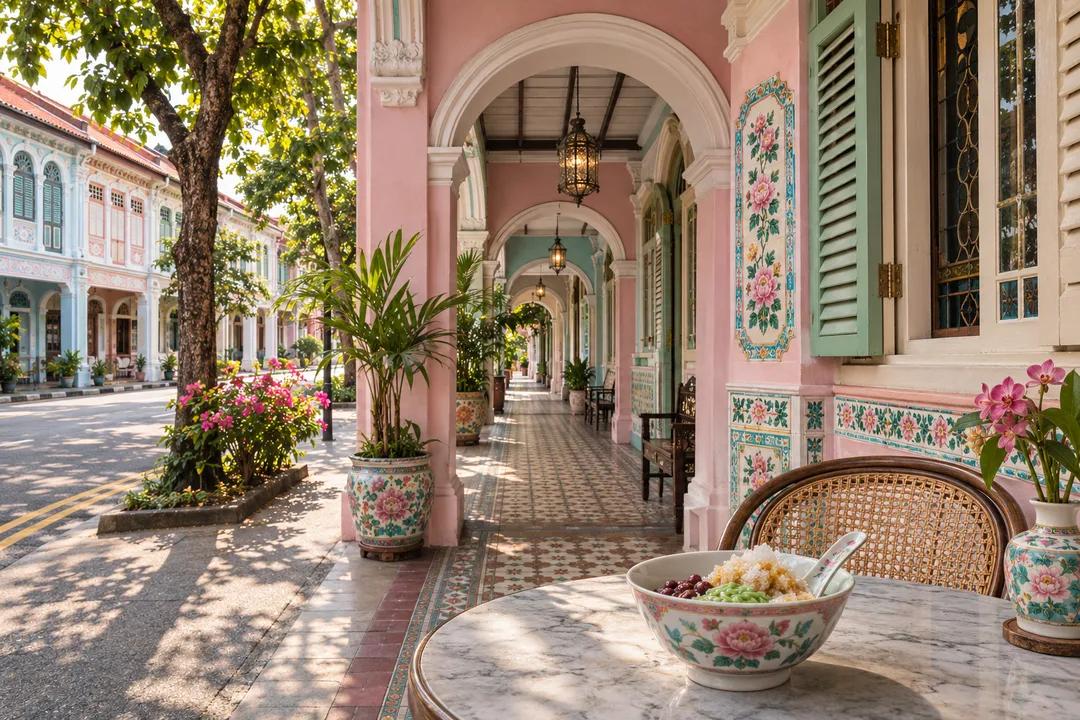 Katong Chendol Dessert Crawl: Peranakan Bowls Worth a Walk
 Chinatown Chendol Dessert Crawl: Hawker Rows and Tea Lanes