 Geylang Serai Chendol Dessert Crawl: Market Bowls to Pick
Coffee & Dessert
Chinatown Late Night Dessert Finder: Tong Sui After Hotpot
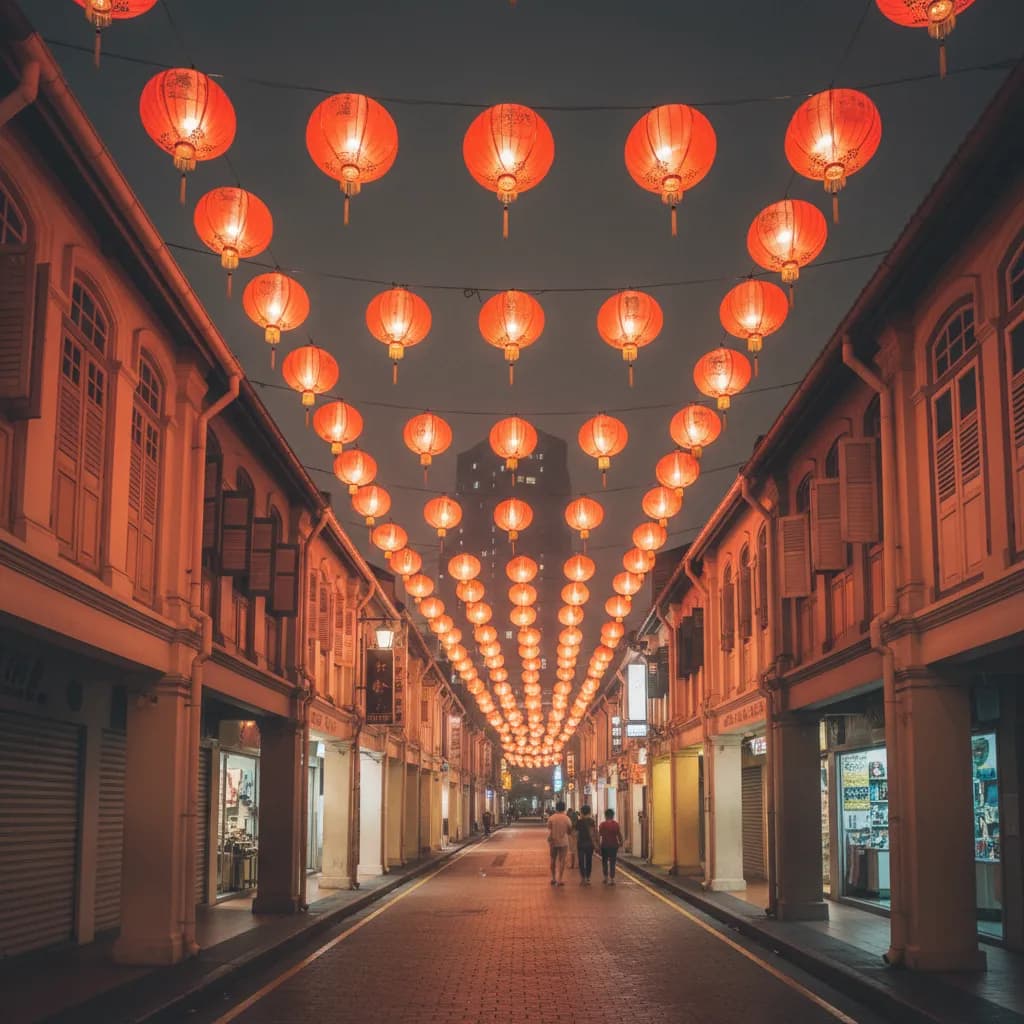
Chinatown is made for a sweet soup after a spicy dinner, from black sesame paste to mango sago. Here is how to find a bowl, read the stalls and stroll it off.
In Chinatown the meal is not really finished until someone orders a bowl of tong sui. The Cantonese term means sugar water, and it covers a whole family of sweet soups, pastes and puddings that families here have eaten after dinner for generations. When the hotpot steam clears and the mala heat is still on your lips, a cooling or soothing dessert is the obvious next move. Finding one late in the evening is mostly a matter of knowing which kind of bowl you are craving and where the stalls cluster.
The Cantonese Habit of Ending With Something Sweet
Many of the early settlers in this part of Singapore came from southern China, and they brought a belief that the right dessert could balance the body after a meal. Cooling sweets such as grass jelly or barley were eaten on hot nights, while warming ones like ginger soup with glutinous rice balls suited cooler or rainy evenings. Those ideas still shape how locals order. Ask an older diner what to eat after a spicy dinner and you may well get a short lecture on heaty and cooling foods.
That tradition explains why dessert stalls sit comfortably beside noodle and roast meat sellers in Chinatown's hawker centres and old shophouses. Some are tiny family operations with a few pots simmering on the stove, others are newer shops that serve the same classics in brighter rooms. The menus can look long, but most items fall into a handful of types, and once you recognise them ordering becomes simple and quick.
Reading a Dessert Menu Without Getting Lost
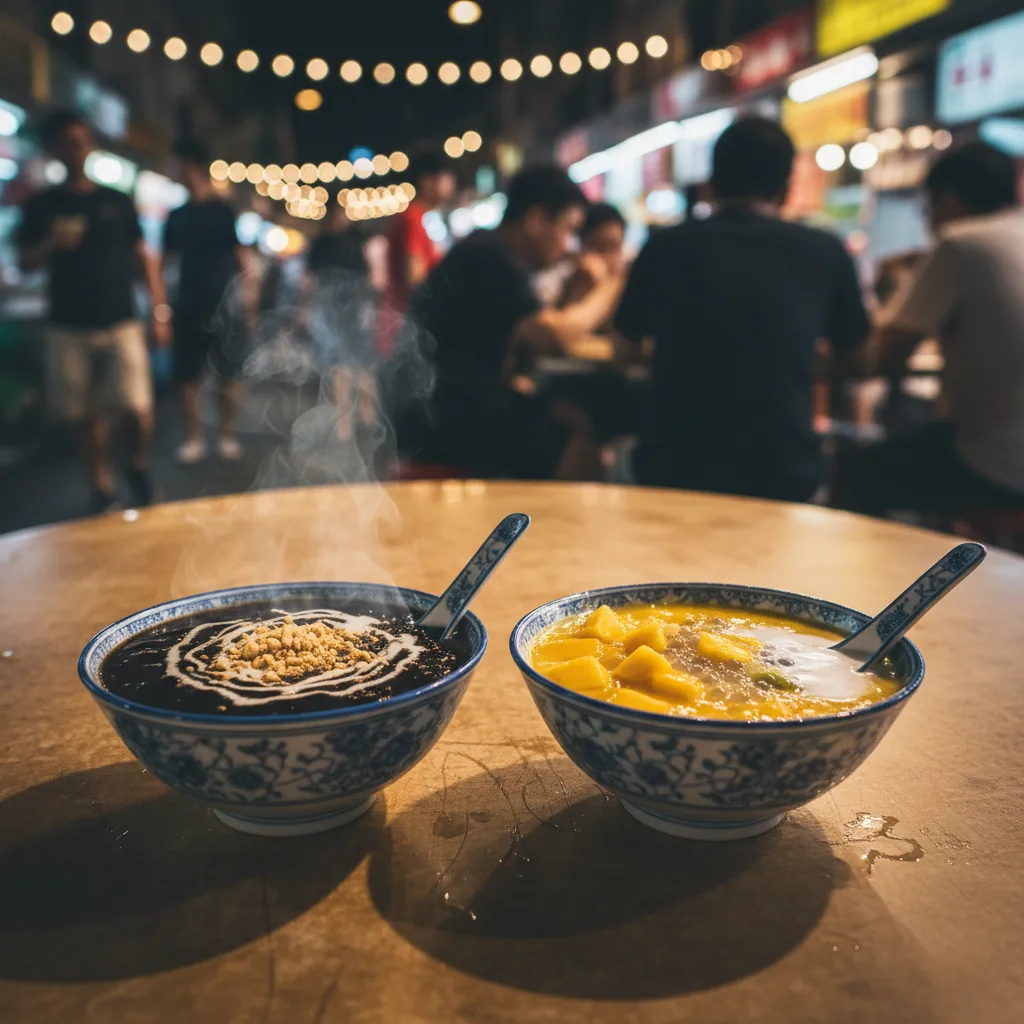
Start with the pastes. Black sesame paste is smooth, nutty and deep grey, while almond paste is pale and fragrant, and walnut paste is richer still. Some stalls let you order half and half in one bowl, which is a pleasant way to try two at once. Next come the soups, such as red bean, green bean or peanut, served hot or cold. Then the chilled bowls: mango sago with pomelo, grass jelly, and the mixed ice desserts loaded with fruit and jellies.
If you cannot decide, follow the weather. On a steamy night after hotpot, a cold mango sago or a grass jelly with milk is the most refreshing choice. During the monsoon months, or when the air turns cool after a downpour, a hot bowl of glutinous rice balls in ginger syrup feels just right. Double boiled desserts, such as papaya with snow fungus, are another gentle option and are often recommended to anyone who has eaten something very rich.
Finding a Bowl in the Hawker Halls
Chinatown's hawker centres are the most dependable place to start. Walk the rows slowly and look for the stalls with photos of glossy bowls on their signboards or a queue of regulars holding trays. Dessert stalls often sit near the drinks counters, so you can order a cold soy milk or herbal tea at the same time. Find a seat, return your tray when you are done, and enjoy the steady clatter of the hall as it winds down for the night.
Outside the hawker halls, a number of shophouse dessert cafes have opened along the side streets, some with air conditioning and longer menus that mix traditional bowls with durian, ice cream and Taiwanese style toppings. These are good when you want a proper table for a group, or when the hawker centre feels too hot. Expect busy rooms on weekend nights, especially after the dinner rush on the nearby food streets.
Letting Karpo Pick a Few Places to Try
If the choice feels overwhelming, open the Karpo APP and describe what you want, for example a quiet place in Chinatown for black sesame paste after dinner, or a spot that serves cold mango desserts for a group of four. Karpo suggests places that match the request, and you can add details like wanting somewhere air conditioned, a stall with vegetarian options, or a dessert that is not too sweet.
Use the shortlist as a guide for the walk. Head for the first suggestion, and if the stall has already packed up its pots, the next one is usually only a few streets away. Hawker stalls in particular may sell out of popular items, so stay flexible about the exact bowl you order. If you have a question about ingredients or allergies, ask the hawker directly at the counter.
An Evening Stroll Through the Old Streets
With dessert in hand or finished, take a slow walk through the conserved lanes. Pagoda Street and Trengganu Street are lined with souvenir shops that pull their shutters down as the night goes on, leaving the lanterns and shophouse facades to set the scene. The Buddha Tooth Relic Temple, with its tiered red roof, looks especially striking when lit up, and the nearby Sri Mariamman Temple adds a colourful gopuram to the skyline.
From there, follow Club Street or Ann Siang Hill uphill for a quieter mood, where restored shophouses hold bars and small restaurants. The short climb is a good way to walk off a large bowl of pastes. If you still have energy, the path continues towards Telok Ayer, where old temples and new buildings sit side by side. It makes a fine end to an evening that started with chilli and finished with sugar water.
Handy Advice for a Sweet Night Out
Chinatown is well served by trains, with Chinatown and Maxwell stations close to the main food streets, which makes it an easy place to finish a night even if you live elsewhere. Carry a packet of tissues to reserve your seat in hawker centres, a habit locals call choping. Many stalls now accept card or local payment apps, but having a little cash is still helpful at older counters.
Share bowls with friends so you can taste more types in one round. Order a hot one and a cold one, compare notes, then decide whether a second round is worth it. Do not be shy about asking the aunties and uncles behind the counter which dessert is best that night. They often know which pot has been simmering the longest and is at its very best, and that local tip is worth more than any menu photo. On the way out, pick up a bottle of chilled herbal tea for the ride home. It is a small, very local way to close the evening.
Ask Karpo for more information.
Keep reading
- Geylang Serai Chendol Dessert Crawl: Market Bowls to Pick
 Katong Chendol Dessert Crawl: Peranakan Bowls Worth a Walk
 Chinatown Chendol Dessert Crawl: Hawker Rows and Tea Lanes