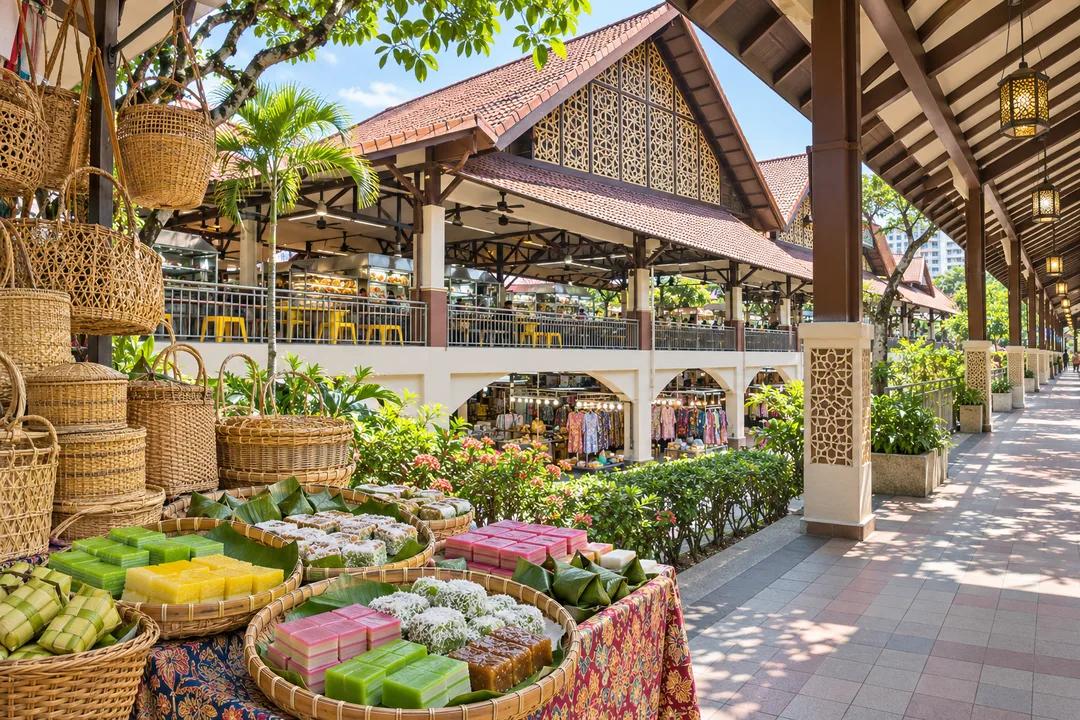
 Geylang Serai Chendol Dessert Crawl: Market Bowls to Pick
Coffee & Dessert
Joo Chiat Kueh Snack Shop Finder for a Grandmother's Recipe
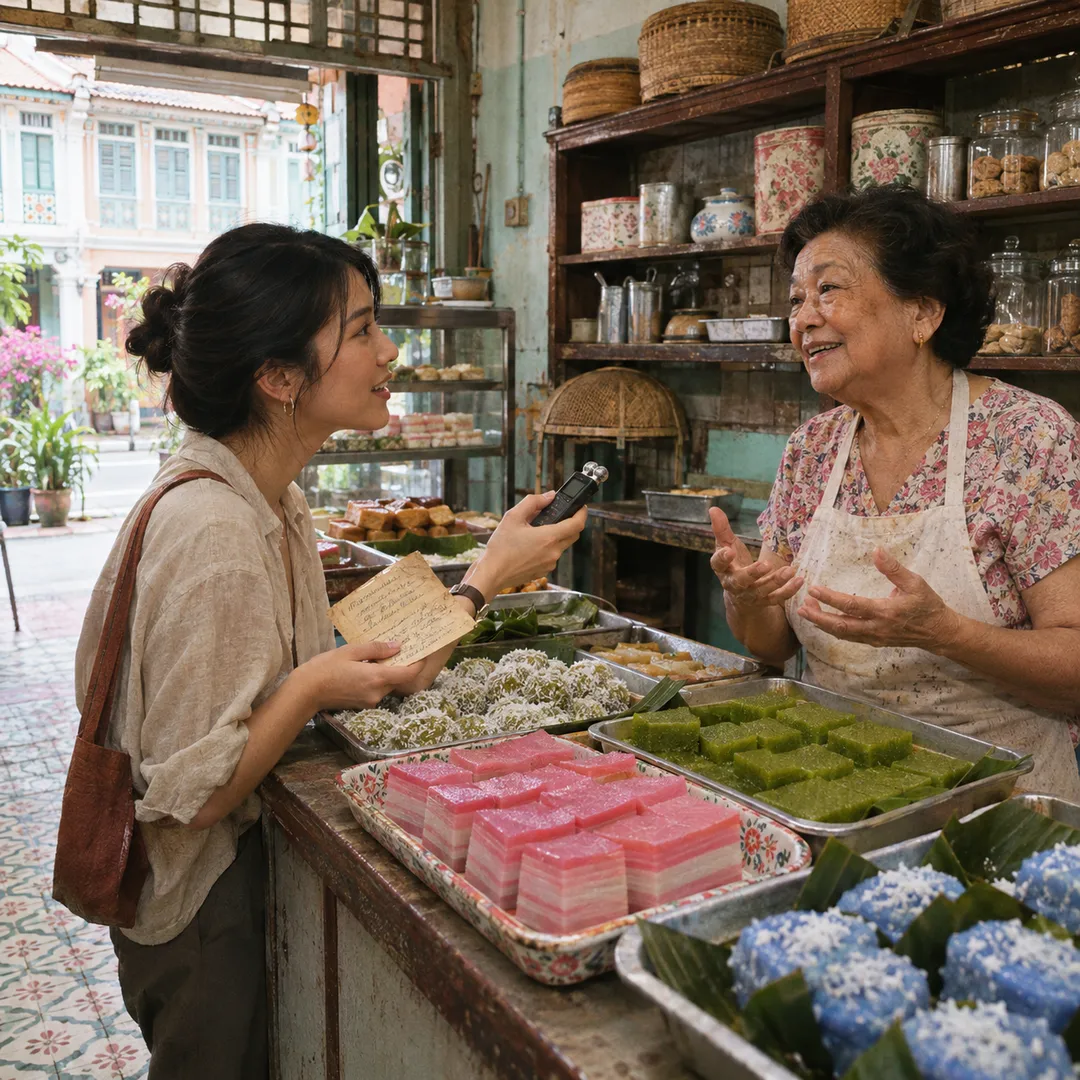
Chasing the taste of a grandmother's kueh? Joo Chiat's family counters are the place to compare, ask about old methods and gather stories while you still can.
Many Singaporean families have a version of the same story. A grandmother, or a great aunt, made kueh for every festival and birthday, measured nothing, and never wrote the recipe down. Years later a grandchild realises that the taste is fading from memory and sets out to find something close to it. Joo Chiat is one of the most rewarding places for that search. Its family counters, restored terrace houses and long Peranakan memory make it a good neighbourhood for tasting, comparing and listening. This kueh snack shop finder is for anyone hunting down a flavour they grew up with.
Why Joo Chiat Holds So Many Kitchen Memories
Joo Chiat takes its name from Chew Joo Chiat, a wealthy landowner who owned much of the area in the early twentieth century. As coconut plantations gave way to houses, many Peranakan and Eurasian families settled here, and the streets filled with the ornate two storey terraces that still draw photographers. These were homes with busy kitchens, where kueh was not a dessert course but part of daily life, offered to visitors, carried to relatives and laid out on festival tables.
That history means the neighbourhood is full of people who remember how things used to be made. Some shops have been run by the same families for more than one generation, and their owners often learned by watching a mother or grandmother. When you walk in carrying your own family memory, you are not a tourist asking for a photo. You are joining a long conversation about how much coconut milk is too much, whether palm sugar should be dark or golden, and which shortcuts are acceptable.
Preparing for the Search
Before you go, write down everything you remember, even if it feels vague. Note the colours, the texture, whether it was chewy or crumbly, the smell of pandan or toasted coconut, and the occasions when it appeared. Ask parents, aunts and uncles for their version too, because each person will remember a different detail. One cousin may recall the banana leaf being charred at the edges, while another remembers a salty note under the sweetness. Those small clues are what you will be tasting for.
It also helps to learn the likely names. A grandmother's green layered cake with a custard top may be kueh salat, a soft rolled pancake filled with coconut is likely kueh dadar, and a slab of many thin coloured strata is probably kueh lapis. Some families used Hokkien or Malay names, or their own private nicknames, so describe the cake as well as naming it. Bringing a faded photograph from a family gathering can help a shopkeeper recognise what you mean.
Tasting and Comparing Like a Detective
Treat the morning as a gentle tasting session rather than a single purchase. Buy one or two pieces of the same type from more than one counter and taste them side by side on a bench. Notice the differences: how firm the glutinous rice is, how strongly the pandan comes through, whether the coconut is fresh and moist or dry. Even small kitchens make slightly different choices, and one of them may suddenly feel familiar in a way that is hard to explain.
Do not be surprised if nothing matches exactly. Home recipes were often adjusted to the cook's taste, the ingredients available that week and the size of the family. What you are looking for is the closest relative, a kueh that brings back the right feeling. When you find it, note where you bought it and what made it close. That becomes your reference point for the next stage, which might be learning to make it yourself or simply having a place to return to on anniversaries.

How to Ask About Old Methods
Shopkeepers in Joo Chiat are often busiest in the morning, so visit when the queue is short and start by buying something. Then ask a simple, respectful question, such as whether their kueh salat is still steamed in layers or how they get the blue colour. Many will mention butterfly pea flowers or describe how their parents worked. If they seem happy to talk, explain your search and show your notes. If they are rushed, thank them and return another day.
If you want to record a conversation, always ask first and accept a polite no. Some people are proud to share their stories, while others prefer to keep family methods private, and both are fair. Never ask for a full recipe as if it were owed to you. Instead, ask about memories: what the shop was like when they were young, which festivals kept them busiest, and what customers used to order. Those stories are often more precious than measurements.
A Slow Walk Among the Terrace Houses
Between tastings, wander the side streets off Joo Chiat Road. Koon Seng Road is known for its row of brightly painted terrace houses, with plaster flowers, animal motifs, ceramic tiles and pintu pagar half doors. Nearby lanes such as Joo Chiat Terrace and Tembeling Road have quieter homes and old shophouses with five foot ways that give welcome shade. Walk slowly, and remember that these are people's homes, so keep voices low and stay on the pavement when taking photographs.
Looking at the architecture can sharpen your memories. The patterned tiles may remind you of a grandparent's floor, and the smell drifting from a kitchen window may carry pandan or frying shallots. Many people find that the walk brings back details they had forgotten, like the shape of a tin a grandmother used to store kueh, or the way she wrapped leftover pieces in a cloth. Jot these down as you go, because they often vanish again by evening.
Turning the Search Into a Family Project
Once you have found a kueh that feels close, share it. Bring a box to the next family gathering and ask everyone whether it matches their memory. The resulting debate, with an uncle insisting it needs more salt and a cousin swearing it is perfect, is part of the joy. Some families use the moment to record older relatives talking about food, festivals and the houses they grew up in, creating an archive of voices that will matter to future generations.
You might also decide to learn to make the kueh at home, using your tasting notes as a guide. Even if the first attempts are uneven, the process connects you to the hands that came before. Some people later return to Joo Chiat with their own version to compare against the shop's, and a good shopkeeper may enjoy hearing about your progress. The search becomes less about one perfect cake and more about keeping a family tradition alive.
Planning the Hunt With the Karpo APP
When you plan your next tasting morning, open the Karpo APP and describe your search in plain words, for example a family run kueh snack shop in Joo Chiat with traditional Nyonya kueh, a calm counter where I can ask about old methods, and quiet terrace house streets nearby for a walk. Use the suggestions as a shortlist, then ask follow-up questions about the atmosphere, which shops feel most traditional and how to fit two or three into one morning.
Bring a small box, a pen, water and patience. Go early, taste side by side, ask kind questions and leave time to walk. Whether you find an exact match or only a close cousin, the search itself is a way of honouring the person who once fed you, and Joo Chiat is a neighbourhood that understands why that matters.
Ask Karpo for more information.
Keep reading
- Geylang Serai Chendol Dessert Crawl: Market Bowls to Pick
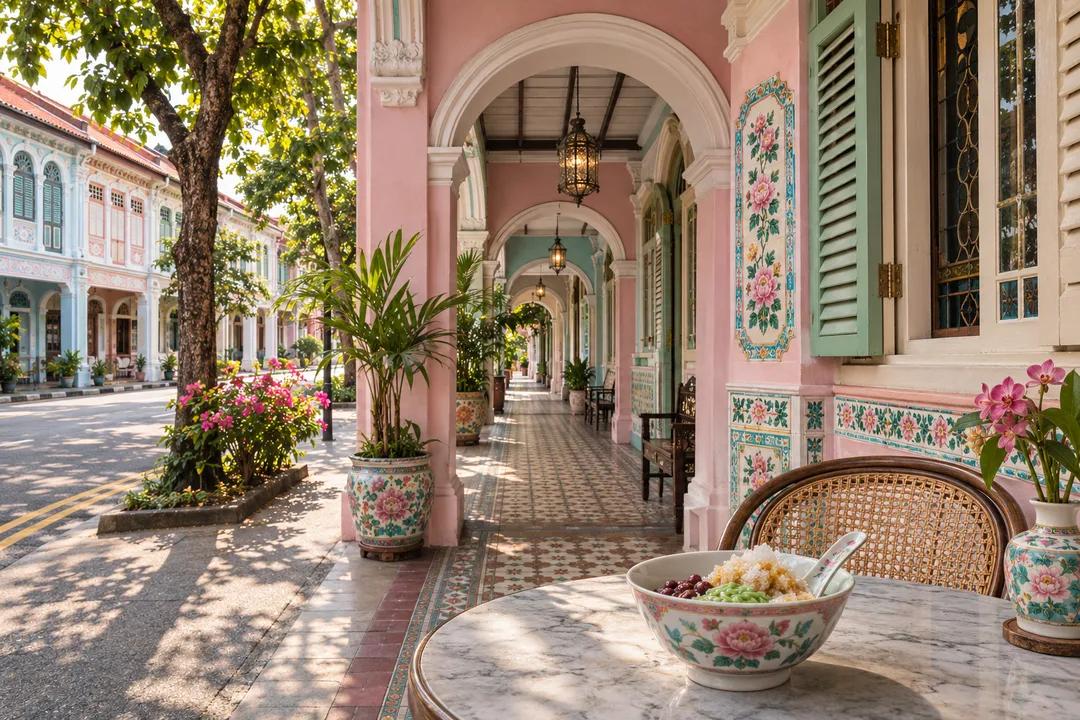 Katong Chendol Dessert Crawl: Peranakan Bowls Worth a Walk
 Chinatown Chendol Dessert Crawl: Hawker Rows and Tea Lanes