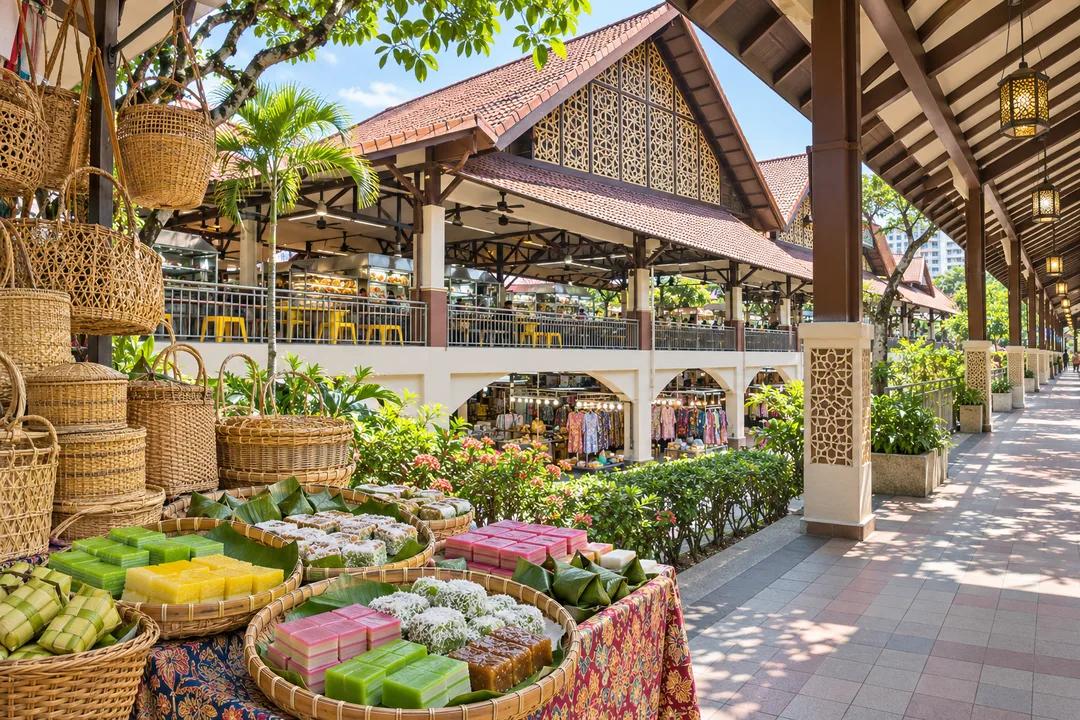
 Geylang Serai Chendol Dessert Crawl: Market Bowls to Pick
Coffee & Dessert
Kissaten Near Me in City Hall: Hvala at CHIJMES
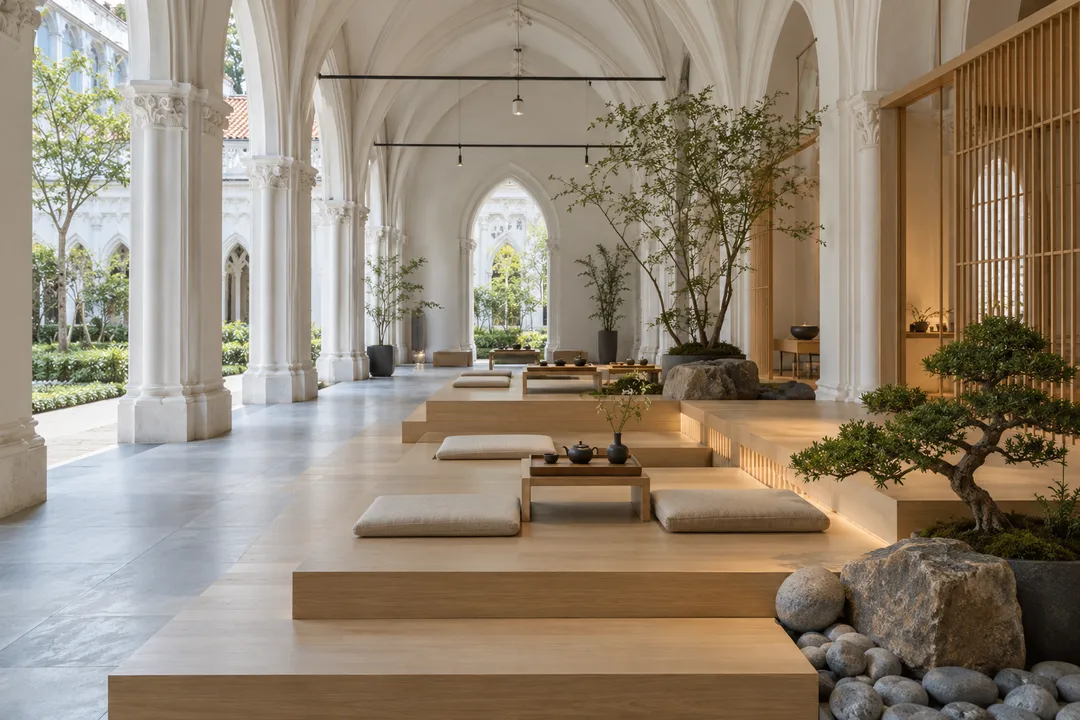
Hvala inside historic CHIJMES provides a tranquil Japanese kissaten teahouse escape with tiered wooden seating, ceremonial matcha, and artisanal wagashi in Singapore.
Hvala operates inside the historic convent grounds of CHIJMES at 30 Victoria Street, positioned at unit #01-04/05 directly opposite City Hall MRT interchange station. Opened in 2018 as Hvala's flagship experiential teahouse, the venue reimagines traditional Japanese kissaten philosophy within a nineteenth-century neoclassical monastery cloister. Designed under principles of wabi-sabi simplicity, the teahouse serves as an urban sanctuary where guests remove themselves from the tropical heat of downtown Singapore. Instead of hurried takeaway service, Hvala emphasizes mindful tea preparation, ceremonial single-cultivar matcha, and artisan confectionery crafted to complement distinct green tea roast profiles.

Single-Cultivar Matcha and Artisan Confectionery
The beverage program at Hvala CHIJMES is celebrated for its curated grades of Kyoto green teas. Diners can order the classic Hot Matcha Latte, priced at S$6.50, whisked freshly to order in ceramic chawan bowls and paired with steamed fresh milk or minor figures oat milk for a S$1.00 supplement. Purists seeking unadorned tea can explore the Cold Brew Tsuki Matcha, priced at S$7.80, showcasing delicate sweetness and grassy aromatics without bitterness. Rare loose-leaf tea pots, including roasted nutty Hojicha and shaded Gyokuro, range from S$7.50 to S$9.00 and arrive with individual hot water carafes for multiple restorative infusions.
Confectionery selections showcase delicate Japanese artistry. Guests frequently choose the Matcha Tasting Platter, priced at S$13.90, presenting distinct intensities of green tea desserts alongside delicate wagashi. Individual dessert offerings include rich Matcha and Hojicha gelato scoops, priced at S$6.80 each, delicate Mont Blanc sweet chestnut tarts, and multi-layered Matcha Crepe Cakes that melt smoothly on the tongue. Seasonal dessert flights introduce yuzu curd pastries and black sesame panna cotta, offering sweet contrasts to rich green tea brews.
Wabi-Sabi Architecture and Step Seating
The interior at unit #01-04/05 features a striking multi-tiered blonde wood seating platform inspired by traditional Japanese riverbanks and indoor engawa verandas. Visitors settle onto smooth timber steps decorated with gray granite river stones, miniature potted bonsai trees, and minimalist paper floor lanterns. Floor-to-ceiling glass windows look out into the tranquil landscaped courtyard of CHIJMES, framing white gothic colonnades against tropical palm fronds. The visual dialogue between 1850s European monastery architecture and minimalist Japanese woodwork creates a singularly serene ambiance.
Quietude is central to the Hvala experience. Soft acoustic instrumental melodies hum gently through hidden speakers, while baristas move rhythmically behind a low stone counter measuring tea powder with bamboo scoops and whisking each portion with practiced grace. The seating design fosters relaxed contemplation, making the space popular among university scholars, solo readers, architecture enthusiasts, and tea connoisseurs enjoying slow afternoon conversations.
Hours, Access, and Visiting Recommendations
Hvala at CHIJMES welcomes patrons daily from 12:00 pm to 9:30 pm throughout the entire week. Getting here is exceptionally straightforward: City Hall MRT station (connecting both North South and East West lines) sits a two-minute sheltered walk away via Exit A, while Bras Basah MRT station on the Circle line is three minutes north. General inquiries and tea menu updates can be viewed on their official website at hvala.com.sg. Payment is fully cashless, supporting PayNow, NETS, credit cards, and Apple Pay across all registers.
Peak visiting hours usually occur on weekend afternoons between 2:30 pm and 5:00 pm, when queue times outside the cloister entrance can reach twenty minutes. To experience the teahouse at its most peaceful, arrive right around opening at 12:00 pm on a weekday or visit after 7:30 pm for an evening dessert session. If the stepped indoor seating is fully occupied, comfortable low tables on the sheltered outdoor cloister walkway provide a delightful open-air alternative.
Exploring Historic CHIJMES and Bras Basah
After savoring your tea at Hvala, step outside to explore the historical grounds of CHIJMES, originally established in 1854 as the Convent of the Holy Infant Jesus. The central gothic chapel, now known as CHIJMES Hall, features vaulted ceilings and European stained-glass windows. Strolling five minutes eastward brings you to the National Museum of Singapore and Fort Canning Park, where shaded walking paths lead to the historic spice garden and panoramic viewpoints overlooking Singapore's civic district.
Why Hvala Sets the Standard for Singapore Kissaten
Hvala at CHIJMES succeeds by preserving the authentic contemplative heart of Japanese tea houses within one of Singapore's most historic architectural landmarks. Through impeccable tea sourcing from Uji, architectural wabi-sabi grace, and dedicated craft confectionery, Hvala delivers a masterclass in modern kissaten serenity.
Ceremonial Tea Whisking and Brewing Temperatures
Every green tea order at Hvala CHIJMES is prepared according to strict Japanese senchado and chanoyu protocols. Baristas carefully measure water temperatures using digital thermometers, ensuring that delicate spring sencha is steeped at precisely 70 degrees Celsius to prevent thermal bitterness while extracting rich sweet L-theanine amino acids. Shaded gyokuro leaves receive even cooler water at 60 degrees Celsius, unlocking a savory, brothy umami profile that coats the palate. For matcha bowls, baristas employ traditional bamboo chasen whisks carved with eighty fine tines, whisking the tea into a dense, jade-green froth.
The teahouse also features a curated retail corner where visitors can purchase ceremonial matcha tins, ceramic chawan tea bowls crafted by regional Japanese potters, and bamboo tea whisks. Staff members happily explain the terroir differences between Uji green tea cultivars such as Yabukita, Okumidori, and Samidori. Whether you are a newcomer discovering the nuances of roasted hojicha or an experienced tea drinker seeking rare cultivar single-origin harvests, Hvala's educated staff provides thoughtful brewing guidance for your home tea rituals.
Seasonal Harvest Profiles and Japanese Cultivars
The teas curated by Hvala originate from historic farm plots in Wazuka and Minamiyamashiro within Kyoto prefecture, where cool mist and rich river soils nourish shade-grown tea bushes. Single-origin offerings showcase cultivar distinctions that appeal to experienced palates: the Samidori cultivar delivers intense vegetal sweetness with delicate oceanic notes, while the Okumidori cultivar offers a deeply rounded, nutty finish with sustained finish length. Hvala works directly with multi-generational Japanese tea farmers who harvest leaves during the early spring Shincha flush, ensuring that antioxidant levels and aromatic volatiles remain at their absolute peak.
Guests seeking an extended tasting can request guidance on pairing seasonal desserts with specific tea roasts. An intense ceremonial matcha cut against the creamy sweetness of a layered crepe cake balances palate fatigue, while a warm pot of roasted hojicha pairs harmoniously with sweet chestnut puree and sesame gelato. This thoughtful gastronomic harmony elevates Hvala beyond a conventional dessert parlor into an educational gateway to modern Japanese gastronomic culture.
Ask Karpo for more information.
Keep reading
- Geylang Serai Chendol Dessert Crawl: Market Bowls to Pick
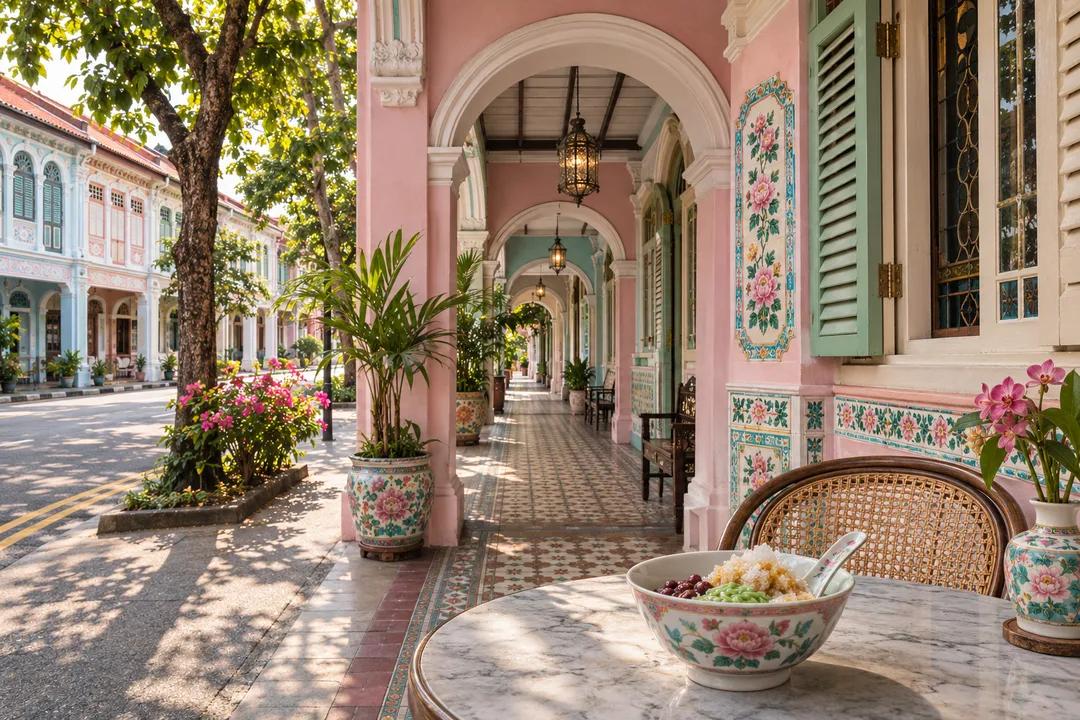 Katong Chendol Dessert Crawl: Peranakan Bowls Worth a Walk
 Chinatown Chendol Dessert Crawl: Hawker Rows and Tea Lanes