 Geylang Serai Chendol Dessert Crawl: Market Bowls to Pick
Coffee & Dessert
Katong Cozy Coffee Roastery Cafe Walk Guide
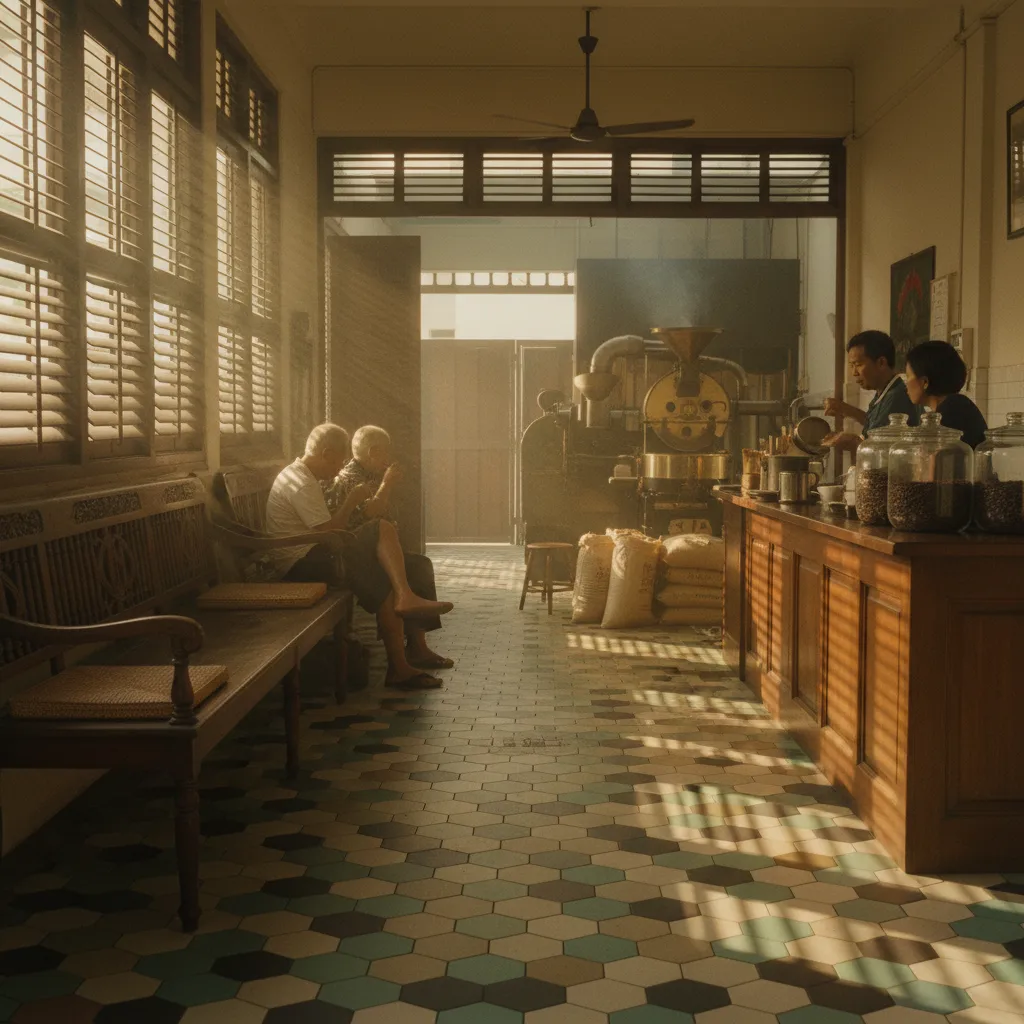
Explore Katong and Joo Chiat cozy coffee roastery cafes, featuring heritage shophouse roasters, single-origin pour-overs, and pastel streetscapes.
Wandering through the pastel-painted shophouse corridors of Katong and Joo Chiat in the unhurried morning reveals a sensory haven where Peranakan architectural heritage blends harmoniously with contemporary specialty coffee culture. Beneath ornate ceramic wall tiles and intricately carved timber fanlights, neighborhood micro-roasteries roast delicate single-origin batches while morning sunlight filters across terracotta pavements. Stepping inside these thoughtfully restored shophouses, coffee lovers encounter welcoming community spaces dedicated to seasonal crop sourcing, artisanal roast profiling, and relaxed neighborhood conversations far removed from the city center.
Heritage Shophouse Roasting and Community Fabric
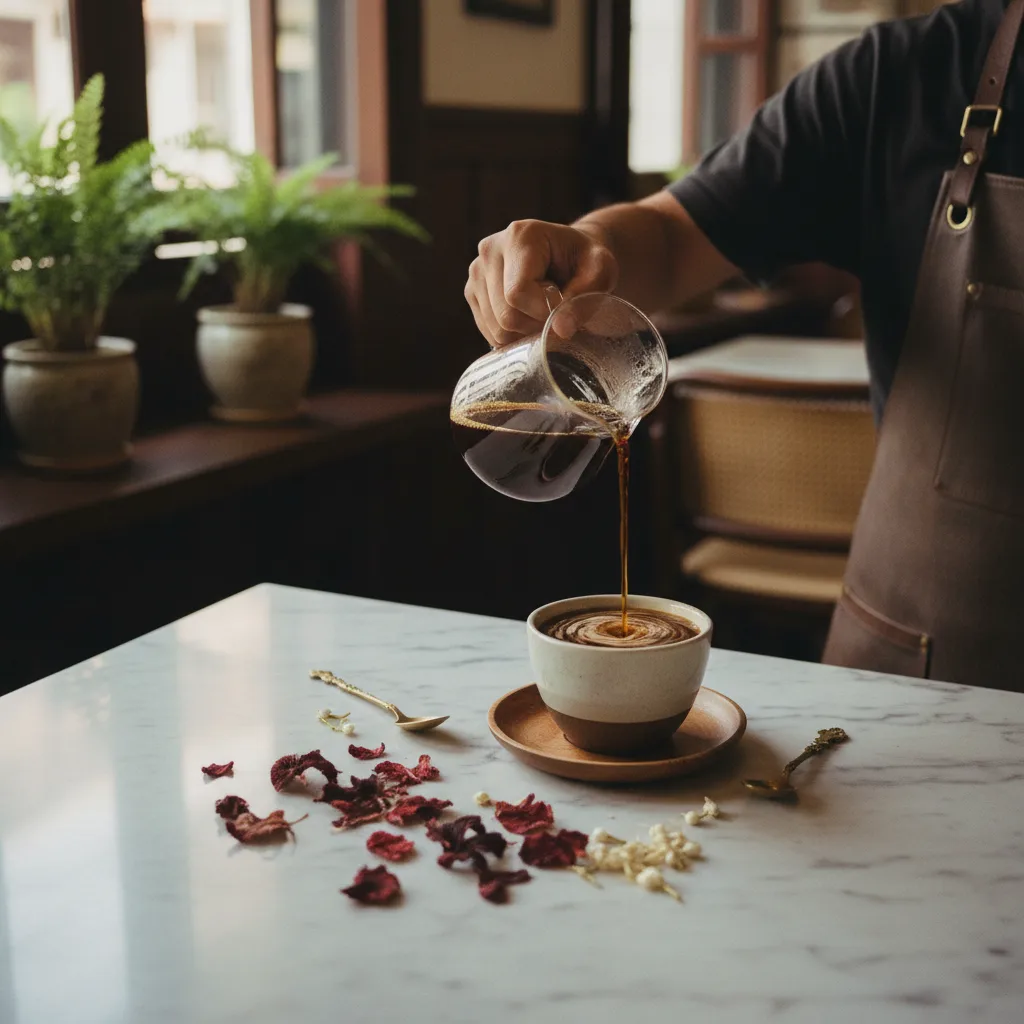
Katong's specialty coffee scene derives its distinctive warmth from its historic shophouse setting, where historic residential architecture has been repurposed into welcoming neighborhood roastery workshops. Long, narrow floor plans characteristic of early twentieth-century Straits Eclectic architecture are organized thoughtfully into functional micro-roasting spaces, espresso bars, and quiet mezzanine seating nooks.
Vintage drum roasters operate gently behind acoustic glass partitions toward the rear courtyard, allowing the fragrant perfume of roasting beans to permeate the space without overpowering indoor dining tables. Original louvered shutters, exposed brick pillars, and glazed floral tiles provide tactile texture, contrasting softly with contemporary brushed steel brew bars and clean oak timber stools.
The atmosphere in these neighborhood cafes remains unpretentious and deeply embedded in local east-coast rhythms. Early risers, resident artists, and multi-generational families gather across communal wooden tables, creating an easygoing neighborhood cadence where baristas know regular patrons by name.
Roasters in Joo Chiat cultivate strong partnerships with smallholder farms across Southeast Asia and Latin America, curating seasonal microlots that showcase meticulous hand-harvesting and natural sun-drying practices.
East Coast Brewing Philosophy and Flavor Profiles
The brew philosophy championed across Katong roasteries embraces clarity of expression, offering clean and refreshing extractions attuned to Singapore's tropical maritime climate. Rather than leaning into dark, heavily caramelized roast degrees, local roasters craft medium-light profiles that allow innate fruit character, floral aromatics, and crisp acidity to shine brightly.
Pour-over offerings feature single-origin washed coffees from Central America and natural micro-lots from western Ethiopia, brewed patiently on ceramic drippers with precision mineral-balanced water. These delicate filter cups present sparkling notes of blood orange, candied bergamot, and sweet stone fruit that develop nuanced complexity as the beverage cools. In addition to signature filter preparations, neighborhood roasters maintain a dedicated tasting counter where guests can compare processing methods across the same harvest. Tasting a washed lot alongside its natural and honey-processed counterparts illuminates how mucilage drying times influence body, sweetness, and tactile finish, turning a casual coffee break into a memorable educational experience.
Cold extraction is elevated through dedicated immersion cold-brew kegs and glass drip towers that slowly steep coarse coffee grounds over twelve hours. The resulting iced brews deliver silky, velvety mouthfeel highlighted by notes of milk chocolate, roasted hazelnut, and ripe dark plums when served over clear block ice.
For milk-based drinks, baristas pull double-ristretto espresso shots that cut cleanly through textured oat or steamed farm-fresh milk, delivering balanced cups reminiscent of honey biscuit and dark caramel.
Visiting Hours, Counter Etiquette, and Neighborhood Rhythms
Visiting a Joo Chiat roastery cafe is most rewarding when scheduled to match the neighborhood's relaxed mid-morning pace. The quietest and most contemplative visiting window runs during early morning hours on weekday mornings, before neighborhood brunch traffic begins picking up along East Coast Road.
On weekends, an early arrival in the early morning hours ensures immediate seating before weekend cycling groups and family breakfast parties fill the communal tables. Alternatively, the late afternoon lull during quiet late afternoon hours offers another serene window for peaceful filter coffee tasting and reading.
Counter etiquette in Katong is informal and friendly, with orders placed at the front counter before taking a numbered timber block to your chosen seat. Baristas happily offer brief sensory descriptions of on-tap single origins, assisting guests in choosing coffees matched to their flavor preferences.
Because indoor seating in historic shophouse footprints is naturally limited, guests are encouraged to be mindful of shared tables during peak morning hours. Laptops are common during weekday mornings, though many patrons choose to set devices aside in favor of enjoying the physical architecture and natural breeze.
Joo Chiat Road, Koon Seng shophouses, and Street Art Walk For visitors eager to explore further along the East Coast, the surrounding side streets harbor independent ceramic galleries, traditional spice merchants, and Peranakan craft workshops that have anchored the district for decades. Strolling through these sunlit residential corridors reveals quiet courtyards shaded by mature tropical palms, where the gentle morning breeze carries the fragrance of roasted coffee and jasmine blossoms.
Combining your roastery tasting with an architectural walk through Katong's historic corridors provides an immersive exploration of Singapore's premier Peranakan heritage precinct. Exit the cafe onto Joo Chiat Road and head northward toward Koon Seng Road, famous for its unbroken terrace of pastel-painted ornamental shophouses dating to the late 1920s.
Pause along the pedestrian pavements to examine intricate plaster reliefs of birds and flowers, glazed Majolica ceramic tiles, and distinctive Corinthian-inspired pilasters adorning the facades. The vibrant rows of mint green, pale pink, and canary yellow shophouses create striking photo perspectives under morning sunlight.
Wander through connecting residential alleys toward Ceylon Road and Tembeling Road, where colorful street murals by local artists depict traditional Peranakan beadwork and old street-food vendors. Shaded pedestrian paths beneath flowering bougainvillea and mature angsana trees keep walking comfortable throughout the morning.
The circuit loops easily toward East Coast Road, passing independent bookshops, artisan bakeries, and antique textile merchants before returning to the central cafe strip.
Bus Connections, Home Brewing Beans, and App Recommendations
Reaching Katong and Joo Chiat is convenient via public transit links connecting east Singapore to the city center. Marine Parade MRT Station on the Thomson-East Coast Line sits within an easy eight-minute walk from central Joo Chiat Road, offering direct step-free connections from downtown.
Comprehensive bus lines, including services 10, 12, 14, 32, and 40, stop regularly along East Coast Road and Mountbatten Road, providing frequent links to nearby subway interchanges. For cycling visitors, wide park connector networks link East Coast Park directly inland toward Joo Chiat.
When selecting whole bean retail bags to enjoy at home, choose bags stamped with roast dates within the past seven to sixteen days to ensure complete bean degassing and optimum extraction quality. Store beans in sealed ceramic or opaque canisters to protect against coastal humidity.
To discover hidden neighborhood cafes, seasonal roast releases, and self-guided architectural walking loops across eastern Singapore, consult the Karpo APP for timely and curated city recommendations.
Ask Karpo for more information.
Keep reading
- Geylang Serai Chendol Dessert Crawl: Market Bowls to Pick
 Katong Chendol Dessert Crawl: Peranakan Bowls Worth a Walk
 Chinatown Chendol Dessert Crawl: Hawker Rows and Tea Lanes