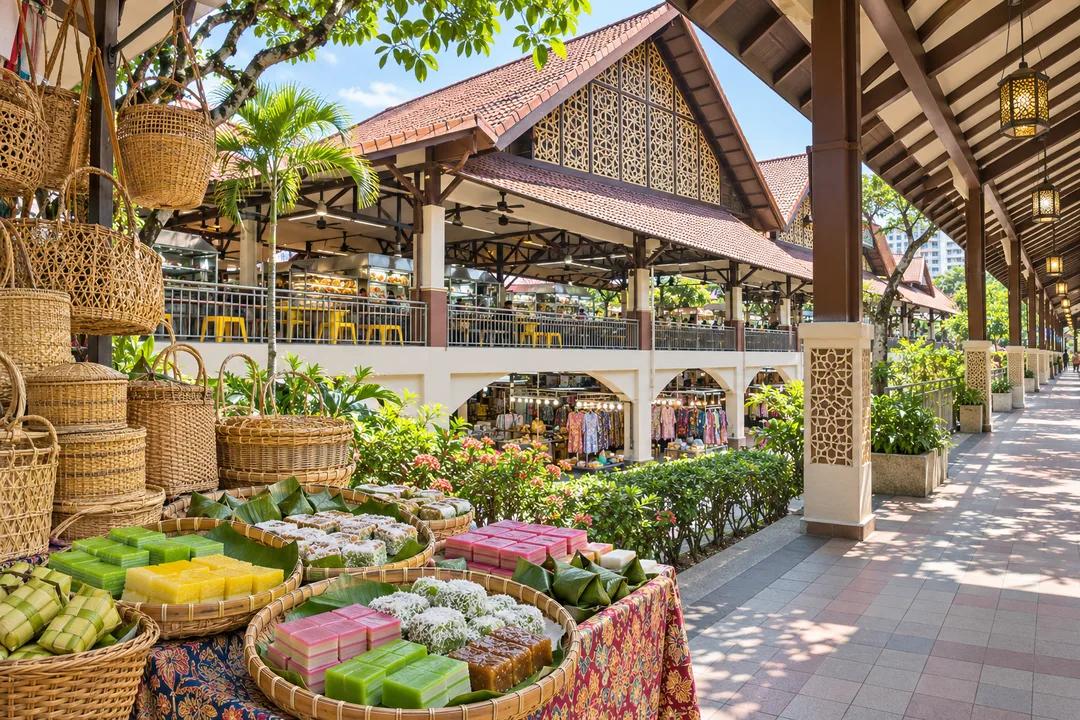
 Geylang Serai Chendol Dessert Crawl: Market Bowls to Pick
Coffee & Dessert
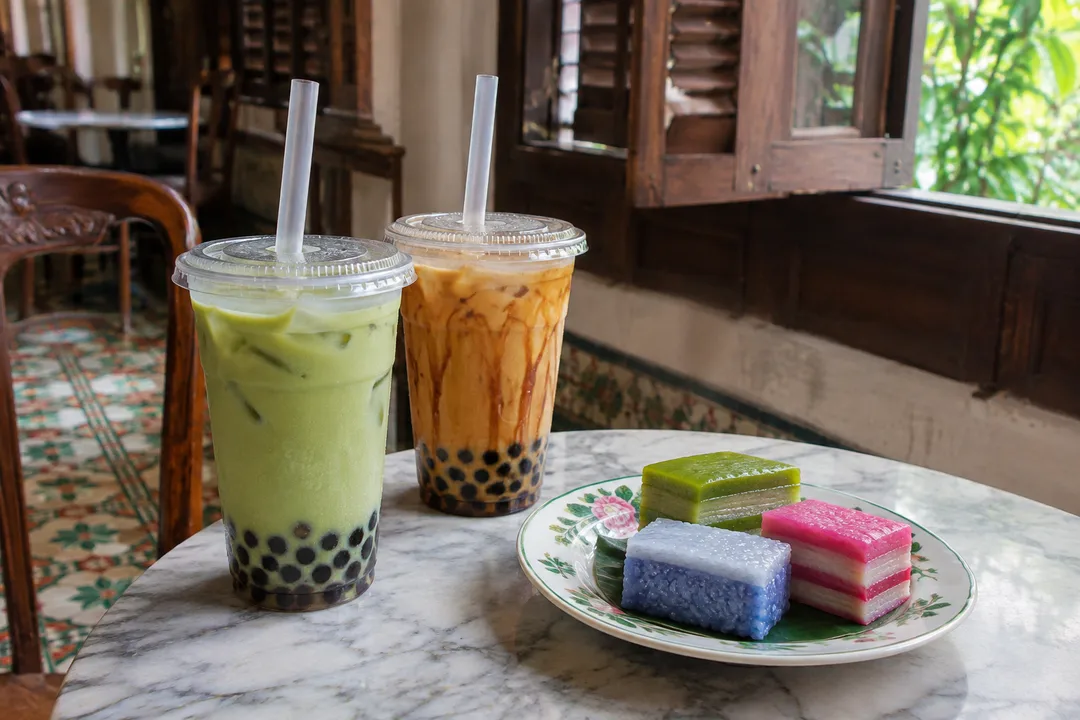
Joo Chiat Bubble Tea Shop Crawl for Pandan and Gula Melaka
Plan a Joo Chiat bubble tea shop crawl around pandan and gula melaka flavours, with kueh to share, shophouse terraces and a pace that suits the eastside heat.
Most bubble tea crawls chase novelty, with each stop promising a stranger topping than the last. Joo Chiat rewards a different kind of curiosity. This corner of the east coast grew up around Peranakan kitchens, kueh makers and family coffee shops, and the flavours that defined those kitchens, pandan and gula melaka above all, have drifted happily into the milk tea cup. A crawl here is a chance to taste how a local sweet tradition meets a Taiwanese drink, while you wander some of the prettiest shophouse streets in Singapore. This planner shows you how to shape the afternoon, who to bring and how to pace it in the heat.
Why Joo Chiat Suits a Flavour-Led Crawl
Joo Chiat sits between Geylang and the old seafront of Katong, and for generations it was where Peranakan families, Eurasian households and Chinese shopkeepers lived side by side. You still see that history in the terrace houses with their glazed tiles and carved timber, and you taste it in the bakeries and kueh counters that line the main road and its side streets. The neighbourhood has never felt like a mall district. It moves at street level, with doors open to the pavement and the smell of coconut and pandan drifting out of kitchens.
That makes it a natural place to slow a bubble tea crawl down. Instead of hopping between chains you could find anywhere, you can build the walk around the flavours that belong to this part of the island. Several cafes here like to riff on pandan, gula melaka, coconut and even durian, and drinking them between old shophouses gives each cup a sense of place. Think of the crawl as a tasting walk with tapioca pearls, rather than a race to tick off shops.
Pandan and Gula Melaka, Explained Over a Cup
Pandan is the long green leaf that perfumes so much of Southeast Asian baking. Its flavour is grassy, a little like vanilla and a little like fresh rice, and in a milk tea it softens the tannin of black tea or sits gently on top of a green tea base. Gula melaka is palm sugar, pressed into dark cylinders and melted into a syrup with a smoky, caramel depth. Where brown sugar boba tastes simply sweet, gula melaka brings a hint of something toasted and almost savoury.
Tasting the two side by side tells you a lot about your own palate. Pandan drinks tend to feel lighter and more fragrant, so they suit the hottest part of the day. Gula melaka drinks are richer and pair beautifully with coconut, so many people save them for a later stop when they want something closer to dessert. If you only remember one tip, order the gula melaka cup at a lower sweetness level than usual, because the palm sugar already carries plenty of flavour on its own.
Who to Bring on This Walk
This crawl works best with one or two companions who enjoy talking about what they taste. A friend who grew up eating kueh at a grandmother's table is the ideal guide, because they will tell you whether the pandan in a drink tastes real or reminds them of a bottled essence. Visitors new to Singapore also love it, since the walk doubles as an easy introduction to Peranakan culture without a museum ticket or a tour group.
Groups larger than four can make the walk feel crowded on narrow five-foot ways, and it becomes hard to share cups when everyone is ordering something different. If you are planning for a bigger party, split into pairs and agree to meet at a coffee shop at the end to compare notes. Children enjoy the colourful kueh and the bright terraces, though younger ones may be happier with one small drink and a snack than with a full lineup of milk teas.
Using Karpo to Plan the Route
Open the Karpo app and describe what you want in plain words. You might say that you are in Joo Chiat on a Saturday afternoon with one friend, that you want to try pandan and gula melaka milk teas rather than the usual brown sugar, that one of you prefers dairy-free options and that you would like a stop for kueh along the way. Karpo uses those details to suggest a shortlist of shops that match the flavours and the mood, and a sensible order to walk them in.
Treat that first plan as a draft. If your friend says they would rather finish near the coast, or that they cannot handle much sugar, tell Karpo and ask for a revised order. You can also save the shortlist so it is ready the next time you are in the east. The aim is simply to spend less time scrolling through maps in the sun and more time actually tasting, chatting and wandering the terraces.
A Three-Stop Shape for the Afternoon
A comfortable crawl here has three stops, spaced out with short walks. Begin with a pandan drink at a lighter sweetness level, ideally in the early afternoon when a fresh, grassy cup feels most welcome. Then wander towards the side streets for a kueh stop, where you can pick up a small box of ondeh ondeh, kueh lapis or kueh salat to share. These sweets are rich with coconut and palm sugar, so they set up the next drink nicely.
Make the second tea stop a gula melaka cup, perhaps with coconut jelly or grass jelly instead of pearls for a change in texture. Finish with something unexpected, such as a durian milk tea if you are feeling brave, or a plain jasmine or oolong tea with no toppings to clean up the palate. Three cups between two people is usually plenty. Sharing keeps the crawl light enough that you still want dinner afterwards.
Walking the Terraces Between Cups
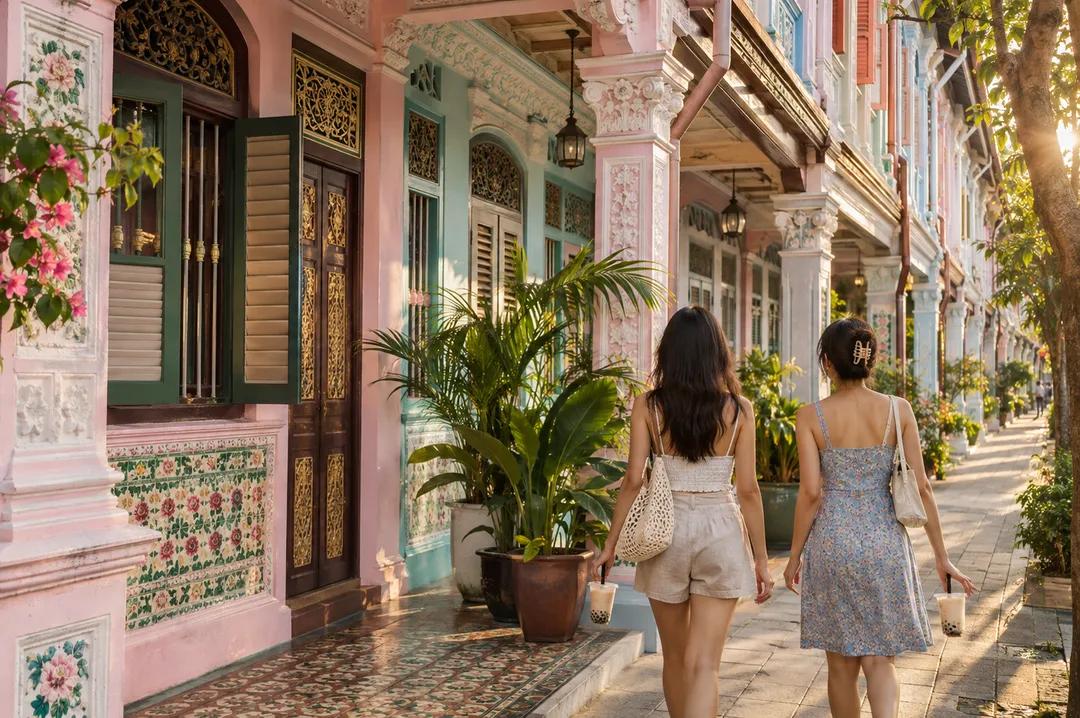
Part of the joy of this crawl lies in the walk. Koon Seng Road is famous for its row of pastel terrace houses with ornate facades, and it is worth a slow detour even if you have seen the photos online. Keep your voice down and stay on the pavement, since these are family homes rather than a film set. The surrounding lanes are full of smaller details too, such as old tiles, painted doors and potted plants climbing up shuttered windows.
Hold your cup well away from the decorative tiles and railings when you stop for pictures, and carry a small bag for empty cups and straws, since bins can be sparse on residential streets. The five-foot ways offer shade between stops, and you can usually cross from one covered stretch to the next without spending long in direct sun. If a sudden shower rolls in, duck into the nearest coffee shop and wait it out over another small cup.
Ordering Tips for Local Flavours
Many shops let you adjust sweetness and ice, and with local flavours that matters more than usual. Pandan can turn cloying if the syrup is heavy, so start at a lower sweetness level and taste before adding more. Ask for less ice if you plan to walk slowly, because a heavily iced cup will dilute long before you reach the next corner. If a menu offers fresh coconut milk instead of dairy, try it in a pandan drink. The pairing feels very close to a classic kueh.
Toppings deserve the same care. Chewy pearls are lovely with gula melaka, while softer toppings like coconut jelly, grass jelly or sago suit pandan better. If you are sharing, order one drink with pearls and one without so you can compare. And if you see a seasonal special built around a local fruit or dessert, consider swapping it in for one of your planned stops, since those often reflect what the cafe is most excited about.
Pacing the Heat and Finishing Well
The eastside afternoon can feel heavy, so plan the crawl for late afternoon when the light softens and the pavement cools. Drink water between cups, wear comfortable shoes for the uneven five-foot ways and do not try to rush. Two hours is enough to enjoy three stops, a kueh break and a leisurely stroll past the terraces without feeling overloaded with sugar.
When you are done, you can end the walk in several ways. Some people head south towards Katong for an early bowl of laksa, letting something savoury balance the sweetness of the afternoon. Others walk down to East Coast Park to watch the ships on the horizon as the evening breeze picks up. Either way, tell Karpo what you liked and what you would skip next time, so your next crawl, here or anywhere else in Singapore, starts from a better plan.
Ask Karpo for more information.
Keep reading
- Geylang Serai Chendol Dessert Crawl: Market Bowls to Pick
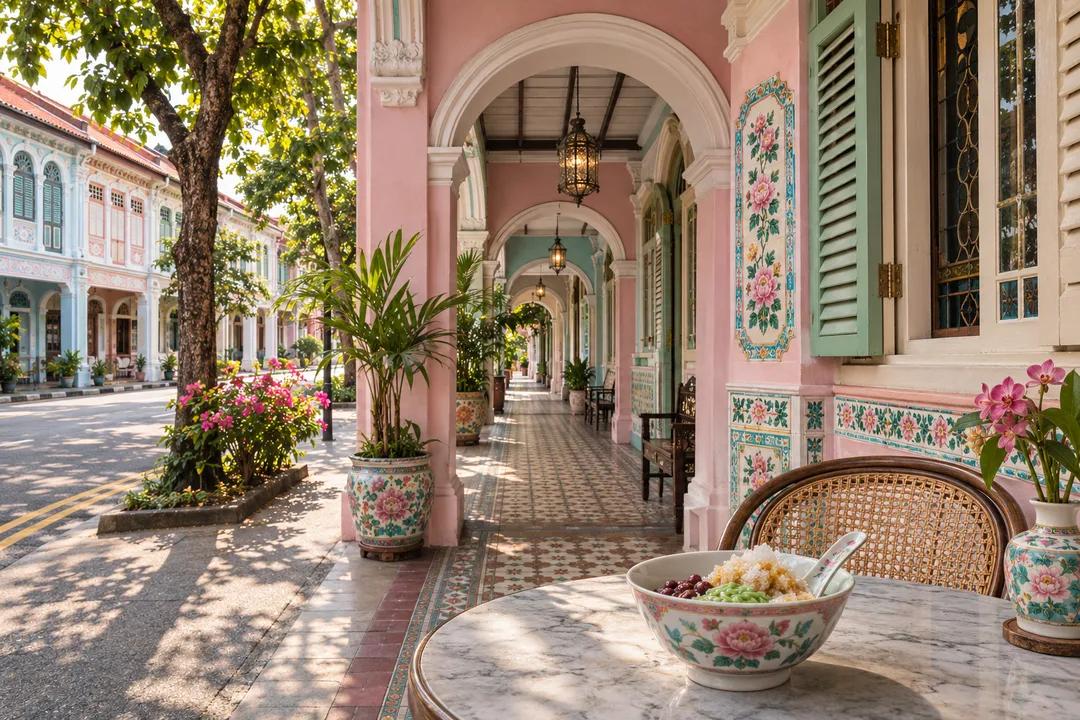 Katong Chendol Dessert Crawl: Peranakan Bowls Worth a Walk
 Chinatown Chendol Dessert Crawl: Hawker Rows and Tea Lanes