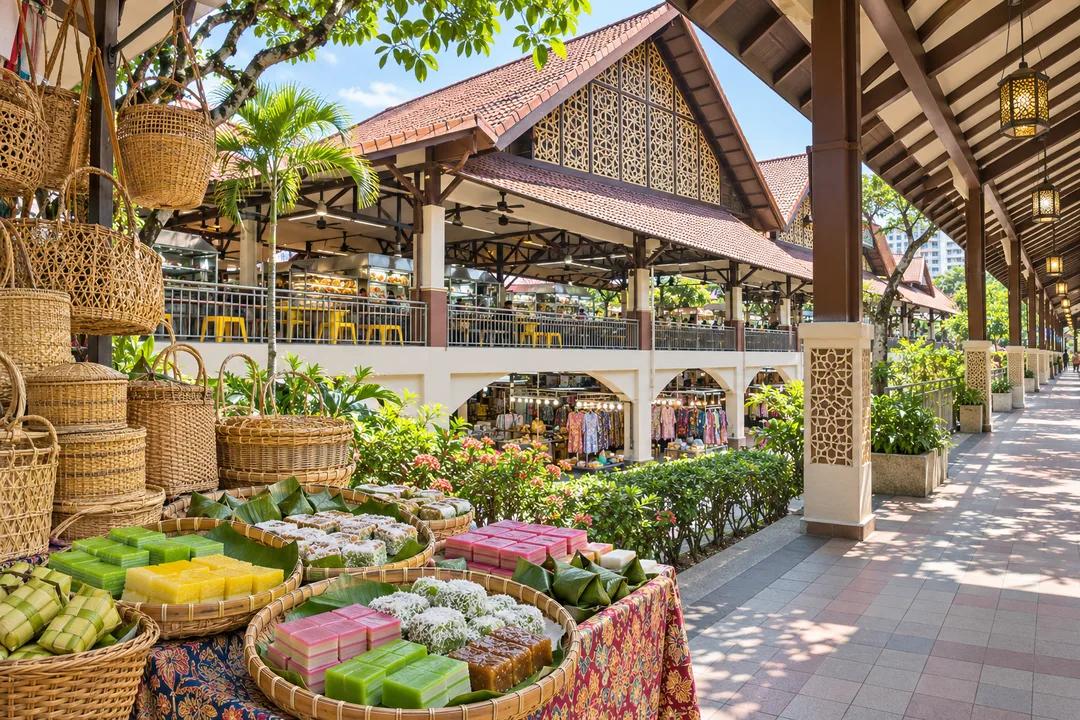
 Geylang Serai Chendol Dessert Crawl: Market Bowls to Pick
Coffee & Dessert
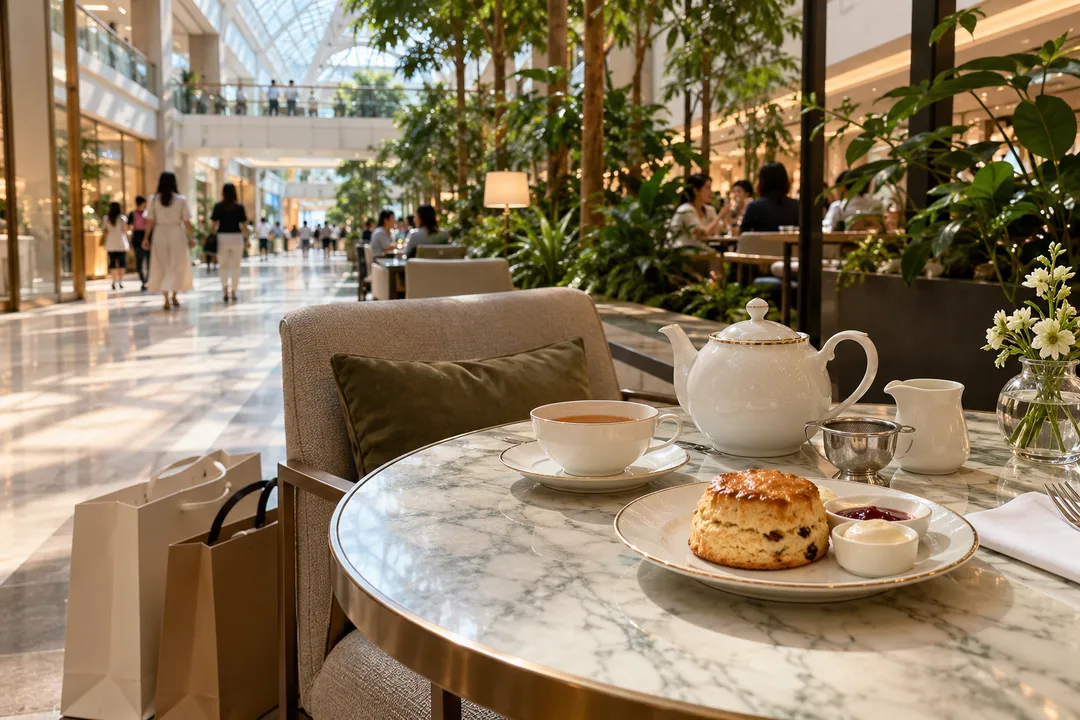
Singapore Afternoon Tea Shortlist Builder: 3 Shopping Pauses
Add tea to a Singapore shopping afternoon by choosing where bags go, how much time to keep and which meal format fits before comparing possible stops.
Tea can give a shopping afternoon a comfortable midpoint, provided the stop does not create another complicated errand. For a Singapore afternoon tea shortlist builder request, describe where the shopping begins, what you will be carrying and how much of the day you want to keep free. Ask Karpo APP for relevant ideas using that brief. Compare suitable candidates as a proper meal, a short rest or a final stop before going home, then use the venue's own details to choose.
Decide where the bags belong
Think about what you expect to carry by the time tea begins. A few light purchases create a different visit from several bulky bags. Consider whether you can return them to your starting point first or simplify the shopping plan. Do not assume a café can store belongings, provide an extra chair or accommodate a large item beside the table. Ask the venue about an important practical need before reserving.
A clear discovery request might say: “I am planning tea during a Singapore shopping afternoon with one friend. We want to sit comfortably near the area we are already using and keep the journey simple. Compare a full tea with a smaller break, and prioritise the meal format rather than a famous name.” Add the actual area, date and budget. Treat the results as suggestions to investigate rather than proof of space for you or your bags.
Pause one replaces a meal
A full afternoon tea can be the planned break between two parts of the shopping day. Choose it because you want the food and the occasion, then make room for it in the schedule. Read the menu to understand the balance of savouries and sweets and the serving unit. If the party expects tea to replace lunch, the actual food matters more than the presentation of the stand.
Set a point at which the shopping stops, even if there are stores left to visit. A reservation becomes stressful when every purchase is treated as one last errand before the table. Agree that unfinished browsing can wait or be dropped. The tea is part of the afternoon you arranged, not an obstacle that should be rushed through because an optional shop took longer than expected.
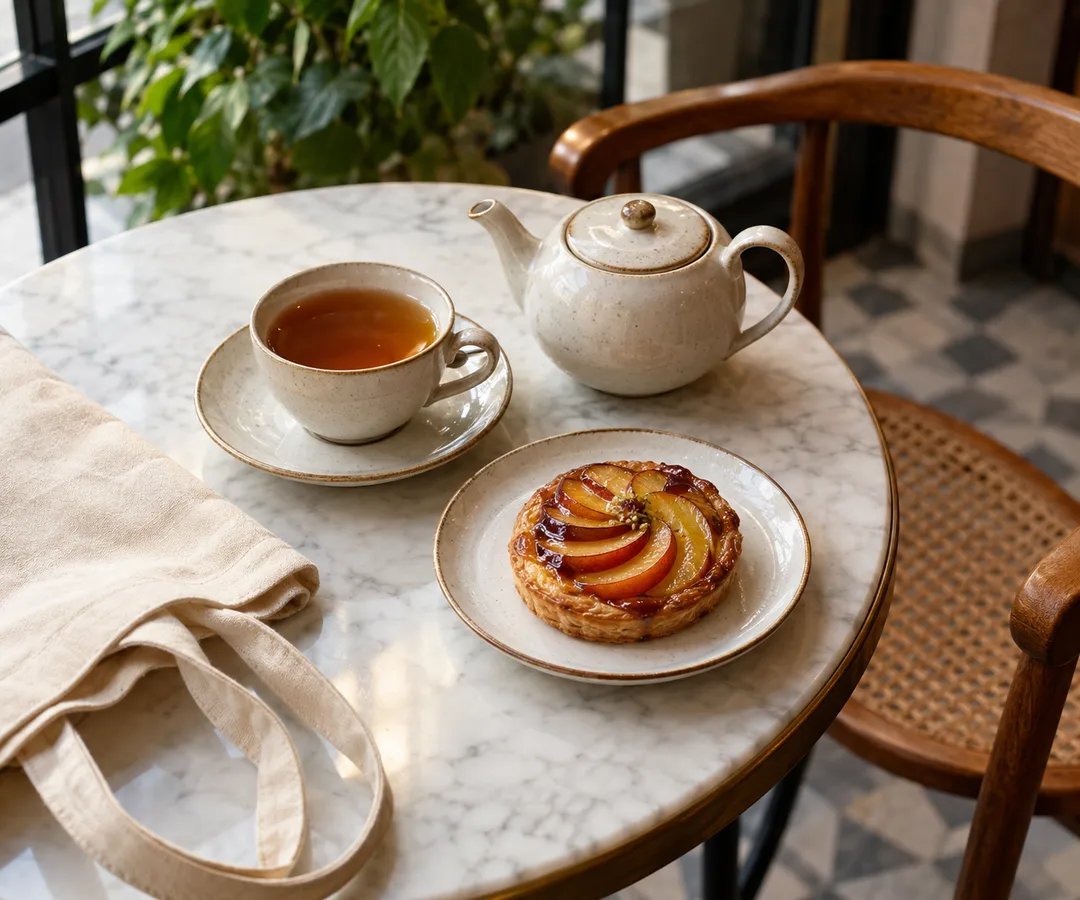
Pause two is a short rest with a smaller order
If the purpose is to sit down and recover some energy, ask for café-style tea and a snack rather than a complete service. Make that distinction explicit in the request. You may want one pastry, a savoury plate or simply the drink the venue offers. There is no benefit in ordering an elaborate meal because the phrase “afternoon tea” sounds more appropriate for the break.
Look at how the candidate handles arrival and ordering. A counter-service café and a reserved dining room involve different expectations. Use the venue's stated process and keep another convenient option in mind if it cannot accommodate the party. Do not organise a short pause around an assumed vacant table. The fallback should be close enough to preserve the purpose of resting rather than adding another long stretch of walking.
Pause three ends the outing
Tea can also be the final destination after shopping, giving the afternoon a clear finish. In that case, compare the route home as part of the choice. Ask for ideas that fit the area you can leave from comfortably, especially if you will be carrying purchases. The venue does not need to be inside the last shopping building if another location creates a simpler overall journey.
Decide whether there is anything you must collect before leaving. A forgotten parcel or a purchase waiting elsewhere can undo the convenience of the final stop. Put that collection before tea if possible, or choose a route that includes it naturally. The useful plan accounts for the actual sequence of the afternoon rather than drawing a neat line between the shops and café while leaving an errand out.
Give the body a break as well as the timetable
Ask your companion what makes a seated pause comfortable. They may prefer a conventional chair, a table that is easy to reach or a shorter walk from the entrance. Describe those needs when looking for candidates and ask the venue about anything essential. A room photograph can suggest a seating style but cannot establish the table the booking will receive or the route every guest must take to reach it.
Avoid choosing solely by the smallest map distance. A nearby venue with an awkward approach can be less useful than another with clear directions and an easier arrival. Read the access information associated with the actual location. If step-free access matters, get the appropriate entrance instructions from the venue. Do not assume that every route through a large building uses the same lifts, doors or level changes.
Match the order to the next part of the day
Consider when the group plans to eat again. A substantial set before an early dinner may be more food than you want, while one pastry may not satisfy guests who have skipped lunch. Ask about appetite before selecting the menu. The right size of stop can make the afternoon feel comfortable without leaving the party either hungry or committed to food they no longer enjoy eating.
Compare the stated price of the order you intend to make, including any drinks outside a set. Keep personal extras separate so the group understands the spending agreement. If one person wants a full service and the other a small snack, establish whether the venue's format allows those different orders. A general restaurant menu does not tell you the conditions attached to a particular afternoon tea booking.
Use one refinement instead of collecting more places
Karpo's public workflow invites mood, budget, neighbourhood and companion details in the request. If the suggestions available in your session seem too elaborate, explain that the purpose is a short seated break near the shopping route. If they are too small for the meal you want, say that savoury food and a full service are important. A targeted follow-up can address the actual mismatch without turning the search into a growing list.
The published FAQ also describes saving and sharing picks and comparing options with friends. Use relevant picks to ask your companion a clear question: a full meal midway through the day or a smaller stop before leaving? That decision often matters more than which room photographs they like. Once the format is settled, choose the candidate whose menu and route fit it most naturally.
Practical Notes for the shopping afternoon
Keep the reservation, the named service and the arrival target together with any accepted access or belongings arrangement. Use the venue's own booking process and retain its confirmation. If the shopping schedule changes, decide what can be shortened while respecting the reservation terms. A saved recommendation is useful planning material, but it does not cancel a booking or change its time when the afternoon runs differently.
My recommendation is to skip the distant destination tea when the point of this outing is an easy break from shopping. Save that room for a day built around it. Enter the brief in Karpo APP, compare relevant ideas and settle the venue details directly. Your tea stop should make the afternoon easier to enjoy, with enough time to sit down and a straightforward way to continue or go home afterward.
Ask Karpo for more information.
Keep reading
- Geylang Serai Chendol Dessert Crawl: Market Bowls to Pick
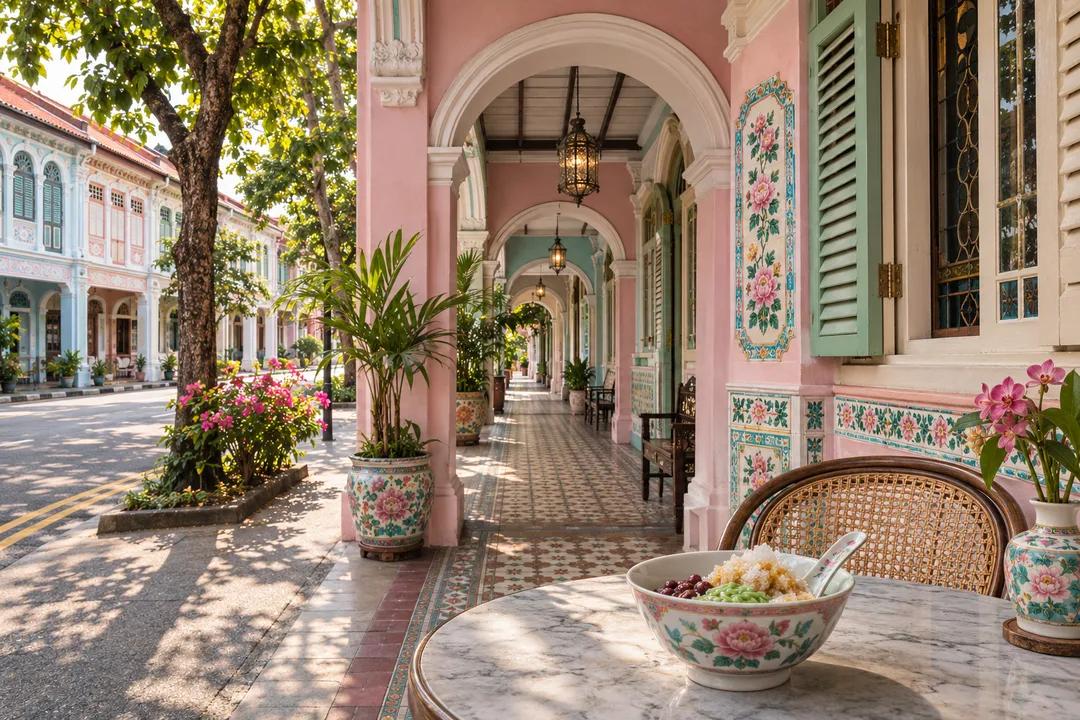 Katong Chendol Dessert Crawl: Peranakan Bowls Worth a Walk
 Chinatown Chendol Dessert Crawl: Hawker Rows and Tea Lanes