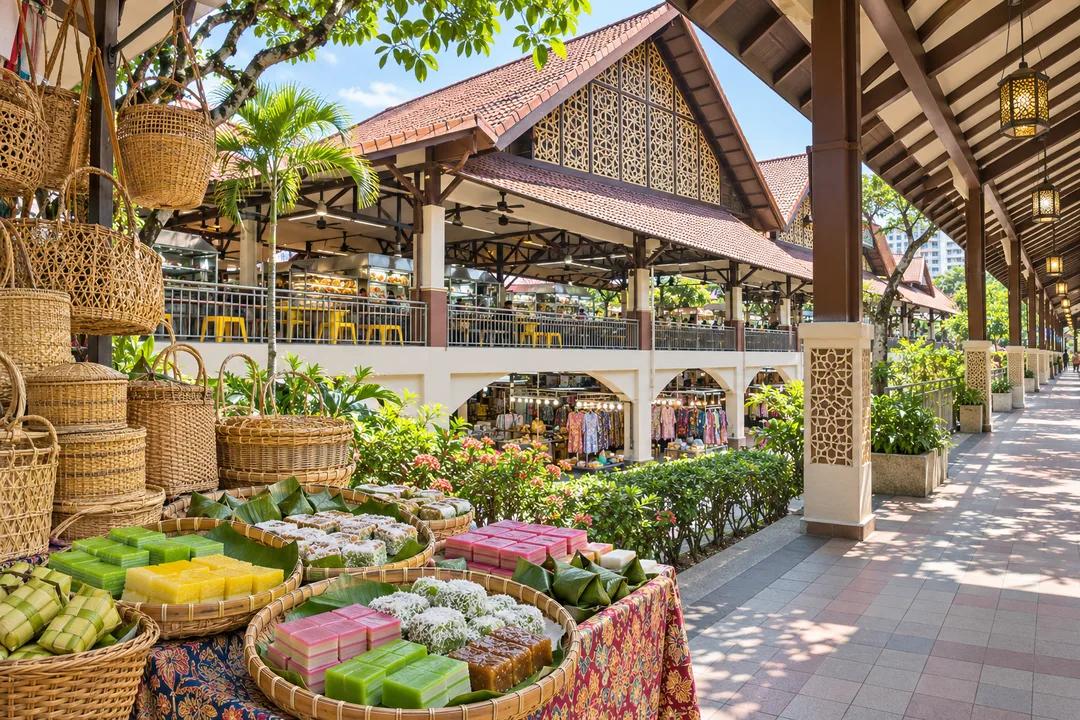
 Geylang Serai Chendol Dessert Crawl: Market Bowls to Pick
Coffee & Dessert
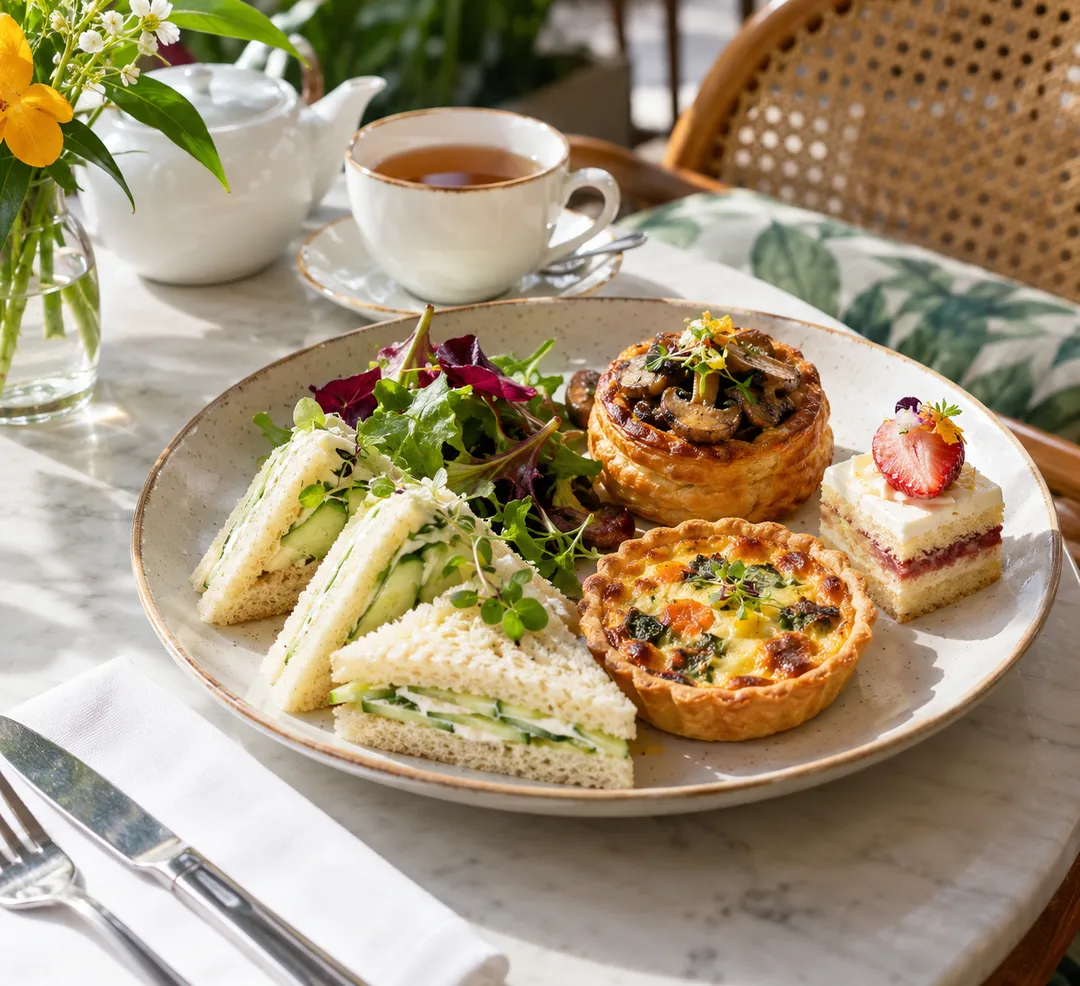
Singapore Afternoon Tea Shortlist Builder: 3 Savoury Tests
Choose Singapore tea as a meal by comparing savoury balance, serving size and drinks, then decide whether a full set or a café lunch fits your appetite.
If tea is replacing lunch, choose the savoury food before falling for the cakes. Build a Singapore afternoon tea shortlist around what you want to eat, then use three tests: the balance of the menu, the portion described per guest and the way the service fits the day. In Karpo APP, state Singapore as the destination and ask for relevant ideas. Use any suitable picks returned as candidates for a closer menu comparison rather than treating a recommendation as a confirmed offer.
Explain why lunch is moving
Perhaps the group is meeting too late for an ordinary lunch, or you want one substantial meal before an evening activity. That purpose changes the search. A delicate sweet service can be enjoyable but still leave you looking for food afterward. Tell the planning conversation that savouries are essential and that tea is intended to be the meal. Do not rely on the broad phrase “good value” to communicate hunger.
A useful request is: “I am considering afternoon tea in Singapore as a late lunch for two adults. Suggest ideas to investigate, prioritising savoury food and a proper place to sit together. We would rather have fewer sweets than a large dessert display.” Add the area and spending target. You are describing a preference, not asserting that every tea venue has a savoury version or that the app can guarantee a particular menu.
Test the balance before counting the items
Read the actual menu attached to the candidate. Separate savoury items from scones, pastries and other sweets in your own note. A list with many components can still be dominated by dessert. Look for a description that lets you picture the meal rather than counting decorative elements as equal portions. A garnish, a tiny sweet and a sandwich do not necessarily contribute the same thing to the experience.
Decide which foods make the meal satisfying for you. One person may want sandwiches, another warm pastry or a more substantial savoury plate. There is no universal correct ratio. Ask each guest what they would miss, then use that as a criterion when refining the search. This avoids choosing an impressive stand only to discover that everyone had a different idea of what “enough savoury food” meant.
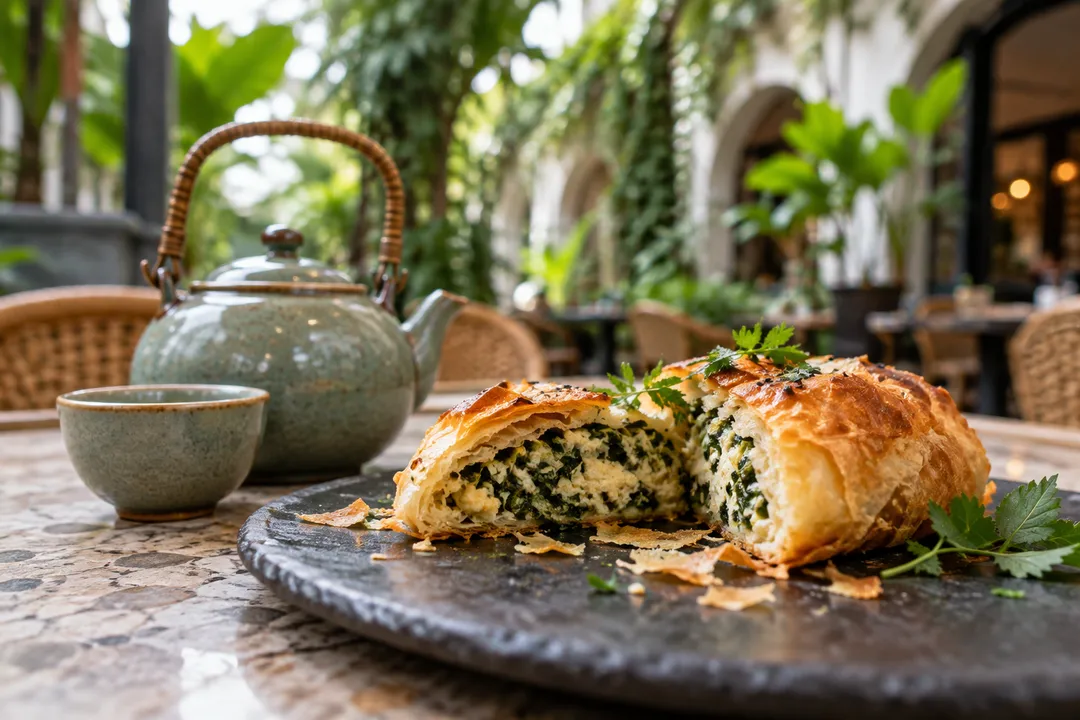
Read the portion unit carefully
A menu may describe a set for one, a stand for two or items that are ordered separately. Keep the stated unit next to the price in your comparison. Do not assume that a photograph of a full table represents what each person receives. The venue's wording determines the offer you are considering. If the description leaves the serving unit unclear, make that the first question in your enquiry.
Treat refill language with the same care. A generous-looking display does not prove that additional sandwiches are included, and a mention of extra servings may apply only to a particular course. Use the terms attached to the named service. If your group expects more food than the set describes, compare the cost and availability of the appropriate additions or choose a different meal format that already matches the appetite.
Consider a savoury meal followed by tea
You do not have to force every outing into a tiered afternoon tea. A café lunch with a pot afterward may satisfy the group more directly. Ask for that as a separate alternative if it fits the purpose of meeting. Keep the two products distinct in your note: one is a set tea service, while the other is a meal assembled from a menu. Compare them according to what you intend to order.
My recommendation is to choose the ordinary lunch when the sweet course is something most guests would leave behind. A smaller dessert display is not a loss if you came for food and conversation. Conversely, if the complete tea ritual is the occasion, keep it and choose the most suitable version. The useful decision is about the experience the group wants, not about which name sounds more special.
Put drinks beside the food comparison
Think about what you want to drink during the meal. A pot of tea may be part of the set, while other drinks can sit outside it. Read the inclusions rather than assuming that every guest can choose anything from the wider drinks list. If one person wants an infusion or another option, give that preference a place in the plan before the group chooses on food alone.
You can use Karpo's conversational approach to refine the brief in ordinary language. Its how-it-works page invites mood, budget, neighbourhood and companion details. Describe the meal you want to have and the drinks your party enjoys. Treat the resulting conversation as discovery support. The venue's current menu and the service you reserve establish what is actually included, so keep those documents at the centre of the final comparison.
Make the dietary alternative a full meal too
A vegetarian or other alternative set should be evaluated against the same appetite. Do not judge it only by whether it exists. Look at the savouries and ask whether the guest would want to eat that meal. Where allergies are involved, the affected person and venue need a direct conversation about the specific requirement and kitchen handling. A recommendation cannot establish suitability for an individual guest.
Avoid selecting the standard menu first and then asking the remaining guest to improvise. Put the essential menu needs into the initial request, narrow the candidates accordingly and compare the actual alternatives side by side. If one person's meal falls far short of the group's purpose, remove that candidate. The strongest shared choice lets everyone arrive expecting lunch rather than leaving somebody to find another meal afterward.
Keep the rest of the food day sensible
Place the tea between the meals you actually plan to eat. If it is replacing lunch, avoid scheduling a second lunch immediately before it. If dinner is soon afterward, consider whether a smaller service would fit better. These are your own appetite and timetable decisions, not statements about a city's customary meal hours. Give the party a clear invitation so they know whether to eat beforehand.
If two suggestions survive, share the decision in terms of the meal. The save-and-share functions described in Karpo’s FAQ can support the discussion about which meal to choose. Where that is available for the candidates in your session, use it to ask whether the group prefers the full tea or the more savoury alternative. Add the menu link in your own discussion so people can decide from the food they would actually order.
Practical Notes for a savoury-led booking
Finish with the named service, the serving unit, the intended meal role and each guest's menu requirement. Read the selected venue's booking conditions and complete the reservation through its own process. Keep the confirmation as the record of the arrangement. If the first option cannot accommodate the party, use a backup that also satisfies the savoury requirement rather than replacing lunch with the first available dessert set.
Begin the search with appetite, compare the balance and portion description, and decide whether a set tea or a café meal fits better. Karpo APP can be the place to express that discovery request and organise relevant picks. The final choice should answer a simple practical question: will this be the afternoon meal the group actually wants to sit down and eat?
Ask Karpo for more information.
Keep reading
- Geylang Serai Chendol Dessert Crawl: Market Bowls to Pick
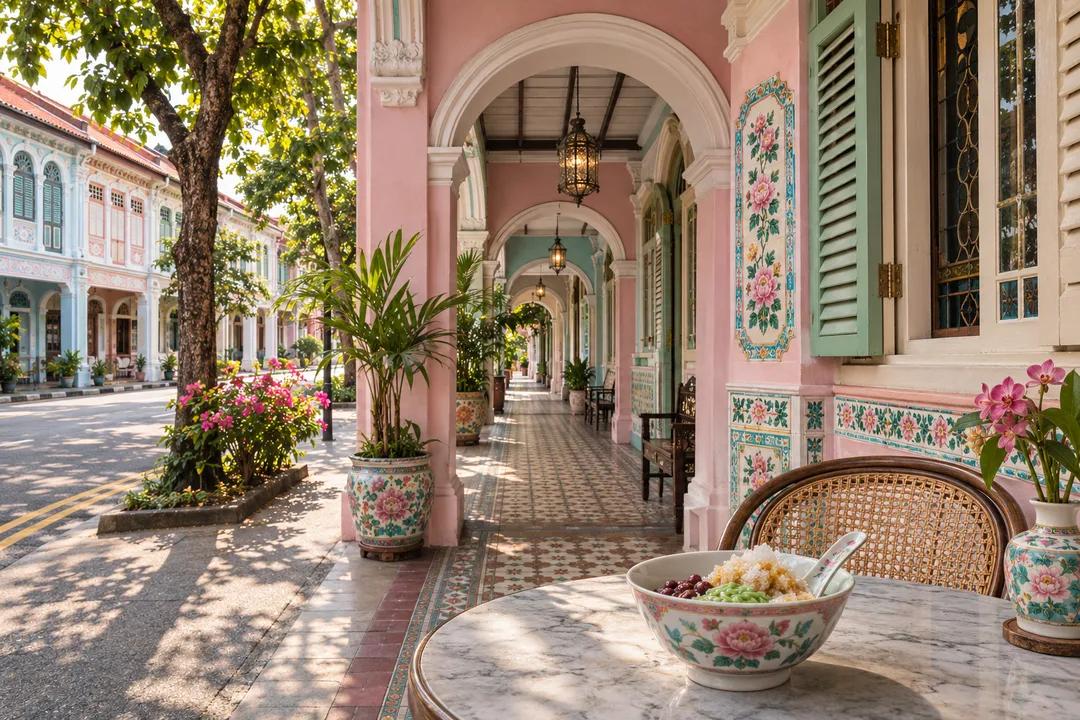 Katong Chendol Dessert Crawl: Peranakan Bowls Worth a Walk
 Chinatown Chendol Dessert Crawl: Hawker Rows and Tea Lanes