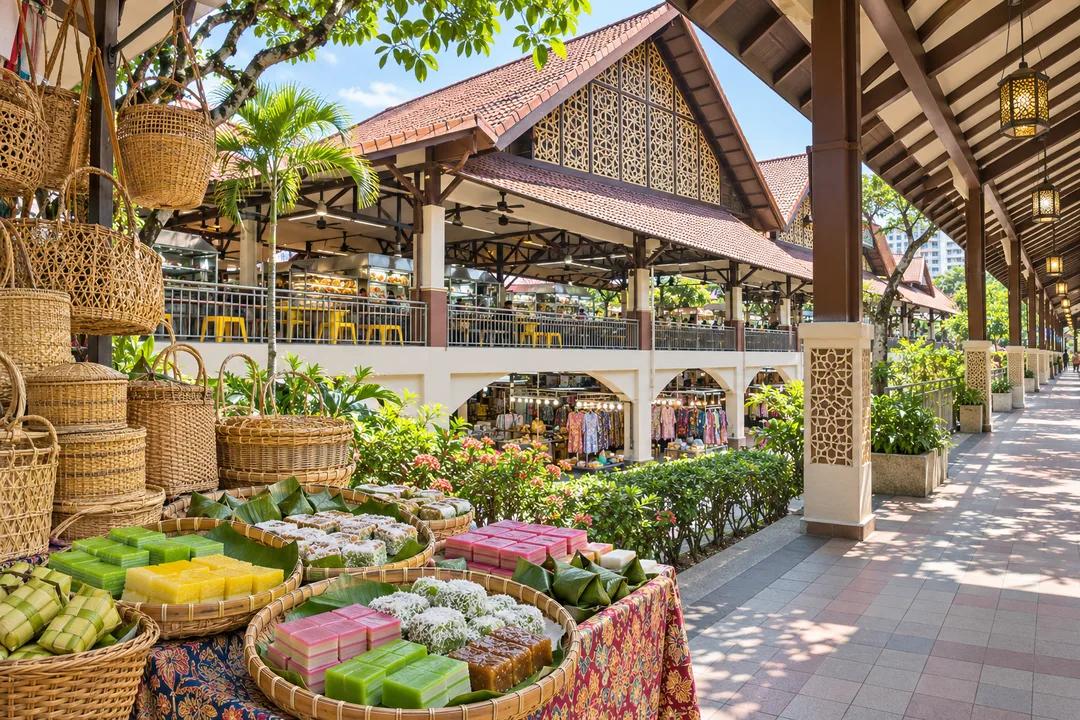
 Geylang Serai Chendol Dessert Crawl: Market Bowls to Pick
Coffee & Dessert
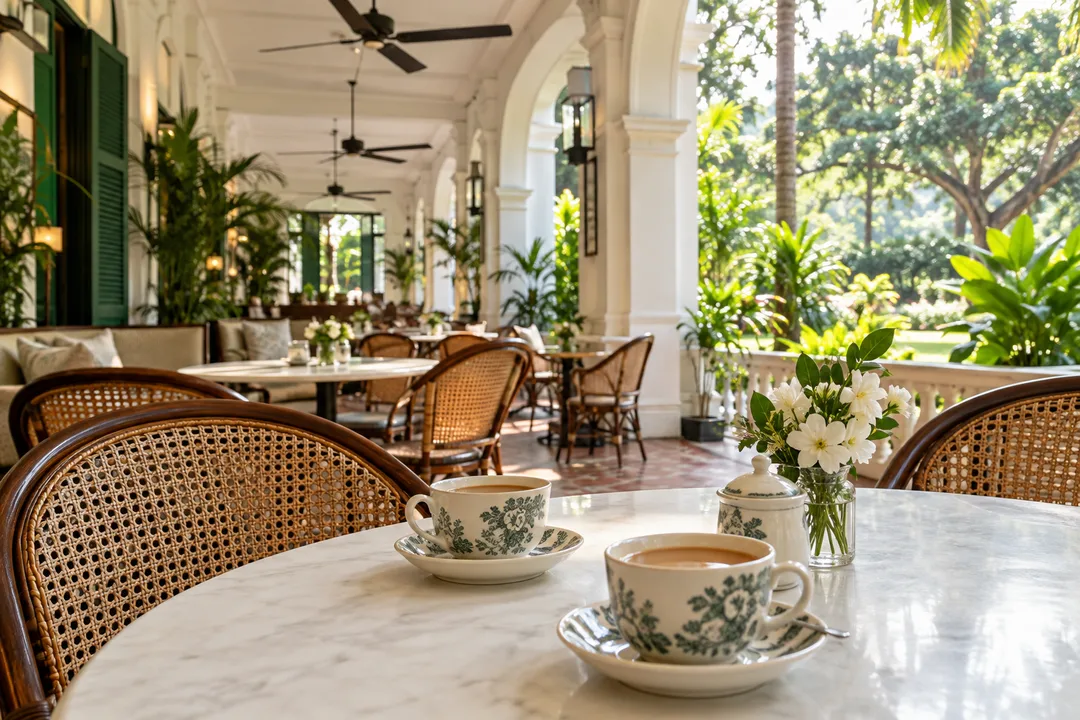
Singapore Afternoon Tea Shortlist Builder: 3 Hosting Choices
Host visitors over tea in Singapore by choosing the meeting area, explaining the meal and sharing a small shortlist before the venue booking step.
Inviting visitors to tea is easier when they can picture the afternoon you mean. A Singapore afternoon tea shortlist builder request should explain the guests, the meeting area and whether tea is the main event or a pause in their sightseeing. Use Karpo APP to ask for ideas in the destination you name, then work with relevant results as candidates. The host's next job is to translate those possibilities into a clear invitation and a booking the guests understand.
Ask what the visitor hopes to do
Do not assume that a visitor wants the most formal room simply because they are away from home. They may prefer a conversation with their host, an interesting tea list or a familiar style of food after a busy day. Ask what would make the meeting enjoyable. The answer can save you from organising a complicated occasion for someone who mainly wants a comfortable place to catch up.
Consider how the meeting fits their trip. Somebody arriving after several activities may want a shorter pause, while a guest with a free afternoon might enjoy making tea the central event. Request ideas using those preferences and the actual party size. Karpo's published workflow invites mood, budget, neighbourhood and companion details. Use that flexibility to describe the people you are hosting, without treating the app as a guarantee of local inventory or a reservation.
Hosting choice one keeps everyone near the visitor
If your guest is unfamiliar with the city, a meeting near their starting point may make the invitation easier. Ask for suggestions in the area they can reach comfortably and explain that a straightforward arrival matters. Do not rely only on a neighbourhood name. Once you have a candidate, read its own location and access information so you can give the visitor a practical destination rather than a broad district to navigate.
Send the venue name and the specific entrance instructions it provides, along with the booking name if you have reserved. Agree whether you will meet outside or at the table. If the visitor prefers to travel with you, choose a meeting point you both recognise. A short message with a clear plan is more hospitable than expecting a guest to reconstruct the route from several forwarded links while they are already on their way.

Hosting choice two introduces a different setting
You may want the tea to take the visitor somewhere beyond the area they already know. Explain what you hope that adds: a calmer setting, a different part of the afternoon or a room they would enjoy. Ask for ideas that support that purpose. Avoid presenting the outing as an essential local experience unless you have a reason to make that claim. It is enough to choose something thoughtful that suits the guest.
Compare the journey with the time you will spend at the table. If the destination requires more travelling than the visitor wants, keep it for another occasion. My recommendation is to skip the elaborate detour when it leaves little time for the meeting itself. The room is one part of hosting, and it should help the shared afternoon rather than consume it before anyone has poured the tea.
Hosting choice three makes tea a smaller pause
A visitor with an active itinerary may appreciate tea and a pastry more than a complete service. Describe that as a café stop when requesting suggestions. A smaller order can leave room for the rest of the day and for another meal later. Keep the invitation precise so the guest does not eat lunch expecting a snack and then arrive to find that you have booked a substantial set.
Choose a pause along the route you are already taking together. Decide which activity can be shortened if the conversation runs longer than expected, while respecting any fixed reservation. A relaxed invitation needs that flexibility. Do not promise that a café will let the group stay indefinitely or that a formal sitting can be extended. The service format and venue's terms determine the arrangement you are choosing.
Explain the menu without making the visitor do homework
Send the named menu associated with the suggestion and tell the guest what kind of meal you intend. You might say that it includes savoury and sweet courses, or that you are planning to order a smaller snack individually, provided the menu actually supports that description. Read the serving unit yourself before sharing it. A set for two and a per-person service can create different expectations about what each guest receives.
Ask about dietary requirements privately and early. If the guest needs an alternative menu, compare that offer alongside the standard one. For allergies, let the affected person and venue discuss the specific requirement and kitchen handling. Hosting does not mean deciding on somebody else's behalf that a substitution will be safe. Keep the practical menu arrangement with the booking so it does not depend on remembering an earlier conversation at the door.
Make the spending arrangement comfortable
An invitation can leave the guest unsure whether the host is treating or simply organising. Clarify that before asking them to choose between menus with very different costs. If everyone pays their own way, agree on a spending limit and compare the full order, including the additions people expect to buy. If you are treating, still ask about the kind of occasion they would enjoy rather than assuming a higher spend makes it a better invitation.
Use the venue's stated price and charging unit for the service under consideration. Keep supplements and special arrangements separate. Avoid sending a headline price that excludes the things you already intend to order. The useful figure is the cost of the afternoon you are actually proposing. That allows a visitor to accept the invitation without discovering a different financial expectation when the bill arrives.
Let two options carry the conversation
Karpo’s FAQ explains that people can keep picks, send them to friends and compare possible outings together. Where relevant candidates are available in your session, use that to present a small choice with one clear difference. For example, the visitor can choose between staying near their starting point and visiting a different area with you. Give the reason for each option rather than asking them to rank unfamiliar venue names.
Once the guest has answered, stop collecting suggestions and complete the practical work. Use the chosen venue's own booking process, select the service and party size, and retain its confirmation. A pick you shared is still an idea until the reservation is accepted. If the preferred option cannot accommodate the meeting, offer the runner-up with a brief explanation of how it changes the plan.
Practical Notes for the host
The final invitation should state the date, arrival target, location, meal format and payment arrangement. Include an easy way for the visitor to contact you and any accepted access or menu detail they need. Keep the day around tea simple enough that the guest can enjoy the visit without feeling they must keep up with a schedule designed around somebody else's habits.
Start in Karpo APP by describing the people you are welcoming and the kind of afternoon they would enjoy. Compare the relevant ideas, explain the meal and journey, and reserve through the venue when the invitation is settled. The shortlist has served its purpose when the visitor knows what they are joining and can spend the time enjoying your company instead of decoding the plan.
Ask Karpo for more information.
Keep reading
- Geylang Serai Chendol Dessert Crawl: Market Bowls to Pick
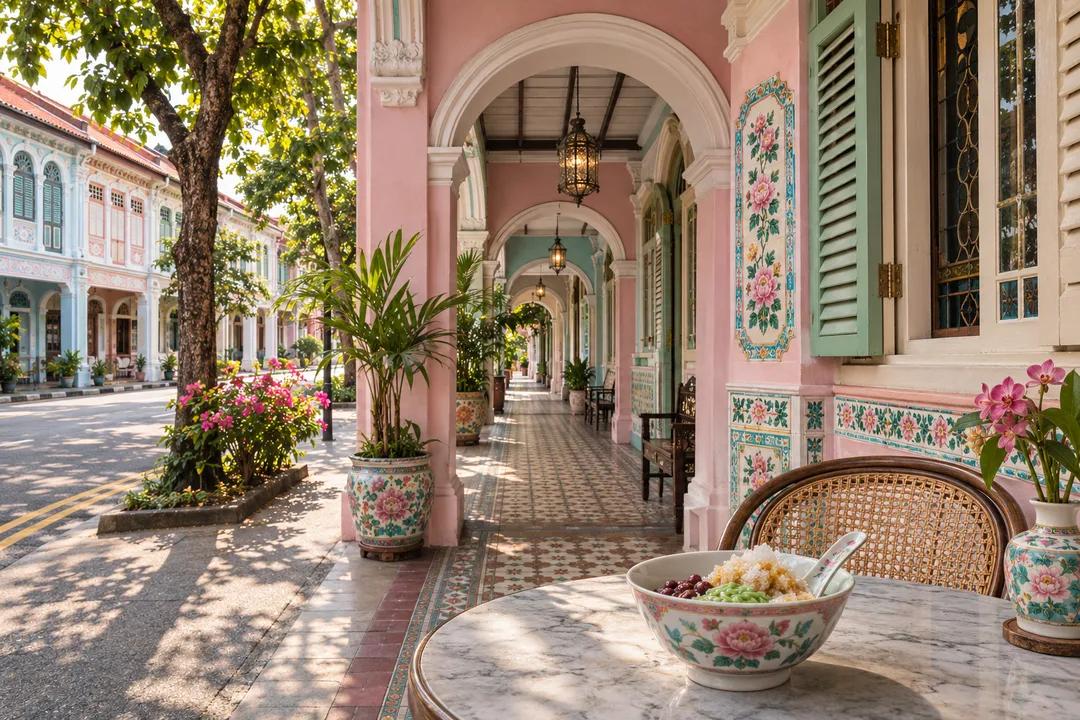 Katong Chendol Dessert Crawl: Peranakan Bowls Worth a Walk
 Chinatown Chendol Dessert Crawl: Hawker Rows and Tea Lanes