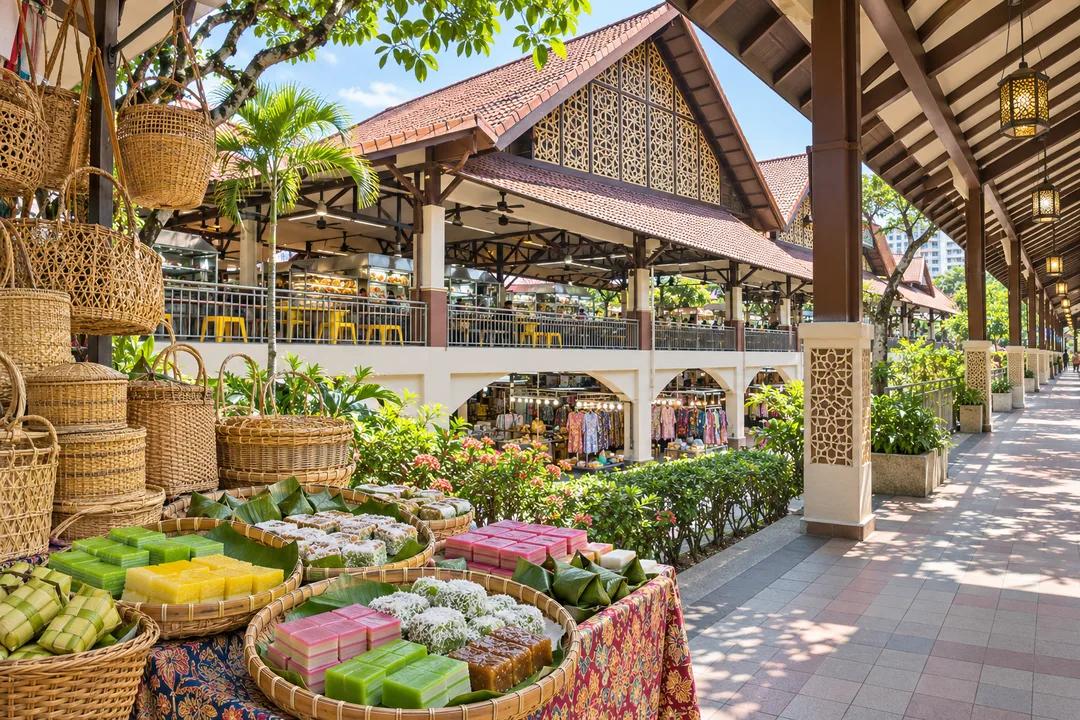
 Geylang Serai Chendol Dessert Crawl: Market Bowls to Pick
Coffee & Dessert
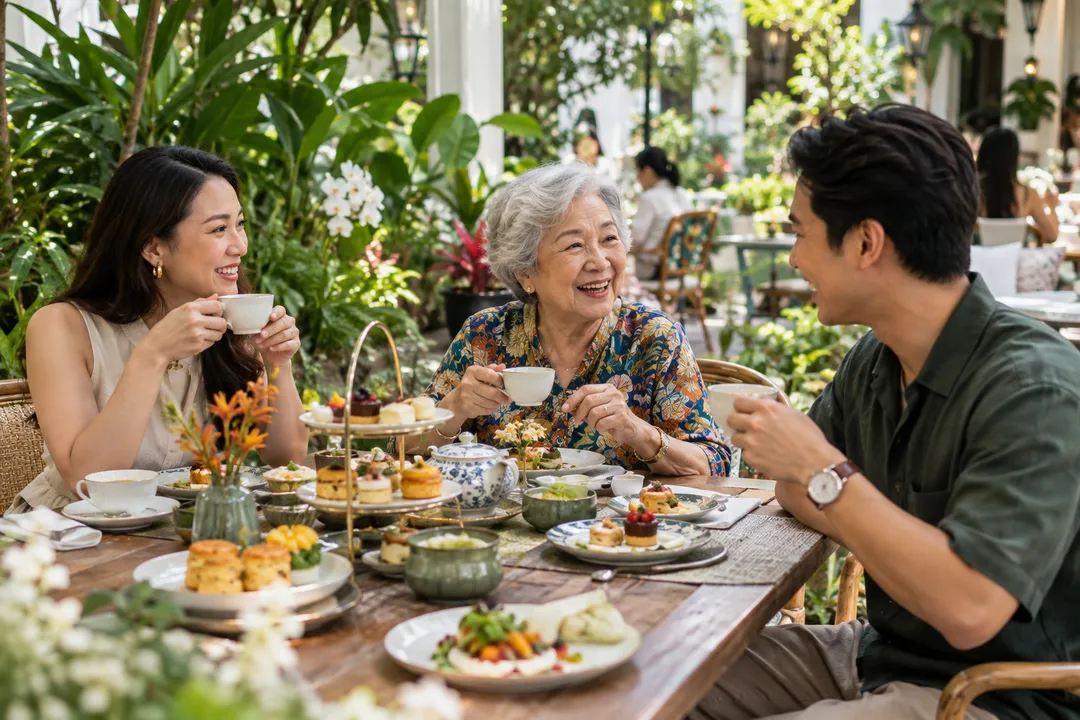
Singapore Afternoon Tea Shortlist Builder: 3 Family Needs
Build a Singapore family tea plan around seating, different appetites and travel needs, then compare a small number of options before reserving together.
A family tea works when the least flexible guest can enjoy it comfortably. For a Singapore afternoon tea shortlist builder request, begin with three things: how everyone will sit, what they want to eat and how they will arrive. Put those needs into a discovery message in Karpo APP, naming Singapore and the area you are considering. Use relevant suggestions as candidates, then choose through the actual menus and access information supplied by the venues.
Ask the family what makes the visit easy
Do not make age a substitute for asking a person what they need. One older guest may enjoy an elaborate service, while another prefers a shorter meal and an ordinary dining chair. Younger adults can have their own access or dietary needs. Describe the practical arrangement rather than assuming the group wants the same thing. The person affected should have a voice in the decision before the rest of the family chooses a room.
A useful request might say: “I am planning afternoon tea in Singapore for three adult family members. We need comfortable upright seating, a manageable journey and menus that suit different appetites. Suggest ideas to investigate around our preferred area.” Add the date and spending agreement. This explains the planning task without claiming that the app has inspected seating, measured entrances or guaranteed that a table can accommodate a requirement.
Need one is a table everyone can use
Look at seating as part of the meal. Low lounge tables and deep armchairs can be attractive, but they create a different way of eating from a conventional dining table. Think about reaching the food, placing a cup down and moving in and out of the seat. Ask the guest which arrangement they prefer. A clear preference can eliminate an unsuitable candidate before you spend time comparing decorative details.
Photographs help you identify questions but do not reserve the table shown. Where a particular chair or layout is essential, contact the venue about the intended service and party size. Keep its response with the booking. Do not assume that the presence of one accessible-looking table establishes the arrangement available for your reservation. The accepted request, rather than the general image of the room, should guide the final plan.
Need two is food each person wants
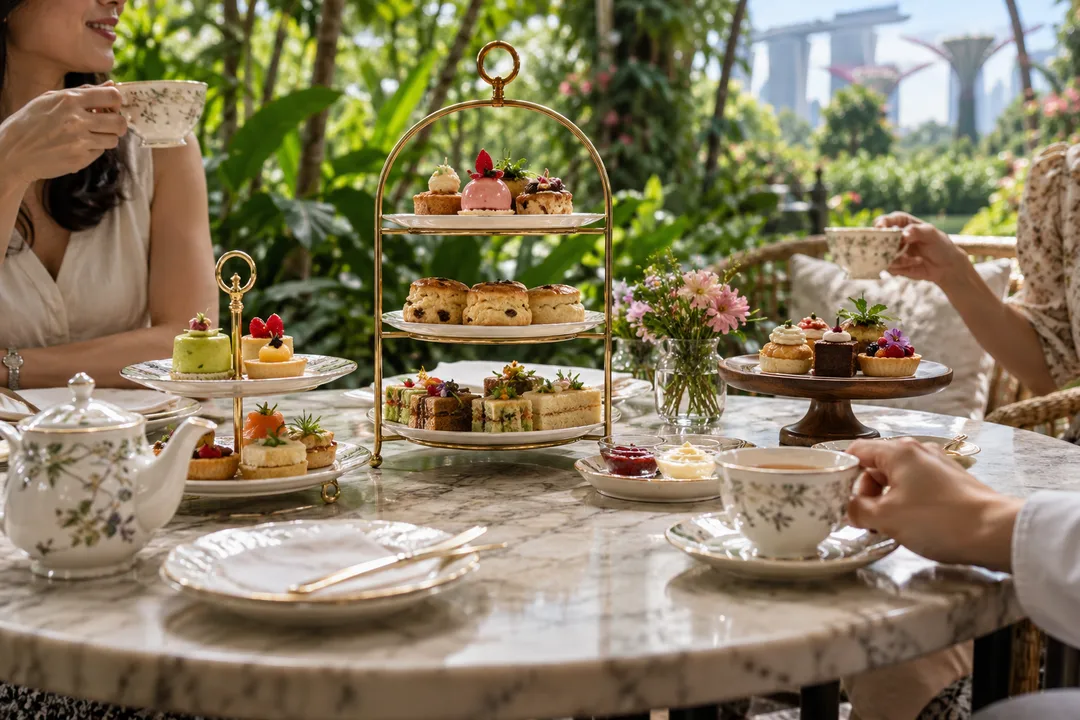
Different appetites can matter as much as different menus. A full afternoon tea might suit one guest as a meal, while another wants just a small snack. Read how the service is sold and whether the intended orders can be combined at one table. A broad café menu does not automatically establish flexibility within a named afternoon tea service, particularly when the booking is for a specific set.
Ask each guest what kind of food they hope to eat. Savouries, scones and elaborate desserts are distinct attractions. Avoid assuming that everybody wants the same balance because they agreed to tea. Compare any alternative menu alongside the standard offer so nobody's meal becomes an afterthought. For allergies, the guest concerned and venue should discuss the actual requirement and preparation questions directly before the family commits.
Need three is a manageable arrival
Start the route comparison with the person whose journey is most constrained. They may need a direct connection, a shorter walk or a particular entrance. Ask for ideas in an area that supports that journey rather than using the organiser's convenience as the default. Then read the candidate's own directions and use the transport information appropriate to the trip. A neighbourhood label alone is not an arrival plan.
If step-free access is essential, get directions for the entrance and route the guest should use. Do not rely on a building's appearance or assume every entrance reaches the same lift. Share the agreed directions privately with the person who needs them and arrange to meet in the way they prefer. The family can reduce uncertainty without making the guest feel that their arrival is a problem everybody else must discuss.
Choose a service length the group can enjoy
Decide how much of the afternoon the family wants to spend at the table. A long service can be pleasant when everyone is comfortable, but more courses do not automatically make a better meeting. Read any sitting information attached to the venue's offer. If timing is important and the service description leaves it unclear, ask a precise question before placing another fixed appointment immediately afterward.
My recommendation is to leave the rest of the afternoon light. One optional nearby walk is enough if the family wants to continue together. Do not make a guest choose between finishing tea and keeping up with several extra stops. A comfortable reunion can consist of the table and a direct journey home. The experience should fit the people rather than ask the people to prove they can manage the itinerary.
Keep the decision understandable
When a few suggestions survive, explain their differences in terms the family has already discussed. One may suit the seating preference, another the menu balance and a third the journey. Karpo's published how-it-works page describes using mood, budget, neighbourhood and companion details when making requests. Use those inputs to refine the discovery conversation if the initial ideas miss a practical requirement.
The FAQ also supports saving picks, sharing them with friends and comparing options. Where relevant picks are present in your session, share the small set with the family. Give one concrete question to answer rather than asking everyone to rank unfamiliar names. Keep important menu or access correspondence in your own booking note so it remains connected to the eventual reservation, rather than buried among unrelated messages.
Make one person the booking contact
Choose an organiser who can keep the venue's replies together and update the family when something changes. Collect the confirmed party size and date before paying. If guests are sharing the cost, explain what they are agreeing to purchase, including any stated additions relevant to the order. The venue's payment and cancellation terms belong in that decision, not in a surprise message after the organiser has committed on everyone's behalf.
Submit important requests through the venue's stated reservation process. A discussion in Karpo or the family chat does not become a note the venue will see. Retain the accepted arrangements with the booking reference and make sure the person arriving first has what they need to identify the reservation. If the party changes, contact the venue instead of assuming another chair or menu can be added automatically.
Practical Notes for the family afternoon
The final plan needs a named service, an arrival target, a clear route and the menu arrangements the venue has accepted. Keep the spending agreement understandable and leave room for the family to finish at their own pace within the booked service. If the preferred candidate cannot meet a requirement, choose the backup that still satisfies the three needs rather than treating a beautiful room as compensation for discomfort.
Ask Karpo APP for relevant discovery ideas using the family's actual brief, then compare the venues through their own information and replies. Reserve when one option fits the seating, food and journey together. The reward for that preparation is a table where everybody can settle in, take part in the conversation and enjoy the afternoon without an avoidable practical problem dominating the visit.
Ask Karpo for more information.
Keep reading
- Geylang Serai Chendol Dessert Crawl: Market Bowls to Pick
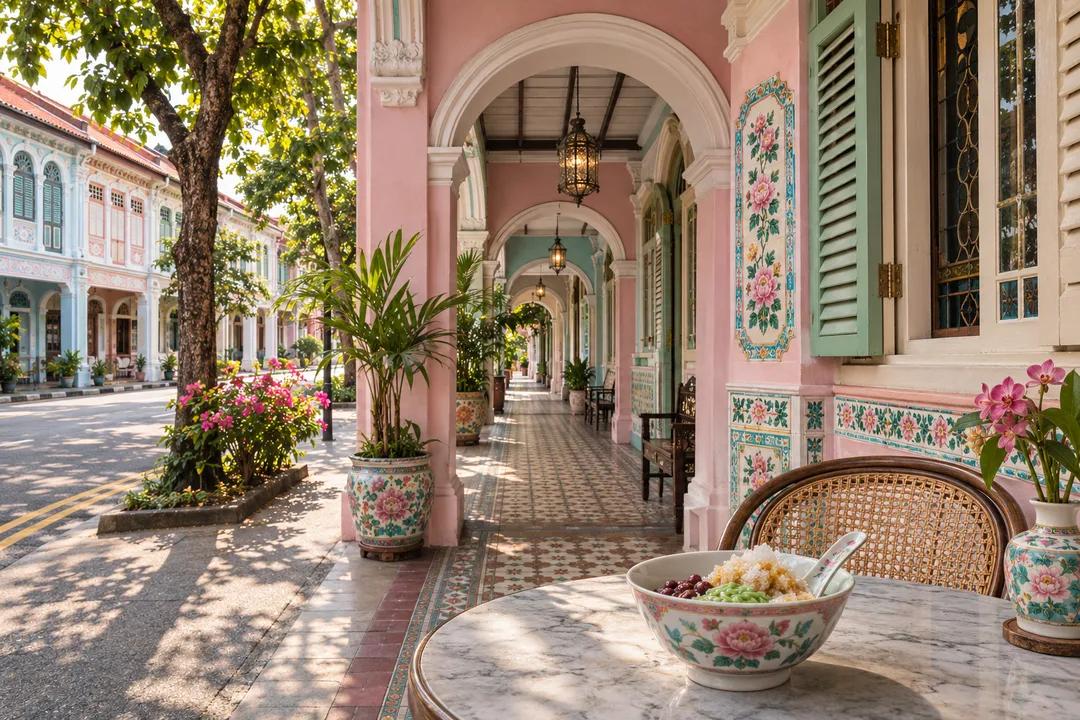 Katong Chendol Dessert Crawl: Peranakan Bowls Worth a Walk
 Chinatown Chendol Dessert Crawl: Hawker Rows and Tea Lanes