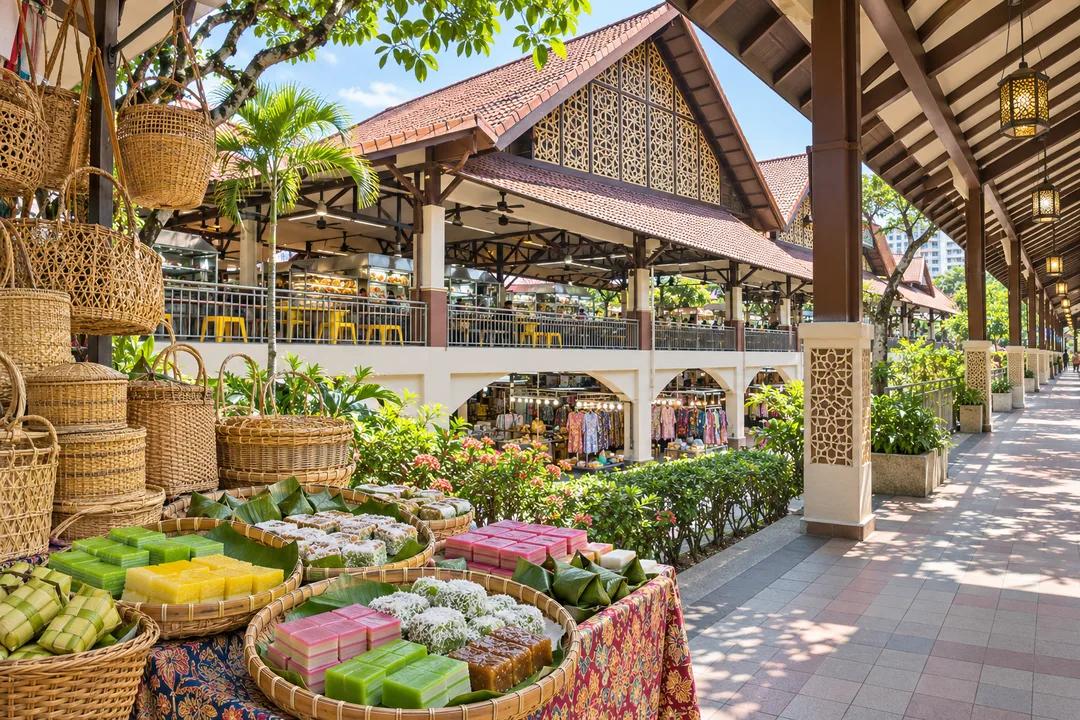
 Geylang Serai Chendol Dessert Crawl: Market Bowls to Pick
Coffee & Dessert
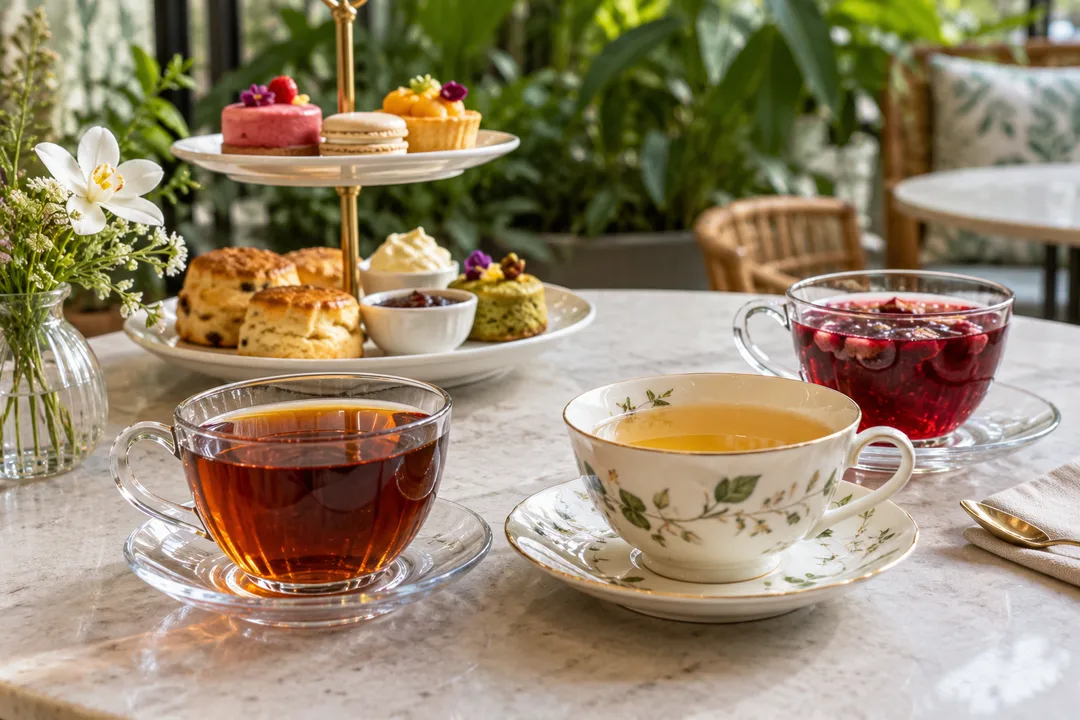
Singapore Afternoon Tea Shortlist Builder: 3 Drink Choices
Compare a Singapore tea outing around the drinks each guest enjoys, read menu inclusions and keep caffeine preferences separate from medical advice.
The drinks deserve a place in a tea shortlist before anyone chooses the cakes. For a Singapore afternoon tea shortlist builder request, describe what each guest enjoys in the cup and how important the tea itself is to the occasion. Enter the destination in Karpo APP and ask for relevant ideas. Compare any suitable candidates through their own menus, separating personal drink preferences from questions that need a direct answer from the venue.
Give the cup a clear role
One person may want a familiar pot to accompany food, while another hopes to explore a tea list. A third might prefer an herbal infusion or a different drink altogether. Ask which of those describes the party before selecting a room. Otherwise the group can agree enthusiastically on the pastries and only discover at the table that the drinks included in the service do not suit everyone.
Try this request: “Suggest tea outings to investigate in Singapore for three adults with different drink preferences. One wants a familiar black tea, another enjoys trying something lighter, and the third prefers an infusion. We would like food as well, with a clear drinks choice for each person.” Include the preferred area and budget. These are discovery inputs, not a claim that a particular venue supplies those options or includes them in a set.
Choice one begins with the familiar cup
For somebody who wants a dependable accompaniment to the food, look for a menu that explains the available style clearly. There is no need to turn every afternoon into a tasting lesson. A guest should feel comfortable ordering the drink they enjoy. Ask for suggestions suited to that preference, then use the venue's wording to see which tea is actually offered with the service you intend to reserve.
Milk, sugar and other additions can be part of the preference too. Do not assume that an image of a milk jug describes the options attached to every set. If a particular accompaniment matters, read the menu or ask the venue. The purpose is to choose a comfortable experience in advance, so the person does not feel obliged to order an unfamiliar drink simply because the group has chosen an ambitious tea setting.
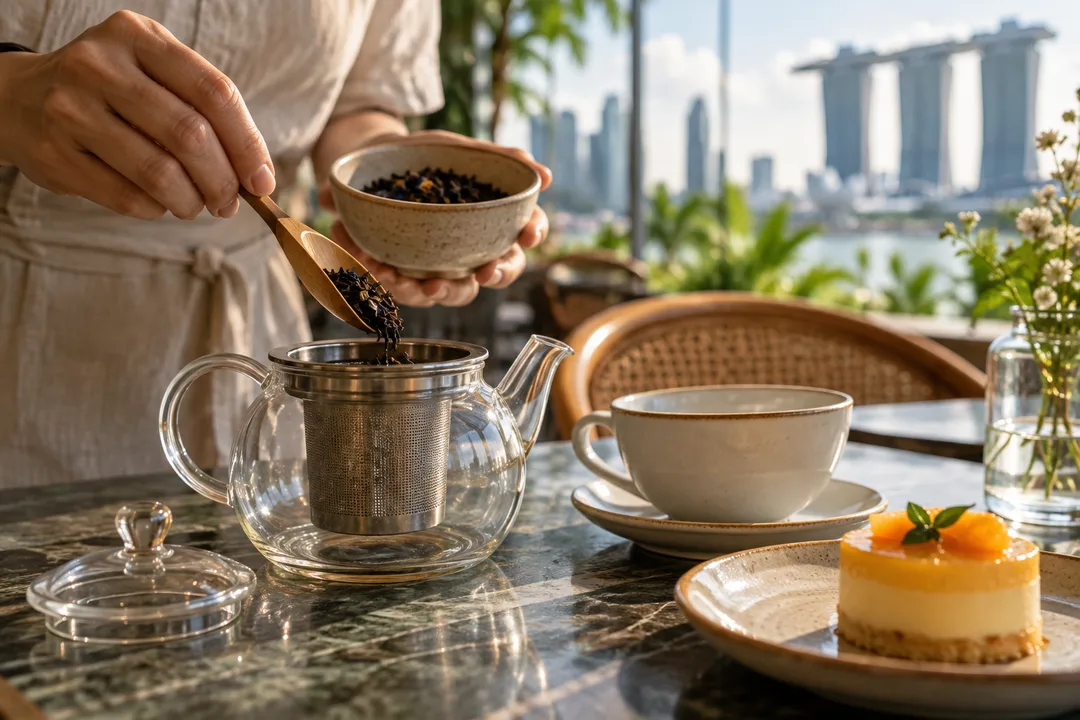
Choice two makes exploration part of the outing
A guest interested in trying different teas may value descriptions, staff guidance or a service centred on the drink. Ask for candidates where those features seem relevant, then investigate the actual tea list. A long list of names is less helpful than enough information to choose. You can describe familiar flavours in ordinary language when refining the request rather than borrowing specialist terms you do not understand.
Read how the service handles a change of tea. A second pot, an additional serving and a switch to another variety can be different things. Keep any charge or limit next to the menu name in your own comparison. Do not infer unlimited tasting from the phrase “selection of teas.” The wording attached to the particular offer determines what you are considering, while the guest's curiosity tells you whether that format sounds enjoyable.
Choice three respects a different drink preference
Someone can enjoy an afternoon tea outing without wanting the same drink as the rest of the party. Look at the alternatives offered by each candidate and whether those are included or ordered separately. A menu might offer an infusion, another hot drink or a cold option, but the existence of a drinks list does not establish the choices permitted within a particular set. Compare the actual order the guest would make.
Keep caffeine preferences precise without turning them into health claims. A person may prefer to avoid caffeine, but this article does not determine which ingredient or preparation is suitable for their situation. Direct ingredient and preparation questions to the venue. Do not describe a tea as caffeine-free merely because its colour is pale or because it is served in a smaller cup.
Read drink inclusions beside the meal price
When comparing candidates, write down the base service and the drinks it includes. Add the alternatives the party intends to order, using only prices stated by the venue. A set with an attractive headline can produce a different total if everyone plans to choose something outside it. The meaningful comparison is the bill for the afternoon your group actually wants, not the lowest number printed near the menu title.
The charging unit also matters. A pot shared by two and an individual serving describe different ways to order. Do not treat them as interchangeable just because the table photograph contains several cups. If the wording is unclear, make a short enquiry identifying the service and party size. A direct answer can settle the decision more efficiently than collecting more candidates that leave the same question unresolved.
Decide how much attention goes to the tea
An exploratory service may suit a guest who wants to discuss the drink in detail, while a reunion may need the tea to sit quietly behind the conversation. Ask the group which is the purpose of this meeting. Both can be enjoyable, but they lead toward different formats. A technically interesting tea list is not automatically the best fit for people who mainly want an uncomplicated afternoon together.
My recommendation is to avoid making one person's hobby a compulsory programme for everyone else. Choose a setting with enough room for different levels of interest, or arrange the tasting-focused visit with the people who want that experience. The useful shortlist reflects the company coming this time. It does not need to express every possible thing you might enjoy on another afternoon.
Use the conversation to refine the brief
Karpo's public how-it-works page describes sharing mood, budget, neighbourhood and companions to get picks that fit. Use those inputs to explain the drink preferences alongside the occasion. If relevant suggestions in your session miss an important preference, ask a specific follow-up rather than restarting with a vague request. For example, explain that the alternative drink is essential and that a dessert-only stop does not meet the group's meal plan.
The FAQ also describes saving and sharing picks with friends and comparing options. Use available picks to show the group the remaining candidates, with one sentence about the drink choice that makes each useful. Keep your menu notes separately where you can read them during booking. Saving a recommendation helps organise a decision; it does not alter the inclusions of the service you will buy.
Practical Notes before ordering
Record the named tea service, the drink each guest prefers and any ingredient question that still needs an answer. Complete the reservation through the venue when you have chosen, and retain its confirmation. If a guest needs a particular alternative, include the request through the stated process and keep the reply. Avoid leaving an essential detail in a group discussion that the venue will never see.
Start the shortlist with the cup, then compare the food and setting around it. Ask Karpo APP for relevant discovery ideas, use the venue's menu to establish the actual offer and let the guests choose drinks they will enjoy. The result is an afternoon where the tea has been considered as carefully as the room, without asking every person at the table to want the same thing.
Ask Karpo for more information.
Keep reading
- Geylang Serai Chendol Dessert Crawl: Market Bowls to Pick
 Katong Chendol Dessert Crawl: Peranakan Bowls Worth a Walk
 Chinatown Chendol Dessert Crawl: Hawker Rows and Tea Lanes