 Haaland Has Seven Goals and Norway Runs Entirely Through Him
⚽️2026 FIFA WORLD CUP
Serbia's World Cup Campaign Runs Through Astoria's Eastern European Mile
Astoria in Queens holds one of the most concentrated Eastern European communities in New York, and Serbian fans are among those turning the neighborhood's cafe and restaurant mile into a daily World Cup hub, with viewing setups that tap into established community networks along Ditmars Boulevard and 31st Street.
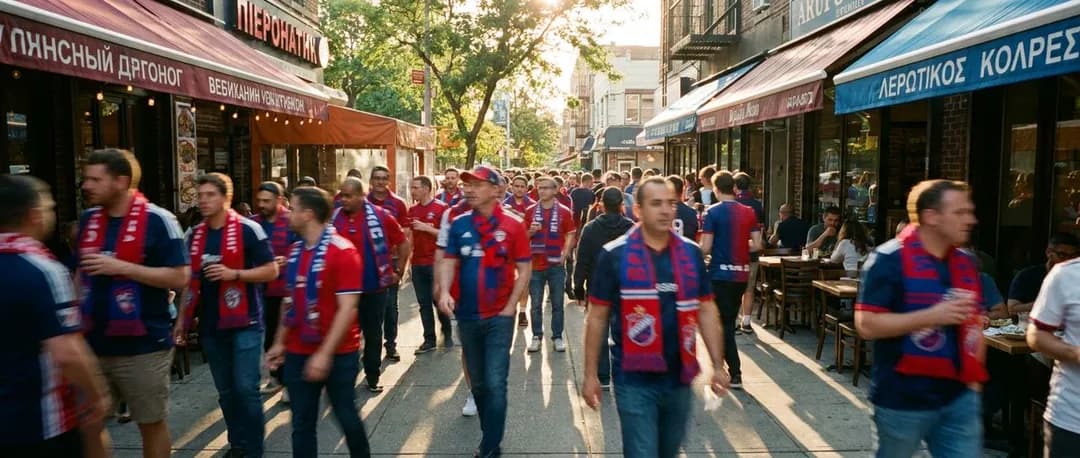
The morning after Serbia's latest World Cup match, Ditmars Boulevard wakes to the sound of espresso machines and Balkan pop spilling from open cafe doors. Fans in red, blue, and white jerseys drift between storefronts still decorated with flags from matches played days earlier, while restaurant owners reset outdoor screens for the next fixture. Astoria's Eastern European corridor has transformed into a World Cup nerve center where Serbian supporters gather not just to watch matches, but to live through them together in a neighborhood that has spent decades building the infrastructure for exactly this kind of communal moment. The cafes and restaurants along this stretch weren't designed for tournament viewing—they evolved into it, turning everyday gathering spots into something closer to satellite stadiums where the distance between Queens and Qatar collapses into shared roars and collective groans.
Cafe Culture Turns Into Match-Day Command Centers
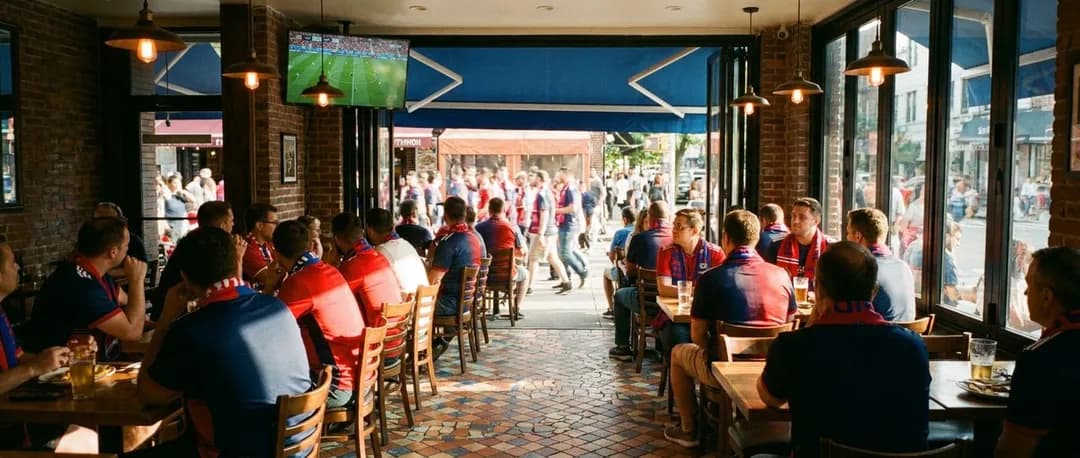
Serbian cafes along 31st Street and Ditmars Boulevard have spent years perfecting the art of the lingering coffee, the multi-hour conversation over rakija, the slow afternoon that stretches into evening. World Cup season accelerates that rhythm without breaking it. Owners at spots like Kafana and Balkan Grill have mounted multiple screens—one above the bar, another in the back dining room, a third visible from the sidewalk—creating sightlines that let fans track the match from anywhere in the space. Tables get pushed together hours before kickoff as extended families and friend groups stake out territory, ordering rounds of ćevapi and pljeskavica that arrive in waves timed to halftime breaks.
The viewing setup feels less like a sports bar and more like someone's living room scaled up to accommodate fifty people. Regulars know which tables offer the best screen angles, which corners stay quietest during tense moments, which bartenders will tolerate standing-room crowds blocking the entrance when matches run close. Between games, these same spaces return to their baseline hum—older men playing cards near the window, younger crowds planning evening meetups, families sharing weekend lunches—but the screens stay mounted, the flags stay hung, and everyone knows the next match schedule by heart.
The Boulevard's Eastern European Ecosystem Powers Fan Networks
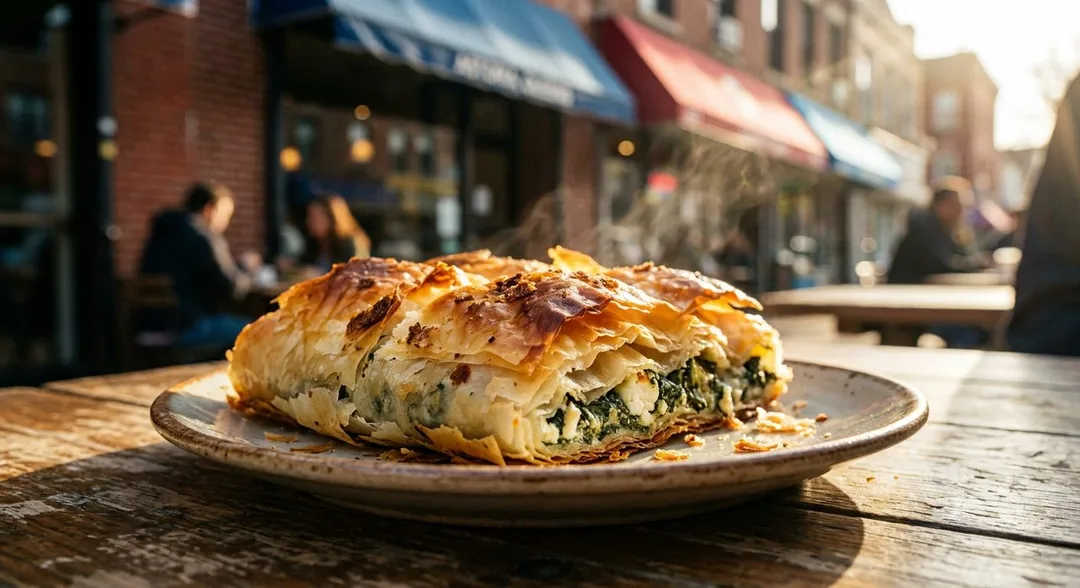
Astoria's Serbian community doesn't exist in isolation along this corridor—it overlaps with Greek, Albanian, Bosnian, and Croatian neighborhoods in a concentrated stretch where Eastern European businesses have clustered for generations. That density creates infrastructure that casual fans in other parts of the city can't easily replicate. Bakeries stock burek and kifle by the dozen for pre-match gatherings. Butcher shops along Ditmars prepare platters of smoked meats and cheeses that feed viewing parties. Corner markets carry specific brands of Serbian beer and soft drinks that disappear from shelves on match days.
The neighborhood's social architecture runs deeper than retail. Community centers and cultural organizations maintain email lists and social media channels that blast match reminders and watch-party locations to thousands of local subscribers. Serbian Orthodox churches become informal gathering points where fans compare notes after Sunday services about upcoming fixtures. Even the real estate offices and travel agencies along 31st Street get into the spirit, posting match schedules in their windows and adjusting business hours around kickoff times. This isn't a neighborhood that discovered soccer during the World Cup—it's a neighborhood where the World Cup temporarily intensifies patterns that run year-round.
Post-Match Rhythms Shift With Results
The boulevard reads differently depending on how Serbia's matches resolve. After wins, the celebration spills outdoors immediately—car horns along Ditmars, fans gathering in clusters outside cafes, impromptu singing that echoes between storefronts. Restaurants stay packed past midnight as groups settle in for extended post-mortems over grilled meats and multiple rounds of drinks. The N and W trains back into Manhattan carry crowds still wearing jerseys, still processing what they witnessed, still riding the adrenaline of a result that felt collective rather than individual.
Losses produce a quieter but no less communal atmosphere. Cafes empty more quickly, but core groups of regulars stay behind, dissecting what went wrong over coffee that grows cold as the conversation deepens. The neighborhood doesn't shut down—it regroups. By the next morning, the flags still hang, the screens still glow, and the planning for the next match begins again. The resilience feels particularly Balkan: an understanding that sports deliver heartbreak as often as triumph, and that the point isn't to win every time but to show up together regardless.
Food Becomes the Framework for Extended Viewing
Serbian cuisine operates on a timeline that aligns perfectly with World Cup match-viewing: dishes meant to be shared, meals that stretch across hours, food that tastes better when consumed in groups. The restaurants along this corridor lean into that structure during tournament season. Kafana sets up family-style platters—roasted peppers, kajmak cheese, urnebes spread, grilled sausages—that get passed around tables as the match unfolds. Balkan Grill offers pre-match specials on mixed meat plates that arrive on wooden boards large enough to feed six people, with extra bread and ajvar appearing tableside without anyone needing to ask.
The eating doesn't stop at halftime—it accelerates. Waitstaff navigate packed dining rooms delivering fresh rounds of sarma and pasulj, traditional dishes that require slow cooking and reward patient consumption. Dessert orders spike after final whistles regardless of result: palačinke filled with chocolate or walnut, tufahija soaked in syrup, strong Turkish coffee served in small cups that people nurse while debating what the next match might bring. The food operates as both fuel and ritual, giving fans something to do with their hands during tense moments and providing structure to gatherings that might otherwise dissolve into pure nervous energy.
Neighborhood Geography Creates Natural Fan Clusters
The concentration of Serbian businesses along a half-mile stretch of Ditmars Boulevard and 31st Street creates natural clustering during matches. Fans spill between venues—checking one cafe's atmosphere, moving to a restaurant with better screen positioning, circling back to a bakery for halftime snacks. The density means no single venue needs to accommodate everyone; the neighborhood itself becomes the stadium, with different sections offering different experiences.
Ditmars Boulevard's wider sidewalks and outdoor seating areas draw crowds who prefer watching from semi-open spaces where cigarette smoke and loud reactions don't bother other patrons. The 31st Street cafes, narrower and more enclosed, attract fans who want the intensity of packed rooms where every near-miss and close call gets amplified by proximity. Side streets between the two main drags fill with overflow crowds and locals who live close enough to run home between halves. The N and W subway stations at Ditmars and Astoria Boulevard become waypoints where arriving fans check their phones for real-time updates on which venues still have space.
Practical Notes
• Transit access: N and W trains to Ditmars Boulevard or Astoria Boulevard stations place fans within a five-minute walk of the main cafe and restaurant corridor along Ditmars and 31st Street; the area sits roughly 25 minutes from Midtown Manhattan.
• Timing and crowds: Popular venues fill 60-90 minutes before kickoff for high-stakes matches; fans arriving closer to match time often find standing-room situations or need to try multiple locations before securing seats.
• Weather considerations: Many establishments offer outdoor seating with overhead screens, but fall and winter matches mean indoor spaces pack tighter; layering for quick transitions between heated interiors and cool outdoor smoking areas proves essential.
• Extended hours: Cafes and restaurants along the corridor typically stay open 2-3 hours past their posted closing times on match days, with kitchens serving full menus through final whistles and beyond.
Tags: #AstoriaQueens #SerbianCommunity #WorldCupNYC #EasternEuropeanNYC #DitmarsBlvd #BalkanFood #SoccerCulture #QueensNeighborhoods #NYCEthnicEnclaves #SerbianDiaspora #AstoriaEats #WorldCupViewing #NYCSoccer #ImmigrantCommunities
Sources consulted: fifa.com (https://www.fifa.com) · nycgo.com (https://www.nycgo.com) · timeout.com/newyork (https://www.timeout.com/newyork)
All trademarks are the property of their respective owners.
Ask Karpo first
Wondering where New York City's Serbian community and Orlovi supporters are gathering for World Cup matches in Astoria this summer?
Ask Karpo for the latest on Astoria viewing venues, Serbian community events, and the Ditmars Boulevard scene around Serbia match days during the World Cup.
Ask Karpo for more information.
Keep reading
- Haaland Has Seven Goals and Norway Runs Entirely Through Him
 World Cup Trophy Ceremony Timing Medals and Postmatch Celebrations
 Olise and France's Attack: The Semifinal Tactical Question