 Haaland Has Seven Goals and Norway Runs Entirely Through Him
⚽️2026 FIFA WORLD CUP
Senegal vs Saudi Arabia Tea Counters for Match-Day Calm
A World Cup 2026 warm-up guide that uses match-day energy to map food, community and low-pressure watch rituals around NYC.
# Article Body
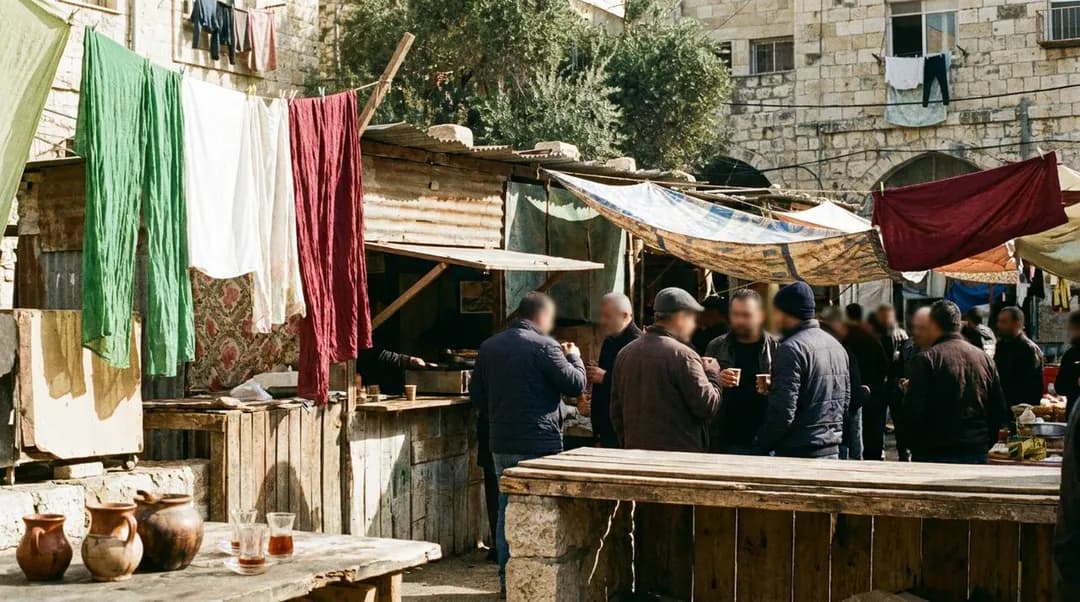
You walk into a narrow tea counter in Little Senegal on a match day and the air smells like mint, sugar, and something floral you can't quite name. The TV mounted above the espresso machine is already on, volume low, and three men in Senegal jerseys are leaning against the counter, speaking Wolof in quick bursts. This is not a sports bar. There's no beer, no wings, no screaming. Just tea, conversation, and a kind of focused calm that makes you realize you've been watching soccer wrong your whole life.
The Ataya Ritual Starts Hours Before Kickoff
Senegalese tea service is a three-round affair, and if you arrive mid-morning you'll catch the first pour. The tea master — usually whoever's working the counter that day — boils Chinese gunpowder tea with fresh mint and an alarming amount of sugar in a small metal pot over a portable burner. The first round is strong and bitter, the second sweeter, the third almost syrupy. You sip from tiny glass cups, refilled without asking, and the ritual takes over an hour if you let it. By the time the match starts, you're caffeinated, slightly jittery, and part of a room that's been building energy slowly, collectively. The counters along West 116th — the spine of Little Senegal — start filling up two hours before kickoff, and the tea keeps coming.
Where the Regulars Sit and Why It Matters
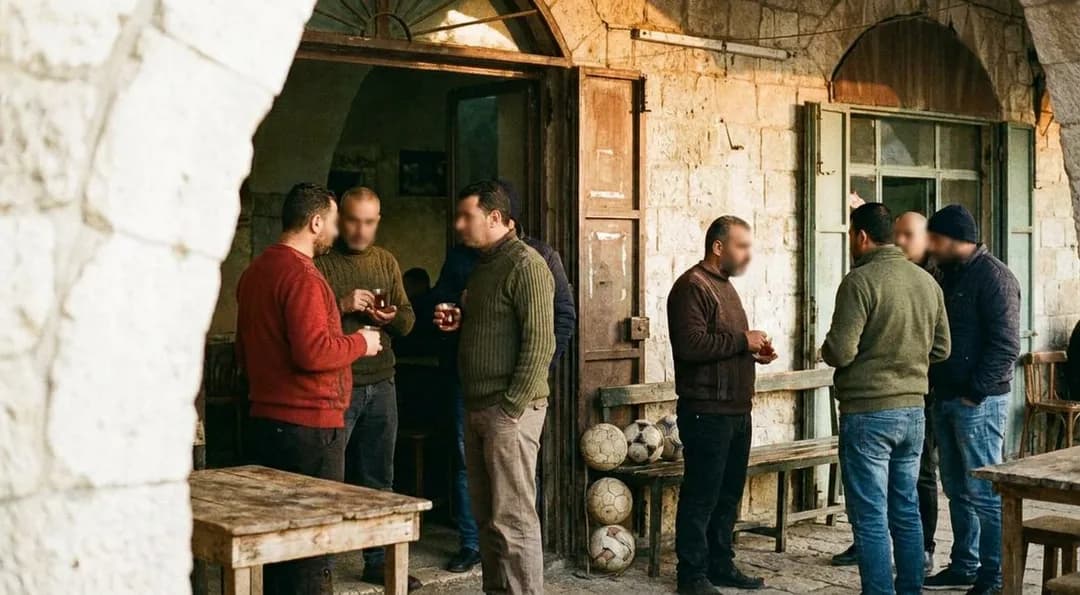
There's an unspoken seating hierarchy. The corner near the door is for people passing through, grabbing takeout, checking scores on their phones. The back tables, closer to the kitchen and the TV, are for the regulars who arrive early and stay late. You'll see the same faces: older men in boubous, younger guys in knockoff jerseys, a few women who order bissap and watch quietly. If you sit in the back, someone will eventually ask where you're from, what brings you here, whether you've ever been to Dakar. The questions aren't intrusive, just curious. The vibe is low-pressure but not indifferent. You're welcome to stay silent, but if you engage, the room opens up. By halftime, someone's offered you a piece of thieboudienne from a shared platter, and you're part of the collective exhale when Senegal's defense holds.
The Saudi Crowd Gathers Three Blocks East
The Saudi cafes and grocery counters are quieter, more spread out, less visibly tied to the match. You find them on the side streets off Malcolm X Boulevard, tucked between barbershops and cell phone repair spots. The setup is similar — tea, small tables, a TV — but the energy is different. Arabic pours out of the speakers, the tea is cardamom-heavy and served in small paper cups, and the crowd skews younger. There's less collective ritual and more individual focus. People watch on their phones as much as the TV, texting in real time, refreshing stats. The Saudi spots don't advertise themselves as match-day destinations, but on game day they fill up quietly, and the tension in the room is real. When Saudi Arabia scores, the reaction is sudden and loud, then it settles back into murmurs. You get the sense that for this crowd, the match is personal in a way that doesn't need performance.
The Food You Eat Without Asking
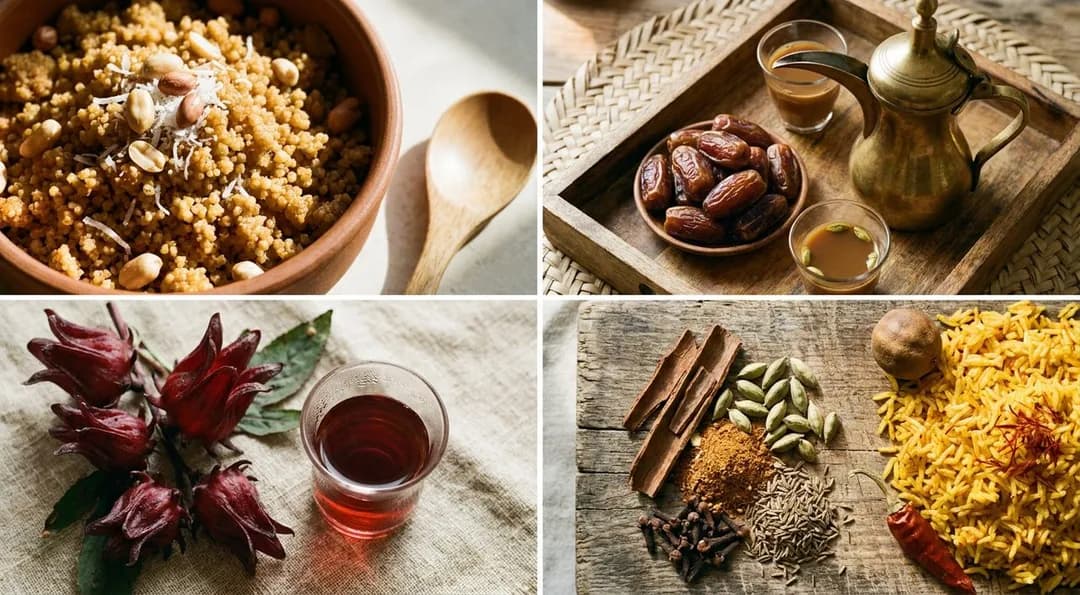
No one hands you a menu. You point at what's behind the counter or you wait to see what someone else orders and you say "same." At the Senegalese spots, that means pastels — fried dough pockets stuffed with spiced fish — or fataya, which are like empanadas but flakier and filled with onions and meat. Everything's a few bucks, wrapped in paper, eaten standing up or at a table with no plates. The Saudi counters have mana'eesh, flatbreads topped with za'atar or cheese, reheated on a griddle until the edges crisp. You'll also find sambusas, smaller and sharper than the Senegalese versions, with a green chili kick that sneaks up. The food isn't ceremonial, it's functional — fuel for a long match, something to hold while you argue about a penalty call. But it's also specific, regional, tied to the people in the room. You're not eating "African food" or "Middle Eastern food," you're eating what someone's grandmother taught them to make, scaled up for a counter service.
The Halftime Shift in the Room
When the whistle blows for halftime, the volume in the room triples. People who've been silent for forty-five minutes suddenly have opinions. The tea master steps outside for a cigarette. Someone turns up the music — mbalax at the Senegalese spots, khaleeji pop at the Saudi counters. You hear betting arguments, tactical breakdowns, complaints about the ref. The TV stays on but no one's watching. This is the moment to order more food, use the bathroom, check your phone. The rhythm of the room loosens. By the time the second half starts, everyone's back in position, the volume drops again, and the focus returns. It's a kind of communal breath, a reminder that the match is a structure, not just a spectacle.
What Happens When the Match Ends
If Senegal wins, the Senegalese counters empty onto the street. Drums appear from somewhere. Cars honk. People dance in the crosswalk. The celebration is immediate and public, spilling into the avenue, stopping traffic, pulling in passersby. If they lose, the room goes quiet fast. People finish their tea, pay, leave without lingering. The mood isn't bitter, just deflated. The Saudi spots are more contained either way. Wins are acknowledged with handshakes and quick congratulations. Losses are absorbed in silence. Within an hour, both scenes reset. The counters go back to serving tea, the TVs switch to news or music videos, and the neighborhood returns to its regular hum. But for those two hours, the room was somewhere else entirely.
Practical Notes
The Senegalese tea counters and eateries cluster along West 116th Street between Frederick Douglass Boulevard and Adam Clayton Powell Jr. Boulevard. The Saudi spots are more scattered, mostly on side streets east of Malcolm X Boulevard in the low 110s. Most places open late morning and stay open into the evening. Cash is king — bring small bills. There are no reservations, no table service, no websites. You just show up. The 2 and 3 trains to 116th Street drop you in the center of it all. If you're driving, good luck with parking. Street spots fill fast on match days. Arrive early if you want a seat, or be prepared to stand. The tea is strong, the WiFi is nonexistent, and your phone will survive without you for ninety minutes.
Tags: #2026FIFAWorldCup #LittleSenegal #Harlem #NewYorkCity #SenegaleseTea #Ataya #SaudiArabia #MatchDay #WorldCupNYC #DiasporaCulture #HiddenGems #NYCFood #SoccerCulture #NeighborhoodGuide #AuthenticEats
Sources consulted: fifa.com · espn.com · timeout.com
All trademarks are the property of their respective owners.
Ask Karpo for more information.
Keep reading
- Haaland Has Seven Goals and Norway Runs Entirely Through Him
 World Cup Trophy Ceremony Timing Medals and Postmatch Celebrations
 Olise and France's Attack: The Semifinal Tactical Question