 Haaland Has Seven Goals and Norway Runs Entirely Through Him
⚽️2026 FIFA WORLD CUP
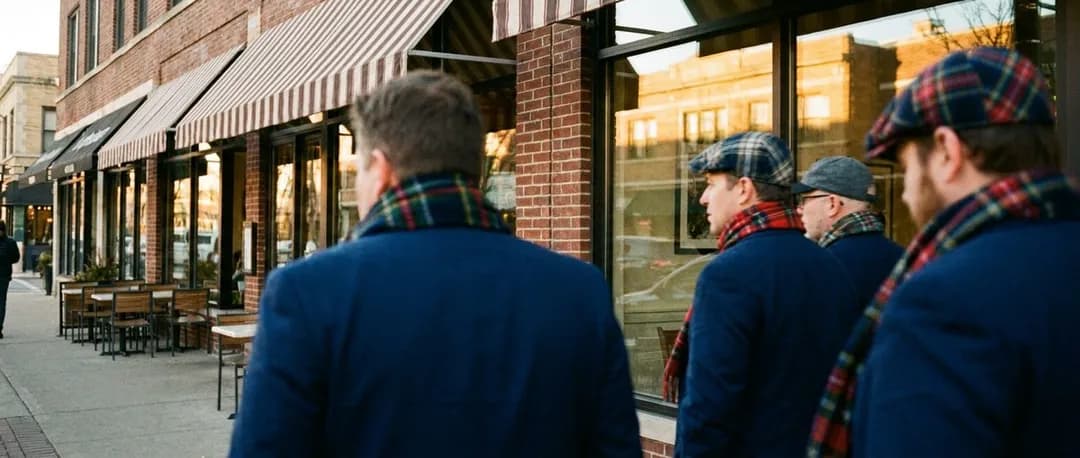
Scotland's World Cup Fans Find Chicago Surprisingly Ready
Chicago's Scottish-American community runs through the city's history more than most residents realize, from Lincoln Square's Central European heritage to the Caledonian Society's long presence, and Scotland's World Cup participation is drawing those threads back into the open, with supporter clubs and casual fans building watching setups across the North Side.
When Scotland secured World Cup qualification, the ripple reached Chicago's North Side faster than most observers expected. Lincoln Square's Scottish-American networks, dormant between major tournaments, reactivated within hours. Supporters who had watched qualifiers alone in living rooms suddenly found themselves coordinating group viewings, booking out back rooms in pubs, and reconnecting with a community infrastructure that predates most current residents' arrival in the neighborhood. The city's Scottish heritage, woven through immigration waves that built Chicago's industrial core, resurfaces each time the national team reaches a major stage.
Dawn Gatherings Along Lawrence Avenue
Match days begin before sunrise on Lincoln Square's main commercial strip. The Duke of Perth opens its doors at 6 a.m. for early kickoffs, and supporters arrive in waves—first the diehards who claim corner booths, then families with bleary-eyed children clutching scarves, finally the curious locals drawn by the noise spilling onto the sidewalk. The pub's interior, already heavy with tartan and Caledonian memorabilia, transforms into something denser on World Cup mornings. Flags drape from ceiling beams. Someone always brings a drum. The kitchen runs through multiple batches of black pudding before halftime.
Two blocks east, Huettenbar—traditionally German but flexible in its North European allegiances—sets up overflow screens when the Duke reaches capacity. The staff learned during previous tournaments that Scottish supporters and German regulars coexist peacefully, united by shared appreciation for efficient beer service and minimal commentary from American broadcasters. Supporters drift between venues at halftime, comparing atmospheres, checking which kitchen still has haggis rolls available.
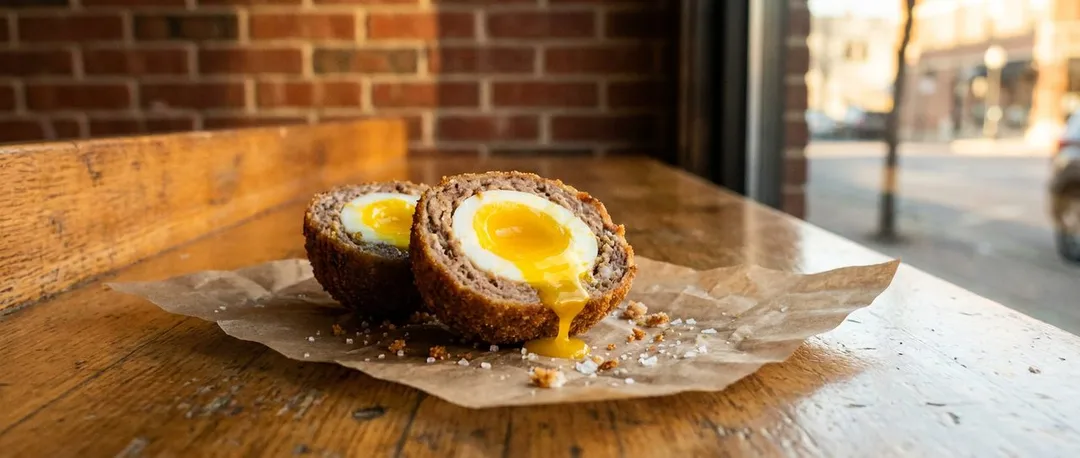
Wrigleyville's Unexpected Scottish Pocket
The spillover reaches Wrigleyville, where The Globe Pub has quietly cultivated a Scottish supporter base for years. Located blocks from the baseball stadium, the venue operates in the Cubs' shadow most of the season, but World Cup windows shift the dynamic. Supporters pack the space on match mornings, then disperse into the surrounding neighborhood, killing afternoon hours before evening matches at Sluggers or Bernie's, bars that wouldn't normally host football crowds but adapt when the demand appears.
The neighborhood's density works in supporters' favor. A ten-minute walk connects multiple viewing options, and the Red Line deposits arriving fans directly into the cluster. Local businesses, accustomed to Cubs crowds, handle the influx smoothly—coffee shops along Clark Street report morning rushes that rival game-day baseball traffic, and the staff at Taco Burrito King has learned to expect post-match crowds seeking late-night sustenance after extra time drama.
The Caledonian Society's Quiet Infrastructure
Behind the visible pub gatherings, the Illinois Saint Andrew Society coordinates logistics that casual observers miss. The organization, founded in 1845 and one of the oldest Scottish cultural groups in North America, maintains email lists that activate during tournaments. Members share information about viewing parties, coordinate tartan day events, and connect visiting supporters from Scotland with local hosts. The society's Highland Games, held annually in Itasca, become impromptu World Cup planning sessions when tournaments approach.
This infrastructure extends beyond formal membership. A network of expats, second-generation Scottish-Americans, and adopted supporters maintains group chats that light up during matches. Someone always knows which bar has the best audio setup, which kitchen runs late, where visiting supporters can find accommodation near transit lines. The system operates invisibly until needed, then snaps into efficiency.
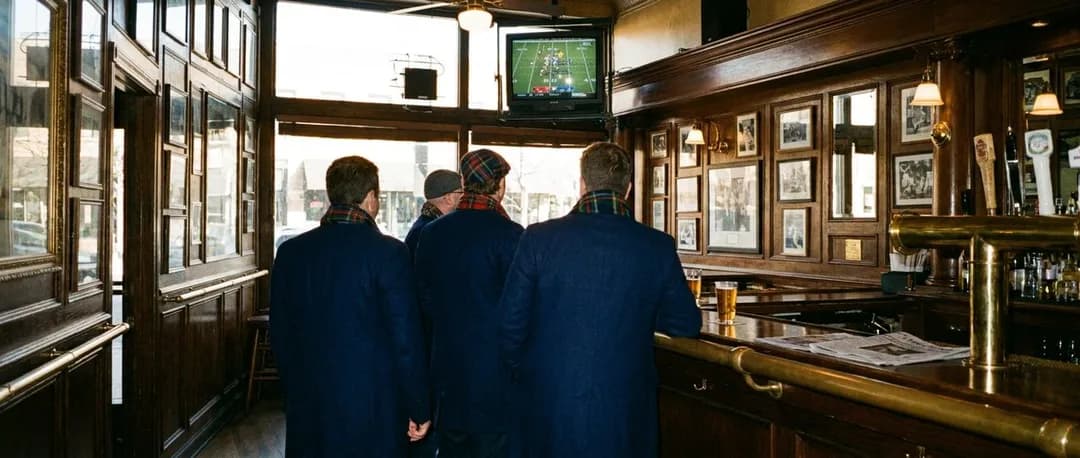
Neighborhood Rhythms Between Matches
Training day coverage and off-day analysis fill the gaps between matches, and Lincoln Square's cafes absorb the overflow. Kafein and Cafe Selmarie become unofficial headquarters for supporters nursing single coffees across multiple hours, laptops open to Scottish news sites, debating lineup choices and injury reports with strangers at adjacent tables. The staff tolerates the extended occupancy—these same supporters tip heavily on match days and bring crowds that fill surrounding businesses.
Dinners shift toward Scottish-adjacent options. The Grafton, though Irish, sees increased traffic from supporters seeking familiar atmospheres. Chief O'Neill's, also Irish but with flexible Celtic allegiances, runs specials timed to match schedules. Delicatessens along Lincoln Avenue report runs on specific items—oatcakes, Irn-Bru when available, anything that evokes home for expats or satisfies curiosity for locals joining the atmosphere.
Transit Patterns and Supporter Geography
The Brown Line connects Lincoln Square to downtown, and match-day trains carry visible supporter presence—scarves, jerseys, nervous energy. Conductors grow accustomed to the patterns, announcing stops with extra clarity when trains fill with fans. The Red Line serves Wrigleyville's cluster, and early morning trains northbound from downtown carry supporters who started evenings in Loop hotels or South Side homes, converging on North Side venues.
Rideshare patterns shift during tournaments. Drivers report clusters of requests between Lincoln Square and Wrigleyville, supporters moving between venues as crowds ebb and flow. Late-night rides reverse the pattern, dispersing fans back toward residential neighborhoods across the city, still processing match results, voices hoarse from two hours of sustained volume.
Evening Aftermath in Both Neighborhoods
Post-match evenings depend entirely on results. Victories send supporters into the streets—Lawrence Avenue fills with impromptu celebrations, cars honking, strangers embracing, the energy sustaining through dinner hours and beyond. Losses produce quieter dispersals, supporters drifting toward comfort food and familiar corners, processing disappointment in smaller groups. Draws generate the strangest atmosphere—half-celebration, half-frustration, supporters unable to settle on appropriate emotional responses.
Restaurants near both hubs adapt menus and hours during tournaments. Kitchen staff prep extra portions of anything Scottish-adjacent, knowing demand spikes unpredictably. Bars extend hours when matches run late or when post-match energy suggests crowds won't disperse on schedule. The neighborhood absorbs the disruption smoothly, accustomed to sports-driven surges from baseball season, finding World Cup crowds more intense but briefer.
Practical Notes
• Brown Line trains run every 10-15 minutes between downtown and Lincoln Square; Red Line serves Wrigleyville with similar frequency; both lines operate 24 hours but reduce frequency after midnight
• The Duke of Perth opens at 6 a.m. for early kickoffs; arrive 45 minutes early for guaranteed seating during key matches; overflow venues open progressively as crowds build
• Chicago mornings can run cold even in summer; layers recommended for early gatherings before venues warm from crowd heat
• Match schedules favor East Coast time zones; expect 9 a.m. and noon local kickoffs for most group stage matches, with occasional 6 a.m. starts for certain fixtures
Tags: #ChicagoScots #WorldCupChicago #LincolnSquare #Wrigleyville #ScottishFootball #ChicagoSoccer #NorthSideChicago #DukeOfPerth #ScotlandNationalTeam #ChicagoSupporters #FootballCulture #ChicagoNeighborhoods #ScottishAmerican #WorldCupFans
Sources consulted: fifa.com (https://www.fifa.com) · choosechicago.com (https://www.choosechicago.com) · timeout.com/chicago (https://www.timeout.com/chicago)
All trademarks are the property of their respective owners.
Ask Karpo first
Wondering where Chicago's Scottish community and Tartan Army supporters are gathering for World Cup viewing this summer?
Ask Karpo for the latest on Lincoln Square and Wrigleyville viewing spots, Scottish supporter club events, and the best North Side Chicago places to follow Scotland's World Cup campaign.
Ask Karpo for more information.
Keep reading
- Haaland Has Seven Goals and Norway Runs Entirely Through Him
 World Cup Trophy Ceremony Timing Medals and Postmatch Celebrations
 Olise and France's Attack: The Semifinal Tactical Question