 Haaland Has Seven Goals and Norway Runs Entirely Through Him
⚽️2026 FIFA WORLD CUP
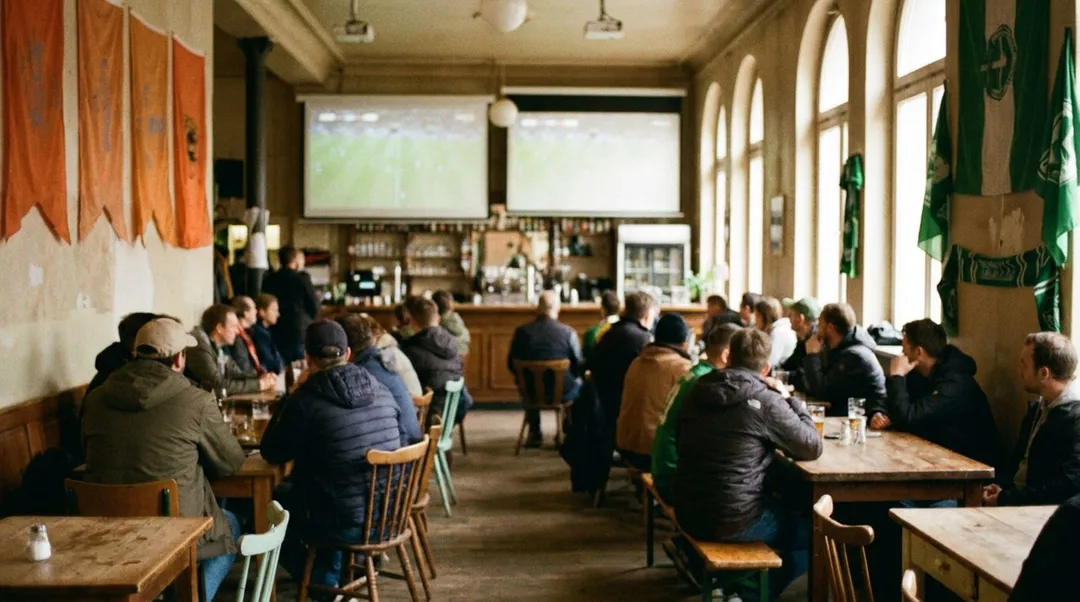
Orange and Green: A Ridgewood Café Splits Down the Middle for Netherlands vs Algeria
A Senffgasse coffee shop turns fan zone for a fixture that divides the room, with Dutch stroopwafels and Algerian mint tea served at the same counter.
The crowd splits before you even walk in. One side wears orange scarves draped over winter coats, the other wraps green-and-white keffiyehs around their necks, and the narrow café on Senffgasse in Ridgewood becomes a study in competitive hospitality. You're here for the Netherlands-Algeria match, and the owners—one Dutch, one Algerian—have turned their daytime coffee counter into the kind of fan zone where allegiance gets tested over pastry.
The Counter Where Loyalties Collide
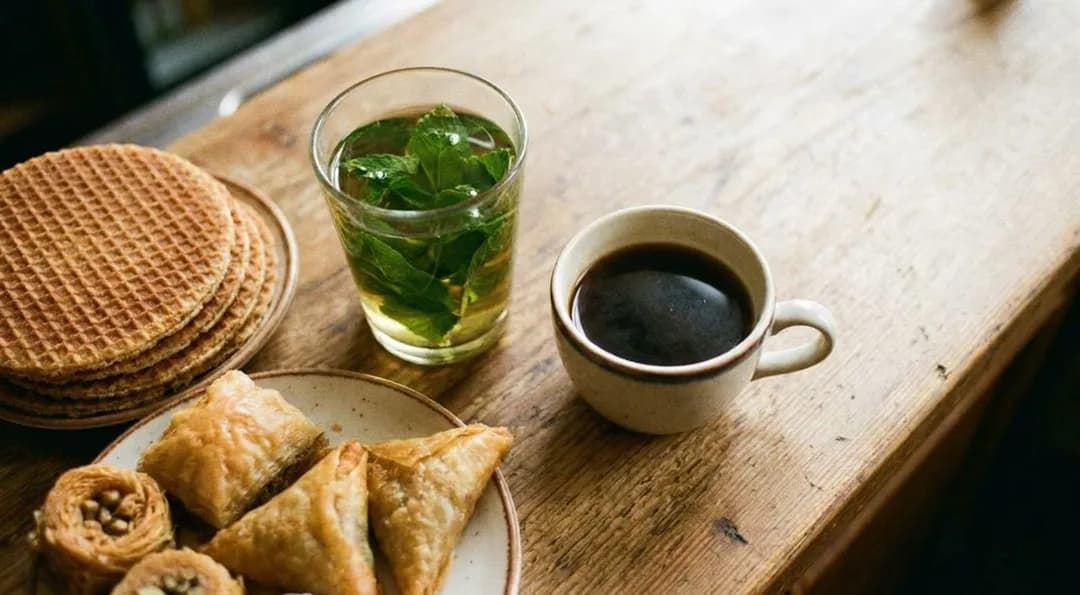
You order at the same marble slab where a Dutch stroopwafel sits next to a plate of Algerian makrout, the date-filled semolina cookies dusted with cinnamon. The espresso machine hisses behind a chalkboard menu that lists both Dutch koffie verkeerd and Algerian café mazagran in the same looping handwriting. The barista pulls your shot with one hand and pours mint tea with the other, moving between requests without breaking rhythm. You watch someone in an orange jersey lean across to compliment someone in green on their scarf, then immediately return to trash-talking in a mix of Arabic and Dutch that nobody bothers translating. The wood-paneled walls absorb the noise, making the space feel smaller and louder than its actual square footage. You find a seat near the window where Senffgasse angles toward the elevated M tracks, and the winter light cuts through at a slant that makes everyone's face look a little more theatrical.
The Geography of a Split Room
The seating arrangement wasn't planned but it happened anyway. Orange congregates near the back wall where a projector throws the pre-match coverage onto exposed brick, while green clusters closer to the front windows, spilling onto the sidewalk when the indoor benches fill. You notice the owners have placed small flags on each table—Dutch on the left side of the room, Algerian on the right—but people ignore the borders when they need to squeeze in. A group of younger fans in mixed allegiances shares a corner booth, passing a plate of bitterballen back and forth while debating defensive formations in English. The café smells like cardamom and butter in equal measure, with occasional bursts of cold air when the door swings open and another wave of supporters pushes inside. You hear someone shout a greeting in Darija, then Dutch, then switch to Queens-inflected English to order another round of drinks. The floorboards creak under the weight of bodies pressing toward the screen as kickoff approaches.
What You Eat When the Whistle Blows
The food comes out in waves timed to the match clock. You grab a stroopwafel just before the opening whistle, the caramel center still warm enough to stick to your fingers, and watch someone across the room bite into a piece of mahjouba, the flatbread folded around spiced tomato and onion. The kitchen—barely visible through a narrow doorway—produces platters that move through the crowd like currency. Bitterballen arrive on wooden boards, the fried beef croquettes splitting open to reveal molten interiors that require careful navigation. Algerian mint tea gets poured from height into small glasses, the foam rising in a way that makes people pause their conversations to watch. You try a piece of makrout and taste the dense sweetness of dates against the graininess of semolina, a texture that coats your mouth differently than the Dutch pastries. Someone near you orders a tompoes, the pink-iced custard slice that looks absurdly delicate in a room full of people jumping out of their seats. The counter never stops moving, and neither do the plates.
The Acoustic Signature of Divided Attention
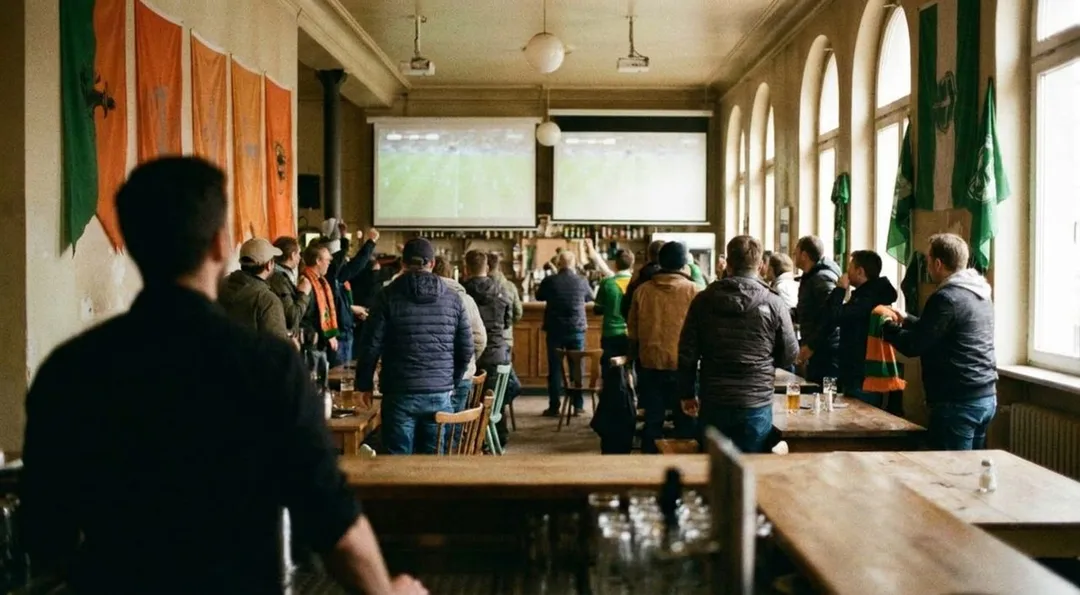
You hear the match in three languages before you see the screen. Dutch fans erupt in guttural cheers that sound like they're coming from somewhere deep in the chest, while Algerian supporters answer with ululating calls that spike the room's frequency. The café's tin ceiling amplifies everything, turning individual shouts into a collective roar that rattles the light fixtures. Between plays, conversations drop to a murmur—Dutch and Darija mixing with Spanish from the Ridgewood locals who wandered in out of curiosity. You catch fragments: someone explaining offside rules in Arabic, another person dissecting a referee's call in rapid-fire Dutch. The espresso machine punctuates the audio landscape with its own rhythm, a steady hiss and clatter that somehow doesn't compete with the television commentary. When someone scores—you won't know who until the replay—the room splits again, half rising in triumph, half groaning in disbelief, and for a moment the café feels like it might actually divide down the middle.
The Regulars Who Showed Up Early
You spot them before the jerseys arrive: the weekday coffee crowd who claimed their usual spots and refused to move when the fan zones formed. An older woman in a wool coat sits at the window counter with a Dutch newspaper spread flat, ignoring the chaos building behind her. Two men play backgammon near the door, their board positioned so they can watch the match without fully committing to either side. They've been here since late morning, nursing the same cups while the café transformed around them. You watch one of them accept a bitterbal from a passing plate without looking up from his game, the kind of gesture that only works when you've earned your place in a room. The barista knows their orders without asking, and when the match reaches its most frantic moments, these regulars provide a strange anchor—proof that this space existed before the tournament and will continue after the final whistle.
When the Score Doesn't Matter as Much as the Gathering
The match ends the way these things do—someone wins, someone loses, and both sides stay planted in their seats. You watch orange and green start to mix at the counter, fans from opposing sides comparing notes on plays and near-misses. The owners emerge from the kitchen to circulate through the room, accepting congratulations and condolences with the same gracious nods. Someone starts a chant that peters out halfway through, and everyone laughs at the failed attempt. The projector stays on but the sound drops, and the café shifts back toward its coffee-shop baseline, though the flags remain on the tables and the scarves stay draped over chair backs. You finish your tea and realize the room temperature has climbed at least ten degrees from body heat alone. Outside, Senffgasse looks the same as it did two hours ago, but inside, the café holds onto the afternoon a little longer, reluctant to let the crowd disperse.
Practical Notes
The café opens its doors in the early morning and runs late into the evening, adjusting hours during tournament matches to accommodate the global broadcast schedule. You'll find it on Senffgasse, the narrow street that runs parallel to the elevated tracks in Ridgewood, within walking distance of the Halsey Street or Seneca Avenue stations. Arrive at least thirty minutes before kickoff if you want a seat, earlier if you're particular about which side of the room you claim. No reservations, no cover charge, just the expectation that you'll order something and keep ordering as the match progresses. The menu shifts between regular café offerings and match-day specials—ask what's coming out of the kitchen rather than relying on what's written on the board. Cash helps during the rush, though cards work when the line thins. The space holds maybe sixty people comfortably, eighty when everyone's willing to stand.
Tags: #RidgewoodQueens #FIFAWorldCup2026 #SoccerCulture #NeighborhoodCafes #DutchFood #AlgerianCuisine #NYCFoodScene #QueensEats #FanZone #CoffeeShopCulture #WorldCupNYC #RidgewoodEats #DiasporaDining #SenffgasseLife #SoccerAndFood
Sources consulted: fifa.com · espn.com · timeout.com
All trademarks are the property of their respective owners.
Ask Karpo for more information.
Keep reading
- Haaland Has Seven Goals and Norway Runs Entirely Through Him
 World Cup Trophy Ceremony Timing Medals and Postmatch Celebrations
 Olise and France's Attack: The Semifinal Tactical Question