 Haaland Has Seven Goals and Norway Runs Entirely Through Him
⚽️2026 FIFA WORLD CUP
Ramen Counters Buzz With Ocarina of Time Remake Talk Before Late Kickoffs
Narrow noodle shops become pre-match waypoints where gaming hype and soccer anticipation share the same steamed-up hour.
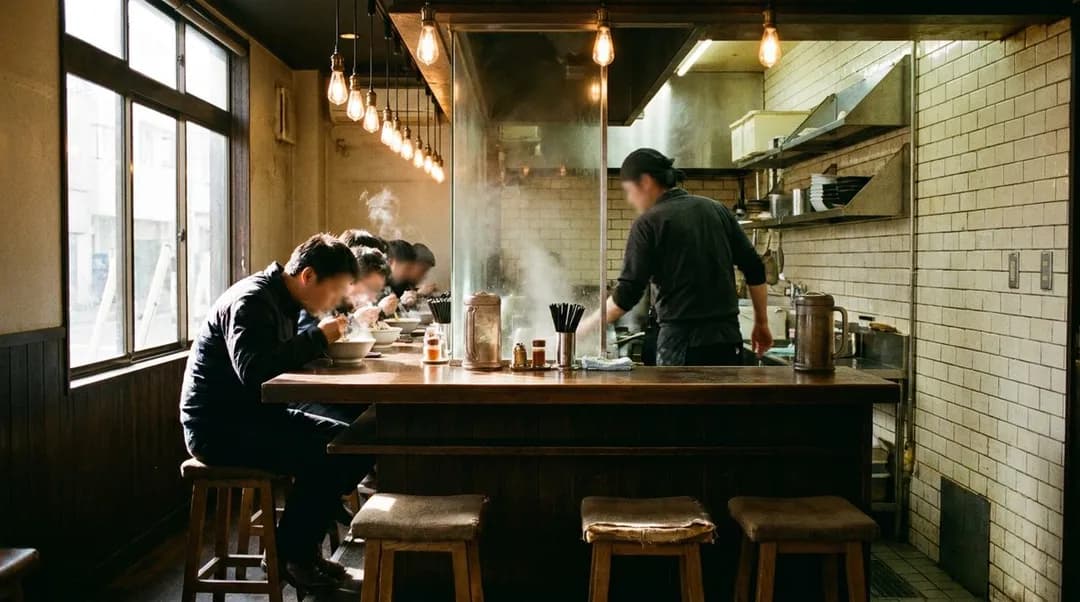
You're crouched at a narrow counter, knees bumping the wood panel beneath, steam fogging your glasses every time the kitchen door swings open. The ramen shop on East Ninth between First and A has twelve seats, and tonight nine of them are occupied by people toggling between Discord threads about the Ocarina of Time remake and group chats coordinating which bar has the late kickoff on the biggest screen. The broth arrives cloudy and volcanic, and you've got maybe thirty minutes to finish before you need to move.
The Hour Between Hype Cycles
The East Village learned long ago how to layer obsessions. Right now, in the narrow window between six-thirty and eight, these ramen counters operate as accidental holding pens for two kinds of anticipation. You hear it in the conversations—someone's explaining why the Water Temple redesign matters while their friend refreshes a lineup rumor on their phone. The shops themselves don't advertise this dual function. They're just open, reliably, serving bowls that take twelve minutes from order to table. But that timing matters when you're killing the dead hour before a match that doesn't start until the stadiums out west finish their late-afternoon prep. You're not here for dinner exactly. You're here because you need to be *somewhere*, and this somewhere smells like pork fat and toasted sesame and doesn't rush you when you leave your bowl half-finished because kickoff just got moved up.
Condensation Geography
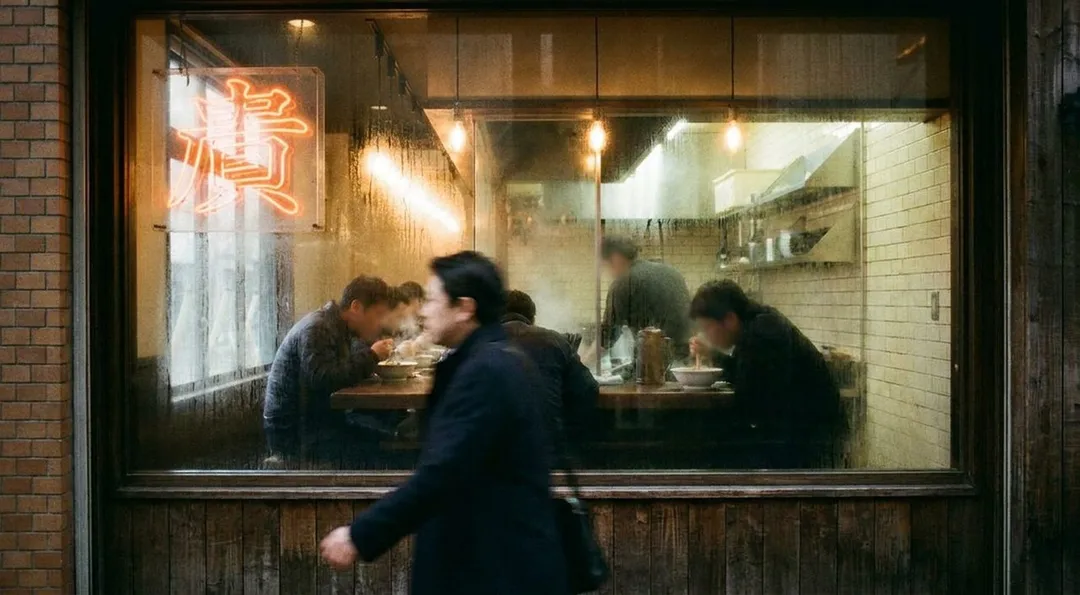
The windows sweat from the inside out. Every shop on this stretch—the one closer to Avenue A with the red noren curtain, the basement spot with the narrow staircase that always smells faintly of miso even from street level—develops its own microclimate by early evening. You can track which places are full without looking inside, just by reading the fog patterns on the glass. The counter seating forces a specific kind of proximity. You're shoulder-to-shoulder with strangers, and the person next to you is watching remake trailer breakdowns with one earbud in, volume just loud enough that you catch the Kokiri Forest theme leaking out. Nobody makes eye contact but everyone's aware of everyone. When someone's phone buzzes with a group chat notification about the match, three other people glance at their screens reflexively. The kitchen's visible from most seats—you see the cook's hands working the noodle baskets, the way they time four orders simultaneously without looking at a clock.
What You Actually Order
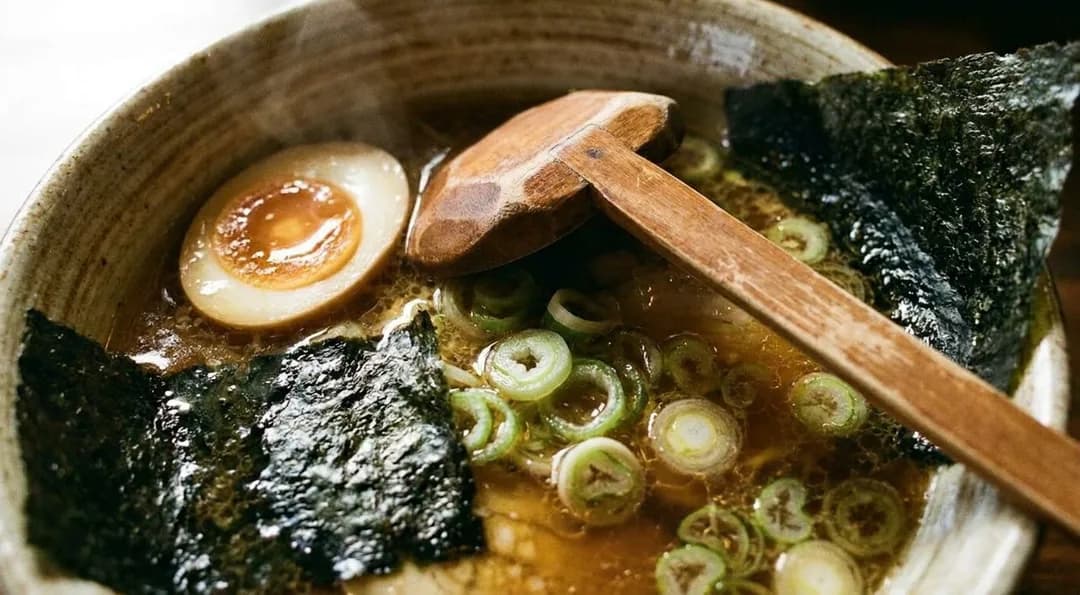
You want something that finishes fast but doesn't feel rushed. The tonkotsu takes longer to eat—that thick broth coats your mouth, demands attention. Shoyu or shio moves quicker, broth you can drink in long pulls between bites. Most people here tonight are ordering mazemen or tsukemen, the brothless or dipping styles that let you eat and scroll without the spoon-juggling. The eggs are always slightly underdone, yolks jammy and sulfurous in a way that cuts through the pork. You'll see people order extra noodles halfway through, the kaedama portion that buys another ten minutes of legitimate counter time. The unspoken etiquette: you can sit as long as you're eating, but once your bowl's empty and you're just on your phone, you're borrowing space. The staff won't say anything, but you feel it. Someone's always waiting by the door, eyeing the seats, doing their own pre-match math about timing.
The Remake Question Nobody's Answering
Here's what you overhear: whether the remake's frame rate matters for a game originally built around thirty frames per second. Whether the revised soundtrack loses something in the orchestration. Whether playing it on a handheld screen changes the dungeon navigation in ways that matter. These conversations happen in fragments, interrupted by ramen arrival and broth-sipping and the occasional shout from the kitchen. The gaming talk has a specific texture—it's not casual, but it's not performative either. People are genuinely working through their anticipation, trying to figure out if the thing they're excited about will match the thing they remember. It mirrors the soccer energy in an odd way. You're waiting to see if the match delivers, if the lineup choices make sense, if the stadium atmosphere translates through a bar's TV setup. Both conversations are about hoping the reality meets the months of build-up. And both happen here because these counters offer something bars don't yet: a place to sit with your nerves without committing to three hours in one spot.
The Diaspora Timing
The late kickoffs pull specific crowds. You see jerseys from countries whose games don't start until the East Coast's already had dinner, when the western stadiums are just hitting their stride. The ramen shops catch people in that gap—too early for the bar, too late to go home and come back out. Someone's wearing a national team jacket over a hoodie, bowl of ramen steaming in front of them, phone propped against the soy sauce bottle streaming a pre-match show. The staff's used to it by now. They've learned which matches mean a rush at seven-forty-five, which countries' supporters tip better, which nights the counter empties out all at once when kickoff hits. Tonight the energy's split—half the room's heading to the sports bars on Avenue A, half's going to someone's apartment where they've got the game on one screen and the remake trailer breakdown on another. You can tell who's doing what by how fast they eat.
Why This Room Right Now
The specificity matters. You're not at a bar yet because bars are loud and committed and you're not ready to be all-in on one thing. You're not home because home is too passive, too isolated from the current that's running through the neighborhood tonight. These ramen counters offer a middle state—public but not social, focused but not exclusive. The counter setup helps. You're facing the kitchen or the wall, not each other, which means you can be alone together in a way that makes sense right now. The smell's part of it too—that hit of ginger and scallion and pork that makes the space feel dense and immediate. You're grounded here for twenty minutes, half an hour, long enough to let the anticipation build without boiling over. When you finally leave, pushing out into the June humidity, you're calibrated. Ready for the noise, the crowd, the next three hours of watching and hoping and shouting at screens.
Practical Notes
Most of these spots open late morning and run until the early hours, though the specific closing time shifts based on how busy they are. You're looking at a bowl and maybe a beer for somewhere in the teens, cash often preferred but cards usually accepted. No reservations—you show up, you wait if there's a line, you eat, you go. The counter seats turn over faster than tables, which is the whole point tonight. Getting here means the L to First Avenue or the 6 to Astor Place, then a walk that lets you read the room from outside before committing. If there's a line out the door at seven-thirty, that's your signal—this is a pre-match spot tonight, and everyone's on the same schedule.
Tags: #EastVillageEats #RamenCulture #PreMatchRituals #2026FIFAWorldCup #NYCNightlife #GamingCommunity #OcarinaOfTime #NoodleShops #SoccerSeason #ManhattanDining #CounterCulture #EastVillageLiving #WorldCupNYC #GamerFoodie #LateKickoff
Sources consulted: fifa.com · espn.com · timeout.com
All trademarks are the property of their respective owners.
Ask Karpo for more information.
Keep reading
- Haaland Has Seven Goals and Norway Runs Entirely Through Him
 World Cup Trophy Ceremony Timing Medals and Postmatch Celebrations
 Olise and France's Attack: The Semifinal Tactical Question