 Upper East Side Rugelach Bakery Crawl: Lexington to Park
Restaurants
Midwood Rugelach Bakery Crawl: Avenue J to Avenue M
Plan a Midwood rugelach bakery crawl along Avenue J and Avenue M under the Q train. Compare open-pleat halva, pistachio, and syrup-soaked chocolate rolls.
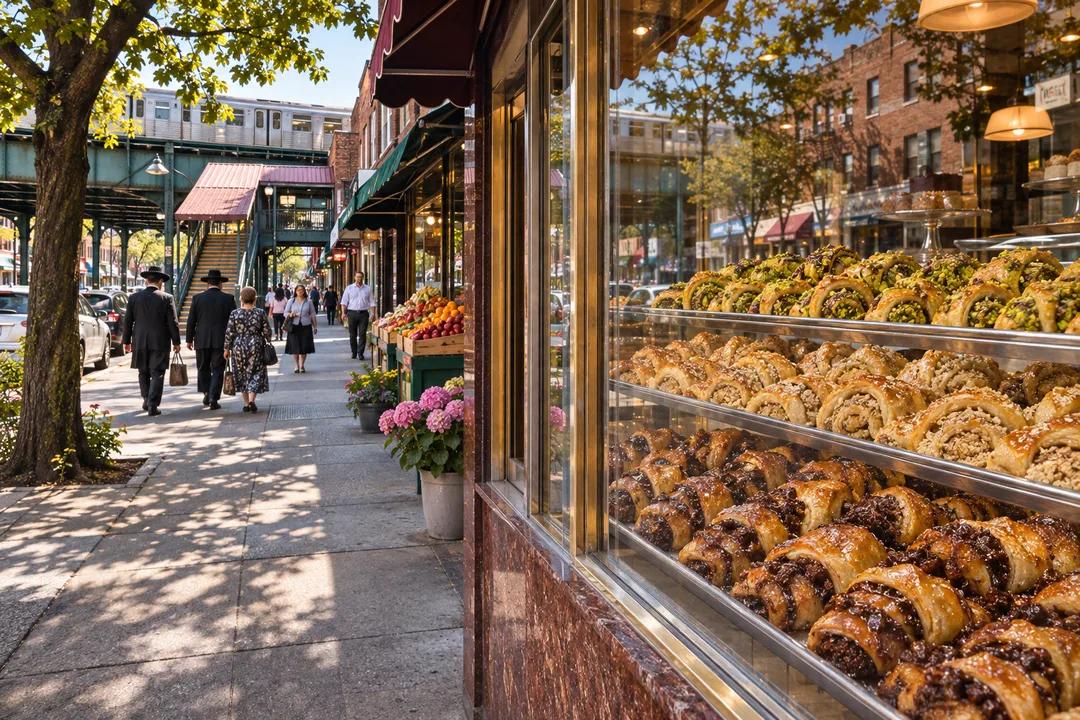
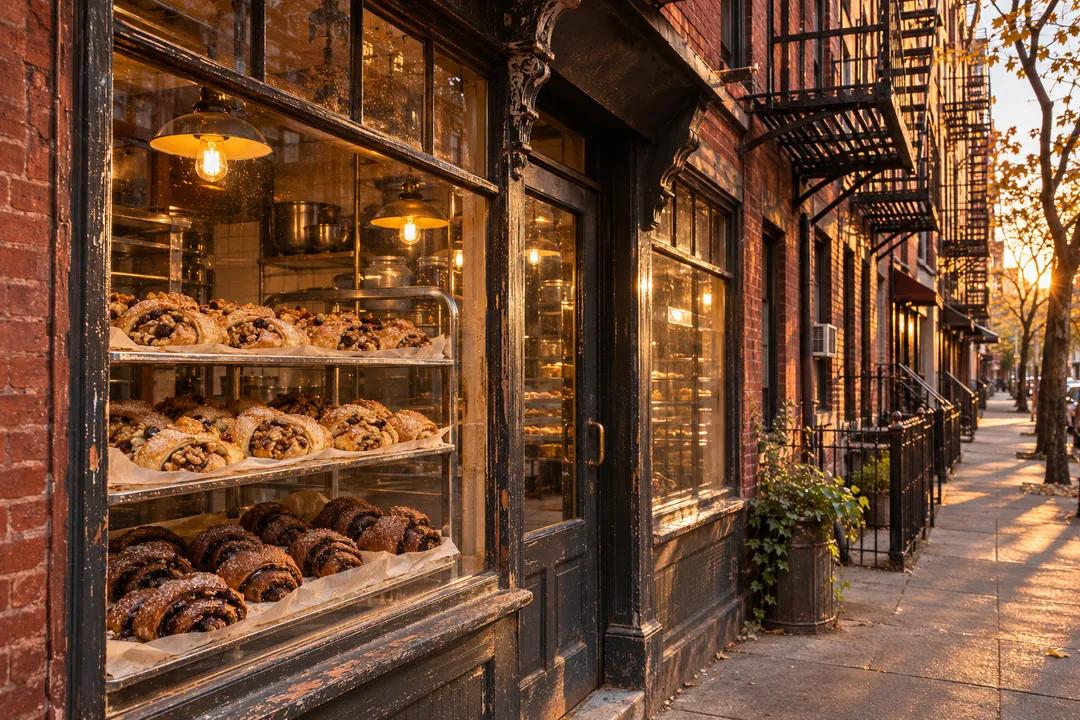
Stepping off the elevated Q train at Avenue J or Avenue M drops you straight into the sweetest four-block stretch in southern Brooklyn, where bakery doors swing open to release clouds of warm vanilla syrup, toasted sesame, and melted cocoa. Last Sunday my aunt—who has shopped these Midwood blocks for three decades—walked me from Avenue J down to Avenue M to show how a neighborhood rugelach bakery crawl works when every counter on the block competes on dough texture and filling generosity. Unlike Manhattan shops where rugelach are just one cookie among dozens of tarts and croissants, Midwood bake shops treat the crescent as the headline event. Over a leisurely forty-minute loop between Coney Island Avenue and Ocean Parkway, you can taste both Ashkenazi crumb-topped logs and the sticky, open-pleated Israeli-style spirals that turned Midwood into a pilgrimage stop for serious pastry hounds.
Starting Under the Elevated Tracks on Avenue J
Begin your walk right outside the Avenue J station stairs, where fruit markets, bagel ovens, and kosher pastry counters sit shoulder to shoulder beneath the steel trestles of the Brighton Line. The morning rhythm here is fast and convivial: commuters grab waxed paper bags of warm rugelach to bring into Manhattan offices while neighborhood regulars order mixed two-pound trays wrapped in shiny cellophane for family celebrations. When you walk into one of the larger Avenue J bake shops, pluck a red number tab from the stand by the door and use the two-minute wait to scan the glass cases from left to right.
One side of the case is typically devoted to dairy pastries—where butter and sour cream enrich the dough—while the opposite side holds pareve trays baked with oil and eggs for meat meals. Ask the counter clerk which sheet pans came out of the rotating rack oven within the last half hour. Getting a piece of chocolate or cinnamon-crumb rugelach while the bottom sugar glaze is still warm and slightly tacky transforms the eating experience, turning the inner spiral into a molten fudge ribbon.
Open-Pleat Israeli Spirals Versus Classic Rolled Horns on Avenue M
After packing your first quarter-pound bag on Avenue J, stroll three blocks south along East 15th or East 16th Street under quiet residential maples until you reach the bustling storefronts of Avenue M. Here you will spot the visual signature that sets modern Brooklyn kosher baking apart: the open-pleated or fan-cut rugelach. Instead of rolling a triangle of dough from wide base to pointed tip and sealing the filling inside, bakers roll a wide sheet of laminated yeast dough around a thick slab of filling, slice it into segments, and lay each piece slightly on its side so the accordion pleats fan open in the oven heat.
Because those exposed pleats drink up ladlefuls of boiling vanilla-citrus simple syrup the instant the pan leaves the oven, every fold glistens like lacquered amber while staying sticky and pull-apart tender all the way to the core. Compare one of these open-pleat Avenue M pieces directly against a traditional closed crescent from Avenue J: the closed horn gives you more crisp pastry crust per bite, whereas the open fan is all about exposed caramelization and gooey filling density.
Beyond Cocoa: Halva, Pistachio, and Cookie-Butter Fillings
Midwood's Syrian, Sephardic, and Israeli family ties have pushed the neighborhood's rugelach flavor wheel far past the old cinnamon-raisin standard. As you inspect the upper tiers of the Avenue M and Coney Island Avenue cases, look for pale golden spirals streaked with crushed sesame halva and ground green pistachios. When halva bakes inside yeasted dough, the tahini oils melt into the pastry layers while the spun sugar crystallizes at the edges, creating a nutty, savory-sweet flakiness that pairs wonderfully with bitter dark roast coffee.
You will also find trays swirled with spiced speculoos cookie butter, tangy cheese-and-cherry, toasted almond marzipan, and double-dark Dutch cocoa studded with chocolate chips. To keep your crawl balanced across three or four shops without hitting a sugar wall, split each single rugelach in half with your walking partner and alternate between a heavy cocoa or cookie-butter piece and a brighter apricot, raspberry, or sesame-halva roll.
Slicing Your Haul Along the Ocean Parkway Promenade
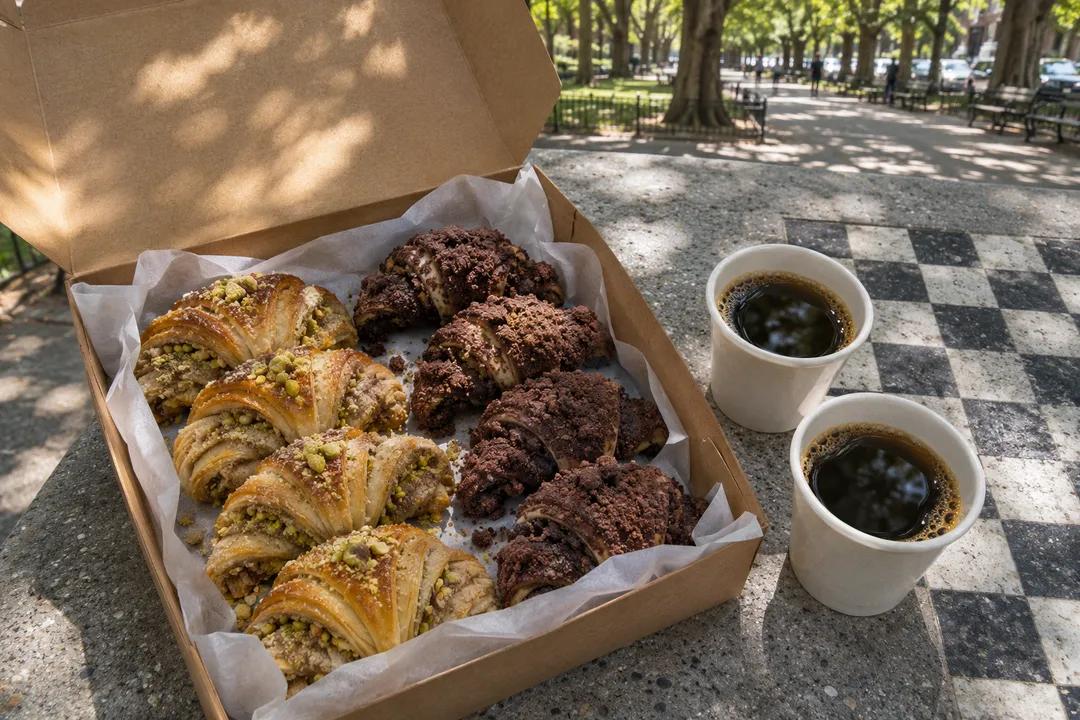
Once you have collected boxes from both Avenue J and Avenue M, walk four blocks west toward the wide, tree-shaded pedestrian malls of Ocean Parkway. Originally designed by Frederick Law Olmsted and Calvert Vaux as a verdant boulevard linking Prospect Park to the Atlantic shore, Ocean Parkway features rows of slatted wooden benches and concrete game tables tucked beneath towering London plane trees, safely separated from the central traffic lanes by raised stone curbs and leafy plantings.
Unfolding your wax paper on an Ocean Parkway bench lets you lay out a proper comparative spread in the dappled shade while cyclists, chess players, and neighborhood strollers pass along the paved promenade. Bring a small folding pocket knife or ask the bakery counter for a serrated cake server and a stack of paper napkins so you can cut clean cross-sections without crushing the delicate syrup-glazed pleats. While walking between the avenues and the parkway mall, you can also check the Karpo APP to locate nearby coffee counters, kosher dairy cafés, and shaded park benches along your southern Brooklyn route.
Timing the Pre-Sabbath Wave and Packing Sticky Syrup Trays
Because Midwood is an observant Orthodox neighborhood, the weekly calendar dictates the cadence of a bakery crawl here more than anywhere else in New York. Thursday afternoons and Friday mornings bring the highest oven turnover—meaning you can catch hot trays of every specialty flavor right off the cooling racks—but all bakeries along Avenue J and Avenue M lock their doors well before Friday sunset and remain closed through Saturday daytime. Sunday morning is the ideal sweet spot for visitors who want full cases, hot ovens, and an unhurried pace at the counter.
When transporting Midwood's signature syrup-drenched rugelach home on the Q train, never let the clerk pile them loose into a single deep paper bag where the sticky glaze will cement the pieces into a heavy brick. Ask for a shallow, flat cardboard pastry tray lined with parchment paper and laid out in a single layer, then slip that tray horizontally into the bottom of a wide-gusset shopping tote so every pleated spiral arrives on your kitchen table looking just as glossy as it did in the bakery window.
Ask Karpo for more information.
Keep reading
- Upper East Side Rugelach Bakery Crawl: Lexington to Park
 Upper West Side Rugelach Bakery Crawl: Sunday Pastry Boxes
 Lower East Side Rugelach Bakery Crawl: Grand to Essex