 Haaland Has Seven Goals and Norway Runs Entirely Through Him
⚽️2026 FIFA WORLD CUP
Nigeria's Super Eagles Bring World Cup Energy to Houston's Third Ward
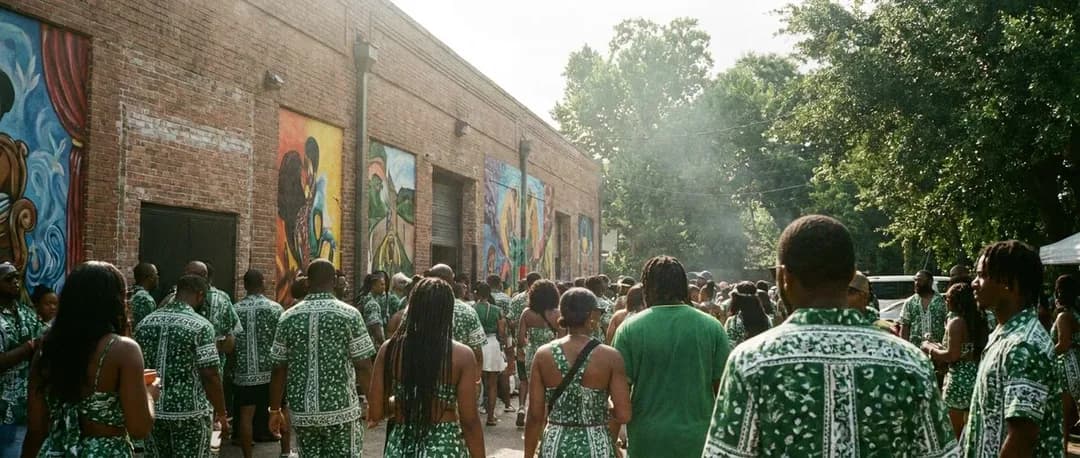
Houston's Nigerian community, one of the largest in the United States and concentrated in the Third Ward and Westheimer corridors, is channeling World Cup season energy into neighborhood viewing setups and community events that blend the Super Eagles' rich supporter culture with the specific rhythms of Houston summer life.
The bass from a generator-powered sound system rattles storefront windows along Dowling Street as dawn breaks over Third Ward, hours before the Super Eagles take the pitch half a world away. Nigerian flags already drape from second-story balconies, and folding chairs multiply on sidewalks outside the cafés and lounges where Houston's sprawling Nigerian community—estimated at over 150,000 strong—transforms ordinary weekday mornings into festivals of green and white. This isn't just match viewing; it's the convergence of immigrant pride, neighborhood identity, and the particular intensity that comes when a diaspora community watches its national team compete on the world stage while navigating Houston's brutal summer heat and the specific geography of belonging that Third Ward and the Westheimer corridors have become.
Viewing headquarters emerge along the Dowling corridor
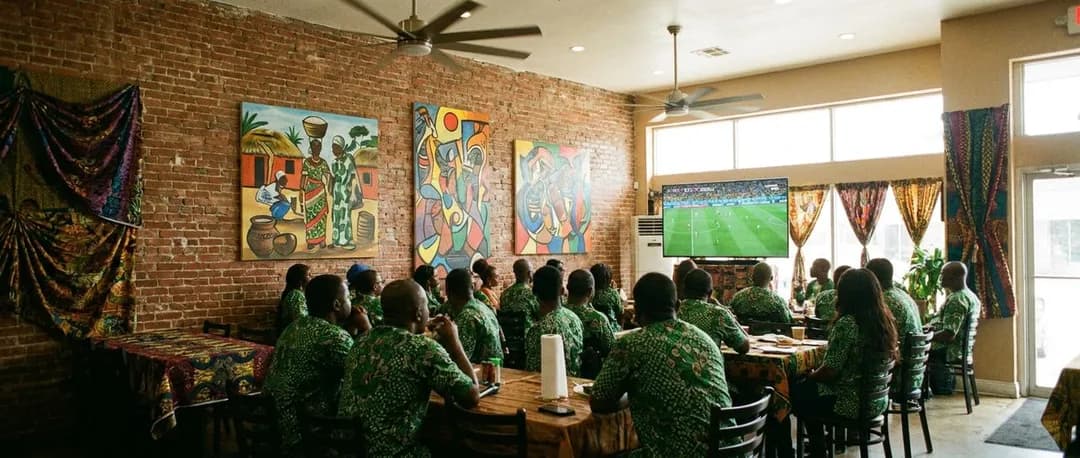
The concentration of Nigerian-owned businesses between Elgin and McGowen Streets has evolved into an unofficial Super Eagles district during tournament season. Afrikiko Restaurant & Bar, its parking lot already filling by 5 a.m. for early kickoffs, sets up projection screens both inside its air-conditioned dining room and under canopies outside, where the heat becomes tolerable as fans spray each other with water bottles during tense penalty sequences. Next door, Finger Licking Restaurant positions smaller screens throughout its space, the aroma of jollof rice and pepper soup mixing with the sharp scent of Star lager as regulars claim their usual tables before first light.
The setups grow more elaborate with each match. Buka Restaurant on Almeda Road brings in additional generators after the first game's power draw tripped breakers, while Nigerian House Restaurant on Westheimer installs industrial fans that do little against humidity but create the illusion of movement in air thick enough to chew. Managers arrive before staff, testing connections and adjusting angles, knowing that a frozen stream during a crucial moment could empty a room faster than a red card.
The Third Ward rhythm shifts for match days
The neighborhood's usual morning tempo—commuters heading downtown, delivery trucks servicing the medical center blocks south—gives way to something slower and more purposeful when Nigeria plays. Traffic thickens along Scott Street as families arrive from Missouri City and Katy, from the energy corridor suburbs where Nigerian professionals live but return to Third Ward for moments that matter. Parking attendants appear in church lots, waving cars into spaces that will bake in the sun for hours while their owners remain inside, eyes fixed on screens.
Street vendors set up earlier than usual, knowing the pre-match hours are prime time. Women sell chin-chin and puff-puff from coolers, their setup spots claimed through unspoken neighborhood hierarchy. A man with a cart of Nigerian flags, face paint, and knock-off jerseys positions himself at the corner of Elgin and Dowling, his inventory picked over by kickoff as fans layer green and white over their regular clothes, transforming into a unified mass that spills onto sidewalks when indoor spaces reach capacity.
The METRO rail's Purple Line sees unusual morning surges, groups in matching jerseys boarding at the Museum District and Ensemble stations, their chants audible over the train's hum. Some carry battery-powered radios, unwilling to miss even the pre-match commentary during the fifteen-minute ride. Transit police, accustomed to game-day crowds for Texans and Astros events, adjust to this different energy—louder, more musical, with call-and-response songs that passengers either join or tolerate with bemused patience.
Jollof rice politics and the breakfast spread
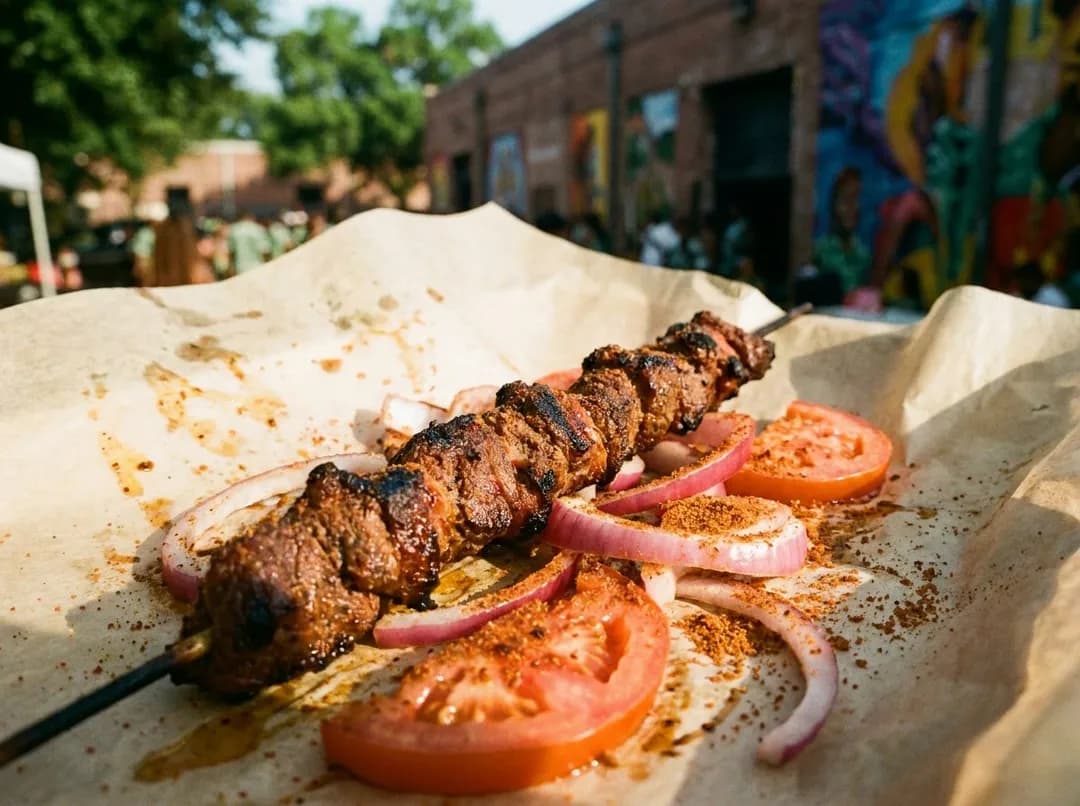
The food becomes its own competition, each establishment defending its version of match-day classics. Buka's jollof draws purists who argue its smoky undertone and firm grain texture represent the proper Lagos style, while Afrikiko's softer, tomato-forward version attracts those who grew up in the eastern regions. By 7 a.m., the kitchens pump out egusi soup, pounded yam, suya skewers still sizzling on metal trays, and akara fritters that disappear as quickly as they're plated.
The breakfast offerings adapt to Houston's influence—some spots serve kolaches alongside meat pies, and one café experiments with a Nigerian-Tex-Mex fusion that regulars either love or refuse to acknowledge. Coolers of malt drinks, Chapman cocktails, and Guinness Foreign Extra (the higher-alcohol Nigerian version) sit in melted ice by halftime, condensation pooling on linoleum floors that will need mopping before the final whistle.
Aunties—the term applied universally to older women regardless of actual relation—circulate with platters, ensuring no one watches on an empty stomach. The food serves multiple purposes: fuel for hours of standing and shouting, social currency as dishes are shared between tables, and a tangible link to home for those who haven't visited Nigeria in years but can taste memory in properly seasoned stew.
The roar carries beyond the viewing rooms
When Nigeria scores, the sound escapes every building simultaneously—a wave of noise that rolls down Dowling Street and echoes off the warehouses being converted to lofts two blocks west. Car horns join the chorus, drivers who couldn't find parking or chose to listen on radio adding their celebration to the collective moment. People pour onto sidewalks, dancing in circles, strangers embracing, the release of tension visible in shoulders that drop and faces that crack into unguarded joy.
The celebrations spill into Emancipation Park when matches end in victory, the historic green space that's anchored Third Ward's Black community since 1872 becoming an impromptu continuation of the party. Drummers appear—some planned, others spontaneous—and the dancing takes on structure as traditional moves mix with contemporary Afrobeats choreography. Children who were dragged to early-morning viewings suddenly find energy, racing between groups while parents finally relax, the match anxiety replaced by the easier task of managing sugar-high kids in afternoon heat.
Losses hit differently. The rooms empty faster, conversation muted as fans file out into sunlight that feels accusatory after hours in dim interiors. But even in defeat, the neighborhood holds together—managers offering discounted meals for the next match, regulars already debating tactics and lineup changes, the community's investment in the Super Eagles too deep to dissolve over a single result.
Westheimer's parallel universe of Nigerian nightlife
While Third Ward claims the morning matches, the Westheimer corridor between Fondren and Hillcroft transforms for evening kickoffs and post-match gatherings. The lounges here skew younger—second-generation Nigerian-Americans who grew up in Houston but maintain fierce connections to their parents' homeland. Vibe Lounge and Koko's set up outdoor screens in parking lots, the vibe more club than café, with DJs mixing Burna Boy and Wizkid tracks during halftime.
The crowd here dresses differently—designer jerseys, carefully coordinated green and white outfits that show up well in Instagram photos, the viewing experience as much about being seen as seeing the match. But when Nigeria plays, the generational differences dissolve. The same chants echo, the same nervous energy builds, and when the final whistle blows, the celebrations or commiserations feel equally authentic, just soundtracked by different music.
Food trucks cluster in these lots—Nigerian fusion tacos, suya fries, jollof rice bowls—catering to palates that crave home flavors in formats that fit Houston's casual dining culture. The gatherings extend past midnight after evening matches, the Westheimer spots becoming impromptu parties that the neighborhood's South Asian businesses next door have learned to expect and occasionally join, Houston's immigrant corridors overlapping in ways that only make sense after living here.
Practical notes
• Transit access: METRO Purple Line serves Third Ward viewing areas (Ensemble/HCC and EaDo/Stadium stops); limited parking fills early, with street parking extending 4-5 blocks from main venues; ride-shares surge during match times
• Timing: Venues open 90 minutes before kickoff for early matches (some as early as 5 a.m. for European time slots); arrive at least an hour early for seats; Westheimer locations operate on more flexible schedules for evening games
• Weather preparation: Indoor spaces reach capacity quickly in Houston summer heat; outdoor viewing areas provide fans and misters but remain challenging in 95°+ temperatures and humidity; afternoon matches (2-4 p.m. local time) are particularly brutal for outdoor setups
• Extended hours: Post-match gatherings continue 2-3 hours after final whistle for victories, with some Westheimer venues transitioning to regular club nights; Third Ward spots typically close by early afternoon for morning matches, reopening for dinner service
Tags: #SuperEagles #HoustonNigerian #ThirdWard #WorldCupHouston #NigerianDiaspora #Hous
Sources consulted: fifa.com (https://www.fifa.com) · visithoustontexas.com (https://www.visithoustontexas.com) · houston.culturemap.com (https://houston.culturemap.com)
All trademarks are the property of their respective owners.
Ask Karpo first
Wondering where Houston's Nigerian community and Super Eagles fans are gathering for World Cup matches this summer?
Ask Karpo for the latest on Third Ward and Houston Midtown viewing spots, Nigerian community event schedules, and the best places to follow Nigeria's World Cup campaign.
Ask Karpo for more information.
Keep reading
- Haaland Has Seven Goals and Norway Runs Entirely Through Him
 World Cup Trophy Ceremony Timing Medals and Postmatch Celebrations
 Olise and France's Attack: The Semifinal Tactical Question