 Haaland Has Seven Goals and Norway Runs Entirely Through Him
⚽️2026 FIFA WORLD CUP
New Zealand vs England World Cup 2026: The All Whites' Historic Knockout Bid
New Zealand face the Three Lions in what could be the All Whites' biggest football moment — here's why England shouldn't take this one lightly.
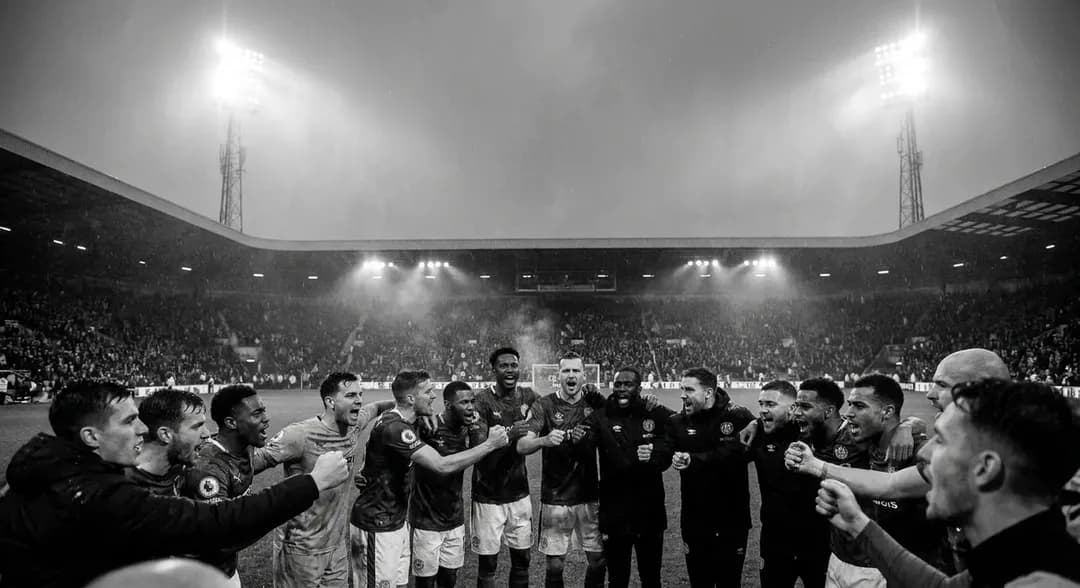
The MetLife Stadium in East Rutherford erupts as 82,500 fans rise to their feet, scarves whirling overhead in a sea of white and red. It's June 28, 2026, and something unprecedented is happening in American soccer history. New Zealand's All Whites, the tournament's most unlikely quarterfinalists, are 90 minutes away from potentially knocking England out of the World Cup. The David versus Goliath narrative writes itself, but anyone who's watched Danny Hay's revolutionized squad tear through Group C and upset Belgium in the Round of 16 knows this is no fairy tale—this is tactical brilliance meeting English complacency at the worst possible moment.
The Road to MetLife: How New Zealand Rewrote the Script
New Zealand's journey to this quarterfinal represents the most seismic shift in international football since Iceland's Euro 2016 run. After securing their World Cup spot through a dramatic intercontinental playoff victory over Peru, the All Whites arrived in North America with zero expectations and a completely transformed playing philosophy under coach Danny Hay.
The numbers tell an extraordinary story. New Zealand topped Group C with seven points, ahead of Croatia and Morocco, recording their first-ever World Cup victories against both nations. Their 2-1 triumph over Croatia in Chicago sent shockwaves through the tournament, built on a defensive masterclass that limited the 2018 runners-up to just 0.3 expected goals. More stunning still was their Round of 16 demolition of Belgium, where Chris Wood's clinical finishing and Sarpreet Singh's midfield orchestration exposed the aging golden generation's defensive frailties in a 3-1 victory that will be replayed for decades.
England, meanwhile, have navigated their path with characteristic efficiency rather than flair. Gareth Southgate's men cruised through Group A with wins over Iran, Wales, and a draw with the United States, before edging past Colombia on penalties in a Round of 16 encounter that highlighted ongoing concerns about creativity in the final third. The Three Lions possess superior individual talent across every position, but their 63% possession dominance against Colombia yielded just 1.2 expected goals—a concerning trend that New Zealand's analysts will have noted extensively.
Tactical Chess Match: Hay's Low Block Versus Southgate's Possession Puzzle
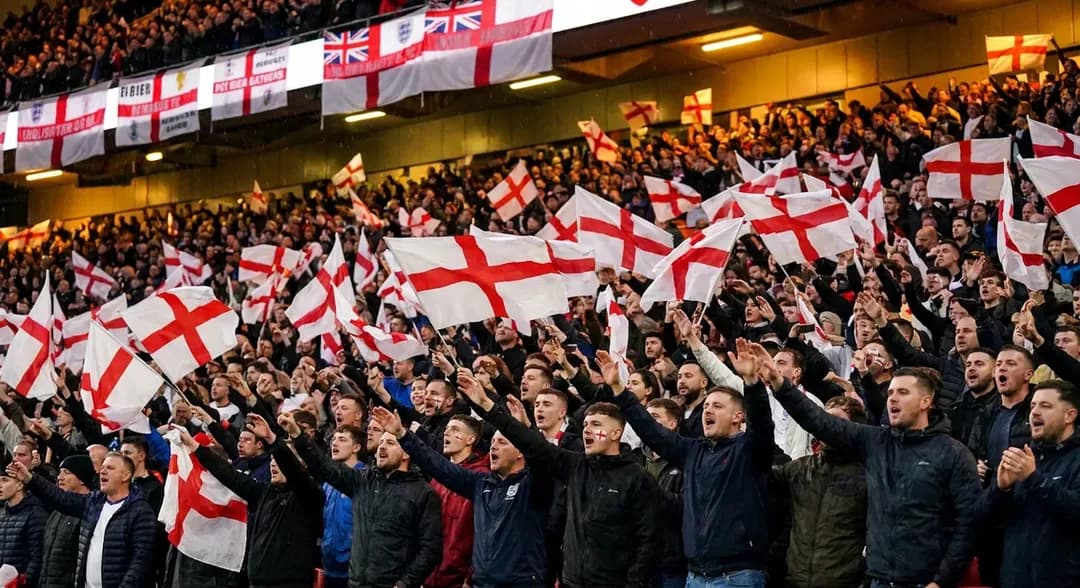
This quarterfinal will be decided by tactical nuance rather than individual brilliance, with Danny Hay's pragmatic approach perfectly designed to frustrate England's possession-heavy system. New Zealand have deployed a flexible 5-3-2 formation that morphs into a 3-5-2 during transitions, allowing wing-backs Liberato Cacace and Bill Tuiloma to provide width while maintaining numerical superiority in central areas.
The key battle lies in New Zealand's ability to press England's deeper midfielders while remaining compact in their defensive third. Sarpreet Singh, the Bayern Munich midfielder who's emerged as New Zealand's creative heartbeat, will drop between the lines to disrupt England's rhythm while launching rapid counter-attacks through Wood and Marco Rojas. Against Belgium, this system generated 14 counter-attacking sequences, converting three into clear scoring opportunities.
England's challenge centers on breaking down the most organized defensive unit remaining in the tournament. New Zealand have conceded just three goals across five matches, with center-back duo Winston Reid and Tommy Smith forming an experienced partnership that's neutralized opposition attacks through intelligent positioning rather than physical dominance. Southgate's response will likely involve pushing fullbacks Kieran Trippier and Luke Shaw higher up the pitch, creating overloads in wide areas where England's technical superiority should eventually tell. However, this approach leaves England vulnerable to the rapid transitions that dismantled Belgium's defense, particularly with Wood's pace causing havoc behind high defensive lines.
The Atmosphere: A Nation United Behind the All Whites
The fan dynamic surrounding this quarterfinal defies conventional World Cup narratives. New Zealand's traveling support, initially numbering fewer than 3,000 for their group stage opener, has swelled to over 15,000 as Kiwi expatriates across North America have rallied behind their team's historic run. The scenes in Auckland following the Belgium victory—tens of thousands gathering in Aotea Square at 4 AM local time—demonstrate how this World Cup campaign has captured the national imagination in unprecedented fashion.
Social media metrics reveal the scale of New Zealand's cultural moment. The All Whites' official accounts have gained over 800,000 followers since the tournament began, while Wood's post-match interview following the Belgium game generated 12 million views across platforms. The traditional haka performed by fans before each match has become a viral sensation, with even neutral supporters adopting the chant that echoes around stadiums 90 minutes before kickoff.
England's traveling support brings their own compelling narrative, with over 40,000 Three Lions fans expected to fill MetLife Stadium despite ticket prices reaching $2,500 on secondary markets. The "Football's Coming Home" mentality has been tempered by previous tournament disappointments, but underlying confidence remains that superior depth and experience will ultimately prevail. However, England supporters are acutely aware that underestimating New Zealand could result in another painful elimination that would rank among the most shocking in World Cup history.
Historical Precedent: When Underdogs Topple Giants
This quarterfinal evokes memories of football's greatest upsets, particularly Denmark's Euro 1992 triumph and Greece's Euro 2004 miracle. Like those Danish and Greek teams, New Zealand combine tactical discipline with clinical finishing and unshakeable belief forged through adversity. The All Whites' tournament journey mirrors Denmark's template: survive the group stage through defensive solidity, then capitalize on individual moments of brilliance when opportunities arise.
The historical head-to-head record heavily favors England, who have never lost to New Zealand across eight previous encounters. However, those meetings occurred between 1991 and 2018, before Hay's tactical revolution transformed the All Whites into a genuinely competitive international side. New Zealand's recent record against European opposition tells a different story—unbeaten in their last six matches against UEFA nations, including victories over Lithuania and Belarus during World Cup qualifying.
England's vulnerability to well-organized defensive teams has been exposed repeatedly in major tournaments. The 2016 European Championship elimination to Iceland, the 2018 World Cup semifinal loss to Croatia, and various struggles against deep-lying defensive blocks suggest tactical blind spots that New Zealand are perfectly positioned to exploit. Hay studied England extensively during their Euro 2020 campaign, identifying specific weaknesses in transition defense that his team's rapid counter-attacking system can target.
What to Watch: Key Battles and Predicted Outcome
Three specific duels will determine this quarterfinal's outcome. First, Wood's physical battle with England center-backs Harry Maguire and John Stones could prove decisive—the Burnley striker has won 73% of aerial duels throughout the tournament and poses England's defense their most direct challenge since facing Colombia's physicality. Second, Singh's midfield creativity against England's pressing will dictate New Zealand's ability to retain possession during crucial moments when defending narrow leads.
Most critically, New Zealand's defensive discipline during England's inevitable periods of sustained pressure will determine whether Hay's tactical masterplan can survive 90 minutes of elite-level probing. The All Whites have faced an average of 18 shots per game but conceded from just 16% of opposition chances—a conversion rate that suggests both excellent goalkeeping from Oliver Sail and intelligent defensive positioning.
England remain favorites given their individual quality and tournament experience, but New Zealand's tactical sophistication and momentum make this the most unpredictable quarterfinal remaining. Expect a cagey encounter decided by fine margins, with New Zealand's counter-attacking threat keeping England honest throughout. A 1-0 result either direction feels most likely, though England's superior depth should eventually prove decisive if the match extends to extra time.
Practical Notes
Coverage begins at 3 PM ET on FOX and Telemundo, with comprehensive pre-match analysis starting two hours before kickoff. New Zealand fans should check local Kiwi clubs for viewing parties, while English pubs across major North American cities are organizing special screenings with traditional matchday atmospheres.
MetLife Stadium's public transportation connections via NJ Transit make attending feasible for fans staying in Manhattan, though expect significant delays following the final whistle. Secondary market tickets remain available starting around $400, with premium seating commanding four-figure prices for what could be New Zealand's final World Cup match for another generation.
Tags
#WorldCup2026 #FIFA2026 #NewZealandFootball #AllWhites #EnglandFootball #ThreeLions #MetLifeStadium #WorldCupQuarterfinal #NZLENG #FootballHistory
All trademarks, logos, and brand names mentioned are the property of their respective owners.
Want to know where to find All Whites or Three Lions fan groups, plus the best pubs showing the match? Ask Karpo for the latest NZ vs England updates, a fan pub crawl guide, and a live route to your nearest screening.
Ask Karpo for more information.
Keep reading
- Haaland Has Seven Goals and Norway Runs Entirely Through Him
 World Cup Trophy Ceremony Timing Medals and Postmatch Celebrations
 Olise and France's Attack: The Semifinal Tactical Question