 Haaland Has Seven Goals and Norway Runs Entirely Through Him
⚽️2026 FIFA WORLD CUP
Netherlands at the World Cup: Hoboken's Dutch Bars and the Oranje Watch Zones Across the Hudson
Experience the vibrant orange tide as Hoboken embraces its Dutch heritage, transforming into a fervent World Cup haven for Oranje fans across the Hudson.
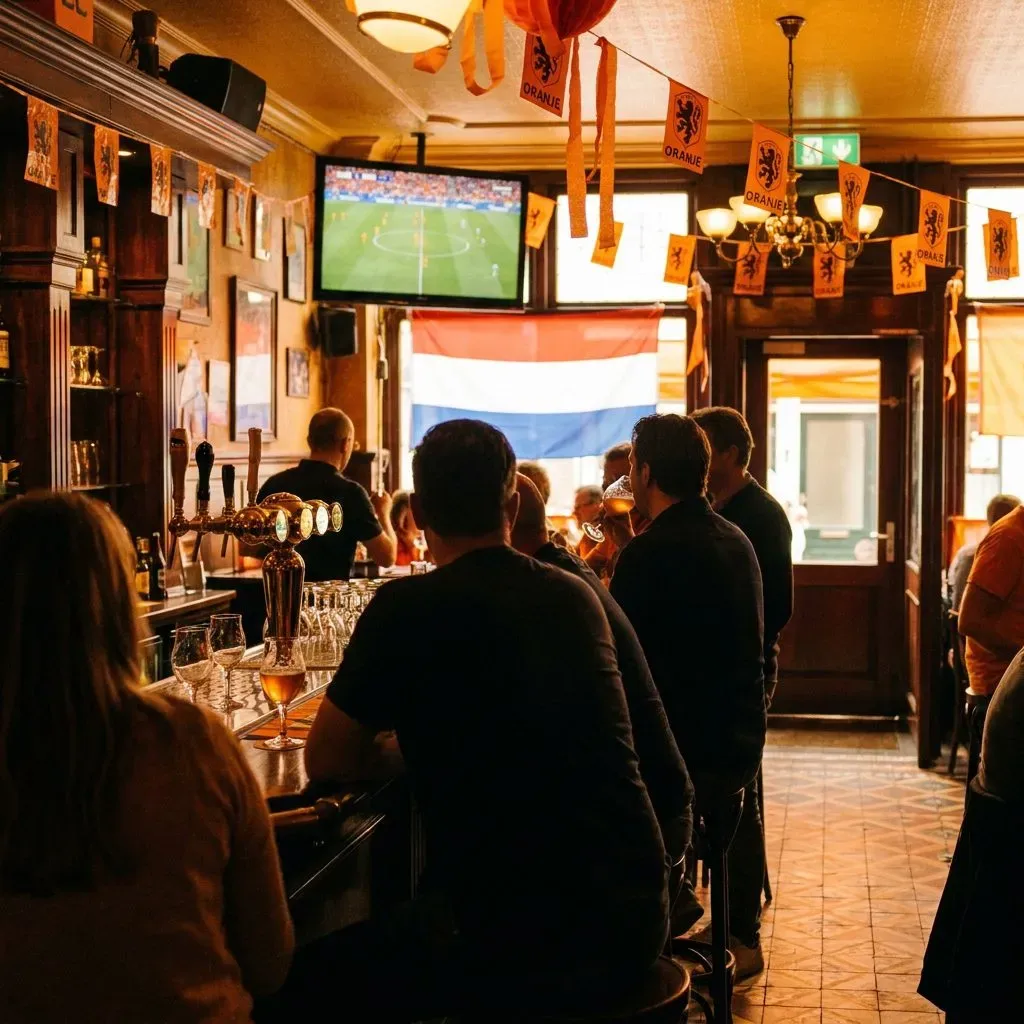
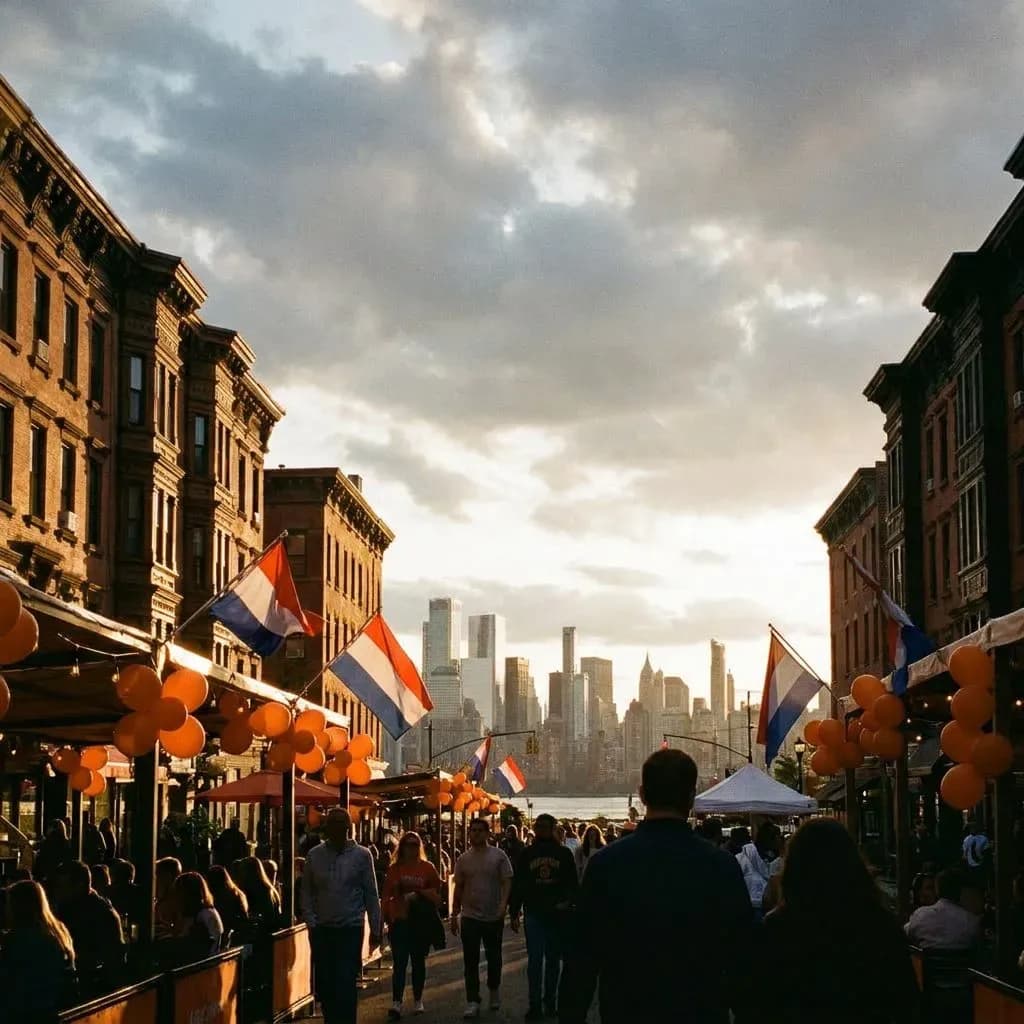
The air crackles with an almost palpable anticipation, a vibrant energy that hums through Hoboken as World Cup fever takes hold. On days when the Netherlands' Oranje grace the global stage, this riverside city transforms. Washington Street, usually a bustling artery of boutiques and eateries, pulses with a distinct orange glow, banners unfurling from historic brownstones and the cheers of fervent fans echoing against the Hudson River. It's a testament to Hoboken’s Dutch colonial heritage, a deep-rooted connection that springs to life with every whistle and goal, making it an essential pilgrimage for any supporter of the Dutch national team.
Hoboken's Oranje Waterfront Spectacle
The epicenter of Hoboken's Oranje revelry often converges near the waterfront, particularly around Pier A Park. While not a bar itself, this expansive green space, offering unparalleled views of the Manhattan skyline, acts as a magnetic north for pre-match gatherings and often, impromptu post-match celebrations. Imagine the scene: families in orange jerseys picnicking on the grass, the rhythmic thud of soccer balls kicked around by excited children, and the murmur of Dutch spoken among groups of friends. As kickoff approaches, the crowd inevitably funnels into the establishments lining Sinatra Drive and the lower blocks of Washington Street. Here, the larger sports bars, typically found between 1st and 4th Street, throw their doors open wide. These aren't your quiet, dimly lit pubs; they're cavernous spaces, often with multiple large screens, where the roar of the crowd is as much a part of the experience as the match itself. The scent of fried bar food mingles with the distinct aroma of imported lagers, creating a boisterous, communal atmosphere where strangers become instant friends united by their shared passion for the Oranje. Expect to see intricate face paint, elaborate Dutch flags draped over shoulders, and the occasional clatter of plastic clogs adding to the festive cacophony.
Across the Hudson: NYC's Diverse Oranje Watch Zones
For those seeking a contrasting, perhaps more sprawling, World Cup experience, New York City offers a diverse tapestry of viewing spaces, each with its own character. While Hoboken's charm lies in its concentrated, almost village-like dedication, NYC provides options ranging from intimate European-style cafes to massive outdoor viewing parties. In Manhattan, the West Village and Chelsea neighborhoods are often hubs for international sports. Here, Irish pubs and gastropubs, particularly along Bleecker Street or 8th Avenue, often dedicate screens to popular matches, including those of the Netherlands. The vibe here is typically more diverse, with fans of various nations mingling, creating a vibrant international tapestry of cheers and groans. These establishments might not be exclusively Oranje, but their energy is undeniable, and you'll often find pockets of Dutch supporters carving out their own space, their cheers rising above the general din. Another popular alternative can be found in larger public spaces, like specific plazas or parks in Midtown, where pop-up screens sometimes broadcast games, drawing immense, diverse crowds. The feeling here is less about a dedicated national experience and more about the sheer spectacle of a global event, with the skyscrapers of Manhattan towering as silent witnesses to the collective excitement.
What Match Day Actually Looks Like
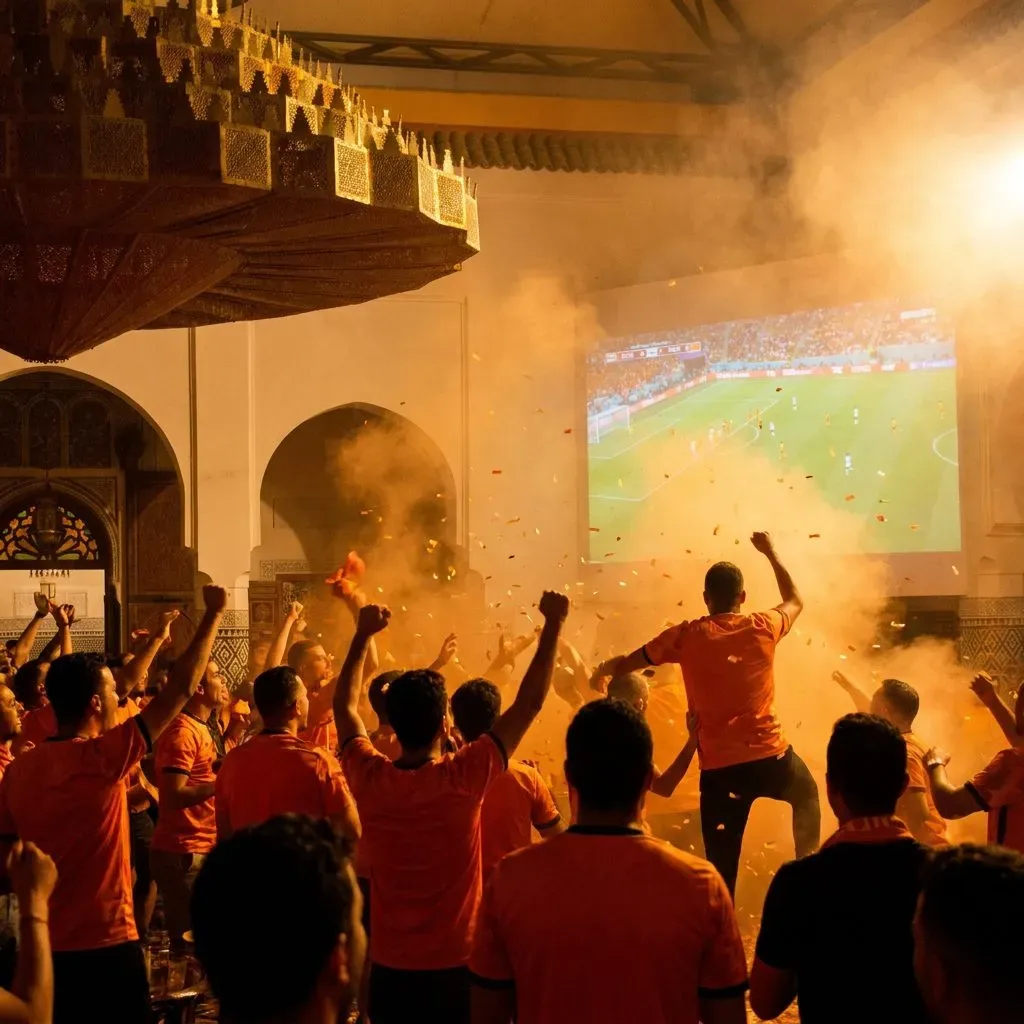
The rhythm of a World Cup match day for Oranje fans in Hoboken is a carefully choreographed event, even if it feels entirely spontaneous. It begins hours before kickoff. By late morning for an afternoon game, or even earlier for a morning fixture, the first waves of orange-clad fans start to appear on Washington Street. The air is thick with anticipation, a low hum of chatter and laughter. Flags begin to unfurl from car windows and apartment balconies, and the first strains of Dutch football anthems might drift from open doorways. As kickoff approaches, the energy intensifies. The sidewalks become a river of orange, all flowing towards the chosen viewing establishments. Inside, the atmosphere is electric. Pre-match analysis from commentators is often drowned out by collective chants. When the whistle blows, a palpable silence descends, broken only by nervous murmurs and the occasional sharp intake of breath. Every pass, every tackle, every shot on goal elicits a visceral reaction. A collective groan for a missed opportunity, a sudden roar for a brilliant save. When the ball hits the back of the net, the bar erupts – chairs might be knocked over, drinks slosh, and strangers embrace in a joyous explosion of sound and movement. It's a beautiful, chaotic symphony of shared emotion.
The Halftime Ritual
Halftime in a Dutch-dominated bar in Hoboken is more than just a break; it's a critical pause for strategic refueling and renewed camaraderie. As the referee's whistle signals the end of the first 45 minutes, there's a momentary easing of tension, a collective exhale. The roar of the crowd gives way to a buzzing murmur as fans assess the first half's performance. This is the moment for a quick dash to the bar for another round of Heineken or Grolsch, often accompanied by the satisfying crunch of a basket of crispy fries or a plate of chicken wings. Some establishments, particularly those with a stronger Dutch leaning, might even offer *bitterballen*, hot, crispy meatballs served with mustard, a true taste of the Netherlands. Conversations erupt, analyzing plays, debating referee decisions, and offering predictions for the second half. The energy is still high, but it's a more analytical, conversational energy, a brief respite before the emotional rollercoaster resumes. Restrooms see a frantic rush, and the cigarette break crowd spills onto the sidewalk, animatedly discussing tactics. It’s a collective reset, a chance to gather strength and belief before the do-or-die second half.
After the Final Whistle
The moments immediately following the final whistle are perhaps the most emotionally charged of the entire match day. If the Oranje have secured a victory, the eruption is instantaneous and deafening. Cheers, hugs, and celebratory chants fill the air, spilling out onto the sidewalks of Washington Street. Strangers embrace, flags wave wildly, and a spontaneous singalong of "Hup Holland Hup" is almost guaranteed. The feeling is euphoric, a collective high that can last for hours, with fans lingering, reliving key moments, and toasting their team's success. The streets remain awash in orange, a vibrant testament to a shared triumph. However, if the result is a loss or a disappointing draw, the atmosphere shifts dramatically. A collective moan, a palpable sigh of despair, washes over the crowd. Silence, thick and heavy, often descends, punctuated by frustrated murmurs and the clinking of glasses as fans slowly process the outcome. Heads hang low, shoulders slump. While the initial disappointment is profound, there's also a resilient spirit. Gradually, conversations turn to "what-ifs," future hopes, and the unwavering belief in their team, even in defeat. Whether in celebration or commiseration, the bond among the Oranje supporters remains fiercely strong.
Practical Notes for Visitors
Transit: Getting to Hoboken from NYC is incredibly convenient. The PATH train (Port Authority Trans-Hudson) is your best bet. From Manhattan, you can catch the PATH from 33rd Street, 23rd Street, 14th Street, 9th Street, or Christopher Street stations, all along 6th Avenue. Take the train towards Hoboken Terminal. The journey is quick, typically under 15 minutes from most stops. Once in Hoboken, Washington Street and the waterfront are easily walkable from the terminal, just a few blocks away. For those already in New Jersey, NJ Transit bus lines also serve Hoboken Terminal.
Timing: For optimal viewing and to secure a good spot, especially for crucial matches, arriving at least 1.5 to 2 hours before kickoff is highly recommended. Bars fill up quickly, and the best vantage points in front of screens become scarce. Even earlier for major knockout stage games.
Etiquette: While the atmosphere is boisterous and passionate, general bar etiquette applies. Be mindful of personal space, especially in crowded venues. Respect the staff, and be patient when ordering drinks during peak times. Most importantly, share in the collective energy, but be a good sport, whether your team wins or loses.
Unique Tip: Keep an eye out for local bakeries or delis along Washington Street that might offer special orange-themed pastries or Dutch treats on match days. It's a delicious way to immerse yourself in the local flavor and fuel your fandom beyond just the bar scene.
Tags: #FIFAWorldCup2026 #NetherlandsOranje #Hobokenwaterfront #HobokenNJNYC #WorldCupNYC #WorldCupWatch #WorldCupFans #FanCulture #WorldCupBracket #MatchDay #SoccerCulture #WorldCupStandings #LocalSportsBar #DiasporaCulture #WorldCupViewing
Sources consulted: fifa.com · timeout.com · espn.com · gothamist.com
All trademarks are the property of their respective owners.
Ask Karpo first
Want to know which Hoboken bar turns completely orange on Netherlands match days, whether the PATH train or ferry gets you there faster from Manhattan, and where the post-match Oranje crowd spills out? Ask Karpo for Dutch fan viewing updates, Hoboken transit tips, and the full Oranje experience across the Hudson.
Ask Karpo for more information.
Keep reading
- Haaland Has Seven Goals and Norway Runs Entirely Through Him
 World Cup Trophy Ceremony Timing Medals and Postmatch Celebrations
 Olise and France's Attack: The Semifinal Tactical Question