 Haaland Has Seven Goals and Norway Runs Entirely Through Him
⚽️2026 FIFA WORLD CUP

The Netherlands Came in as Dark Horses and Left the Group Stage Looking Lost
The Dutch arrived at the 2026 World Cup with one of Europe's most talented squads but delivered a group stage performance that left fans bewildered and pundits scrambling for explanations.
Pre-Tournament Hype Met Post-Match Silence
The Netherlands entered the 2026 World Cup as one of the trendy dark-horse picks. A squad stacked with Premier League and La Liga talent, a tactical system that looked both modern and flexible, and a fanbase that travels in massive orange waves — everything pointed toward a deep run. Then the matches started, and the narrative unraveled with startling speed.
Their opening group stage performance was cautious where it should have been bold. The Dutch struggled to control tempo against opponents they were expected to dominate. Midfield passing, traditionally the heartbeat of any Oranje side, looked disjointed. The post-match press conferences featured the kind of diplomatic non-answers that signal internal tension without confirming it.
Tactical Confusion on the Pitch
The most visible issue was a lack of tactical clarity. The Netherlands appeared to shift between formations within matches, not as a planned adjustment but as a panicked response to losing control. The back line, despite featuring individually talented defenders, never settled into a coherent unit. Gaps appeared between lines that organized opponents exploited with clinical efficiency.
In midfield, the expected creative dominance never materialized. Players who shine weekly for their clubs looked uncertain in their national team roles. Whether this was a preparation issue, a chemistry problem, or something deeper in the squad dynamics remains debated. What was clear to everyone watching was that this team was less than the sum of its parts.
The Fans Deserved Better
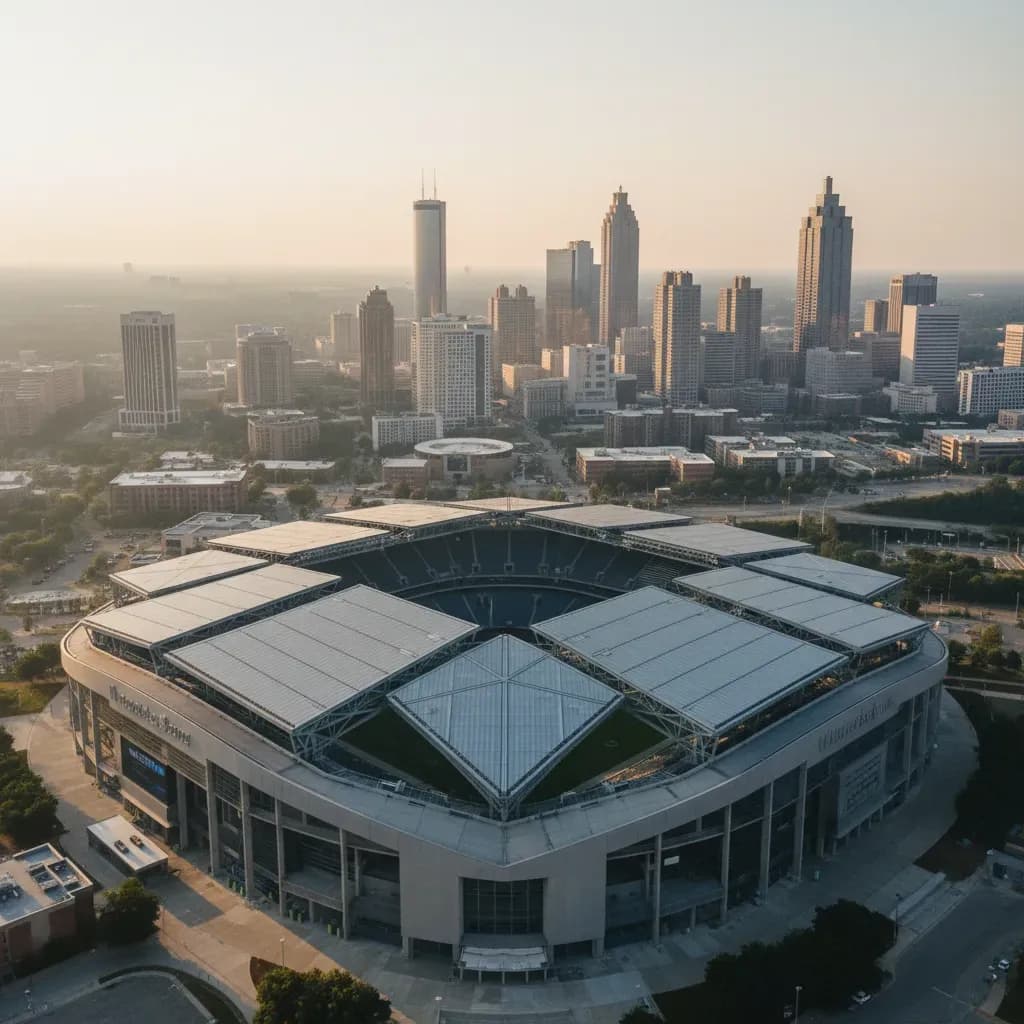
Dutch supporters are among the most loyal and visible at any World Cup. Orange-clad crowds turned sections of Atlanta into Amsterdam. They sang, they danced, they created the atmosphere that makes the World Cup special. And then they watched their team deliver performances that drained the energy from even the most committed supporters.
The contrast between the fans' investment and the team's output was painful. Social media from Dutch supporters ranged from constructive criticism to genuine heartbreak. Many had traveled thousands of miles and spent significant money to be present at what they hoped would be a memorable tournament. Instead, they got a masterclass in unfulfilled potential.
What Went Wrong Behind the Scenes
Reports emerging from the Dutch camp suggest that squad harmony was not as solid as the pre-tournament media portrayal implied. Club rivalries, disagreements over playing time, and tension between experienced veterans and emerging talent created an atmosphere that made cohesive football difficult. None of this is confirmed officially, but the on-pitch evidence supports the narrative.
The coaching staff's man-management came under particular scrutiny. Substitution timing, starting lineup decisions, and in-game adjustments all faced criticism from Dutch media, which is never shy about holding the national team to exacting standards. The pressure of a World Cup can expose cracks that friendlies and qualifiers paper over. For this Dutch squad, the cracks became canyons.

Historical Context Makes It Sting More
The Netherlands has a complicated relationship with World Cup performance. Three finals without a win before their eventual triumph, followed by cycles of rebuilding and resurgence — Dutch football fans understand disappointment on a generational level. But this tournament felt different because the squad's talent level suggested this was a genuine window of opportunity.
Comparisons to the Netherlands' Euro 2024 run — where they reached the semifinals and showed genuine tournament savvy — made the 2026 regression harder to stomach. How could a team that performed well in Germany just two years ago look so uncertain in the United States? The answer may lie in the difference between European competition comfort and the unique demands of a North American World Cup, from travel distances to climate to time zones.
Where the Dutch Go From Here
Whether this World Cup marks a temporary setback or the beginning of a longer rebuilding cycle depends on decisions made in the coming months. The coaching position will be evaluated. Player commitment to the national team will be tested. And the Dutch football infrastructure — which produces talent at a rate that belies the country's size — will continue to churn out players who demand to compete at the highest level.
For now, the orange jerseys are packed away earlier than anyone wanted. The fans will process their disappointment, regroup, and show up again because that is what Dutch football culture demands. The team owes them a response. Whether they get one is another tournament's question to answer.
Tags: World Cup 2026, Netherlands, Oranje, group stage, disappointment, dark horses, Dutch football, tactical analysis
All trademarks, team names, and player likenesses mentioned in this article are the property of their respective owners and are used here for informational and editorial purposes only.
Want to know which matches are still on in Atlanta, where the best fan zones are, and how to make the most of your World Cup trip even if your team is out? Ask Karpo for a post-group-stage survival guide and Atlanta match-day tips.
Ask Karpo for more information.
Keep reading
- Haaland Has Seven Goals and Norway Runs Entirely Through Him
 World Cup Trophy Ceremony Timing Medals and Postmatch Celebrations
 Olise and France's Attack: The Semifinal Tactical Question