There's a particular alchemy to South Boston diner culture that resists gentrification and trend cycles with the stubbornness of a Red Line delay. Walk into any of these establishments at three in the afternoon and you'll find the same thing: someone reading the Herald over eggs and toast, a waitress refilling coffee before you ask, and a laminated menu offering pancakes with the same earnestness at dawn or dusk. The counter seats are where the magic happens—vinyl stools bolted to the floor, elbows nearly touching, the kind of proximity that turns strangers into nodding acquaintances and acquaintances into people who know your regular order. This city guide isn't about discovering the new; it's about honoring the unchanged.
The Counter Is the Point
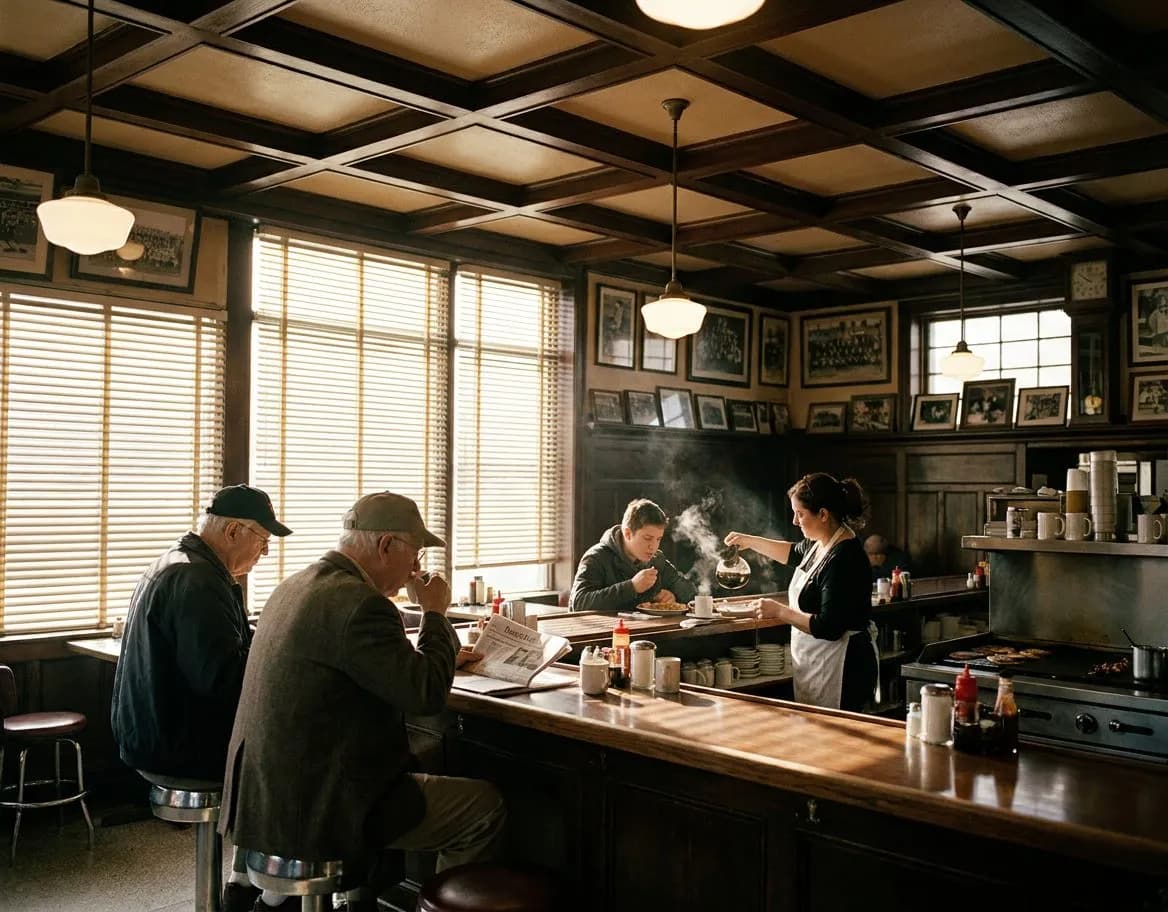
Counter seating in these diners isn't a consolation prize for people dining alone. It's the prime real estate, the place where regulars stake their claim and the rhythm of the kitchen unfolds in real time. You watch plates slide across stainless steel, hear the sizzle of hash browns hitting the flat-top, smell the coffee burning just slightly in the carafe that's been sitting too long. The architecture of the counter—that long, unbroken line—creates its own social contract: you might chat, you might not, but you're in it together.
The best seats, as any regular will tell you, are those closest to the coffee station. During the morning rush, these spots guarantee the fastest refills, and seasoned patrons know to claim them early. You can spot the regulars by their timing and their ease—they don't need to flag anyone down, because the pot is right there, and so is the understanding that coffee flows freely until you leave.
All-Day Breakfast, No Apologies
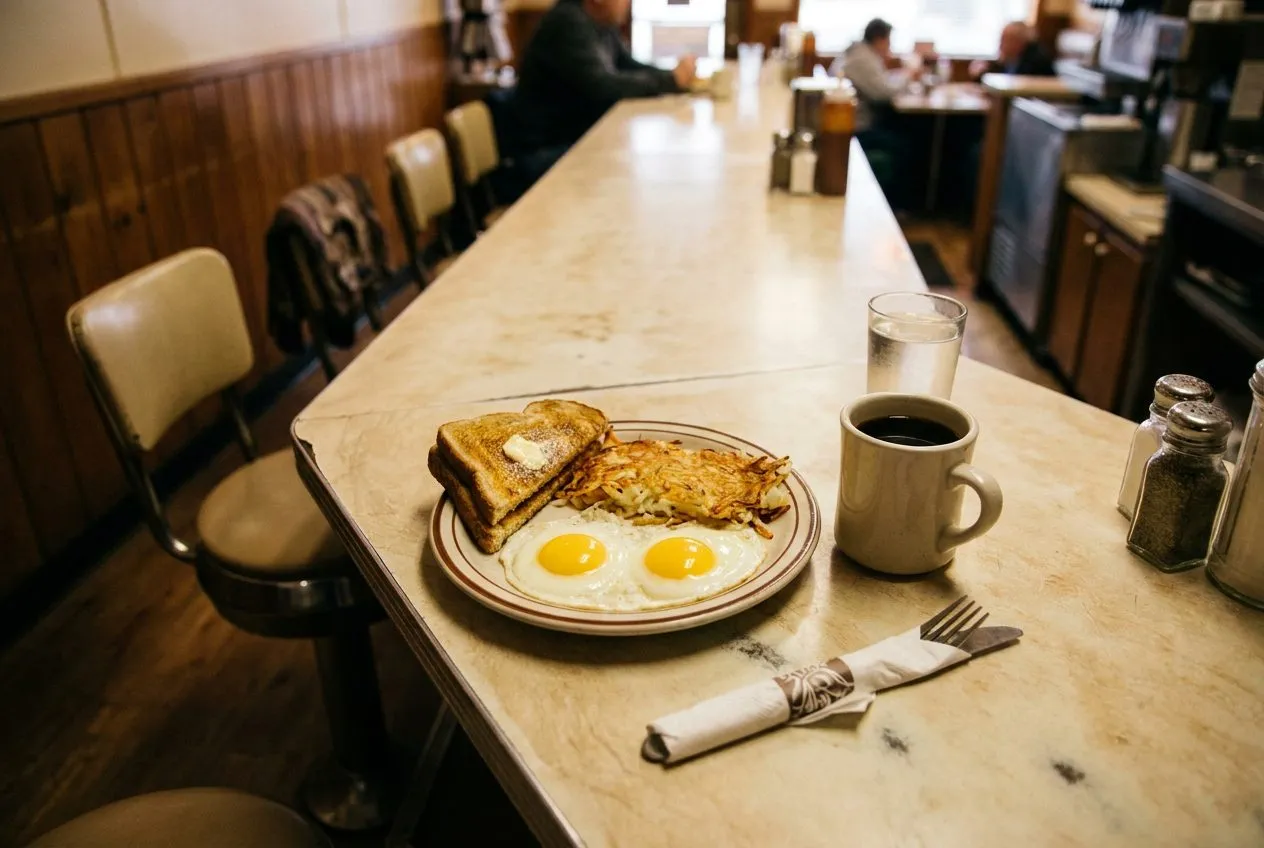
The beauty of South Boston diners is their refusal to police your meal timing. Want a short stack at 7 p.m.? No one blinks. Eggs over easy at 2:30 in the afternoon? That's just Tuesday. The menus are laminated testaments to consistency—Western omelets, corned beef hash, French toast that arrives with a pat of butter already melting into the surface. These aren't brunch destinations with wait lists and Instagrammable plating. They're places where breakfast is a constant, available and unpretentious, served on heavy ceramic plates that clatter when they land.
The food isn't trying to reinvent anything. It's doing what it's always done—eggs cooked the way you asked, bacon crisp or chewy depending on your preference, home fries with enough grease to feel like a small act of rebellion against every wellness trend of the past decade. The coffee is strong, possibly too strong, refilled without ceremony. And if you're there early enough—before seven in the morning, when the construction crews filter in—you can ask for the construction special at the counter: eggs, meat, toast, and coffee for under eight dollars. It's not advertised anywhere, not on the menu or the chalkboard, but it exists for those who know to ask.
Regulars and Their Rituals
Every diner has its cast of regulars, people whose presence is as fixed as the furniture. They arrive at the same time, order the same thing, occupy the same stretch of counter. There's a rhythm to it, a choreography born from years of repetition. At places like The Paramount on Charles Street is in Beacon Hill, not South Boston; remove the South Boston implication or replace it with a truly South Boston diner—remove the named regular and exact start year unless independently verified. If he's not there by eight in the morning, it's fair game, but most mornings he is, reading his paper, working through his eggs, part of the scenery.
These rituals matter. They're the thread that holds the fabric of a neighborhood together, small acts of constancy in a city that's always changing. The waitstaff remember names, dietary restrictions, bad days and good ones. You become known not by reservation or Instagram handle but by showing up, by being part of the daily hum.
The Aesthetic of Wear
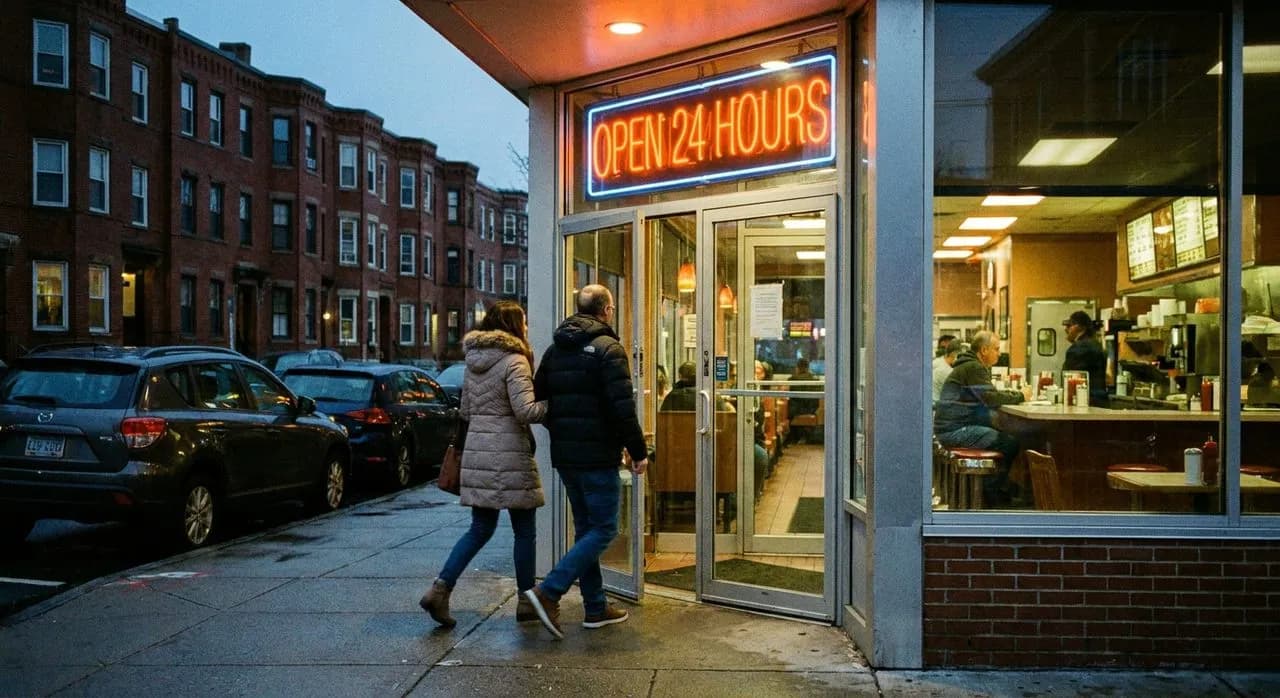
South Boston diners wear their age proudly. The Formica counters are nicked and scarred, the vinyl on the stools patched with duct tape in a few spots, the jukeboxes—when they're still around—loaded with selections that haven't been updated since the nineties. The lighting is fluorescent, unforgiving, the kind that makes everyone look a little tired. But that's part of the charm. These aren't spaces designed for ambiance. They're designed for function, for feeding people quickly and well, for creating a place that feels familiar the moment you walk in.
Cash Preferred, Patience Required
Many of these spots still operate on a cash-first basis, with credit cards accepted reluctantly or not at all. There's usually a slightly battered ATM in the corner if you've forgotten, but it's better to come prepared. The pace is its own too—no one is rushing you out, but no one is hovering either. You order at the counter or from your stool, your food arrives when it's ready, and you pay on your way out.
Service is warm but no-nonsense. The waitstaff call you 'hon' or 'dear,' refill your coffee without asking, and move with the efficiency of people who've done this a thousand times before. It's not performative hospitality; it's the real thing, earned through repetition and muscle memory. You're welcome here, but you're also expected to know the unspoken rules: don't hog a seat during the rush, bus your own table if it's busy, and tip in cash if you can.
Why They Endure
In a neighborhood that's seen waves of change—demographic shifts, rising rents, new developments crowding the skyline—these diners remain because they serve a need that's deeper than food. They're gathering places, neutral ground where construction workers and retirees and night-shift nurses can sit side by side. They're affordable, reliable, unpretentious. They don't require reservations or dress codes or the performance of knowing the right thing to order. You just show up, pull up a stool, and eat.
That simplicity is their strength. While other parts of the city chase the next trend, South Boston's diners hold the line, offering the same breakfast at the same counters with the same unshakeable sense of themselves. And in a world that often feels designed to make you feel inadequate or left out, that steadiness is worth more than any amount of Edison-bulb ambiance. It's not nostalgia. It's just good.
Practical notes
Many South Boston diners are near Broadway, but avoid the specific clustering claim unless verified Street parking can be tight during morning and evening rushes; metered spots are your best bet. Hours vary, but many open by 6 a.m. and serve breakfast until close; verify hours directly before heading out. Bring cash—many spots are cash-only or strongly prefer it. Accessibility varies by location; older establishments may have narrow aisles and limited wheelchair access. Expect wait times during weekend mornings, but counter seats usually turn over faster than booths.
Tags: #SouthBoston #BostonDiners #AllDayBreakfast #CounterCulture #PullUpAChair #CityGuide #BostonEats #OldSchoolBoston #DinerCulture #BreakfastAnytime #ForTheLocals #NeighborhoodGems #BostonFood #AuthenticBoston #LocalFavorites
Sources consulted: Diner · South Boston · City of Boston · Time Out Boston Restaurants · Boston Magazine Food & Dining
All trademarks are the property of their respective owners.