 Where to Eat Near Penn Station That Isn't a Chain
US Open 2026

US Open Solo Travel Guide for First-Time New York Visitors
Plan a flexible solo US Open day in New York with smart ticket choices, transit timing, food breaks, comfort tactics, social energy, and backup options.
A solo trip to the US Open can be one of the easiest ways to experience New York sports, because you control the pace: linger at a tense outer-court set, leave a crowded walkway when you need air, eat when the lines dip, and change plans without negotiating with a group. For 2026, the confirmed main draw window is August 30 through September 13, but the useful mindset is flexibility. Session timing, vendors, player assignments, and access conditions can change, so the best first-timer plan is not a rigid hour-by-hour script. It is a set of decisions that help you enjoy tennis, food, transit, personal comfort, and the social energy of the grounds even when the day moves differently than expected.
Text Karpo Now: Tell us what matters most for US Open Solo Travel Guide for, and Karpo can turn current US Open updates into a practical plan before you go.
Choose Your Day Scenario
Start by deciding what kind of solo day you want. A tennis-maximizer day means arriving with energy, prioritizing live play, and accepting that meals may be quick. A New York visitor day balances tennis with a smoother commute, a real food break, and time to understand the grounds. A social-energy day leaves room for fan areas, casual conversations, and unhurried breaks. None is more correct than the others; the mistake is trying to do all three at once on your first visit.
If this is your first time in New York, build a soft landing into the morning. Check the official US Open schedule before leaving your hotel, then check again before entering the grounds. Match courts and player assignments are not something to assume in advance. Instead of chasing one name all day, pick two or three priorities: a stadium session if your ticket includes it, a close-up court experience if access permits, a proper meal, and one rest window. That structure keeps the day satisfying even if a match ends quickly or stretches longer than expected.
- For a tennis-first day, eat before peak hunger and keep moving toward active courts.
- For a visitor-first day, allow extra transit time and treat the grounds as part of the attraction.
- For a social day, choose a visible break spot and keep your schedule loose.
Tickets And Match Flexibility
Your ticket shapes the day more than any travel hack. Before you buy or leave for the venue, read the official ticket rules for what your session includes, where you may sit, and whether you can access particular courts or areas. Do not assume that a ticket automatically gives you every view you imagined from television. Some experiences depend on the session, seat location, court capacity, and current access conditions. A solo fan has an advantage here: one person can often pivot faster than a group when lines build or when a court becomes too full.
Plan around probabilities, not promises. Early in the day, you may have more stamina for walking and exploring. Later, you may prefer a reserved seat, a shaded pause, or a less crowded corner. Because match lengths are unpredictable, avoid scheduling a must-do meal, merchandise stop, or transit departure immediately after a match you care about. Give yourself buffers. The emotional rhythm of tennis is part of the fun: a quick straight-set match can open the day, while a long battle can become the memory you came for.

Food Water And Comfort
Food at a major tennis event is not just a meal; it is crowd management. Vendors and offerings can change, so do not build the day around one specific stand unless you confirm it on site or through official information. The better strategy is to decide when you want to eat. A first-time solo visitor should consider an early lunch or late afternoon meal instead of waiting until everyone nearby gets hungry at once. If you are prone to indecision, walk the main food area once, choose, and commit. Wandering while hungry wastes both energy and tennis time.
Comfort matters more than most first-timers expect. You may spend hours on your feet, in lines, on stairs, or moving between courts. Wear shoes that already work for long city days. Bring only what official rules allow, and check the current bag and entry guidance before packing. A light layer can help if your day continues into the evening, while sun protection can matter during exposed daytime stretches. Solo travelers should also identify restrooms, water options, and quieter seating areas early, before they urgently need them.
- Eat before you are desperate, especially if you want to catch a specific match window.
- Refill or buy water when lines look manageable, not only when you are already overheated.
- Use changeovers and set breaks for quick tasks, but avoid disturbing seated fans during play.
- Take one intentional rest break before fatigue affects your decisions.
Transit And New York Timing
For New York visitors, transit is part of the event plan. Use the MTA’s US Open guidance and current service information before you go, then recheck for changes before the return trip. The simplest solo approach is to choose your route in advance, save it offline or screenshot it, and know your fallback if service is disrupted or you leave at a different time than expected. Build in more time than an app’s best-case estimate, because event crowds, station navigation, and first-time confusion can all add minutes.
Leaving is often the moment when a flexible plan pays off. If you exit at the same time as a major crowd, accept that the first few minutes may move slowly. A solo fan can wait out the surge with a snack, restroom stop, or final walk through public areas if access allows. If you have dinner plans in Manhattan, Queens, or near your hotel, make them forgiving rather than exact. The day’s tennis may end earlier or later than you guessed, and you do not want a great match to feel like a scheduling problem.
Practical Notes
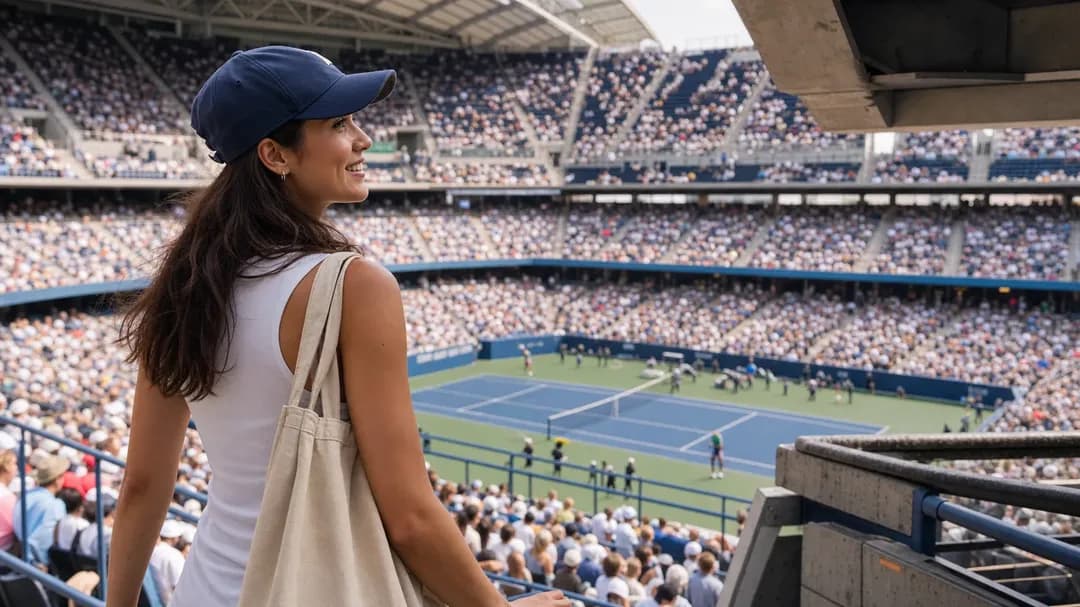
Going alone does not mean being isolated. Tennis is friendly for solo spectators because the shared subject is always in front of you: the score, a long rally, a surprising comeback, or the question of which court to try next. Keep conversations light, respect people who prefer quiet, and never talk during points. If you want a more social day, sit where casual chatter naturally happens between games, or use food and standing areas as low-pressure places to meet other fans.
Also protect your social battery. New York, crowds, security lines, and constant scoreboard checking can be stimulating even for extroverts. Give yourself permission to watch one match without photographing it, to skip a crowded attraction, or to leave while you still feel good. A successful solo US Open day is not measured by how many courts you visit. It is measured by whether you felt present for the tennis and confident moving through the venue and city.
The night before, review the official event schedule, visit guidance, ticket rules, and MTA information, then pack around current rules rather than memory. Charge your phone, bring a backup battery if permitted, and save your ticket, route, hotel address, and emergency contact details where you can access them quickly. On arrival, note your entrance area, a reliable landmark even if you are solo, and the nearest guest services location. Make one tennis priority, one food priority, and one comfort priority; if all three happen, the day is a win. Keep weather, crowds, and changing access conditions in mind, and avoid promising yourself a specific player appearance unless it is confirmed by the official schedule for your ticketed session.
Tags: #USOpen2026 #Tennis #GrandSlam #NewYorkTennis #ArthurAsheStadium #FlushingMeadows #USOpenGuide #TennisFans #SportsTravel #HardCourt #NewYork #KarpoFinds
Sources consulted: usopen.org — Official reference · usopen.org — Official reference · new.mta.info — Official reference
All trademarks are the property of their respective owners.
Ask Karpo first
Want to know what is confirmed, when to show up, and how to make us open solo travel guide for work for your day? Ask Karpo for current US Open updates, a respectful fan plan, and a live route around Flushing Meadows.
Ask Karpo for more information.
Keep reading
- Where to Eat Near Penn Station That Isn't a Chain
 Andytown Coffee in the Outer Sunset: The Snowy Plover Explained
- Best Things to Do in Chicago: What the City Gives Away