 Where to Eat Near Penn Station That Isn't a Chain
US Open 2026
US Open Photography Guide: Camera Rules and Best Viewpoints
This practical US Open photo guide helps visitors check current camera rules, choose realistic viewpoints, stay comfortable, and keep backup plans ready before traveling.
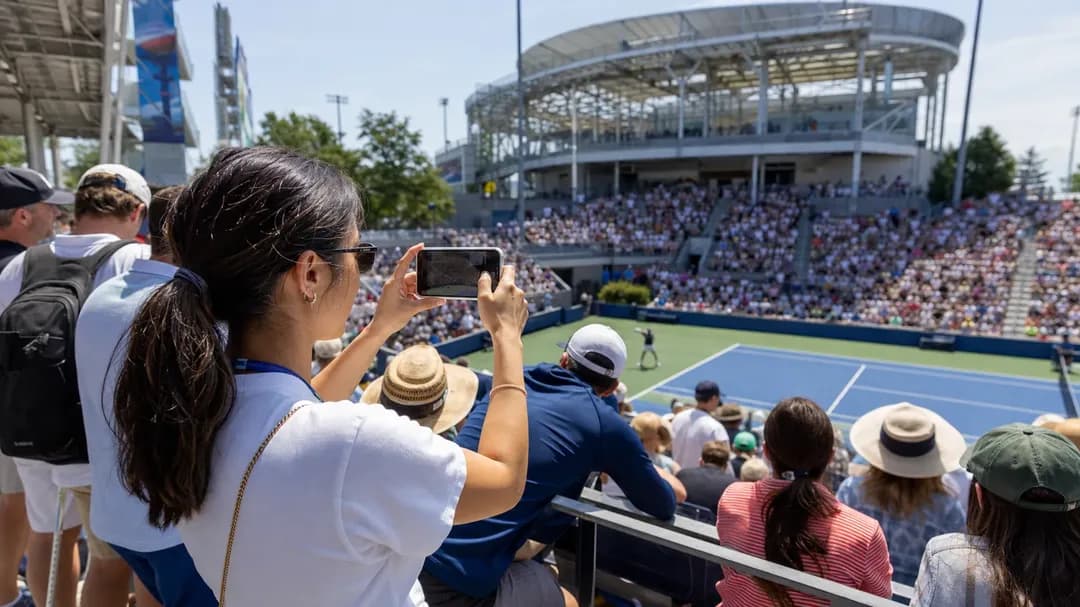
A good US Open photo plan starts before you reach the gate. The event is busy, security rules can change, and the best picture is often the one you can take comfortably without slowing your day or blocking someone else’s view. Before traveling, check the official US Open Visit page, Grounds Map, and Event Schedule, then pack for the policies and onsite information posted at that time. This guide is for everyday visitors using a phone, compact camera, or small personal setup who want sharp memories of the grounds, the courts, the skyline moments, and the energy of a late-summer tennis day in New York. It does not replace official visitor rules, and it should not be used to justify questionable gear at security. Treat photography as part of your matchday, not the whole mission: plan lightly, move respectfully, and leave room for weather, crowds, schedule changes, and the reality that some of the best moments happen when your camera is already in your pocket.
Text Karpo Now: Tell us what matters most for US Open Photography Guide Camera Rules, and Karpo can turn current US Open updates into a practical plan before you go.
Check Rules Before Packing
The confirmed rule-check step is simple: use the official US Open visitor information before you leave, not an old social post, a forum answer, or a memory from a previous year. The Visit section is the place to confirm permitted and prohibited items, entry procedures, bag guidance, and current security instructions. If your camera body, lens, bag, stabilizer, monopod, tripod, microphone, or other accessory is not clearly acceptable under the current wording, choose the smaller setup or leave the questionable item behind.
This matters because photography rules are operational, not theoretical. A camera that is easy to carry may still be a problem if an attachment blocks aisles, disrupts nearby fans, or conflicts with posted rules. A phone is the lowest-risk tool for most visitors. A compact camera may be reasonable if current policy allows it. A larger kit creates more decisions, more security friction, and more fatigue, especially when you are also managing tickets, food, water, merchandise, and crowded walkways.
- Read the official Visit page the week of your visit and again the night before travel.
- Compare your planned gear with the current prohibited-items language, not with past-year advice.
- Keep your setup small enough to manage while walking, eating, queueing, and sitting.
- Have a backup plan if gear is refused, such as returning it to lodging or switching to phone-only.
Choose Your Camera Setup
For most fans, the best setup is the one you will actually use all day. A modern phone handles wide shots of plazas, stadium exteriors, friends, food areas, merchandise areas, and nighttime atmosphere with very little effort. Use burst mode for serves and celebrations, tap exposure on bright courts, and clean the lens often. If you bring a compact camera, prioritize battery life, fast autofocus, quiet handling, and a comfortable strap over extreme zoom. You are attending a live event, not working from a photo pit.
Think through the trade-off between reach and access. Long lenses can make players look closer, but they are harder to hold steady, more likely to bother seat neighbors, and more likely to raise rule questions. Wide and mid-range images often tell the better visitor story: the court framed by fans, the scale of Arthur Ashe Stadium, the glow around evening sessions, or a quiet walkway between matches. Bring fewer accessories than you think you need. Extra parts slow security checks, add weight, and increase the chance that something becomes inconvenient or unusable under current rules.
Best Viewpoints Around Grounds
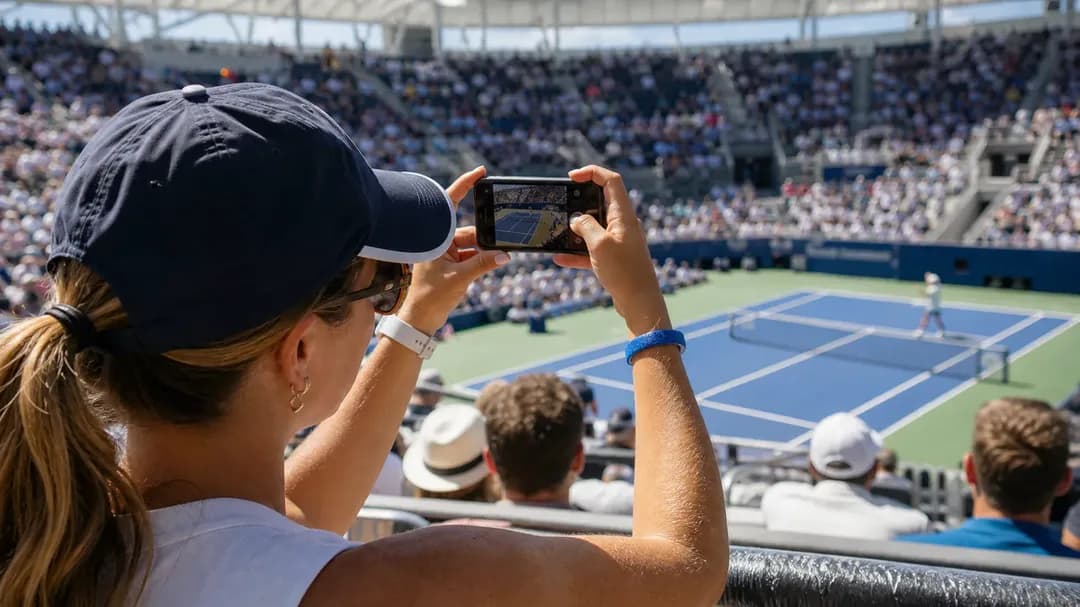
The official Grounds Map is your planning tool for viewpoints. It shows how the venue is laid out, where courts and key visitor areas sit, and how you can move between them. Rather than chasing one perfect spot, build a short route. Stadium exteriors are useful early, when people are arriving and signage is visible. Concourses and upper seating areas can give wider compositions, especially when the crowd, court, and roofline or lighting all work together. Lower seats can feel intimate, but they are not always best for clean photography if heads, railings, or tight angles block the frame.
For tennis action, corners usually create stronger photos than straight-on views because you can see body shape, court lines, and ball direction in the same frame. For atmosphere, step back. Fans entering, scoreboard glows, accessible public viewpoints, and the transition from daylight to night can be more memorable than a distant player close-up. If practice-court viewing or other areas are available during your visit, use them only as current operations allow. Always respect ushers, seating rules, and other spectators’ sightlines. A photo is not worth standing in an aisle, lingering in a restricted area, or blocking someone who paid to watch the match.
Build A Matchday Photo Plan
Use the official Event Schedule to understand the rhythm of the tournament, while remembering that individual match timing can shift with weather, match length, and operational decisions. Daytime gives stronger natural light and easier phone results. Evening can produce dramatic color and stadium mood, but moving subjects require steadier hands and more careful exposure. If photography is a priority, arrive with enough time to scout your entrance area, identify restrooms and food options on the map, and take general grounds photos before you become focused on a match.
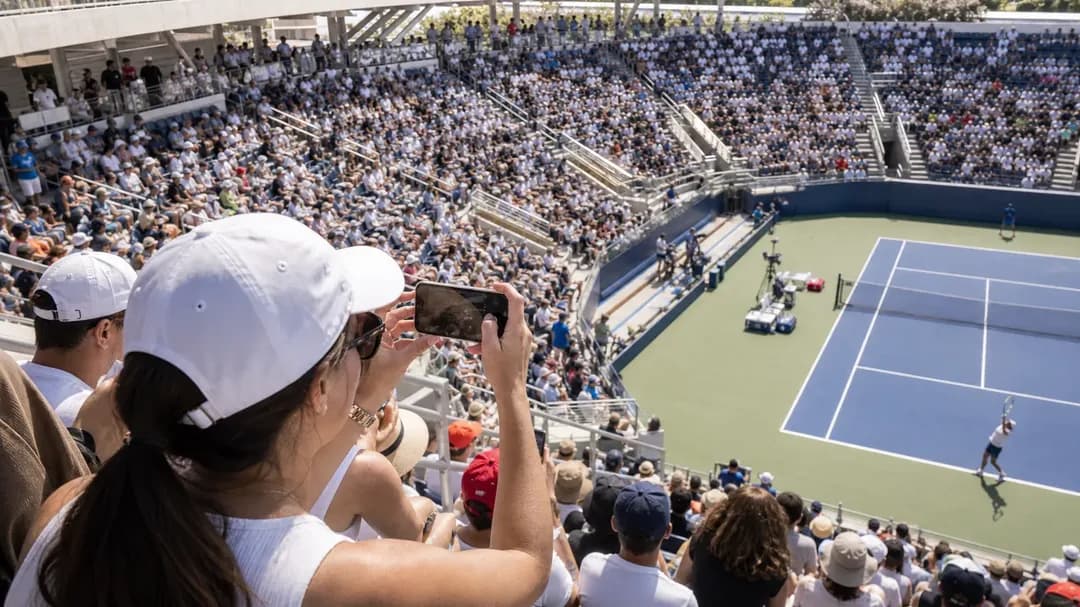
During play, be selective. Take a few action bursts, then watch points with your eyes. Between changeovers, look for legal, non-disruptive photos of the court, scoreboard context, and crowd patterns. Do not use flash during play, do not lean into aisles, and do not hold devices above your head for long periods. Build in a no-photo stretch so you can enjoy the atmosphere without managing settings. A respectful fan gets better photos because they are not constantly being corrected, rushed, or resented by the row behind them.
Practical Notes
Before leaving for Queens, charge every device, free storage space, and pack only what you can carry comfortably for several hours. Check the official US Open Visit page for the latest entry and item rules, the Grounds Map for navigation, and the Event Schedule for the day’s overall structure. Wear comfortable shoes, expect walking and waiting, and plan shade, hydration, and meals around current onsite options rather than assumptions from past visits. If you need accessible routes, seating help, or guest services, verify the current official information before travel. Your best alternative is simple: if a camera choice creates uncertainty, go lighter and use your phone well. Save your energy for the photos that matter most: arrival, first sight of the court, a favorite player if they are scheduled and visible from your seat, the people you came with, and the feeling of being there.
Tags: #USOpen2026 #Tennis #GrandSlam #NewYorkTennis #ArthurAsheStadium #FlushingMeadows #USOpenGuide #TennisFans #SportsTravel #HardCourt #NewYork #KarpoFinds
Sources consulted: usopen.org — Official reference · usopen.org — Official reference · usopen.org — Official reference
All trademarks are the property of their respective owners.
Ask Karpo first
Want to know what is confirmed, when to show up, and how to make us open photography guide camera rules work for your day? Ask Karpo for current US Open updates, a respectful fan plan, and a live route around Flushing Meadows.
Ask Karpo for more information.
Keep reading
- Where to Eat Near Penn Station That Isn't a Chain
 Andytown Coffee in the Outer Sunset: The Snowy Plover Explained
- Best Things to Do in Chicago: What the City Gives Away