 Where to Eat Near Penn Station That Isn't a Chain
US Open 2026
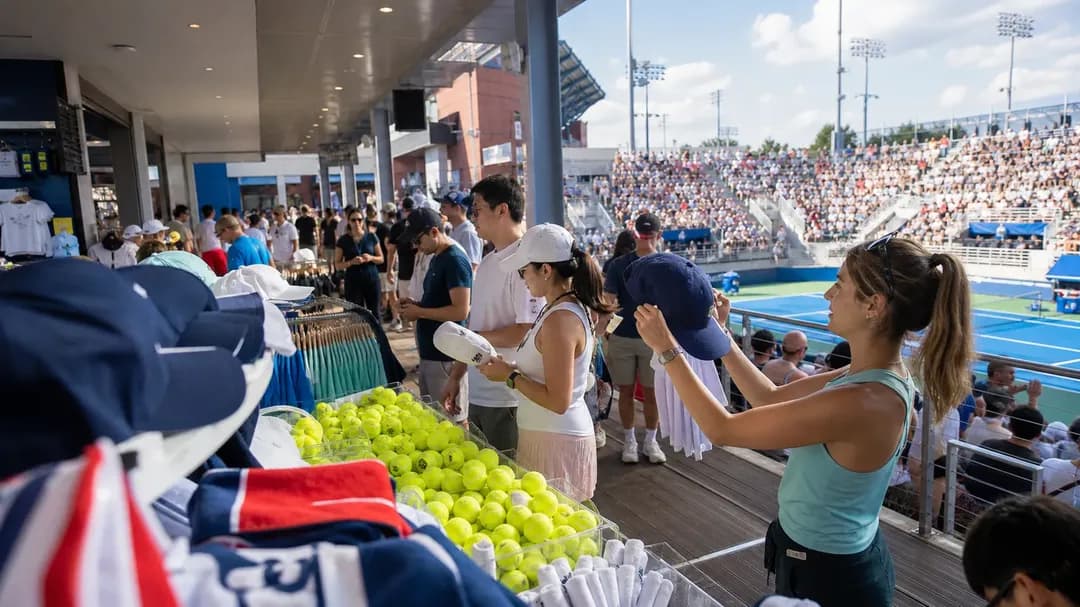
US Open Souvenir Guide: What Is Actually Worth Buying
This practical US Open souvenir guide helps visitors decide what to buy, when to buy it, and how to avoid carrying regret around the grounds.
A US Open souvenir is easiest to judge after you stop treating it like a trophy and start treating it like something you must carry, pack, wash, display, or explain later. For many visitors, the best purchase is not the biggest logo item or the first thing seen after entering the grounds; it is the object that fits the day they are actually having. A night-session visitor with dinner plans has different needs than a full-day fan moving between courts. A family with children may value comfort and durability over collectability. A first-time New York visitor may want one unmistakable keepsake, while a repeat tennis fan may prefer something subtle enough to use all year.
Text Karpo Now: Tell us what matters most for US Open Souvenir Guide What Is, and Karpo can turn current US Open updates into a practical plan before you go.
Start With Your Day
Before buying anything, map your tennis day. The official US Open visitor pages, grounds map, and event schedule are the right starting points because policies, operating details, vendors, and locations can change. Use them before travel and again close to your session. Your souvenir strategy should follow your ticket type, arrival time, expected walking, weather, and exit plan. If you are arriving early and staying late, weight matters. If you are coming mainly for one stadium session, convenience may matter more than browsing every retail location.
The biggest mistake is shopping as if the grounds are a mall detached from the event. They are not. You may be moving through security, navigating crowds, watching warmups, finding food, checking court activity, and protecting your phone battery. A large purchase can become a burden if you still want to climb stairs, sit comfortably, or squeeze through busy concourses. A garment bought only for the logo may disappoint if it does not handle heat, travel, or real washing.
What Is Worth Buying
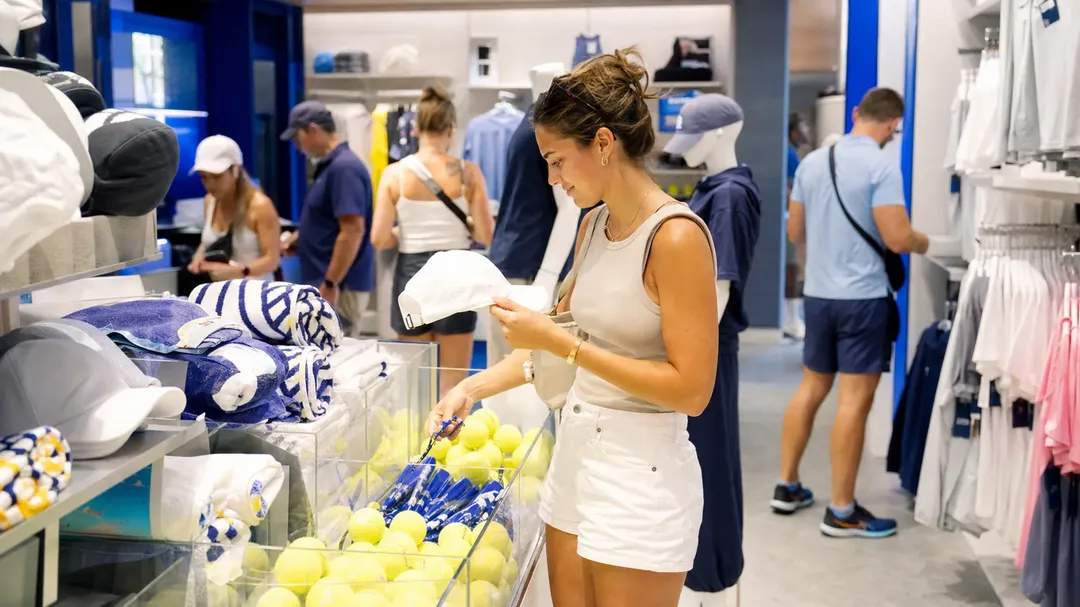
The safest value is usually in items that combine memory with use. A cap, towel, simple shirt, outer layer, or small accessory can become part of your tennis life instead of living in a drawer. Apparel is especially attractive when you would wear it beyond tournament week. If the design only works inside the grounds, pause before paying. A clean mark, a year-specific detail, or a New York reference can be enough without turning the item into a costume.
Collectible value is more personal. A dated item can feel special because it anchors the exact year you visited, but it may also age quickly if you prefer timeless gear. Autograph-friendly items are tempting, yet they depend on chance, access, timing, and player availability, none of which should be assumed. If the whole value of a purchase depends on getting it signed, it may not be the right purchase. Buy it only if you would still like it unsigned.
- Best practical buys: wearable apparel, hats, towels, small accessories, and items that pack flat.
- Best memory buys: dated designs, event-specific graphics, and items tied to your first visit or favorite court experience.
- Highest regret risk: bulky objects, delicate display pieces, impulse premium items, and anything bought only because of crowd pressure.
- Good alternative: take strong photos of the grounds, court entrances, scoreboard areas, and your group before buying more merchandise.
For New York visitors, the best souvenir may be one that survives the rest of the trip. If you are going to restaurants, museums, hotels, trains, or airports after your session, choose something that fits easily into your existing bag and does not demand special care. A shirt can be folded. A cap can be worn. A rigid display piece may become a logistical project. That does not make it wrong, but it raises the threshold: you should love it enough to manage it.
When To Buy It
Timing is the hidden souvenir decision. Buying early gives you the best chance to find your size or preferred design, but it also means carrying the purchase all day. Buying late reduces the carrying burden, but stock and selection can change. No visitor guide can promise inventory, and official details should be checked close to the event. Treat availability as uncertain, especially for popular sizes, limited designs, and weather-reactive items such as hats or layers.
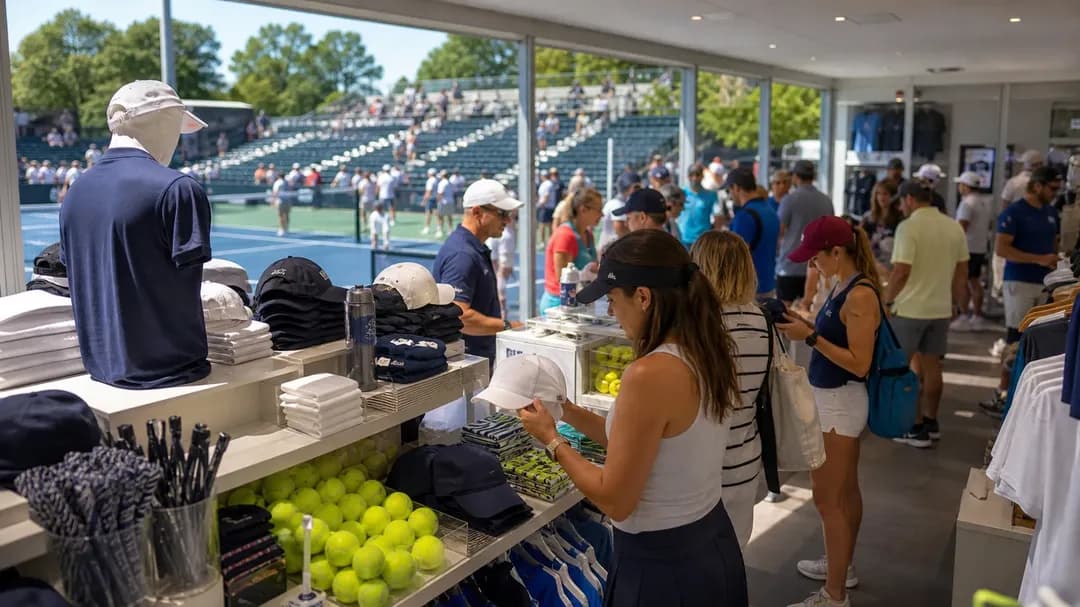
A balanced approach works well: browse early, buy small early, buy bulky late. If you see one item that clearly defines your trip and fits easily in your bag, do not overthink it. If you are unsure, take a photo, note the location on the grounds map, and continue with your tennis day. This prevents the classic mistake of spending heavily before you have seen the atmosphere, watched matches, or learned what you actually need.
Weather also changes the value equation. A hat, breathable shirt, towel, or layer may become more than a souvenir if conditions make it useful during the session. Still, do not use discomfort as a license to buy something you dislike. If you need comfort immediately, choose the simplest functional item available rather than the flashiest one. You are solving a problem first and collecting second.
Policy Checks Before Checkout
The practical side of souvenir shopping starts before you enter the grounds. Check the official US Open visitor information for current rules on bags, prohibited items, entry procedures, accessibility information, transportation, and guest services. Do not rely on old screenshots, social media summaries, or a friend’s memory from a previous year. The tournament’s visitor pages and grounds map are the authoritative planning tools, and the event schedule helps you understand how much time you may realistically have between arrivals, matches, meals, and exits.
Be careful with anything that changes how you move through security or seating. If you plan to bring a bag, verify the current bag policy directly with the tournament. If you are considering camera equipment, gifts, outside items, or anything unusual, check the official prohibited-items guidance rather than guessing. If you need accessibility support, consult the official accessibility and guest-services information before travel so your shopping plan does not interfere with your route, seating, or timing.
- Before travel, confirm the latest visitor policies on the official US Open site.
- On arrival, use the grounds map to locate retail, dining, restrooms, guest services, and exits.
- Before buying, ask whether the item is allowed, portable, weather-safe, and packable.
- Before leaving, keep receipts, small items, and keepsakes secured in one place.
Payment and return details are another area where visitors should avoid assumptions. Retail procedures, accepted payment methods, exchanges, and item availability can change. If return flexibility matters to you, ask at the point of sale before buying. If you are purchasing a gift, confirm size, care instructions, and whether the recipient would actually wear a visible tournament mark. A souvenir that creates an errand after the trip is rarely a bargain.
Practical Notes
Pack as if you might buy one small item, not as if merchandise will solve your whole day. Leave space in your bag if the current policy allows that bag, bring only what you are prepared to carry through crowds, and keep essentials separate from purchases. Bookmark the official visit page, grounds map, and event schedule before leaving your hotel, because mobile service and battery life can become practical issues during long days. If you are attending with a group, agree on a shopping window so one person’s browsing does not cost everyone a match. For children, set expectations before entering retail areas. For travelers flying home, choose soft, flat, durable items unless you have protected luggage space.
The right US Open souvenir should make the day easier to remember, not harder to manage. If it is useful, packable, personally meaningful, and bought with current official policies in mind, it is probably worth considering. If it is expensive, awkward, dependent on a hoped-for autograph, or likely to sit unused, let the moment pass. The grounds, the matches, the New York setting, and the people you came with are already part of the souvenir.
Tags: #USOpen2026 #Tennis #GrandSlam #NewYorkTennis #ArthurAsheStadium #FlushingMeadows #USOpenGuide #TennisFans #SportsTravel #HardCourt #NewYork #KarpoFinds
Sources consulted: usopen.org — Official reference · usopen.org — Official reference · usopen.org — Official reference
All trademarks are the property of their respective owners.
Ask Karpo first
Want to know what is confirmed, when to show up, and how to make us open souvenir guide what is work for your day? Ask Karpo for current US Open updates, a respectful fan plan, and a live route around Flushing Meadows.
Ask Karpo for more information.
Keep reading
- Where to Eat Near Penn Station That Isn't a Chain
 Andytown Coffee in the Outer Sunset: The Snowy Plover Explained
- Best Things to Do in Chicago: What the City Gives Away