 Haaland Has Seven Goals and Norway Runs Entirely Through Him
⚽️2026 FIFA WORLD CUP
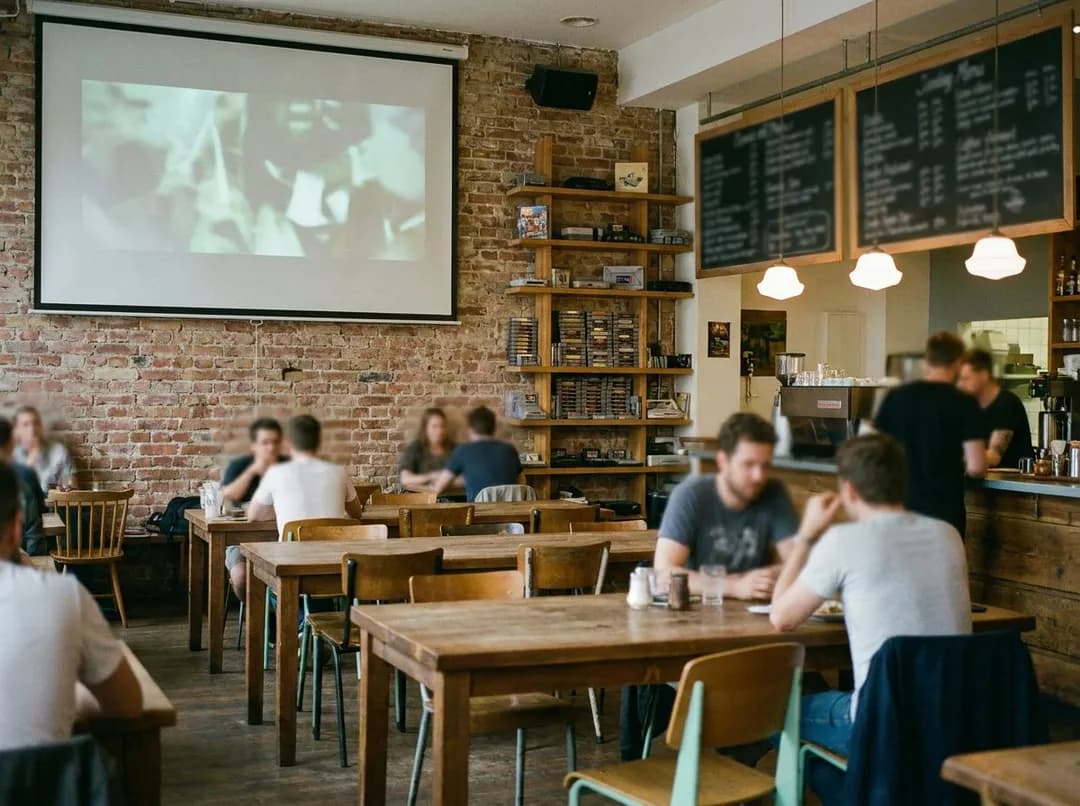
Mount Pleasant Gaming Cafes Where Ocarina of Time Remake Talk Meets World Cup Streams
Indie game spaces pause speedruns and remake theories to project tournament matches, blending nostalgic gaming culture with live soccer energy.
Where the Triforce Meets the Trophy
You walk into a Mount Pleasant gaming cafe on a World Cup match day and the air smells like solder and burnt coffee, the kind that's been sitting on a hot plate since opening. Someone's mid-speedrun on a CRT in the corner, fingers flying through Water Temple shortcuts, but the projector's already warming up on the opposite wall. The room doesn't choose between pixelated Hyrule and live penalty kicks—it holds both at once, controllers cooling beside pint glasses as kickoff approaches. This neighborhood's indie game spaces have always understood that obsession takes many forms, and right now that means pausing remake speculation threads to watch a tournament that only happens once every four years.
The Geometry of Dual Screens
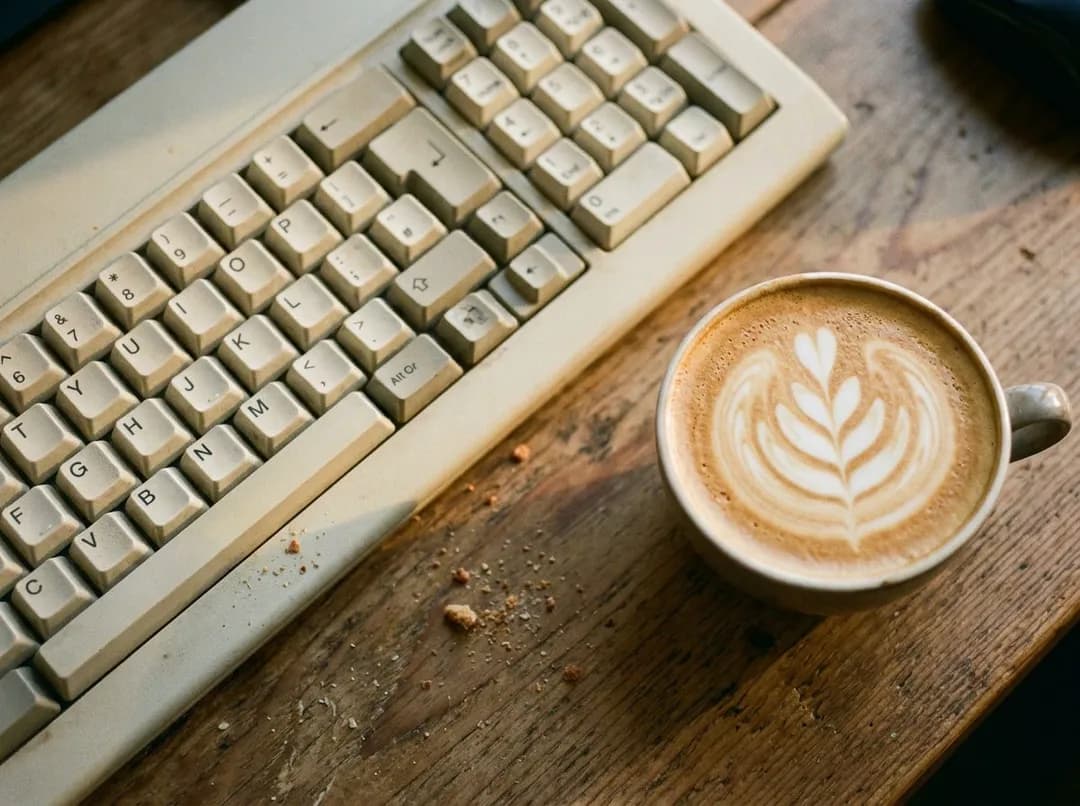
The layout matters more than you'd think. Most of these cafes run a two-screen system during matches—the main projector carries the game while smaller monitors keep speedrun attempts and retro playthroughs alive in the periphery. You'll see someone glance up from a Majora's Mask randomizer to catch a corner kick, then drop back into their own world without missing a cycle. The sound mixing is where things get interesting. Cafe staff toggle between broadcast commentary and the venue's regular lo-fi playlist during halftime, creating this strange temporal blur where you're hearing both the roar of a stadium crowd and the soft plinking of the Lost Woods theme. The lighting shifts too—they dim the overheads when matches start, and suddenly all those vintage arcade cabinets lining the walls glow brighter, their attract-mode screens pulsing like they're watching along.
The Regulars Who Code Between Halves
You start recognizing faces after a few visits. There's a cluster of developers who camp out with laptops during afternoon matches, writing Unity scripts between plays, their mechanical keyboards clacking through quiet moments. They're working on indie projects with names you won't know for another year, taking advantage of the fact that these spaces charge by the hour for table time, not by consumption. During halftime they'll pivot to Ocarina remake debates—whether the rumored 2026 version will preserve the original's geometry exploits, if texture packs will be moddable, whether speedrunners will adopt it or stick with N64. The conversation flows like they're debugging code, testing theories against known variables. When the second half starts, laptops stay open but eyes drift upward. Someone always keeps score in a shared doc.
Diaspora Energy and Borrowed Jerseys
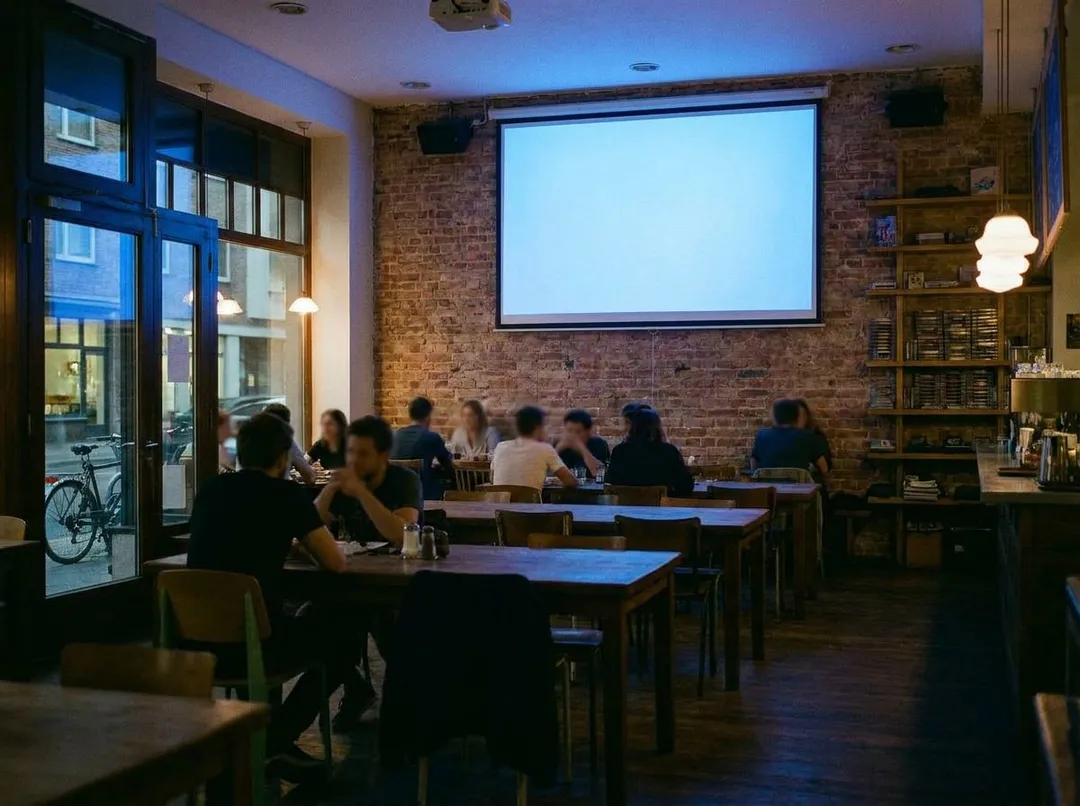
The crowd composition shifts depending on who's playing. When certain national teams take the field, the cafe fills with supporters who've clearly texted their networks, arriving in waves wearing jerseys that range from pristine replicas to sun-faded shirts from tournaments past. The gaming regulars don't leave—they just make room, sharing tables with strangers who've come specifically for the match. You'll overhear conversations in three languages at once, someone explaining offside rules to a player who's only ever known esports terminology. By the second match week, you'll see borrowed jerseys—a regular draping a scarf over their Zelda hoodie, temporary allegiance formed through proximity. The cafe staff seem to anticipate these surges, stocking specific snacks that appear only on match days, items you won't find on the regular menu but that somehow materialize when the right crowd shows up.
The Smell of Instant Noodles at Altitude
The kitchen situation in these places is usually minimal—a hot water dispenser, a microwave, maybe a panini press if you're lucky. But the instant noodle selection runs deep. We're talking imported Korean ramyun, Japanese tonkotsu cups, Thai tom yum packets, the kind of variety that signals someone's curated this collection with intent. During matches, the room fills with overlapping MSG-rich steam, each table's choice revealing something about their background or their current craving. The sound of peeling back foil lids becomes part of the match-day soundtrack. You'll catch yourself getting hungry not from what you see but from what you smell two tables over. Some regulars bring their own additions—a soft-boiled egg, sliced scallions in a small container, hot sauce in their bag. The cafe doesn't mind. This isn't a restaurant enforcing outside-food rules; it's a space that understands sustenance comes in many forms, and sometimes that form is a dollar-fifty packet of noodles you doctor into something that carries you through extra time.
The Pause Button Nobody Presses
Here's what doesn't happen: nobody pauses their game when a goal goes in. The speedrunner keeps running, the randomizer player keeps cycling through checks, the person grinding through a first-time playthrough of Twilight Princess doesn't look up. But their shoulders tense. You can see them tracking the room's energy through peripheral awareness, the way their posture shifts when the crowd noise spikes. They're not ignoring the match—they're holding space for it while maintaining their own focus, a kind of parallel processing that feels specific to people who've spent years training their attention across multiple inputs. After the goal, during the replay, that's when they'll glance up to catch what happened. The respect goes both ways. When someone hits a personal best or completes a particularly difficult trick, the soccer watchers notice, offering nods or quiet congratulations before returning to the match. The cafe becomes this weird democratic space where all achievements count roughly equally.
When the Projector Cools and Controllers Warm Again
The energy shift after final whistle is immediate but not jarring. The projector stays on for post-match analysis, but the volume drops, and you hear the room rebalancing—controller clicks getting louder, mechanical keyboard sounds resuming their rhythm, someone booting up a multiplayer session that's been waiting for two hours. The soccer crowd doesn't vanish instantly. They linger, ordering one more drink, asking about the games they've been watching people play all afternoon. Sometimes they stay, picking up a controller to try something unfamiliar, guided through the first few minutes by someone who's just watched their team win or lose. The transition feels natural because nobody's pretending these are separate worlds. They're just different expressions of the same impulse—watching something unfold in real time, whether you can control it or not.
Practical Notes
Most Mount Pleasant gaming cafes operate on hourly table rates, usually covering your spot and basic access to their console library. Bring cash as backup since card minimums vary. Transit's straightforward—the Main Street bus corridor puts you within walking distance of several spots. Matches during weekday afternoons draw smaller crowds than weekend games, if you prefer space to spread out. Some venues take reservations for tournament matches, others work first-come basis. Arrive at least thirty minutes before major games if you want a sight-line to the main screen. The noodle selection is self-serve in most places; the hot water dispenser is your friend. These spaces typically open late morning and run until midnight or later, extended hours on match days. Check their social feeds for any viewing party announcements, though the vibe stays low-key even when packed.
Tags: #MountPleasantVancouver #GamingCafe #2026FIFAWorldCup #OcarinaOfTime #SpeedrunCulture #IndieGaming #VancouverNightlife #RetroGaming #WorldCupViewing #SoccerCulture #VancouverEats #GamerCommunity #MountPleasantEats #VancouverGuide #FIFAWorldCup2026
Sources consulted: fifa.com · espn.com · timeout.com
All trademarks are the property of their respective owners.
Ask Karpo for more information.
Keep reading
- Haaland Has Seven Goals and Norway Runs Entirely Through Him
 World Cup Trophy Ceremony Timing Medals and Postmatch Celebrations
 Olise and France's Attack: The Semifinal Tactical Question