 Haaland Has Seven Goals and Norway Runs Entirely Through Him
⚽️2026 FIFA WORLD CUP
Morocco World Cup 2026 Roster: A Scouting Guide to the Atlas Lions' Key Players
Fresh off their historic 2022 semifinal run, Morocco's World Cup 2026 roster blends veteran leadership with emerging talent — meet the players making the Atlas Lions roar.
The roar that echoed through Al Bayt Stadium in Qatar four years ago still reverberates through the Atlas Mountains today. As Youssef En-Nesyri's header found the back of Portugal's net in the World Cup 2022 quarterfinals, Morocco didn't just score a goal – they rewrote African football history. Now, as the Atlas Lions prepare for their World Cup 2026 campaign across North America, that semifinal magic has transformed into expectation. Head coach Walid Regragui has assembled a 26-man roster that perfectly balances the battle-tested veterans who shocked the world in Qatar with an infusion of young talent that has European scouts working overtime.
The Foundation: Veterans Who Conquered Qatar
The spine of Morocco's World Cup 2026 roster remains anchored by the heroes of their historic 2022 run. Captain Romain Saiss, now 34, continues to marshal the defense from his base at Al-Sadd, bringing invaluable leadership to a backline that conceded just one goal from open play throughout their entire Qatar campaign. Alongside him, Achraf Hakimi has evolved from promising right-back to world-class attacking weapon, with his 47 career caps including those crucial penalty conversions that eliminated Spain in the Round of 16.
The midfield engine room still purrs with the experience of Sofyan Amrabat, whose tireless performances in Qatar earned him a permanent move to Manchester United following his loan spell. At 27, Amrabat has refined his game further, contributing 8 goals and 12 assists across all competitions this season while maintaining his reputation as one of Europe's most effective ball-winners. His partnership with Azzedine Ounahi, now flourishing at Napoli after his breakout World Cup performances, gives Morocco a midfield blend that can both create and destroy.
In attack, Youssef En-Nesyri carries the goal-scoring burden with 19 international strikes in 56 appearances. The Sevilla striker's aerial prowess and clinical finishing made him the tournament's joint-leading African scorer in Qatar, and his recent form suggests he's entering this World Cup at his peak. These veterans don't just bring skill – they carry the psychological advantage of knowing they've already conquered football's biggest stage.
Rising Stars: The Next Generation Steps Forward
What makes Morocco's World Cup 2026 roster particularly exciting is the emergence of talents who were barely on the radar four years ago. Leading this new wave is Bilal El Khannouss, the 20-year-old midfielder who has taken Belgium's Pro League by storm with Genk. His 14 goals and 9 assists this season earned him his first senior call-up, and Regragui immediately recognized a special talent capable of threading passes that unlock the tightest defenses.
Perhaps even more intriguing is the inclusion of Adam Aznou, the 19-year-old Bayern Munich left-back who chose to represent Morocco over Spain despite coming through La Roja's youth system. Aznou's pace and crossing ability offer a different dimension to Morocco's attack, providing width that allows Hakimi to drift more centrally and create overloads in dangerous areas. His Champions League experience, despite his age, gives him a maturity that belies his years.
The forward line receives a massive boost from the arrival of Eliesse Ben Seghir, AS Monaco's 19-year-old sensation who has terrorized Ligue 1 defenses with his direct running and composed finishing. With 11 goals in his breakthrough season, Ben Seghir represents the future of Moroccan football – a player comfortable in tight spaces who can create something from nothing. His chemistry with En-Nesyri during training camp has already caught the attention of tactical analysts who see potential for a devastating partnership.
Tactical Evolution: Regragui's Refined System
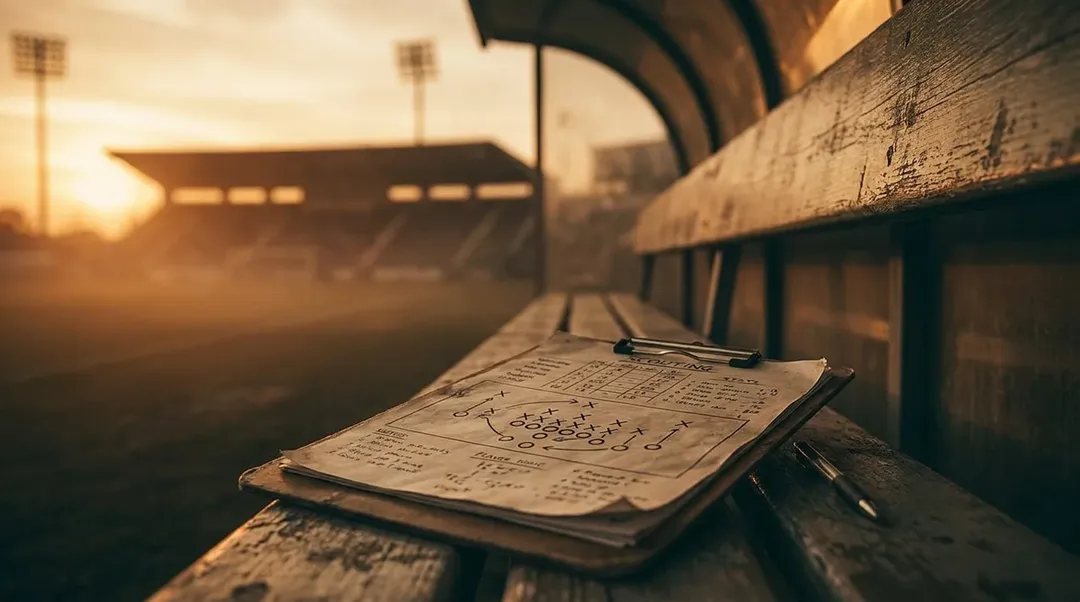
The tactical blueprint that took Morocco to the World Cup 2022 semifinals has undergone subtle but significant evolution. While the defensive solidity remains paramount – built around Saiss's organization and Bono's shot-stopping heroics between the posts – Regragui has added layers of attacking sophistication that make this iteration of the Atlas Lions more unpredictable than their Qatar predecessors.
The inclusion of more technically gifted midfielders like El Khannouss allows Morocco to maintain possession in areas where they previously relied on quick transitions. This doesn't mean abandoning their counter-attacking strengths – rather, it provides additional options when opponents sit deep and deny space behind their defensive line. The flexibility to switch between patient build-up and explosive transitions gives Morocco multiple ways to hurt opponents.
Defensively, the addition of Aznou's pace at left-back enables Morocco to press higher up the pitch, knowing they have recovery speed if opponents try to exploit space in behind. This aggressive defensive approach, combined with Amrabat's improved passing range, creates a domino effect that benefits every phase of play. The result is a team that can adapt its style based on the opponent while maintaining the core principles that made them so difficult to break down in Qatar.
Fan Fever: Atlas Lions Support Reaches New Heights

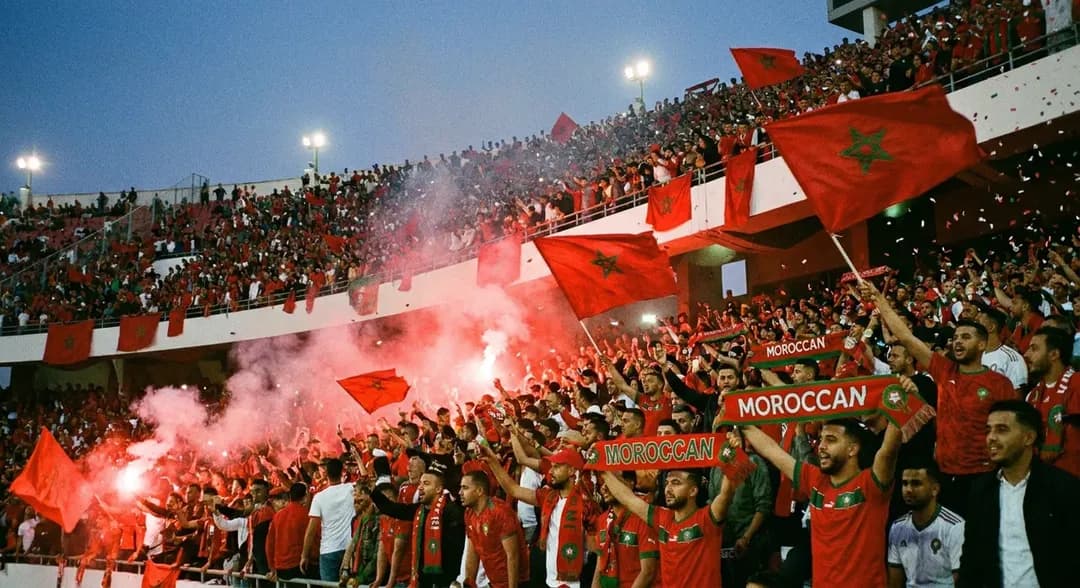
The Moroccan diaspora across North America has transformed World Cup 2026 into something approaching a home tournament for the Atlas Lions. From the Moroccan communities in Montreal and Toronto to the established enclaves in New York and Los Angeles, red and green flags have been visible at every Morocco training session since the squad arrived in the continent. The atmosphere during their opening match against Croatia at Toronto's BMO Field created decibel levels that rivaled any home fixture in Rabat or Casablanca.
What's particularly striking is how the success of 2022 has galvanized support beyond traditional Moroccan communities. Local football fans have adopted the Atlas Lions as their tournament favorites, drawn to the combination of technical skill and emotional intensity that defines Moroccan football. The sight of non-Moroccan supporters learning the words to the national anthem and participating in the traditional chants has created an atmosphere that players describe as both humbling and inspiring.
The economic impact extends beyond mere attendance figures. Moroccan restaurants near World Cup venues report bookings extending months in advance, while traditional music and cultural exhibitions have accompanied every Morocco fixture. This cultural celebration transforms each match into more than a football game – it becomes a festival that showcases Moroccan identity on football's biggest stage.
Historical Context: Building on African Excellence
Morocco's World Cup 2026 roster represents more than individual talent – it embodies the culmination of decades of African football development. Their Qatar semifinal run broke a barrier that had stood since 1990, when Cameroon became the first African nation to reach a World Cup semifinal. Now, Morocco carries the hopes not just of their own nation, but of an entire continent that sees reflected in the Atlas Lions the potential for African football to compete at the highest level.
The parallels to great African teams of the past are striking, yet this Moroccan generation possesses advantages their predecessors lacked. Unlike the Golden Generation of Ghana or the star-studded Ivory Coast teams that fell short, Morocco combines individual quality with tactical discipline and mental resilience forged through adversity. Their core players have experience winning major matches against elite opposition – a psychological edge that proves invaluable in tournament football's crucial moments.
What sets this roster apart historically is its depth. Previous African World Cup campaigns often relied heavily on a few standout performers, creating vulnerabilities when key players faced injury or suspension. Morocco's 26-man squad features genuine quality in every position, with tactical flexibility that allows them to maintain their principles regardless of personnel changes. This depth transforms them from tournament dark horses into legitimate contenders for the ultimate prize.
Practical Notes
Morocco's group stage matches take place in Toronto (June 15 vs Croatia), Atlanta (June 21 vs Belgium), and Miami (June 25 vs Canada), with kickoff times optimized for both North American audiences and prime-time viewing in Morocco. Fans planning to attend should arrive at venues at least 90 minutes early, as security protocols have been enhanced following the massive crowds drawn by Morocco's training sessions. The official FIFA app provides real-time updates on lineup changes, which have become increasingly important given Regragui's tactical flexibility.
For television viewers, Morocco's matches will be broadcast live across all major networks, with Arabic commentary available through dedicated channels. The time zone advantages mean most matches kick off during optimal viewing hours across Africa and Europe, potentially creating television audiences that rival the Qatar tournament's peak numbers.
Tags
#WorldCup2026 #FIFA2026 #Morocco #AtlasLions #WalidRegragui #AchrafHakimi #YouseffEnNesyri #SofyanAmrabat #AfricanFootball #WorldCupRoster #MoroccanFootball #Qatar2022
All trademarks, logos, and brand names mentioned are the property of their respective owners.
Want to connect with Moroccan fan communities, find couscous spots near World Cup venues, and get the latest Atlas Lions lineup? Ask Karpo for Morocco's match schedule, a fan meetup guide, and a live route to the Moroccan supporters' section.
Ask Karpo for more information.
Keep reading
- Haaland Has Seven Goals and Norway Runs Entirely Through Him
 World Cup Trophy Ceremony Timing Medals and Postmatch Celebrations
 Olise and France's Attack: The Semifinal Tactical Question