The Pre-Match Ritual Nobody Planned
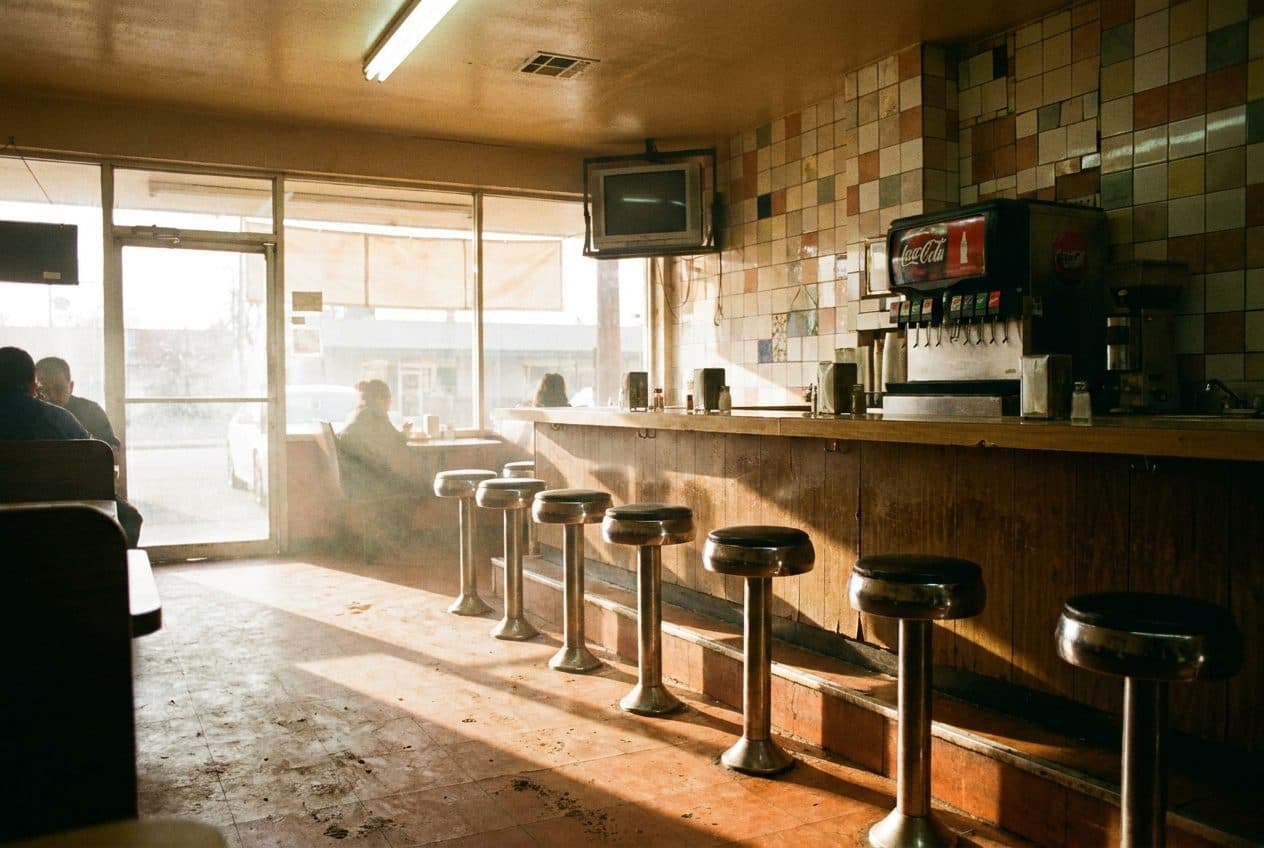
You walk into a Mission taqueria around nine on a match morning and the TV isn't showing pregame coverage yet. Instead, Property Brothers or Fixer Upper plays on loop while a line of regulars orders breakfast burritos and watches someone demo a kitchen on screen. The smell of chorizo and griddled tortillas fills the room. By ten-thirty, someone will ask to change the channel, and the whole energy shifts—but right now, it's this strange in-between hour where home renovation drama and carne asada exist in the same space, and nobody seems to mind.
The Counter Geography of Morning
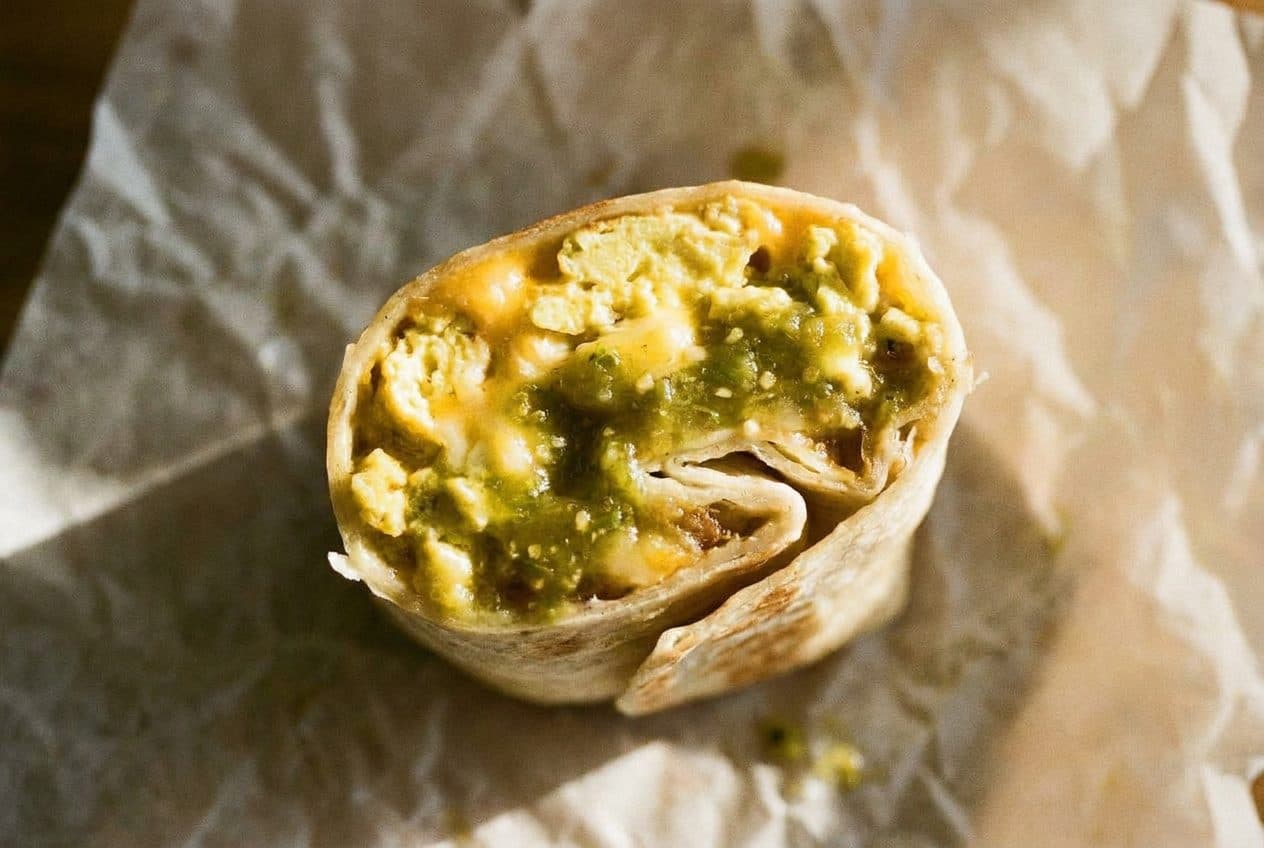
The best seat is always the same: end of the counter closest to the kitchen window, where you can watch hands move between the griddle and the foil squares. You're close enough to feel the heat when they toast tortillas directly on the flattop. The Formica counters have that specific texture—slightly sticky from years of salsa verde and lime juice, worn smooth in the spots where elbows rest. Early arrivals claim these seats by seven-thirty, nursing coffee from styrofoam cups while the TV cycles through another episode where someone discovers original hardwood under linoleum. The rhythm here is unhurried until it isn't. You can feel the shift coming before the channel changes, a tension building as kickoff approaches and the breakfast crowd starts checking phones between bites.
What the Kitchen Knows About Timing
The kitchen runs on muscle memory during these morning hours. Eggs scramble in wide pans, beans get ladled from deep pots that have been simmering since before sunrise. You notice how they prep differently on match days—extra foil squares stacked and ready, doubled portions of pico de gallo, an extra person working the line. They know what's coming. By the time the broadcast switches from renovation shows to World Cup coverage, the orders change too. Breakfast burritos give way to tacos al pastor, quesadillas loaded with everything, plates meant for sharing. The kitchen adjusts without anyone saying a word. Steam rises from the griddle in thicker clouds. The salsa bar gets restocked twice in an hour.
The Television as Town Square
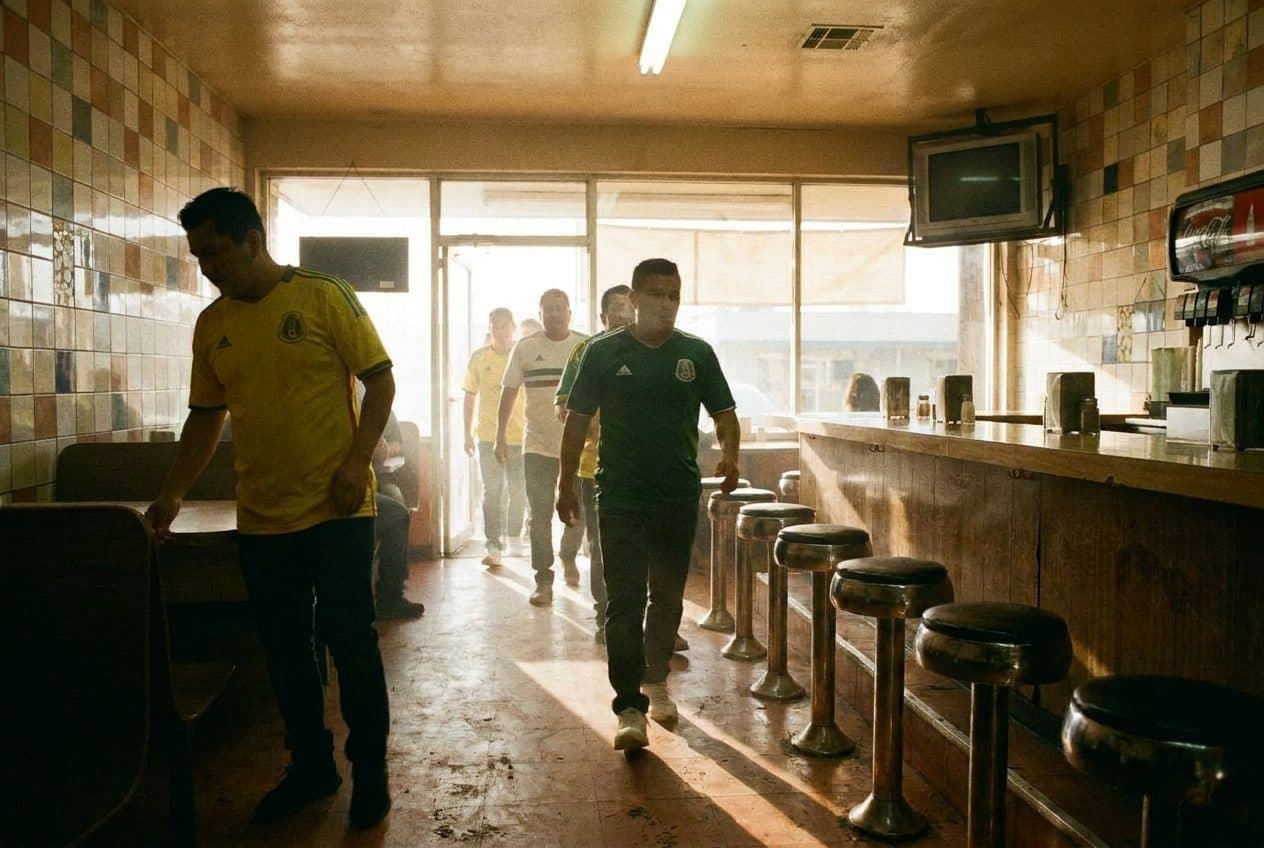
The TV mounted in the corner becomes the room's focal point the moment someone asks to change it. Before that, it's just background noise—the pleasant patter of HGTV hosts discussing shiplap and open concepts. After, it commands everything. People angle their chairs. New arrivals ask the score before they order. The volume goes up three notches. What's strange is how the renovation shows create this buffer zone, this calm before the storm where strangers sit elbow-to-elbow eating eggs and watching someone else's kitchen get gutted. It's communal in a way that doesn't require soccer allegiance yet. You're all just here, together, watching people make decisions about backsplashes while eating food that costs a few bucks and tastes like someone's abuela is in the back.
The Diaspora Shows Up in Waves
You can track the match importance by who walks through the door and when. Casual fans arrive whenever. The serious crowds time it precisely—early enough to eat, late enough that they won't be sitting through an hour of pre-match analysis. On certain matchups, the room fills with specific jerseys, specific accents, specific energy. The Mexican national team brings one crowd. Other matches bring different configurations of the neighborhood—Salvadoran families, Guatemalan regulars, the tech workers who moved here last year and are still figuring out the taqueria hierarchy. Everyone converges in this small space with its flickering fluorescent lights and decade-old calendars still hanging on the wall. The air gets warmer, thicker, charged with anticipation and the smell of lime and cilantro.
The Salsa Bar as Social Barometer
The self-serve salsa station tells you everything about the room's mood. During the renovation show hours, people take their time—tasting each salsa, carefully spooning the right amount, keeping things neat. As match time approaches, the salsa bar becomes more chaotic. People reach across each other. The red sauce runs low. Someone always spills. Napkins pile up. The plastic bottles of hot sauce get passed hand to hand down the counter. There's a particular green salsa here that's thinner than most, almost liquid, with enough heat that you feel it in your sinuses before your mouth. Regulars know to go light. Newcomers learn the hard way. By halftime, the whole station needs a reset, but nobody working here seems stressed about it. They've seen this pattern before.
The Aftermath Lingers Different
After the final whistle, the room doesn't empty immediately. People finish their food slowly, rehashing calls and near-misses. The TV might switch back to renovation shows, or it might stay on sports coverage—depends who's working, depends on the mood. The kitchen keeps cooking but the pace drops. That morning rush intensity fades back into something mellower. You can hear individual conversations again instead of just crowd noise. The counter seats open up. Someone wipes down the salsa bar finally. And if you stay long enough, you'll see the next wave start to gather—the lunch crowd who missed the match entirely, who just want tacos and don't care what's on TV, who'll sit in the same seats and watch someone on screen debate subway tile patterns while eating the same food that fueled a room full of fans a few hours earlier.
Practical Notes
Most Mission taquerias open early morning and run through late evening. The breakfast-to-lunch transition happens around late morning, which overlaps perfectly with World Cup match times depending on where the tournament games are being played. Getting here early means better seating—aim for at least an hour before kickoff on high-stakes matches. You can reach the Mission easily via BART to 16th or 24th Street stations. Street parking is challenging on match days. Cash is widely accepted and often preferred. Expect the atmosphere to shift dramatically once the channel changes from home improvement programming to live sports. The food stays consistently good regardless of what's on TV. Most places don't take reservations for counter seating—it's first come, first served, which is part of the appeal.
Tags: #MissionDistrict #SanFranciscoEats #TaqueriaLife #WorldCup2026 #MatchDayRituals #BreakfastTacos #SFFood #MissionTacos #LocalsOnly #PreGameMeal #SFNeighborhoods #WorldCupSF #TacoCounter #MissionVibes #SanFranciscoWorldCup
Sources consulted: fifa.com · espn.com · timeout.com
All trademarks are the property of their respective owners.