 Haaland Has Seven Goals and Norway Runs Entirely Through Him
⚽️2026 FIFA WORLD CUP

DR Congo's Living Statue Fan Was Denied a Visa, Then Got One, and Now He's the Most Photographed Person at the World Cup
Michel Nkuka Mboladinga — known as Lumumba — stands motionless during matches as a living tribute to Congo's first Prime Minister, and his journey from visa rejection to World Cup icon is one of the tournament's best stories.
A Man Who Stands Still in a World That Won't Stop Moving
In a tournament defined by movement — goals, celebrations, Viking Rows, and viral dances — the most striking image has come from a man who does not move at all. Michel Nkuka Mboladinga, known universally as Lumumba, stands motionless in the stands during every DR Congo match. His posture is rigid. His gaze is fixed. His body is painted and costumed to resemble a bronze statue. He does not cheer, clap, or react to goals. He simply stands, a living monument to Patrice Lumumba, the Democratic Republic of the Congo's first democratically elected Prime Minister, who was assassinated in 1961.
The effect is mesmerizing. In sections of the stadium where every other fan is in constant motion, Lumumba's stillness creates a visual anchor that draws the eye and holds it. Photographers from every major news agency have made his image a recurring feature of their World Cup coverage. FIFA's official broadcast has cut to him multiple times during matches. He has become, without speaking a single word on camera, one of the most recognized figures at the 2026 World Cup.
The Visa Drama That Almost Kept Him Home
Lumumba's journey to North America was anything but straightforward. His initial visa application to enter the United States was denied — a decision that triggered an outcry from Congolese football fans and advocacy groups who argued that his presence was essential to the team's cultural identity at the tournament. The denial became international news when several African football federations issued a joint statement calling the decision "an act of cultural erasure."
The reversal came after what sources describe as intervention from FIFA's Fan Engagement Office and the US State Department's World Cup coordination team. Lumumba received his visa three days before DR Congo's opening match, boarded a flight from Kinshasa to Philadelphia, and arrived at the stadium with hours to spare. His appearance in the stands — silent, painted, immovable — was greeted with a roar from the Congolese section that seemed to shake the building.
What His Performance Means to Congolese Identity
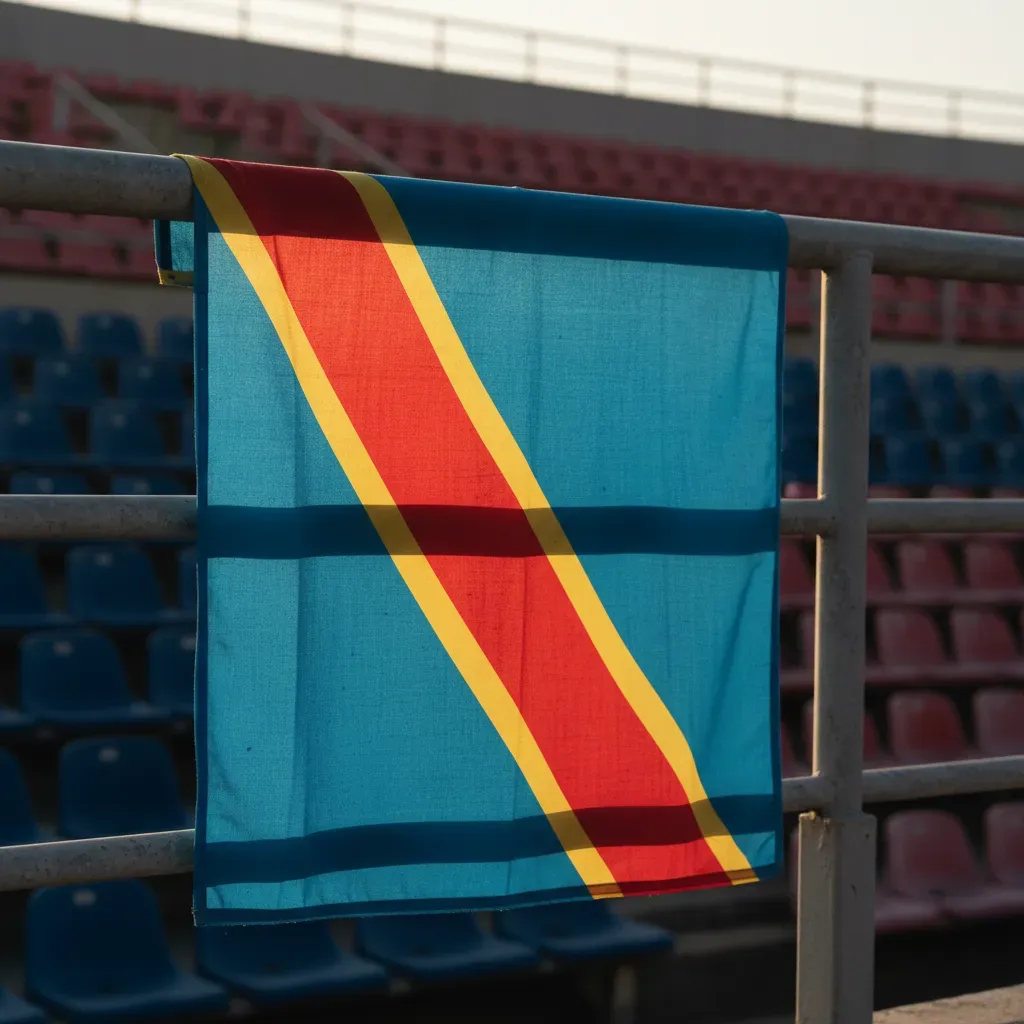
Lumumba's living statue act is not a gimmick. It is a deeply intentional political and cultural statement. Patrice Lumumba's legacy in the Congo is enormous — he represents sovereignty, dignity, and the dream of self-determination that was violently interrupted by colonial and Cold War-era interference. By embodying Lumumba at football matches, Mboladinga connects the national team's World Cup journey to the broader narrative of Congolese resilience and pride.
The symbolism resonates beyond football. For the Congolese diaspora communities who have traveled to World Cup venues across the United States, Lumumba's presence is a reminder of home, of history, and of the ongoing struggle for recognition on the world stage. His stillness is not passive — it is a form of protest, remembrance, and celebration all at once.
The Internet Cannot Get Enough
Social media's response to Lumumba has been overwhelming and almost entirely positive. Time-lapse videos showing him remaining perfectly still while chaos unfolds around him during goals have been viewed hundreds of millions of times. Photographers have created stunning contrast images — blurred motion all around him, with Lumumba in sharp focus at the center, untouched by the frenzy.
The memes, for once, have been respectful. Rather than mocking his performance, the internet has embraced it as art. Comparisons to famous performance artists, living statues in European city squares, and even Buddhist meditation practices have been drawn. Lumumba has transcended the category of "football fan" and entered the realm of cultural commentary.
DR Congo's Team Feeds Off His Energy
DR Congo's players have spoken openly about what Lumumba's presence means to them. Several have described looking up into the stands during difficult moments in matches and seeing his statue-still figure, and feeling a sense of calm and purpose that helps them refocus. The team's captain called him "our twelfth man who never moves but gives us more energy than any celebration could."
Whether the psychological impact is real or perceived is beside the point. The team believes in Lumumba's presence, and that belief has coincided with DR Congo's best World Cup performance in their history. Correlation is not causation, but in the emotional arena of international football, the distinction matters less than the feeling.
A World Cup Icon Who Speaks Without Words
Lumumba will leave the 2026 World Cup as one of its defining images, regardless of how far DR Congo progress. His living statue performance has done something that words, chants, and celebrations cannot — it has forced people to stop, look, think, and feel something deeper than the immediate thrill of a match. In a tournament of spectacle, his restraint is the most spectacular thing of all.
Tags: World Cup 2026, DR Congo, Lumumba, living statue, Michel Nkuka Mboladinga, visa drama, fan culture, Philadelphia, African football, cultural performance
Sources consulted: Euronews · Fox Sports · Olympics.com
All trademarks, team names, and player likenesses mentioned in this article are the property of their respective owners and are used here for informational and editorial purposes only.
Ask Karpo First
Want to know when DR Congo plays next and where to find the best African fan gatherings near the stadium? Ask Karpo for the latest match schedule, fan zone locations, and a cultural guide to Philadelphia's World Cup atmosphere.
Ask Karpo for more information.
Keep reading
- Haaland Has Seven Goals and Norway Runs Entirely Through Him
 World Cup Trophy Ceremony Timing Medals and Postmatch Celebrations
 Olise and France's Attack: The Semifinal Tactical Question