You walk into a Little Portugal café mid-afternoon and the air splits down the middle—half the room's debating housing policy with the fervor of people who've had three espressos too many, the other half's watching a World Cup match with the kind of silence that only comes before a penalty kick. Then halftime hits, and suddenly everyone's talking about both. The coffee's still hot. The arguments haven't cooled.
The Geography of Corners and Contradictions
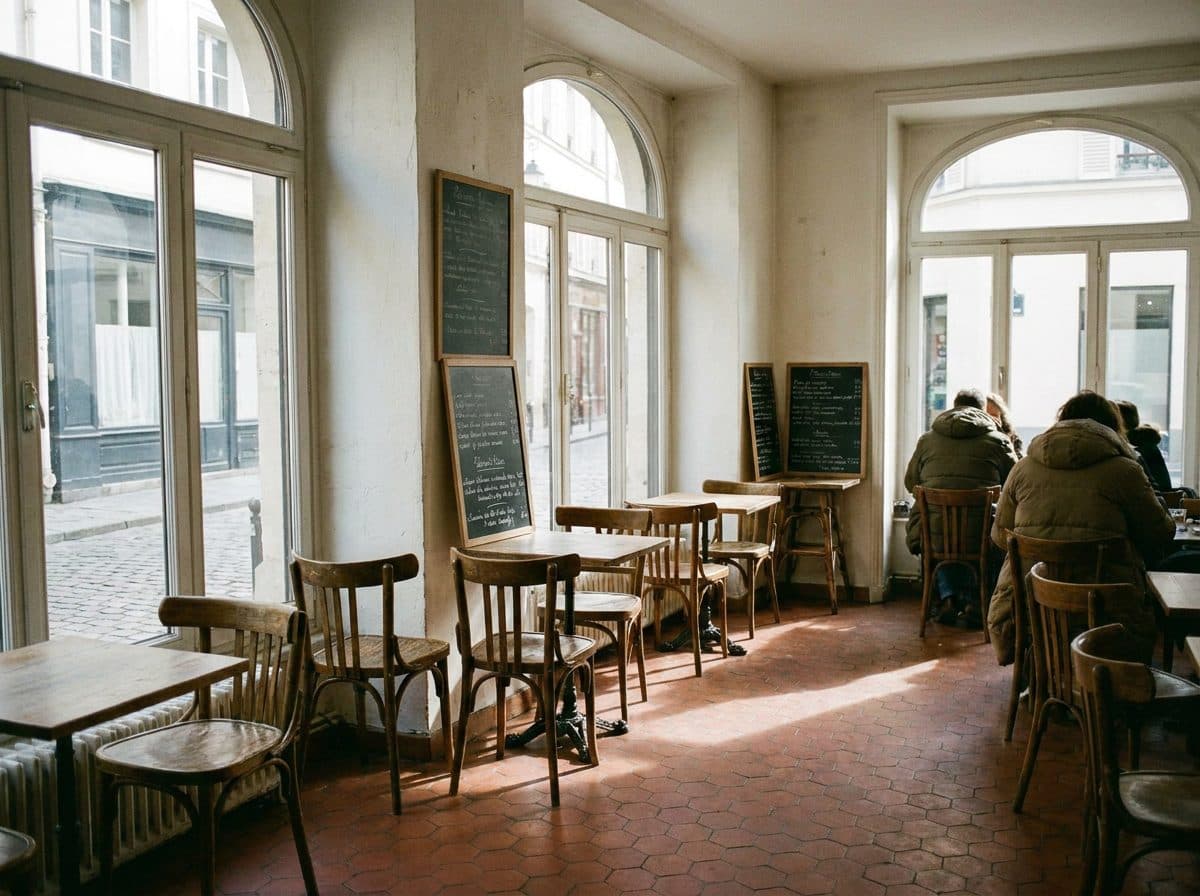
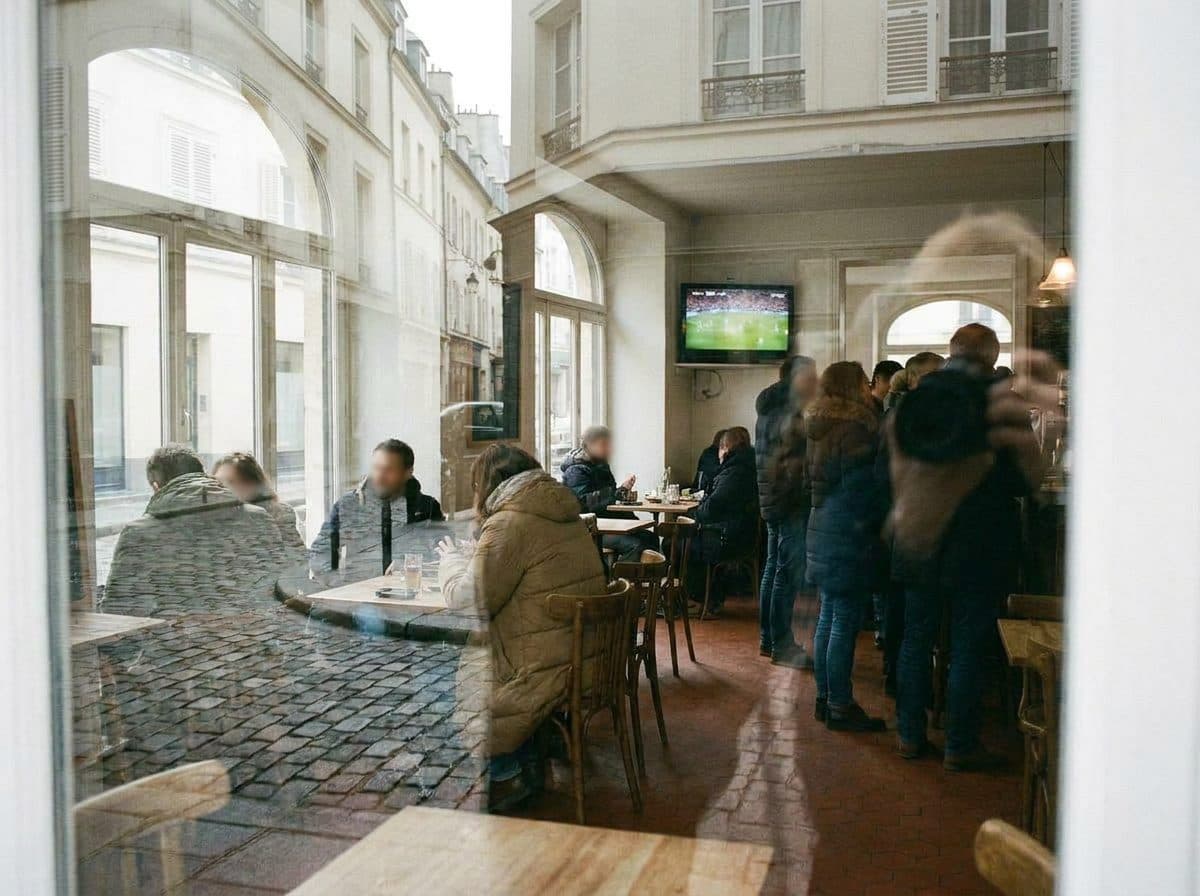
Little Portugal runs along Dundas West where the streetcars clang past Brazilian bakeries and Portuguese social clubs that've been here since the 1960s. The cafés here aren't Instagram setups—they're working rooms with mismatched chairs and tile floors that echo. You'll find them tucked between fabric stores and auto repair shops, the kind of places where the owner's nephew might be running the espresso machine while his uncle argues with a regular about transit expansion. During World Cup season, these rooms become something else entirely. The TV goes up in the corner, someone props open the back door for air, and the usual morning crowd that comes for galão and pastel de nata suddenly shares space with people wearing jerseys from countries they left decades ago or never lived in at all.
The light through the front windows hits different depending on the match time. Early games get that hard morning glare that makes everyone squint at the screen. Late afternoon matches fill the room with amber that softens the edges of every conversation.
When the Whistle Blows, Everything Else Waits
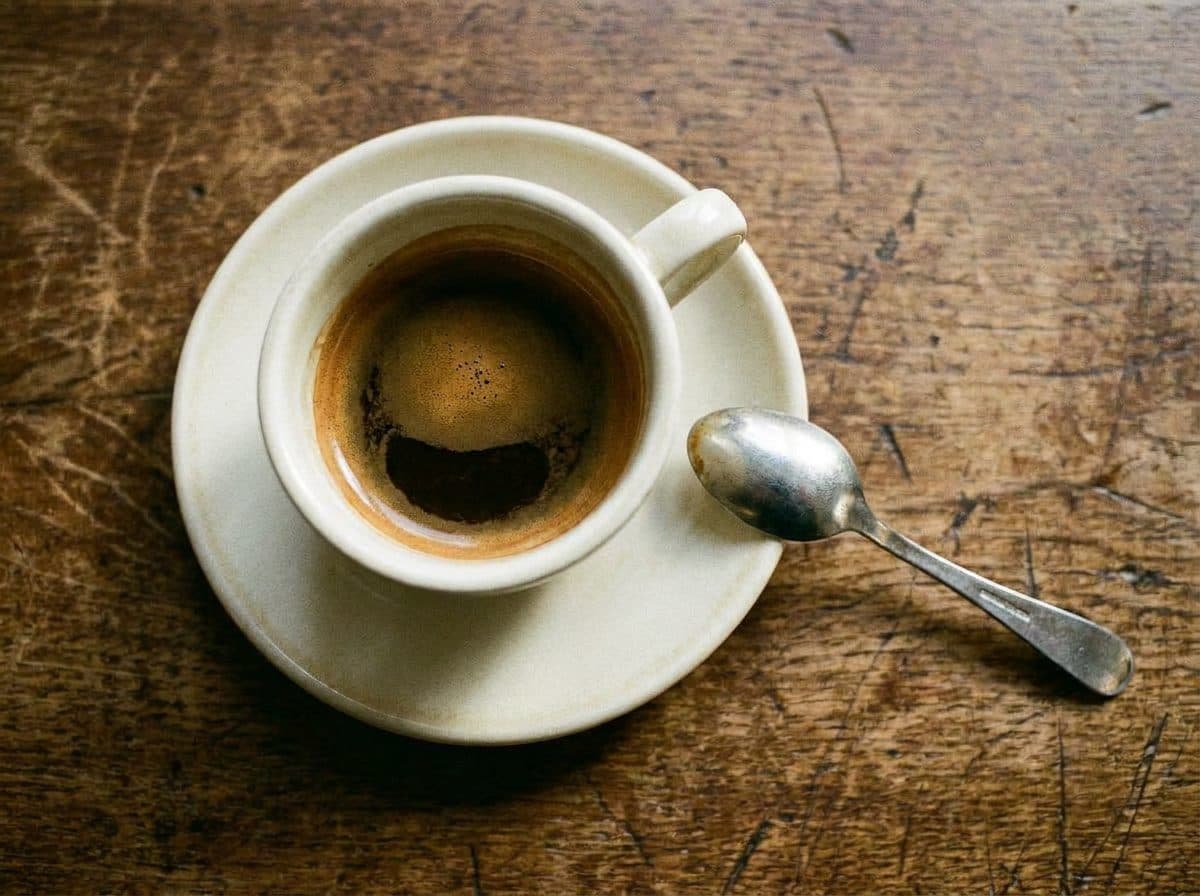
You learn the rhythm fast. The match is on, voices drop to murmurs, even the most heated debate about gentrification or bike lanes goes quiet when someone's making a run down the wing. Then the half ends and it's like a dam breaks—suddenly the person who was silent for forty-five minutes is talking about rent control with the same intensity they just watched their team defend a corner. The barista's wiping down the machine, half-listening to both conversations, occasionally weighing in on neither or both.
The smell during matches is specific: burnt espresso, something sweet baking in the back, and the particular humidity of too many bodies in a small room that wasn't designed for crowds. Someone's always got a window cracked despite the cold because the heat from the machines and the people makes it necessary. You'll see regulars claim their spots an hour before kickoff, nursing a single coffee that's long gone cold, because they know the good sightlines disappear fast.
The Diaspora Doesn't Take Sides Quietly
When Portugal plays, the energy's different—this is home turf in more ways than one. The older men who've been coming here since before the neighborhood had a trendy name don't need to explain themselves. But World Cup years bring everyone else out too. The Brazilian crowd shows up early and loud. You'll hear Italian and Spanish mixing with Portuguese and English, all of it punctuated by groans that need no translation.
Between matches, the conversations shift back to the neighborhood itself—who's selling, who's been priced out, which building just got bought by a developer. Someone's always got a story about a storefront that used to be something else. The World Cup becomes a frame for everything else, a shared language that lets strangers argue about housing policy with the ease of people who just watched ninety minutes of tension together. You can't fake that kind of intimacy.
The Counter Politics of Pastéis and Possession
The food here isn't incidental. You order at the counter—pastéis de bacalhau that arrive hot enough to burn your tongue, still crispy from the fryer. Bifanas on soft rolls that the owner's been making the same way for twenty years. During matches, people eat without looking down, eyes locked on the screen, trusting muscle memory to get the food to their mouths. Between halves, plates empty fast and the orders pile up again.
The counter becomes neutral ground. You'll see someone in a Croatia jersey standing next to someone wearing nothing but a scowl, both waiting for another espresso, both complaining about the same city council decision. The barista knows what everyone drinks without asking. There's a particular regular—mid-sixties, always in a flat cap—who times his arrival for exactly twenty minutes before kickoff, orders a bica, and doesn't speak until the match ends. Then he's got opinions about everything.
The Second Half Belongs to Whoever's Loudest
When play resumes, the room reorganizes itself. People who were scattered consolidate around the TV. The debates don't stop, they just lower in volume, become background hum beneath the commentary. You'll catch fragments—someone's theory about zoning laws, another person's take on the team's defensive formation—and they blur together into a single soundtrack of people who care too much about everything.
The light's changed by now if it's a late match. The windows gone dark, the room lit by the screen and the pendant lamps that hang too low over some tables. Someone's phone keeps buzzing and they keep ignoring it. The espresso machine hisses every few minutes, a reminder that this is still technically a café, not a stadium, though the distinction feels thin.
What Stays When the Final Whistle Blows
After the match ends, people don't rush out. They stay, keep talking, order one more coffee even though it's past the hour when caffeine makes sense. The conversations that paused for ninety minutes pick up exactly where they left off, but something's shifted—there's a looseness now, a willingness to hear the other side that wasn't there before. Maybe it's the shared experience of watching something unfold in real time, maybe it's just exhaustion, but the edges soften.
You'll see people exchange numbers, make plans to come back for the next match. The owner's already thinking about whether they need more chairs. Outside, Dundas West is doing its evening thing—streetcars passing, people heading home, the neighborhood settling into its night rhythm. Inside, someone's still arguing, someone else is laughing, and the espresso machine's getting one more workout before closing.
Practical Notes
Most cafés in Little Portugal open early morning and run until early evening, though some extend hours for evening matches. You'll find the densest concentration of spots along Dundas West between Ossington and Dufferin. The streetcar's your best bet—the 505 runs right through. Expect crowds to build an hour before major matches, earlier for Portugal games. No reservations, no table service—you order at the counter and find your own spot. Cash is appreciated though cards work. Parking's street-only and competitive. The vibe's louder and more chaotic than your usual third-wave coffee situation. That's the point.
Tags: #LittlePortugal #TorontoCafes #WorldCup2026 #DundasWest #PortugueseCommunity #NeighborhoodCulture #SoccerCulture #TorontoEats #CafeLife #DiasporaStories #UrbanSpaces #LocalGathering #TorontoNeighborhoods #WorldCupViewing #CommunitySpaces
Sources consulted: fifa.com · espn.com · timeout.com
All trademarks are the property of their respective owners.