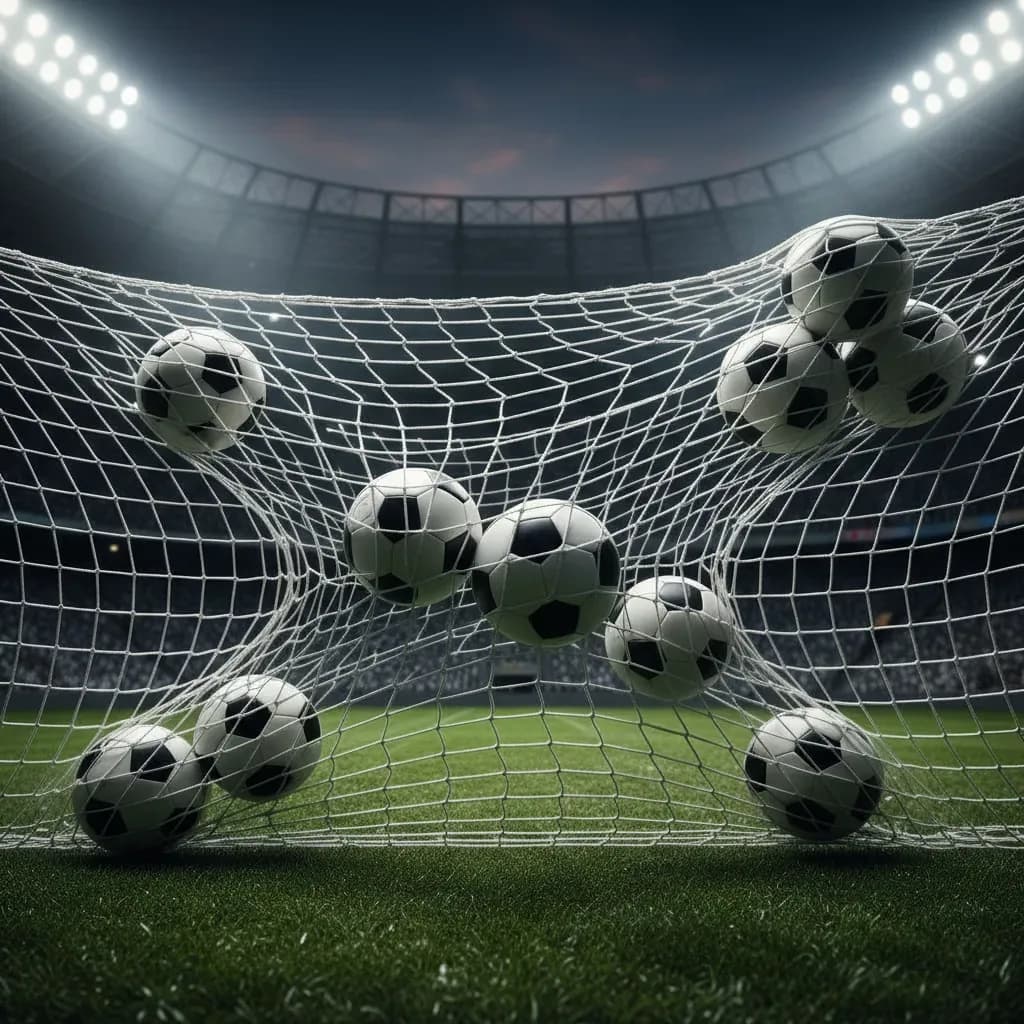
 Haaland Has Seven Goals and Norway Runs Entirely Through Him
⚽️2026 FIFA WORLD CUP
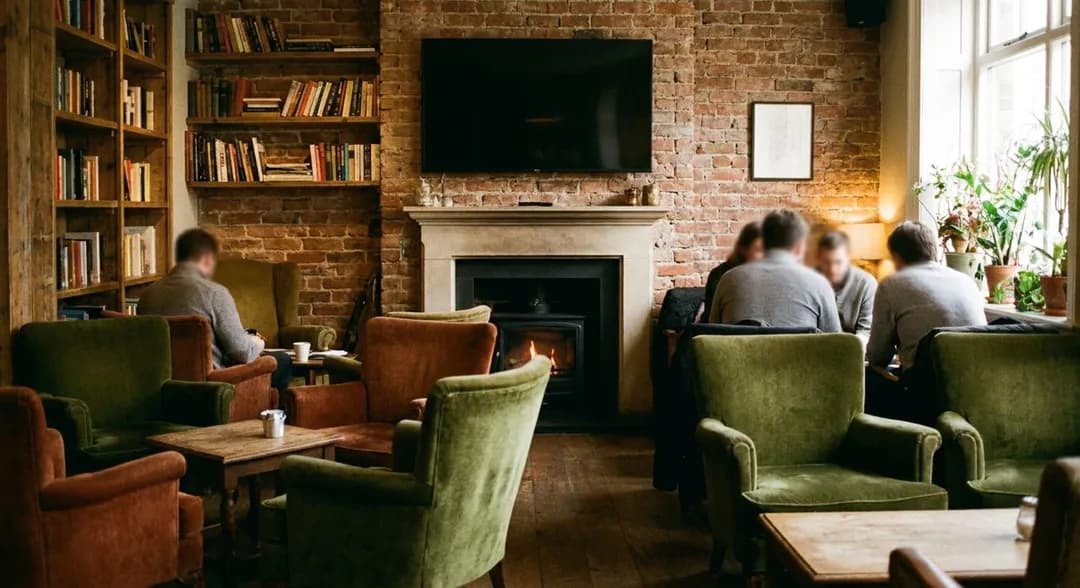
Little Portugal Café That Treats Match Days Like The Last of Us Season 3 Sundays
A café that became a weekly gathering spot for prestige TV finds that World Cup match days carry the same communal intensity and watch-party ritual.
You walk into a corner café in Little Portugal on a Wednesday morning in June and the air already hums with a specific kind of anticipation. The owner is dragging tables into a horseshoe formation around the flatscreen, testing the sound system with a clip from last weekend's group stage match. Someone's taping printed flags to the exposed brick. This is the same room that went silent during *that* episode of *The Last of Us*, where half the crowd had tears streaming and nobody touched their cortados for twenty minutes. World Cup match days carry that exact energy—the collective held breath, the eruption, the feeling that you're inside something bigger than a Tuesday afternoon.
The Prestige TV Training Ground
The café spent two years perfecting the art of the communal viewing experience through peak television. Every Sunday during *Succession*, *The Last of Us*, *The Bear*, you'd find the same thirty-odd people claiming their spots an hour early. The staff learned to read a room's emotional temperature, when to refresh drinks without interrupting a scene, how to dim the overhead Edison bulbs just enough that the screen pops but you can still see your pastry. That training translates directly to World Cup mode. The same intuition applies—when to cheer, when to let silence sit, when a goal deserves the lights flipped back on and a round of espresso shots on the house. The muscle memory is already there. The only difference is the match clock counts up and everyone's checking their phones between halves instead of theorizing about plot points.
The Diaspora Living Room
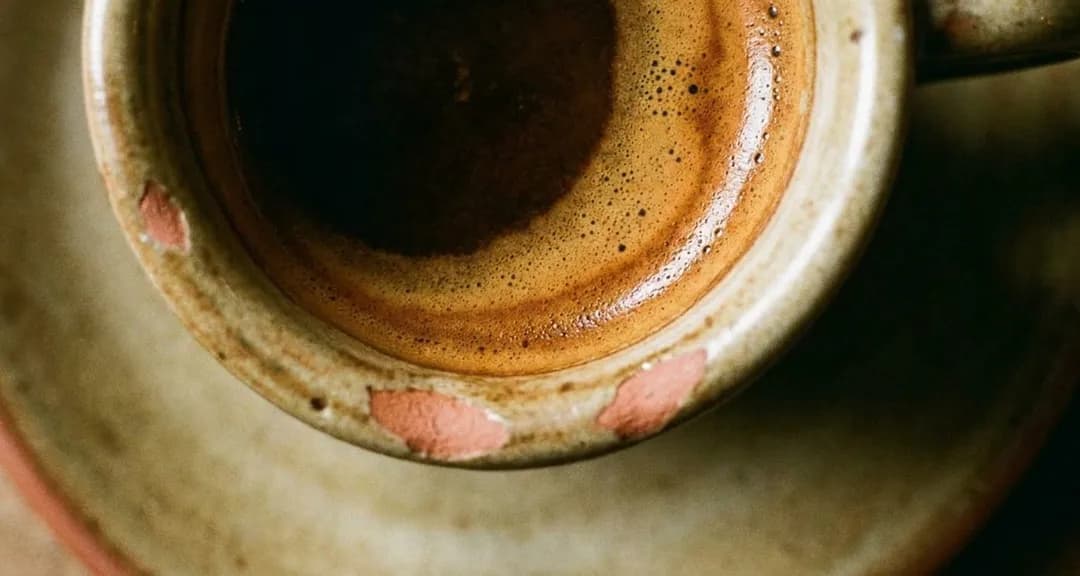
Little Portugal's demographics make this café a natural gathering point when Portugal plays, but the real magic happens during matches that pull in Toronto's broader communities. You'll see the room split into invisible sections—the Portuguese side claiming the tables nearest the window, Brazilian regulars holding down the back corner, a cluster of Italian nonnas who've been coming here for *bica* since before the flatscreen existed. The owner doesn't take reservations for match days but there's an understood hierarchy. The couple who watched every episode of *The White Lotus* from the loveseat near the bathroom get that same spot for early kickoffs. First-timers stand along the espresso bar until someone leaves. The room negotiates its own geography. You feel it the moment you walk in—who belongs to which match, who's here for the atmosphere versus the outcome, who'll stay through the post-game analysis and who'll vanish the second the whistle blows.
Pastéis de Nata and Penalty Kicks
The kitchen operates on a completely different rhythm during matches. Between regular service hours, they're plating individual orders, calling out names, running a standard café operation. Match days turn it into a choreographed relay. Trays of *pastéis de nata* come out in waves, timed to halftime and substitutions when people remember they're hungry. The custard tarts arrive still warm, the pastry shattering into your napkin, that burnt-sugar top crackling under your thumb. You smell them before you see them—vanilla and cinnamon cutting through espresso steam and the faint electrical heat from the overtaxed sound system. The staff stops taking individual orders thirty minutes before kickoff. You get what comes out when it comes out. There's a galão if you want milk, a *bica* if you don't, and whatever the kitchen decided to bake that morning. It's the same system they used during the *Succession* finale when nobody wanted to miss a second by ordering at the counter.
The Soundscape of Collective Experience
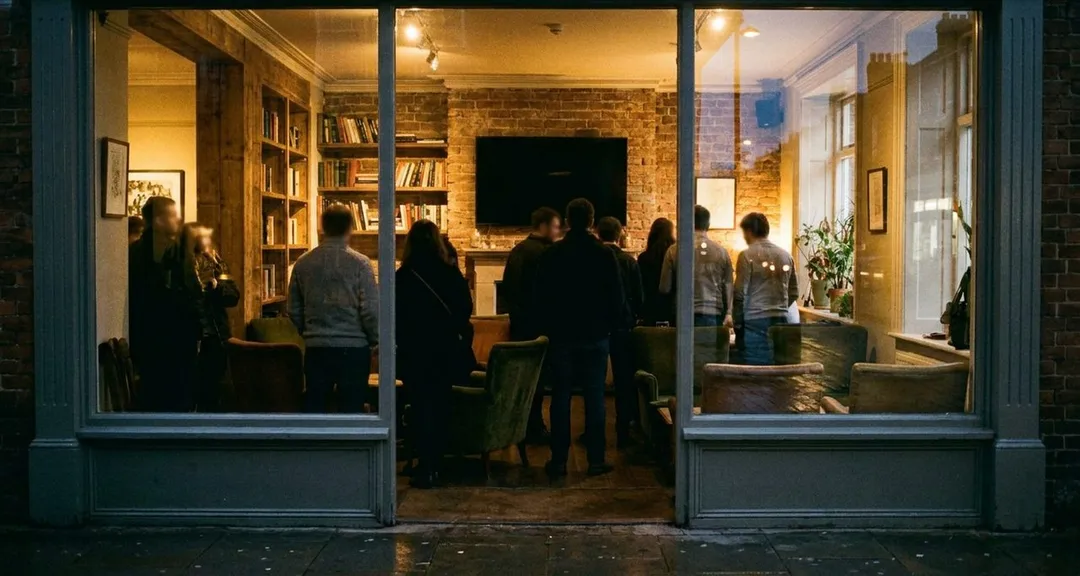
The acoustic experience is what separates this from watching at home or in a sports bar with seventeen screens. The café's sound system is technically meant for background jazz—it gets pushed to its absolute limit during matches, the bass slightly distorted on the commentator's voice, the crowd noise from the stadium bleeding into the room's own noise until you can't distinguish which roar is coming from the TV and which is happening three feet from your ear. Someone's always translating commentary in real-time for their friend. You hear Portuguese and Italian and Spanish overlapping, people narrating the same play in different languages with different emotional registers. During tense moments the whole room inhales together and you hear it—that collective breath-hold, the creak of chairs as people lean forward, someone's coffee cup rattling against a saucer. Then the exhale, the groan or the eruption, the physical release of tension into sound. It's the same sonic pattern that happened during the *Last of Us* finale, that same communal nervous system firing.
The Regulars Who Architect the Room
There's a guy who shows up two hours early for every Portugal match and claims the table directly center-screen. He brings his own cushion. Nobody questions it. There's a woman who arrives alone, orders a single espresso, and live-texts the entire match to someone—you watch her face cycle through every emotion while her thumbs fly. A group of university students treat match mornings like study sessions, laptops open until kickoff, then everything closes and they're fully present. These regulars set the room's tone. They're the ones who know when to start a chant, when to let a controversial call breathe before reacting, when to buy a round for the opposing team's corner after a good goal. The staff knows their orders without asking. During *The Bear*'s second season, these same people formed the emotional core of the viewing experience—the ones who gasped first, laughed loudest, set the permission structure for everyone else to feel things publicly.
Practical Notes
The café sits on the Dundas West strip in Little Portugal, walkable from the Dundas West station. They don't post their World Cup screening schedule online—you have to follow their social or just show up. Most group stage matches with Portuguese or Brazilian connections will be screened if they fall during operating hours. Arrive at least an hour before kickoff for any match involving Portugal or Brazil, earlier for knockout rounds. There's no cover, no minimum, but buying something is obviously expected and the right thing to do. Seating is first-come, standing room fills up fast. The bathroom situation gets complicated during popular matches—plan accordingly. They're generally open from early morning through late afternoon most days, closed Mondays. Cash and card both work but the machine sometimes glitches during peak moments, so have a backup payment method ready.
Tags: #WorldCup2026 #LittlePortugal #TorontoCafes #MatchDayRituals #PrestigeTVCulture #CommunalViewing #PasteisDeNata #PortugueseCafe #DundasWest #TorontoEats #SoccerCulture #NeighborhoodGems #TorontoHiddenSpots #CafeLife #WorldCupToronto
Sources consulted: fifa.com · espn.com · timeout.com
All trademarks are the property of their respective owners.
Ask Karpo for more information.
Keep reading
- Haaland Has Seven Goals and Norway Runs Entirely Through Him
 World Cup Trophy Ceremony Timing Medals and Postmatch Celebrations
 Olise and France's Attack: The Semifinal Tactical Question