 Haaland Has Seven Goals and Norway Runs Entirely Through Him
⚽️2026 FIFA WORLD CUP
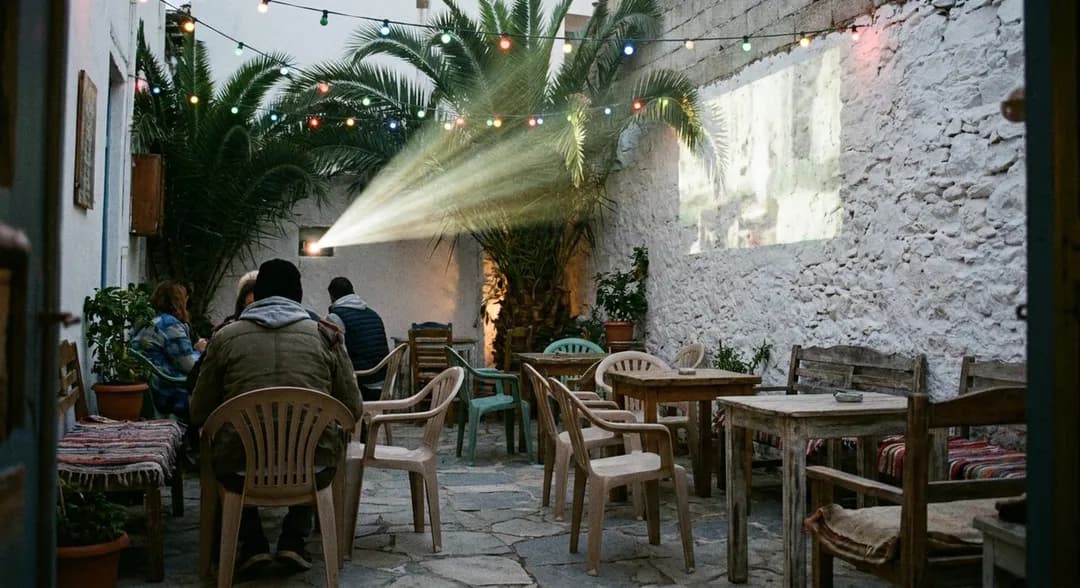
Little Havana Cafe Projects Close Encounters of the Third Kind Before the World Cup Kickoff
A corner spot pairs classic sci-fi screenings with live match feeds, so Spielberg fans linger for the opening whistle.
The Projector Hums Before the Crowd Roars
You walk into a corner café in Little Havana where the air smells like burnt sugar and the walls haven't been repainted since someone thought wood paneling was a good idea. A white bedsheet hangs where you'd expect a chalkboard menu, and the projector mounted to the ceiling is already warming up, throwing a blue rectangle across the fabric. It's two hours before kickoff, but the owner queued up Close Encounters of the Third Kind because he knows the rhythm: sci-fi first, soccer second, nobody leaves between reels. The regulars have claimed their tables near the windows, cafecitos already drained, and you realize this place has been doing double features long before the World Cup gave it a reason to stay open past midnight.
Where Mashed Potatoes Meet Match Day
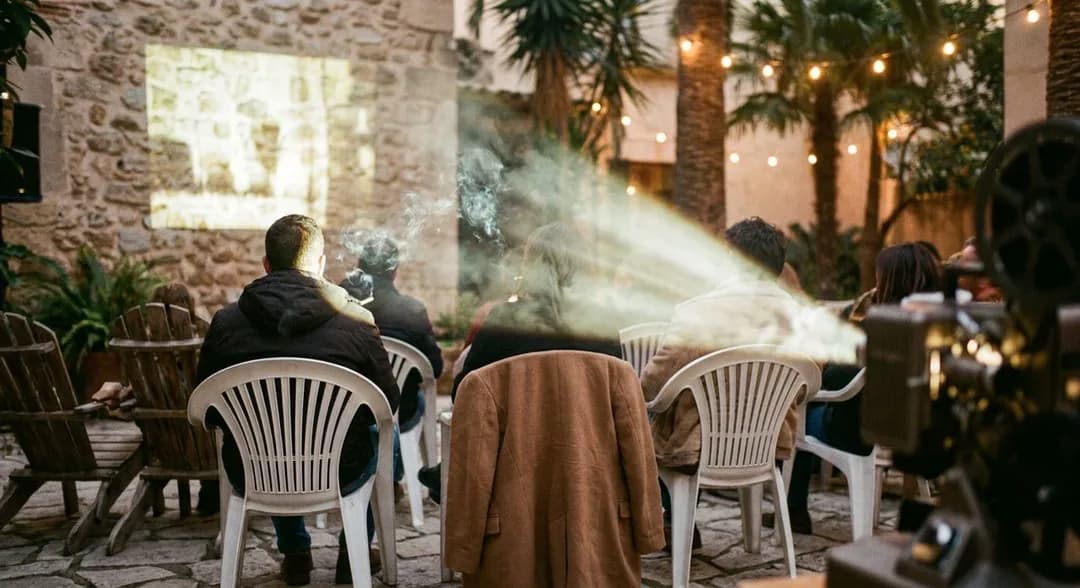
The café sits on a block where the sidewalks crack in the same spots every summer and the bus route runs late enough that you can catch the end of extra time before heading home. It's not trying to be a sports bar or an art house—it just ended up as both because the owner couldn't choose and the neighborhood didn't mind. The projector setup is older than most of the phones in the room, the kind that clicks and whirs when it's thinking, but the image is sharp enough to catch the shine on Richard Dreyfuss's face when he sees the mothership. Between the opening credits and the Devil's Tower sequence, someone switches the input to the satellite feed, and suddenly you're watching warm-ups in a stadium halfway across the continent. The transition is so smooth you'd think they rehearsed it, but it's just muscle memory from doing this three times a week since the tournament started.
The Regulars Who Time Their Arrival
There's a rhythm to who shows up when. The Spielberg purists arrive early, claiming the back corner where the speaker balance is best and the light from the street doesn't wash out the darker scenes. They're here for the mothership and the five-note sequence, and they'll tolerate the soccer because the café doesn't charge a cover and the cortadito refills are free if you're still holding the same cup. Then the soccer crowd filters in around the halfway mark of the film, right when Roy Neary is building his mountain in the living room. They're louder, more restless, checking phones for lineup announcements and debating formations in rapid-fire Spanish that bounces off the tile floor. By the time the credits roll, the room has doubled in size and the energy has shifted from contemplative to combustible. You can feel the change in your shoulders, the way you sit up straighter when the anthem starts playing.
What You Actually Eat Here
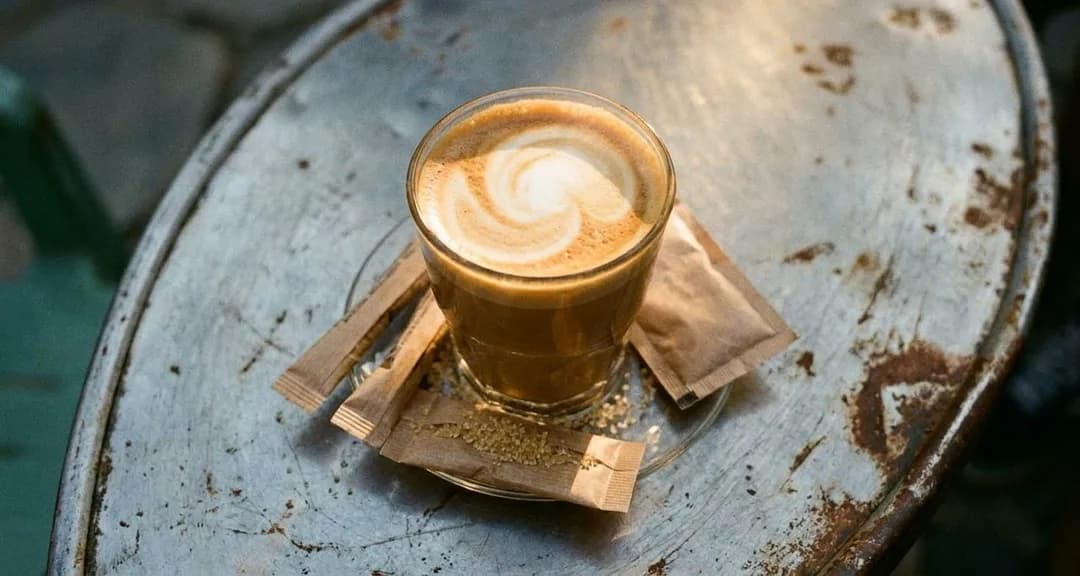
The menu is a single laminated sheet that's been touched by so many hands the corners have gone soft. You're here for the pastelitos and the croquetas, both of which come out of a kitchen so small you can hear every sizzle and timer beep from your seat. The guava pastry is the move if you're staying for the full double feature—sweet enough to keep you awake, flaky enough that you'll be brushing crumbs off your lap until the final whistle. The croquetas are ham-forward and arrive hot enough to require strategy, the kind of food that makes you slow down even when the room is speeding up. Someone's always got a Tupperware of homemade tamales they're passing around during halftime, and no one asks where they came from because that's just how it works here. The coffee is strong enough to taste like a decision, served in those tiny cups that feel like thimbles until you realize you've had four without noticing.
The Moment the Film Ends and the Match Begins
There's a ten-minute window between the final frame of Close Encounters and the opening whistle where the café exists in two states at once. Half the room is still processing the film, murmuring about Truffaut's performance or the way Spielberg builds tension without showing the ship. The other half is already locked into the pre-game coverage, volume creeping up, someone translating commentary for a friend who doesn't speak Portuguese. The owner doesn't dim the lights or make an announcement—he just switches the input and lets the room sort itself out. You watch people shift in their seats, some leaning forward, some settling back, everyone finding their place in the new rhythm. The bedsheet screen that just held a UFO landing now holds a stadium full of flags and smoke, and somehow it doesn't feel like a jarring transition. It feels like the same story in a different language, all of us waiting to see what happens when the unknown finally arrives.
The Acoustic Accident That Makes It Work
The café wasn't designed for this. The ceiling tiles are water-stained and the AC unit rattles whenever someone scores, but the acoustics are accidentally perfect for what happens here. Voices layer without clashing—the film dialogue, the match commentary, the table conversations all occupying different frequencies in the room. You can follow the plot of Close Encounters while eavesdropping on a tactical breakdown two tables over, and neither one drowns out the other. When the crowd erupts for a goal, the sound bounces off the tile and the glass in a way that makes it feel like the room is twice as full as it actually is. The projector hum becomes a bassline underneath everything, a constant reminder that this is a temporary setup held together by extension cords and goodwill, which somehow makes the whole thing feel more urgent and alive.
The Walk Home After Both Credits Roll
You leave after the final whistle, stepping back into Little Havana air that's somehow thicker than when you arrived. The sidewalk still smells like cigars and fryer oil, and the street is louder now, car horns celebrating or commiserating depending on which team you asked for. The café is still lit behind you, the owner already rewinding to check the projector for tomorrow's double feature. Your legs are stiff from sitting too long and your ears are ringing from the noise, but you're already thinking about which film they're pairing with the next match. Someone told you it's Jaws, which makes no sense until you remember that nothing here makes sense and that's exactly why it works. You check your phone and realize you've been in there for five hours, which felt like ninety minutes, which felt like exactly the right amount of time.
Practical Notes
The café keeps flexible hours that expand around match schedules and film runtimes—expect it to open late morning and close well after midnight during tournament weeks. Getting there is easiest by bus or rideshare since parking in Little Havana gets creative during game days. There's no advance booking or cover charge, just show up early enough to claim a seat if it's a high-stakes match. The film schedule rotates based on what the owner feels like projecting, so you might catch Spielberg one night and Kubrick the next. Bring cash for food and drinks—cards work but the machine is temperamental. The bathroom is single-occupancy and there's usually a line during halftime, so plan accordingly.
Tags: #LittleHavana #MiamiCulture #SciFiAndSoccer #WorldCupViewing #SpielbergScreening #NeighborhoodCinema #MiamiCoffeeScene #CubanCoffeeCulture #AlternativeVenues #2026FIFAWorldCup #MiamiFinds #CulturalMashup #ProjectorNights #SoccerCulture #HiddenMiami
Sources consulted: fifa.com · miamiherald.com · timeout.com
All trademarks are the property of their respective owners.
Ask Karpo for more information.
Keep reading
- Haaland Has Seven Goals and Norway Runs Entirely Through Him
 World Cup Trophy Ceremony Timing Medals and Postmatch Celebrations
 Olise and France's Attack: The Semifinal Tactical Question