 Haaland Has Seven Goals and Norway Runs Entirely Through Him
⚽️2026 FIFA WORLD CUP
Lewandowski and Poland in Greenpoint: Brooklyn's Little Poland Gets Louder Than Chicago on Match Day
Experience the vibrant heart of Polish culture in Brooklyn, where fervent fans, delicious pierogi, and a legendary player make match day an unforgettable spectacle that rivals the Windy City.
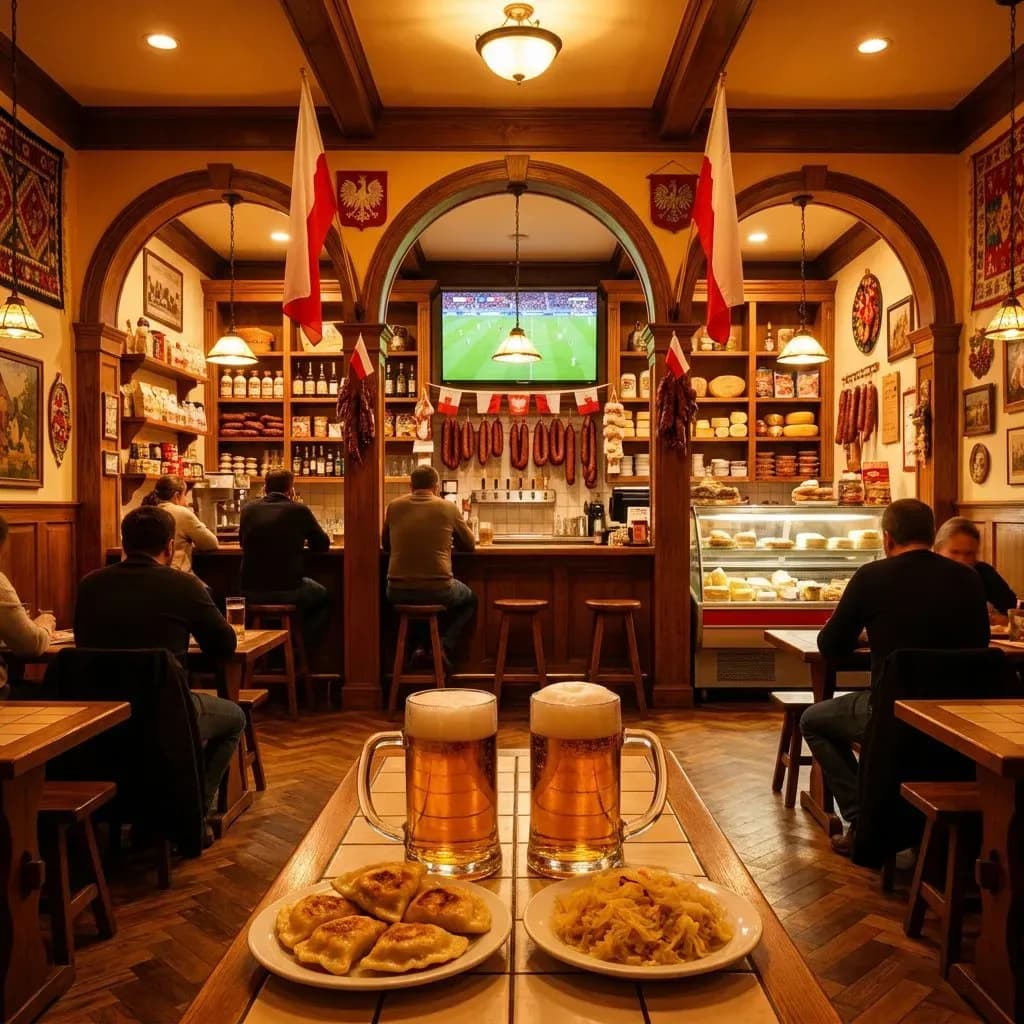
The energy is palpable, almost electric, as the World Cup fever grips Greenpoint. On match days, this corner of Brooklyn, affectionately known as Little Poland, transforms into a pulsating sea of red and white, a vibrant echo of the national colors. From the moment the Polish national anthem rings out, a collective roar erupts from its heart, a sound that, for many, drowns out the legendary fervor of Chicago's Avondale. The aroma of kielbasa and pierogi mingles with the celebratory clinking of beer glasses, creating an immersive experience that's both authentically Polish and quintessentially New York.
Manhattan Avenue: The Epicenter of Polish Pride
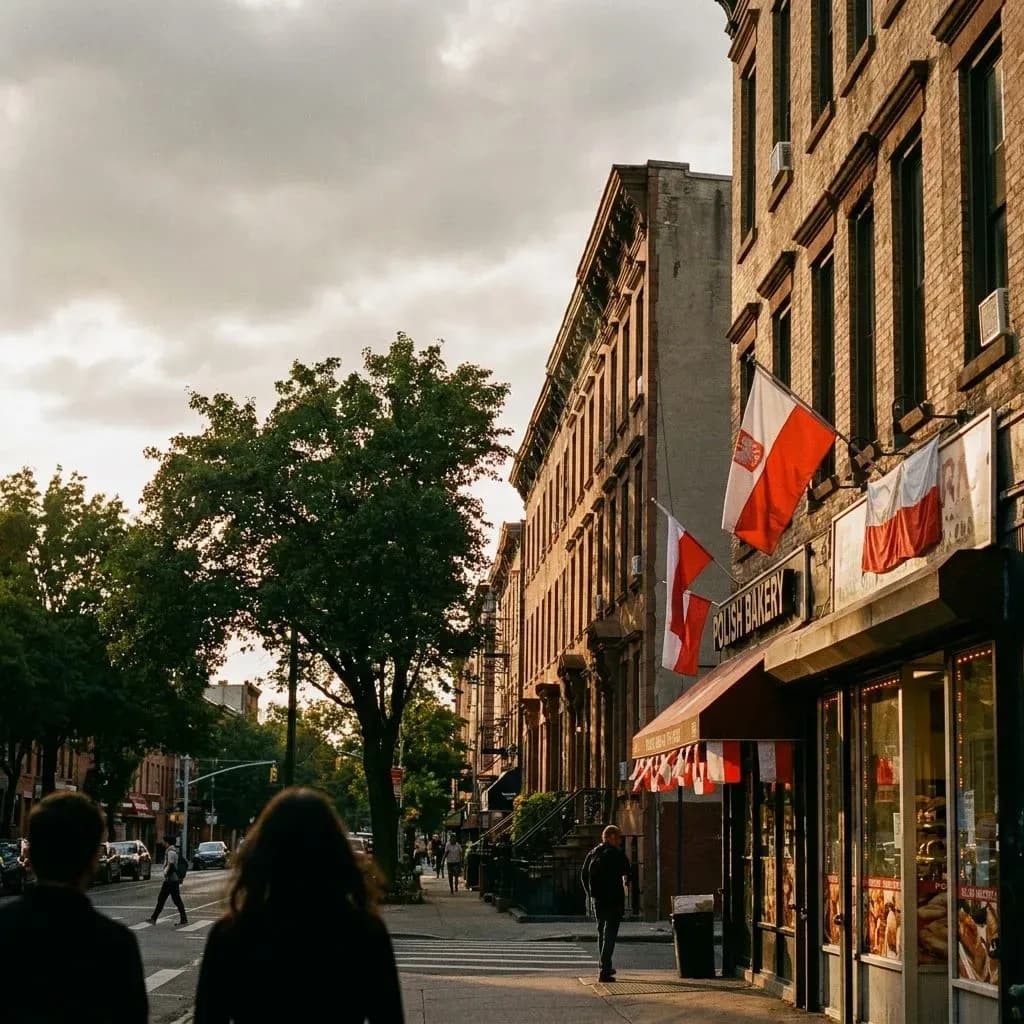
Manhattan Avenue is the undeniable epicenter of Greenpoint's World Cup celebrations. Here, the Polish delis and bakeries that line the street shed their everyday demeanor, transforming into vibrant bastions of national pride. Imagine a butcher shop, usually bustling with customers selecting cuts of meat, now adorned with massive Polish flags draped from its awning, almost touching the sidewalk. Inside, televisions are strategically placed, broadcasting pre-match analysis to a standing-room-only crowd, their faces illuminated by the blue glow of the screen. Further down, a bakery, famed for its paczki, now offers red and white frosted cupcakes alongside its traditional pastries, the air thick with the sweet scent of sugar and anticipation. The sidewalks themselves become an extension of the viewing experience. People spill out from the establishments, clutching plastic cups of beer, their conversations a rapid-fire mix of Polish and English, punctuated by excited gestures and fervent predictions. The soundscape is a symphony of horns honking in solidarity, snippets of pre-match commentary drifting from open doorways, and the rising murmur of a crowd bracing itself for the beautiful game.
Nassau Avenue: A More Intimate Affair
Just a few blocks away, venturing off the main thoroughfare of Manhattan Avenue, Nassau Avenue offers a subtly different, perhaps more intimate, viewing experience. While still undeniably Polish-centric, the establishments here tend to be smaller, more neighborhood-focused. Picture a cozy bar, its windows steamed from the warmth inside, where regulars gather around a single large screen. The atmosphere is less a boisterous street party and more a lively, extended family gathering. Conversations are deeper, more analytical, though no less passionate. Here, you're more likely to find multi-generational families huddled together, the older folks sharing stories of past World Cup triumphs, the younger ones glued to their phones, refreshing live stats. The scent of homemade food is often distinct, as many of these smaller spots might offer a special match-day menu, perhaps a hearty goulash or a plate of freshly made potato pancakes. The cheers are just as fervent, but the space allows for a different kind of connection, a shared experience that feels rooted in community and tradition, rather than the grand spectacle of Manhattan Avenue.
What Match Day Actually Looks Like
The rhythm of match day in Greenpoint is a fascinating progression. Hours before kickoff, a buzz begins to build, a low hum of excitement that gradually intensifies. By late morning, the red and white starts to appear, first in isolated bursts – a scarf here, a jersey there – then in a cascading wave. Flags begin to unfurl from apartment windows along Greenpoint Avenue and tucked away side streets, creating a patchwork of national pride. As kickoff approaches, the energy shifts into a palpable hum. People stream towards the main viewing areas, their faces etched with anticipation. Once the whistle blows, the neighborhood breathes as one. Every pass, every tackle, every near-miss elicits a collective gasp or groan. A well-placed shot on goal sends a ripple of hopeful murmurs through the crowd, culminating in an explosion of cheers, claps, and sometimes, well-meaning expletives, when the ball finds the back of the net. The moments of silence are equally profound, a pregnant pause as the ball hovers precariously, or when a crucial foul is called. It’s a collective emotional roller coaster, played out publicly and passionately.
The Halftime Ritual
Halftime in Greenpoint is a brief, but crucial, interlude. It’s a mad dash for sustenance and a moment to dissect the first 45 minutes. Lines form quickly at the various Polish delis and bakeries, where the scent of freshly baked bread and cured meats is intoxicating. Slices of thin-crust pizza are devoured, often topped with pickled vegetables or a generous dollop of mustard. The bars, momentarily less frenzied, see a surge in orders for Polish beers like Zywiec or Tyskie, their golden hues reflecting the glow of the screens still displaying replays. It’s a communal debriefing, a rapid-fire exchange of opinions on tactics, individual performances, and what needs to change in the second half. The air is filled with animated discussions, predictions, and the occasional frustrated sigh, but always with an underlying current of hope. It’s a chance to recharge, both physically and emotionally, before diving back into the fray.
After the Final Whistle
The final whistle brings an abrupt, almost jarring, shift in the atmosphere. If Poland has won, Greenpoint erupts into a joyous carnival. Car horns blare almost continuously along Manhattan Avenue, their sound a triumphant chorus. Strangers embrace, flags wave furiously, and chants of "Polska! Polska!" echo through the streets. The celebrations often spill out from the bars and restaurants, turning sidewalks into impromptu dance floors. Even hours after the match, the echoes of victory linger, a warm, fuzzy feeling settling over the neighborhood. If the result is less favorable, a different kind of solemnity descends. The initial disappointment is palpable, a collective sigh escaping from the crowds. While some choose to linger in quiet commiseration, dissecting what went wrong, others disperse quickly, heading home to process the loss in private. But even in defeat, there's a sense of shared experience, a quiet understanding that they'll all be back for the next match, hopes renewed.

Practical Notes for Visitors
Transit: The most convenient way to reach Greenpoint is via the G train, disembarking at either Nassau Avenue or Greenpoint Avenue stations. Both are centrally located within the main Polish commercial areas. Buses like the B43 and B62 also service the neighborhood.
Timing: For the full immersive experience, aim to arrive at least 1.5 to 2 hours before kickoff. This allows you to soak in the pre-match atmosphere, secure a good viewing spot, and grab some food and drink before the crowds become truly overwhelming.
Etiquette: While passionate, Greenpoint’s World Cup watchers are generally friendly. Expect spirited cheering and boisterous reactions. It's perfectly acceptable to join in the chants and celebrations. A basic "Dzień dobry" (good morning/afternoon) or "Dziękuję" (thank you) in Polish will always be appreciated.
Unique Tip: Don't just stick to the main avenues. Explore the smaller side streets off Manhattan Avenue. You'll often discover quaint cafes or hidden delis that offer equally enthusiastic, if slightly less crowded, viewing experiences, and perhaps an even more authentic taste of local life.
Tags: #FIFAWorldCup2026 #RobertLewandowskiPoland #Greenpoint #NewYorkCity #WorldCupNYC #WorldCupWatch #WorldCupFans #FanCulture #WorldCupBracket #MatchDay #SoccerCulture #WorldCupStandings #LocalSportsBar #DiasporaCulture #WorldCupViewing
Sources consulted: fifa.com · timeout.com · espn.com · gothamist.com
All trademarks are the property of their respective owners.
Ask Karpo first
Want to know which Greenpoint bar shows Poland matches, where to grab pierogis before kickoff, and whether Manhattan Avenue or Nassau Avenue has the louder crowd? Ask Karpo for the Greenpoint Polish fan guide, food recommendations, and match-day transit tips from Manhattan.
Ask Karpo for more information.
Keep reading
- Haaland Has Seven Goals and Norway Runs Entirely Through Him
 World Cup Trophy Ceremony Timing Medals and Postmatch Celebrations
 Olise and France's Attack: The Semifinal Tactical Question