 Haaland Has Seven Goals and Norway Runs Entirely Through Him
⚽️2026 FIFA WORLD CUP
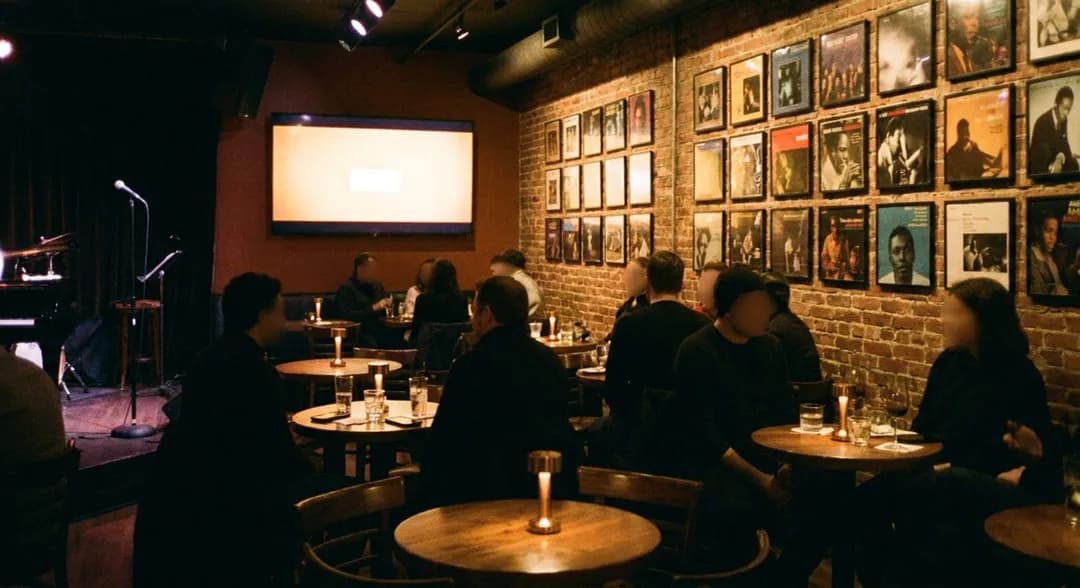
Leimert Park Jazz Lounge Screens Where Colman Domingo Clips Play Between World Cup Halves
A vinyl-lined room toggles between match feeds and actor interview reels, drawing cinephiles who also love the beautiful game.
You walk into a room where Coltrane spins on a turntable between penalty kicks, where the walls hold more vinyl than most record stores, and where the bartender toggles the projector from a Group Stage thriller to a five-minute Colman Domingo monologue without anyone batting an eye. This is Leimert Park during World Cup season—a neighborhood that's always understood how to layer culture, never flatten it.
The Toggle Happens Without Announcement
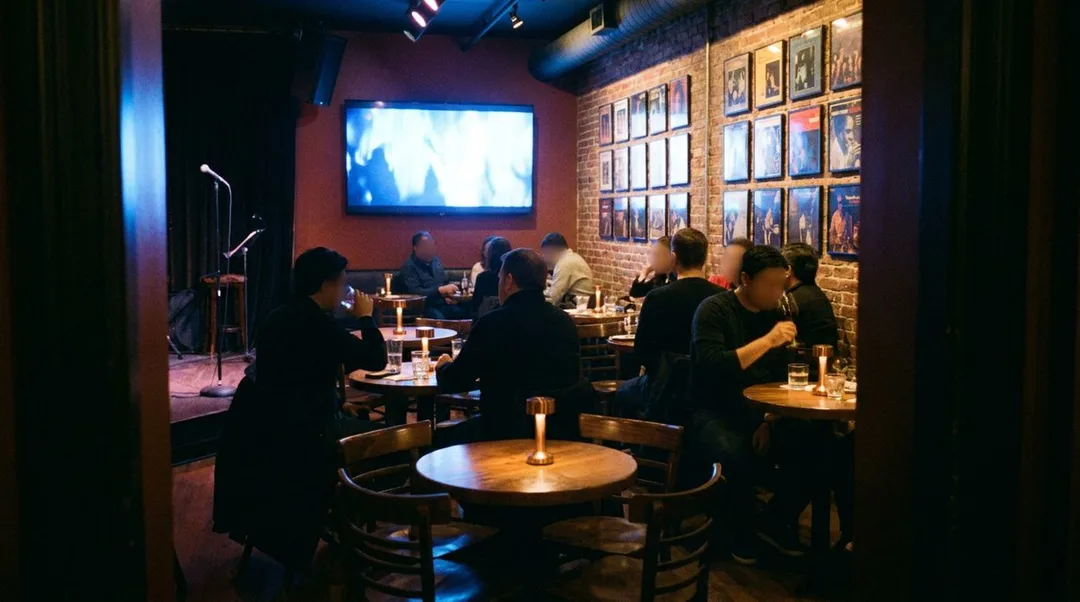
Halftime arrives and the screen cuts from green pitch to grainy interview footage. Domingo mid-sentence, talking about craft or childhood or Baldwin, his voice filling the room while people stay exactly where they are. No one reaches for their phone. The projector hums, someone refills their glass, and the transition feels less like programming and more like the natural rhythm of a place that refuses to choose between passions. You're here because you want both—the athleticism and the art, the global game and the local icon. The room darkens just enough that you notice the amber glow from the bar backlighting rows of bottles, and when the match resumes twelve minutes later, the shift back feels equally unforced. This isn't a sports bar trying to seem cultured. It's a jazz room that happens to love football.
Vinyl Spines Frame Every Sightline
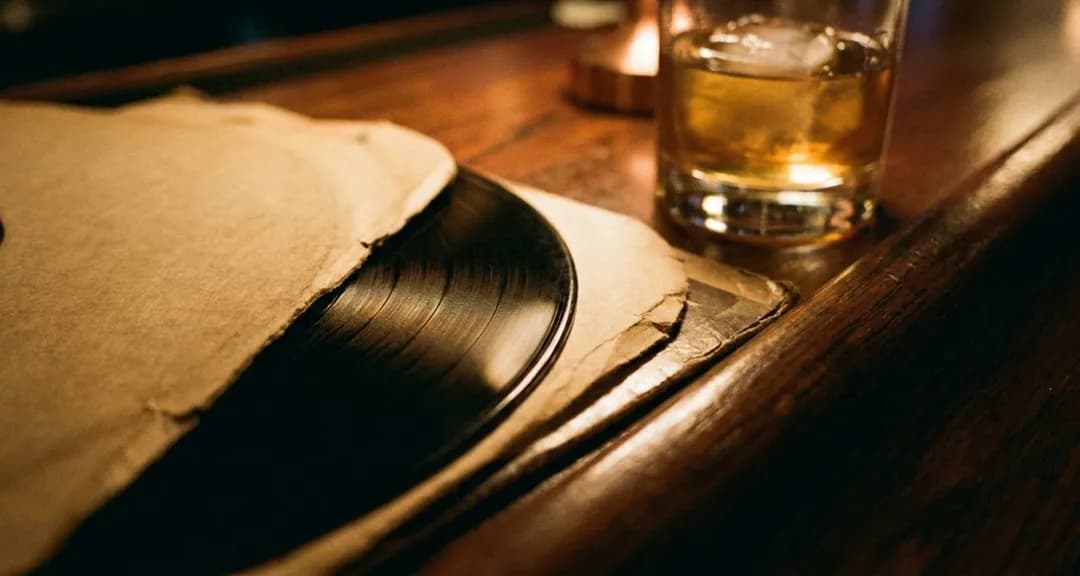
The walls aren't decorated—they're archived. Floor-to-ceiling shelves hold thousands of records, spines out, organized by an internal logic you won't crack in one visit. Between sets and between halves, regulars pull albums and flip through liner notes like they're browsing a friend's collection, because in many ways they are. The room smells faintly of old paper and whatever oil they use on the bar top, something with a warm woodsy note that mingles with the coffee brewing in the back. When a goal goes in, the roar competes with the crackle of whatever's spinning—usually something from the Blue Note catalog, sometimes a Brazilian samba that syncs eerily well with the match tempo. You realize after your second visit that the music is never random. Whoever's curating understands call-and-response, knows when to let silence hold space, treats the turntable like a second screen.
The Regulars Speak Three Languages Minimum
You hear Spanish, Portuguese, and Patois in the same conversation, often in the same sentence. During matches involving African nations, the crowd shifts—more flags draped over shoulders, more texting of relatives abroad, more collective inhales when a counter-attack builds. The demographic isn't monolithic. You've got film students from USC sitting next to retired union organizers, someone's auntie who drove in from Inglewood next to a couple who flew in from Oakland specifically for this setup. What they share is fluency in multiple worlds. They can break down a false nine formation and cite the cinematography in *Rustin* without switching conversational gears. At halftime, when Domingo's face fills the screen, you overhear someone mention they worked background on a set with him years ago, and three people lean in to hear the story. The room never feels segmented—cinephiles on one side, football heads on the other. Everyone's both.
The Snack Situation Runs Deeper Than Expected
You're not here for a meal, but the kitchen pushes out plates that make you reconsider your dinner plans. Empanadas arrive at your table still audibly crackling, the pastry shattered into a hundred bronze layers, the filling dense with slow-cooked beef that's been hit with cumin and a whisper of cinnamon. Someone two seats over orders jerk wings and the scotch bonnet heat reaches you before the plate does, a kind of olfactory preview that makes your eyes water in the best way. There's a plantain situation that changes depending on who's cooking—sometimes tostones with a lime-spiked mayo, sometimes maduros so caramelized they border on dessert. The menu isn't printed anywhere you can see. You ask what's available and the bartender tells you, and it's different every time, contingent on what got sourced that morning and who's in the back. Prices hover in the realm of reasonable—a few bucks for snacks, nothing that makes you wince when the check comes.
The Projector Shares Space With a Permanent Stage
There's a small riser in the corner, drum kit half-covered, mic stands waiting. On non-match nights this room hosts live sets—straightahead jazz, spoken word, the occasional Afrobeat ensemble. The World Cup doesn't erase that programming; it coexists. You might catch a match that kicks off late afternoon, then stay for a trio that starts their first set right after full time. The projector retracts, the screen rolls up, and the room reconfigures without anyone needing to leave. The crossover audience is the point. People who came for the game discover they love the music. People who came for the music realize they care about the result. The space was never built to silo. It was built to layer, to trust that the Venn diagram of interests is wider than most venues assume. You leave understanding that Leimert Park has always done this—refused the binary, insisted on abundance.
Light Slants Different Depending on Kickoff Time
Early matches flood the room with midday sun that cuts through the front windows and lands in bright parallelograms on the floor, illuminating dust motes and making everyone squint at the screen until someone draws the curtains halfway. Late kickoffs mean you're watching in near-dark, just the projector's glow and the string lights behind the bar casting everyone in warm silhouette. The room feels bigger at night, more conspiratorial, like you're all in on something the rest of the city is missing. Between those extremes are the golden-hour matches, when the light turns syrupy and amber and the whole room glows like a Hopper painting, everyone's face half-lit, attention locked forward. You start planning your visits around kickoff times not just for the matchups but for the quality of light, the way the room transforms depending on the sun's angle, the way that transformation changes how you watch.
Practical Notes
The lounge sits in the heart of Leimert Park, walkable from the Expo Line if you're coming via transit. Street parking exists but fills fast on match days—arrive early or plan to circle. There's no reservation system; it's first-come seating, and the room caps out at a capacity that keeps things intimate. Doors open mid-morning on match days, earlier than usual to catch European kickoffs. Cash is king, though they've started taking cards. If you want a specific seat—near the screen, near the bar, near the turntable—show up at least thirty minutes before kickoff. The Domingo clips aren't advertised anywhere; they just happen, a curatorial choice that changes periodically. Sometimes it's interviews, sometimes it's scenes, sometimes it's award-show speeches. The logic is vibes, not schedule.
Tags: #LeimertPark #LosAngelesHiddenGems #FIFAWorldCup2026 #ColemanDomingo #JazzAndFootball #VinylCulture #LANeighborhoods #SoccerCulture #CinephileMeetsSportsFan #BlackLosAngeles #WorldCupViewing #CulturalCrossroads #SouthLASpots #AuthenticLA #FootballCommunity
Sources consulted: fifa.com · espn.com · timeout.com
Please drink responsibly. Must be of legal drinking age.
All trademarks are the property of their respective owners.
Ask Karpo for more information.
Keep reading
- Haaland Has Seven Goals and Norway Runs Entirely Through Him
 World Cup Trophy Ceremony Timing Medals and Postmatch Celebrations
 Olise and France's Attack: The Semifinal Tactical Question