 Haaland Has Seven Goals and Norway Runs Entirely Through Him
⚽️2026 FIFA WORLD CUP
Lamine Yamal and Spain in NYC: Where La Roja's Teenage Sensation Fires Up the West Village Tapas Scene
As Spain's youngest football phenom captivates the globe, New York City's vibrant West Village ignites with a celebratory fusion of futbol fever and authentic Spanish flavors.
The buzz is undeniable, a low hum that vibrates through the cobblestone streets of the West Village, growing steadily louder as match day approaches. This World Cup, an astonishing young talent has captured the imagination of football fans worldwide, and nowhere is his impact felt more acutely than in New York City's most storied Spanish enclaves. While the world watches Lamine Yamal weave his magic on the pitch, here in the heart of Manhattan, Spanish tapas bars and wine spots are transforming into fervent La Roja territory, celebrating the youngest star's biggest NYC following. From the sun-drenched stoops to the dimly lit wine cellars, a palpable anticipation hangs in the air, a testament to the beautiful game's global reach and the magnetic draw of Spain's new prodigy.
West Village: The Heartbeat of La Roja
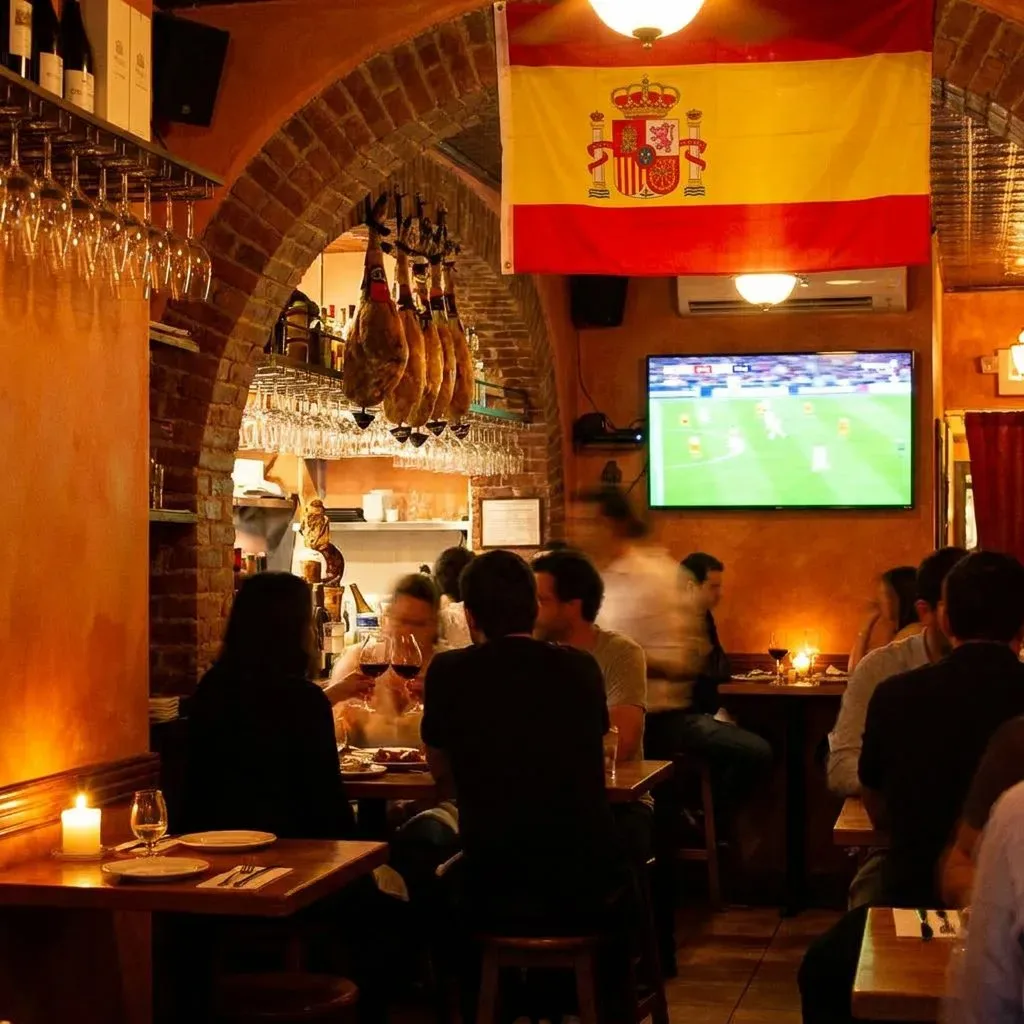
The West Village, with its winding streets and historic charm, becomes virtually an extension of a bustling Seville plaza on a day when Spain is playing. As you stroll down Bleecker Street, a distinct aroma of garlic, smoked paprika, and rich olive oil wafts from the open doors of establishments that have served as community hubs for generations. These aren't sports bars in the traditional sense; rather, they are intimate, often dimly lit spaces, adorned with tile work, dark wood, and the occasional framed photo of a matador or a flamenco dancer. On match day, however, their usual serene ambiance gives way to an electric charge.
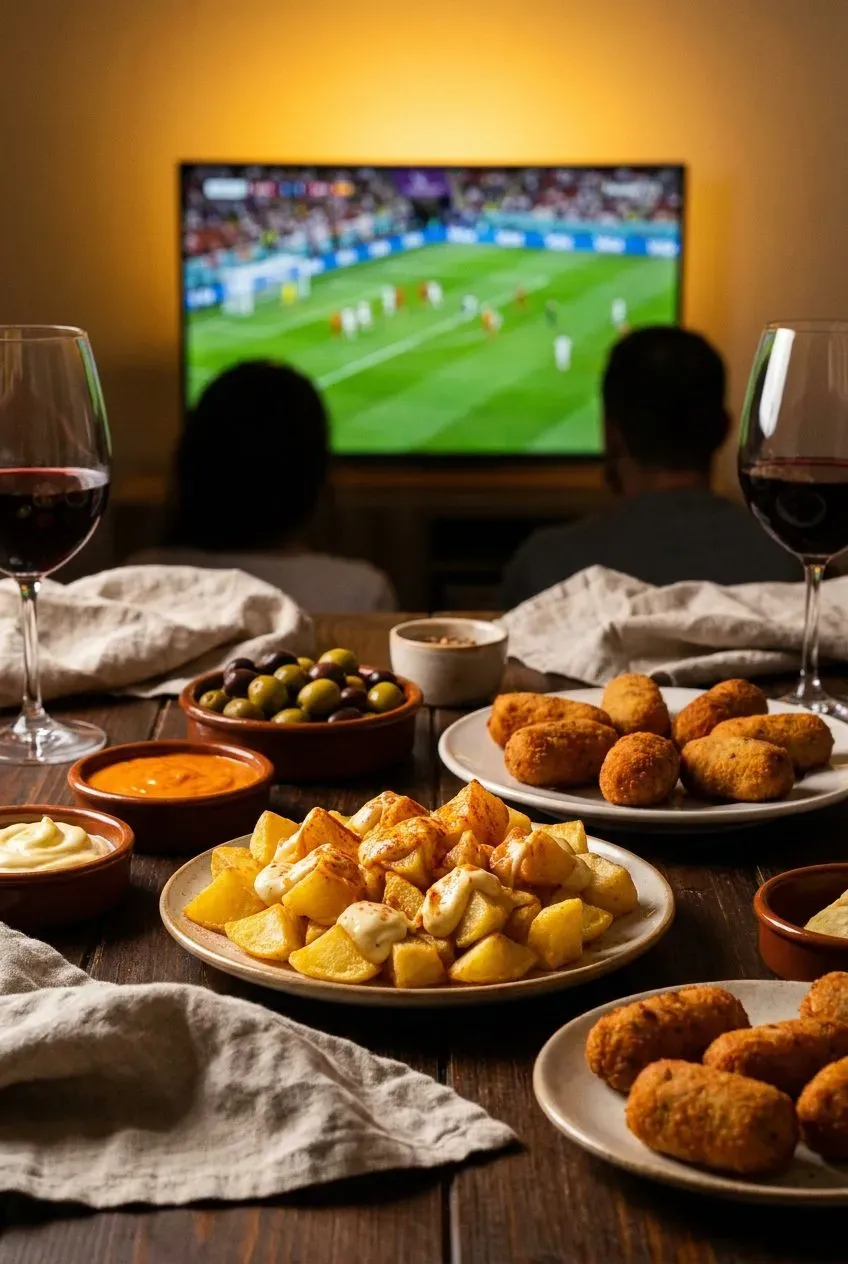
Imagine a classic Spanish restaurant on Christopher Street, its windows adorned with small red and yellow flags. Inside, every seat at the polished wooden bar is taken, and tables are pushed together to accommodate larger groups. The clinking of glasses, the murmur of Spanish spoken with various regional accents, and the rhythmic clack of dominoes are usually the dominant sounds. But as kickoff approaches, a different energy takes over. Faces are illuminated by the glow of a strategically placed television screen, often mounted above the bar or in a cozy corner. Here, the experience is less about rowdy chants and more about shared passion, punctuated by sharp intakes of breath, collective groans, and explosive cheers. It’s an immersive, almost familial affair, where strangers bond over a shared plate of patatas bravas and the undeniable skill of Lamine Yamal.
Chelsea: A Modern Tapestry of Fandom
Just a short walk north, across 14th Street, the atmosphere shifts as you enter Chelsea. Here, the viewing experience takes on a more contemporary, perhaps even slightly more boisterous, character. While the West Village offers a deeply traditional immersion, Chelsea presents a broader, more diverse canvas of fandom, often in larger, more modern establishments. Think of the bustling gastropubs and upscale bars along 8th Avenue or 9th Avenue, where sleek interiors and craft beer menus replace old-world charm.
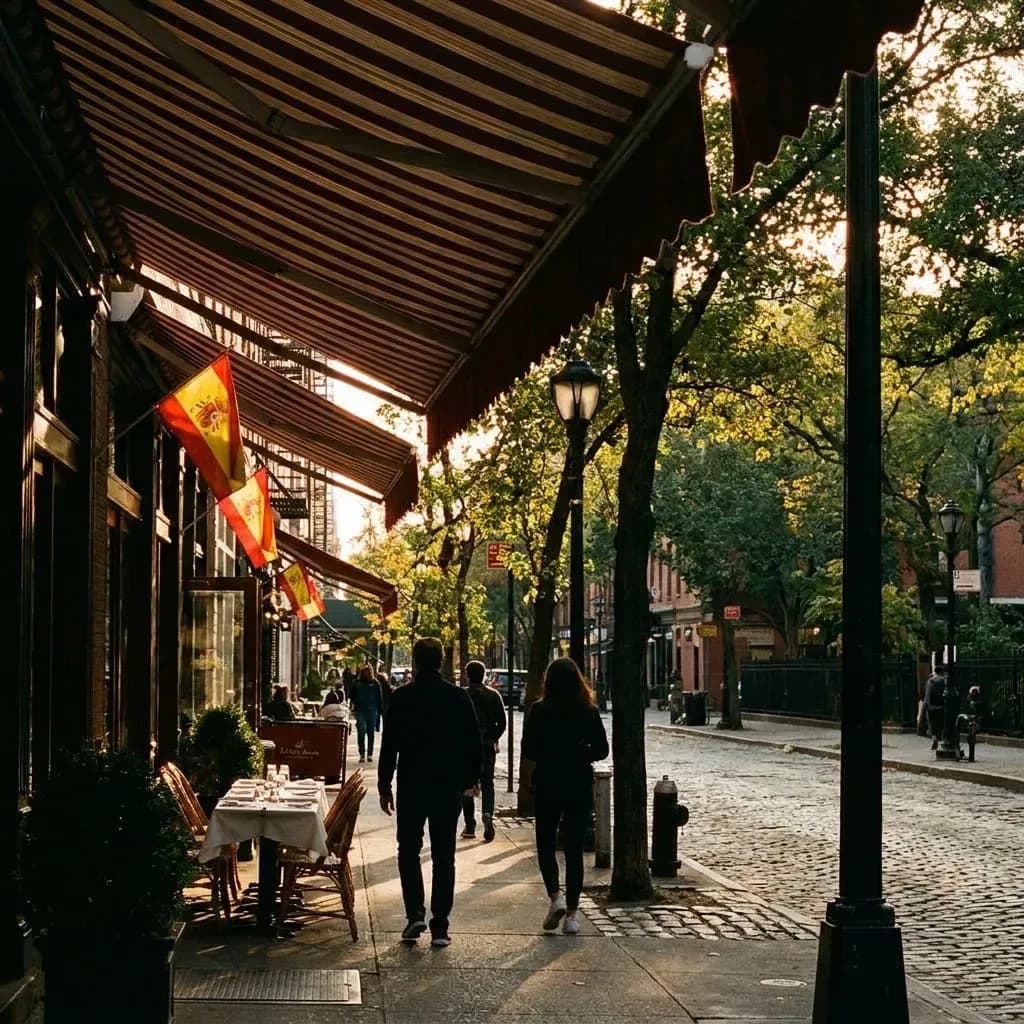
These venues often boast multiple large screens, ensuring every vantage point offers an unobstructed view of the action. The crowd here is a mix – not exclusively Spanish expatriates, but a vibrant tapestry of New Yorkers from all walks of life, united by their love for football and their fascination with Spain's rising stars. While the West Village might offer a more intimate, hushed appreciation of a sublime pass or a deft touch by Yamal, Chelsea’s venues erupt with a different kind of energy. Chants are louder, high-fives are more frequent, and the collective roar of the crowd after a goal can genuinely shake the room. It’s a high-energy, communal celebration that feels distinctly New York – diverse, dynamic, and undeniably passionate.
What Match Day Actually Looks Like
The rhythm of a match day in these neighborhoods is a meticulously orchestrated crescendo of anticipation and release. Hours before kickoff, especially for a key Spain match, the streets begin to hum. People mill about, sporting jerseys – many of them new, bearing Yamal's number – or draped in Spanish flags. Friends greet each other with enthusiastic embraces, and the air fills with excited chatter, predictions, and fervent hopes for the coming ninety minutes. Securing a spot inside a popular tapas bar in the West Village, particularly one known for its authentic Spanish fare, often requires arriving a good hour or two before the first whistle.
As kickoff approaches, the energy intensifies. The initial din of conversation slowly gives way to focused attention. Eyes are glued to the screen, and even the most boisterous conversations dim to a murmur. When the referee blows the whistle, signaling the start of the game, a collective shiver of excitement runs through the crowd. Every pass, every tackle, every near-miss is met with an audible reaction. A brilliant flick from Yamal, a surging run down the wing, or a precise through-ball will elicit gasps of admiration and applause. And then comes the goal. The explosion of joy is instantaneous and overwhelming – a unified roar, a sea of arms thrown into the air, hugs, and spilled drinks. It’s a moment of pure, unadulterated euphoria, a shared experience that transcends language and background.
The Halftime Ritual
The halftime whistle brings a brief, albeit energized, respite. This isn't a moment for quiet reflection; rather, it’s a flurry of activity. Patrons rush to the bar to refill their sangria pitchers or order another round of cañas – small, refreshing beers. The aroma of freshly fried churros with rich chocolate dipping sauce or sizzling gambas al ajillo fills the air as plates are passed around. It’s a chance to dissect the first half, to debate tactics, to praise outstanding plays, and to lament missed opportunities.
In the West Village, conversations during halftime often revolve around the intricacies of the game, seasoned with a deep understanding of football history and Spanish tradition. In Chelsea, the discussions might be more generalized, but no less passionate. Regardless of location, the shared ritual of food and drink solidifies the communal experience. It’s a feast for the senses, a chance to refuel and recharge before the second half’s inevitable drama unfolds. The break is just long enough to catch your breath, but not so long that the intensity dissipates entirely.
After the Final Whistle
The final whistle, whether it brings elation or despair, marks the culmination of an emotional roller coaster. If Spain has secured a victory, especially a hard-fought one, the celebration is immediate and effusive. Cheers erupt, flags are waved with renewed vigor, and impromptu renditions of Spanish songs might break out. Strangers embrace like long-lost friends, united by the triumph. The mood is buoyant, extending well into the evening as patrons linger, savoring the victory with more drinks and animated discussions about the game's highlights – undoubtedly featuring Lamine Yamal's contributions prominently.
Conversely, a loss brings a different, more somber atmosphere. A collective sigh, a lingering quiet, and the slow, reluctant dispersion of the crowd. Even in defeat, however, there's a shared sense of camaraderie, a quiet understanding of the passion invested. Supporters might commiserate with each other over a final drink, already looking ahead to the next match, holding onto hope. Whether in victory or defeat, the shared experience leaves an indelible mark, strengthening community bonds and reinforcing the enduring power of football.
Practical Notes for Visitors
Transit: Both the West Village and Chelsea are easily accessible via New York City's subway system. For the West Village, the 1, 2, 3 lines at Christopher Street-Sheridan Square or the A, C, E, B, D, F, M lines at West 4th Street-Washington Square are your best bets. For Chelsea, the A, C, E, L lines at 14th Street-8th Avenue, or the 1, 2, 3 lines along 7th Avenue, will get you close to the action. Walking between the two neighborhoods is also a pleasant option, offering a chance to soak in the street-level energy.
Timing: For any significant World Cup match featuring Spain, especially those in the knockout stages, arrive at least 60-90 minutes before kickoff to secure a good viewing spot. Popular establishments, particularly those in the West Village known for their authentic ambiance, fill up quickly. For earlier matches, arriving 30-45 minutes ahead might suffice, but it’s always safer to err on the side of early.
Etiquette: Embrace the passion, but respect the space. While cheers are expected, overly aggressive behavior is not. Be mindful of those around you, especially in the more intimate West Village venues. Ordering food and drinks regularly is also a courteous gesture, supporting the establishments that serve as these crucial community hubs.
Unique Tip: After the match, particularly if Spain has won, take a stroll down Grove Court in the West Village (between Grove Street and Bleecker Street). This charming, historic alleyway, though quiet, often sees small groups of jubilant fans singing and celebrating discreetly, adding a magical, almost cinematic, touch to the post-match revelry. It’s a hidden gem that reveals the neighborhood's enduring charm, even amidst the football fervor.
Tags: #FIFAWorldCup2026 #LamineYamalSpain #WestVillage #NewYorkCity #WorldCupNYC #WorldCupWatch #WorldCupFans #FanCulture #WorldCupBracket #MatchDay #SoccerCulture #WorldCupStandings #LocalSportsBar #DiasporaCulture #WorldCupViewing
Sources consulted: fifa.com · timeout.com · espn.com · gothamist.com
All trademarks are the property of their respective owners.
Ask Karpo first
Want to know which West Village tapas bar shows Spain matches, where to find the best patatas bravas before kickoff, and whether Chelsea's Spanish spots are less crowded? Ask Karpo for the La Roja fan route through lower Manhattan, real-time crowd updates, and post-match dining recommendations.
Ask Karpo for more information.
Keep reading
- Haaland Has Seven Goals and Norway Runs Entirely Through Him
 World Cup Trophy Ceremony Timing Medals and Postmatch Celebrations
 Olise and France's Attack: The Semifinal Tactical Question