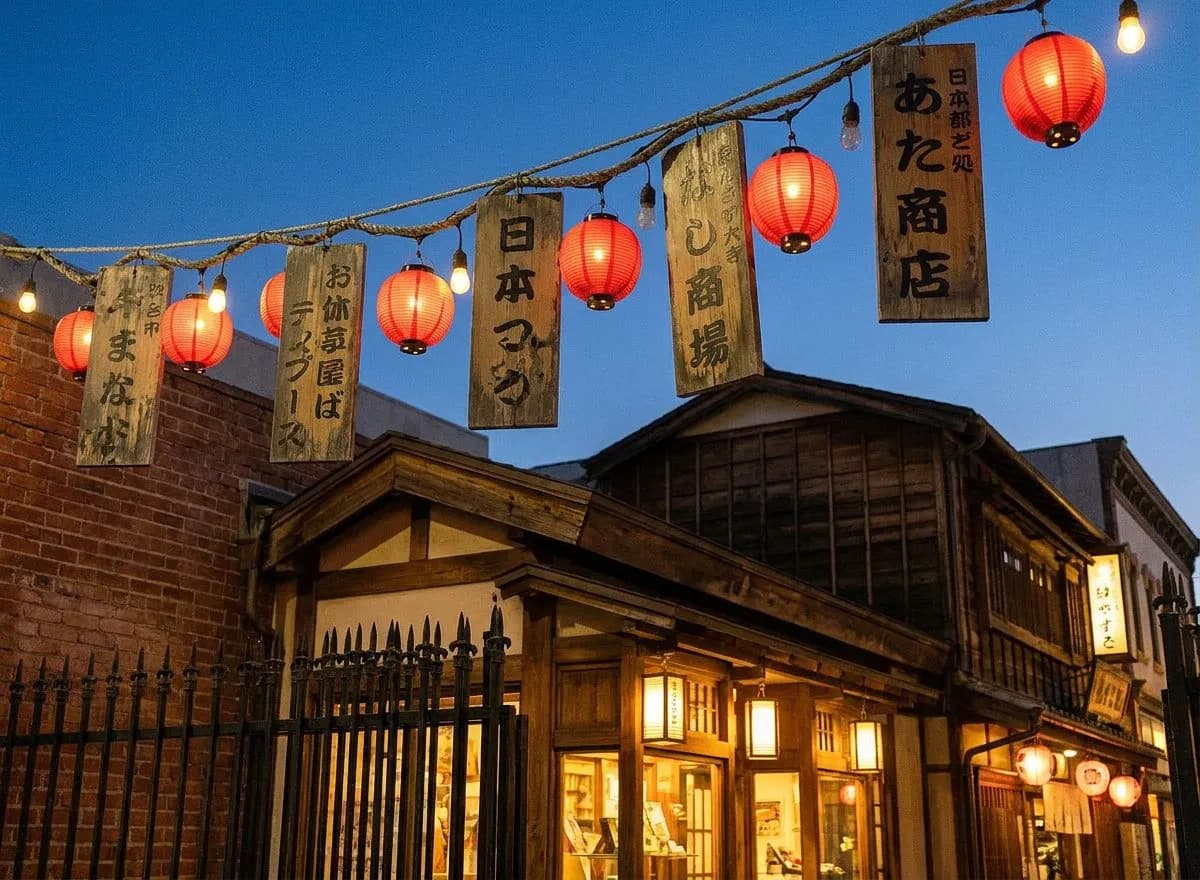
There's a specific pleasure to eating alone at a Japanese counter—elbows on wood, steam rising, the quiet choreography of chefs working inches from your bowl. Little Tokyo in downtown Los Angeles holds some of the city's best stages for this kind of dining, where solo doesn't mean lonely; it means you're free to focus entirely on the food, the rhythm of service, and the hum of conversation around you without the obligation to perform dinner-table small talk. Late May brings warm evenings when the walk from the Metro feels easy, the jacarandas are finishing their show, and counter seats open onto the street where the air smells faintly of grilled yakitori and hot oil.
Why counter seating works for solo diners
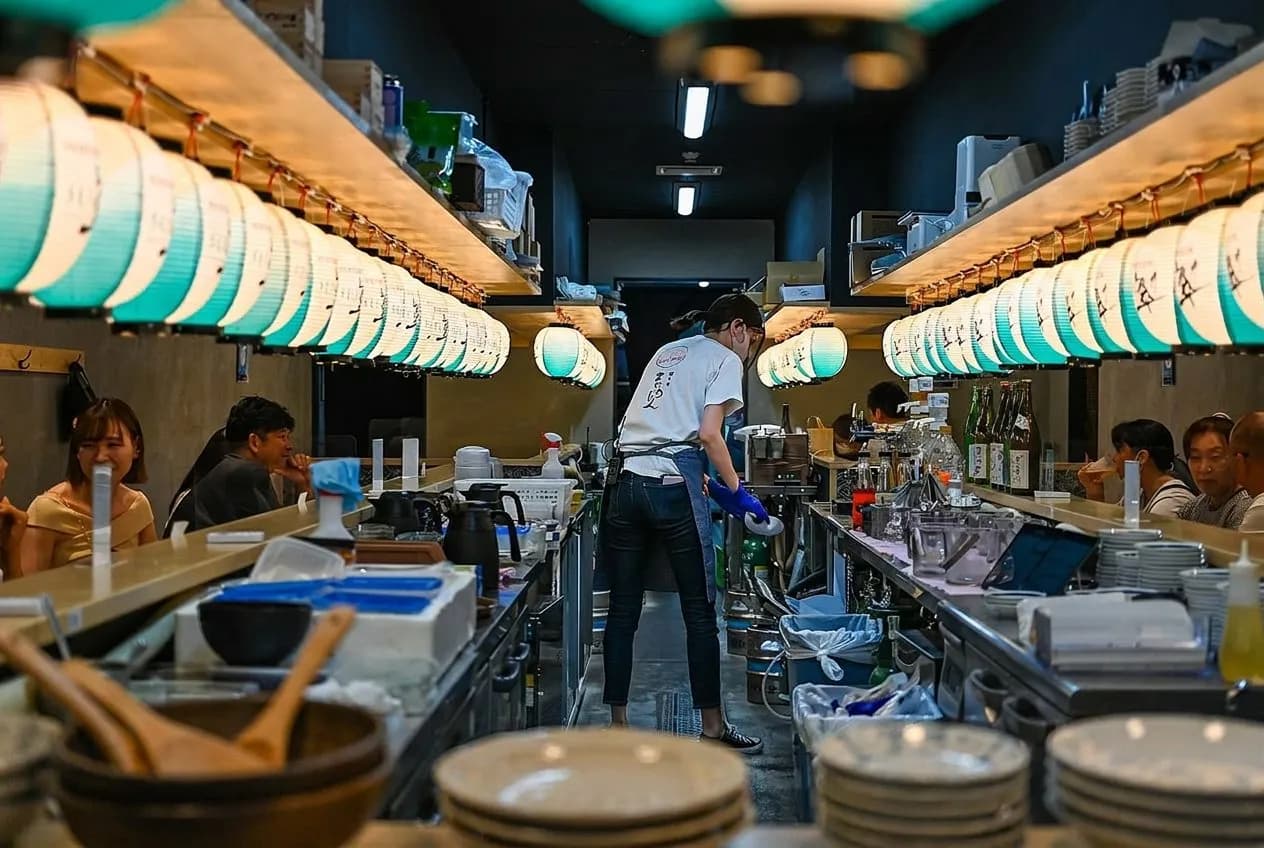
Counter dining strips away the awkwardness of a table set for two with one empty chair. You're facing forward, engaged with the kitchen or the street, part of the procession rather than an observer waiting for company that isn't coming. In Little Tokyo, counters run the spectrum from elbow-to-elbow ramen bars where you slurp alongside salarymen and students to quieter izakaya setups where the bartender nods as you settle in and pours your first beer without asking.
The format also imposes a gentle structure. You order, you eat, you leave—no lingering required, though no one rushes you either. It's efficient without feeling transactional, communal without demanding interaction. And in a neighborhood dense with options, knowing you can walk in, claim a single seat, and be eating within ten minutes makes spontaneity possible.
Ramen counters where speed meets ritual
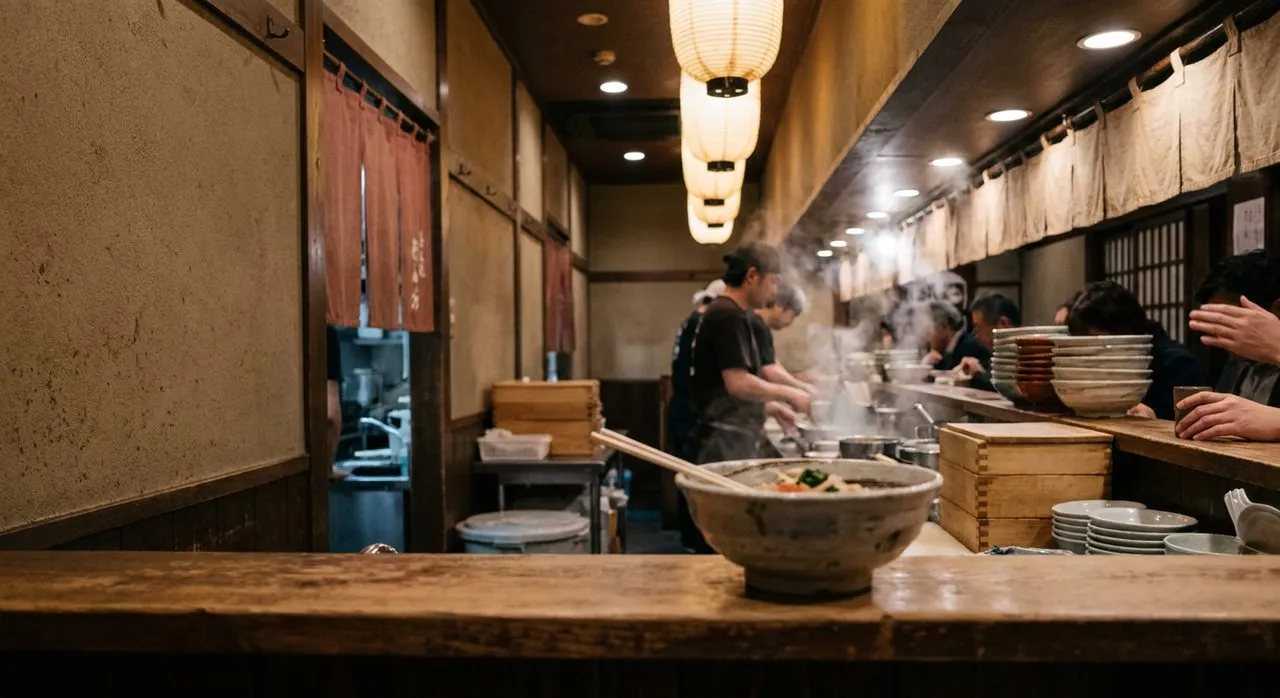
Ramen shops are perhaps the purest expression of Japanese counter dining. The best ones in Little Tokyo operate with assembly-line precision: you order at a ticket machine near the door, hand your slip to the counter staff, and within minutes a bowl arrives—broth shimmering with fat, noodles still firm, toppings arranged with more care than the speed would suggest. The rhythm is fast but not frantic; you're expected to eat while it's hot, and the turnover means there's always a seat opening up.
Late spring means the heavier tonkotsu broths feel just right as the sun sets and the temperature finally drops. Counters face the kitchen, so you watch ladles dip into giant stockpots, noodles pulled from boiling water in wire baskets, soft-boiled eggs halved with surgical precision. The soundtrack is metal on metal, water boiling, the occasional bark of orders. You finish, leave your tray, and step back into the warm evening feeling fortified.
Izakaya counters for a longer, looser evening
If ramen counters are sprints, izakaya counters are long walks with frequent pleasant detours. These Japanese gastropubs cluster throughout little tokyo la dining corridors, and the best ones for solo diners have bar seating that lets you graze through small plates—grilled fish collars, chilled tofu with grated ginger, karaage that arrives crackling hot—while working through a carafe of sake or a progression of Japanese whisky highballs. The pace is yours to set.
Counter seats here tend to be wider, with better light for reading a book between courses if that's your inclination. The wood is often darker, more polished, and the atmosphere skews convivial rather than industrial. Bartenders chat if you're open to it, or leave you in peace if you're not. By 8 p.m. on a Thursday in late May, these spots hum with a mix of locals unwinding after work and visitors who've done their research, everyone united by the understanding that good japanese food los angeles doesn't require ceremony, just attention.
Sushi counters for the committed
Sushi counters occupy a different tier—more expensive, more formal, often requiring reservations even for a single seat. But if you're willing to invest the time and budget, there's no better way to experience omakase than alone. You're the sole focus of the chef in front of you, each piece of nigiri placed directly on your wooden board or into your hand, the progression building from lighter fish to richer cuts as the meal unfolds.
Little Tokyo has a handful of these temples to precision, where counters seat six or eight and the meal runs two hours. Solo diners are common here; in fact, the format almost favors it. You're not splitting attention between a companion and the chef's explanations of each fish, its provenance, the temperature of the rice. You can be fully present, which is the point. Come hungry, come ready to trust the progression, and leave your phone in your pocket.
The side streets and what you'll find there
Beyond the main drags of First and Second streets, Little Tokyo's side blocks hold smaller operations—noodle shops with six counter seats, yakitori joints where the grill is the entire show, curry specialists with Formica counters and analog ticket systems unchanged since the 1980s. These are the places locals defend fiercely and visitors stumble upon by accident or algorithm.
The vibe skews utilitarian: fluorescent light, minimal English signage, laminated menus with photos worn soft at the edges. But the food delivers what it promises—hot, fast, fairly priced, made by people who've been doing this long enough that muscle memory guides the work. A solo diner fits seamlessly here; half the seats are already occupied by people eating alone, absorbed in their phones or the small television mounted in the corner broadcasting Japanese baseball.
What to expect from the neighborhood itself
Little Tokyo compresses a lot into a few walkable blocks bordered by freeways and the Los Angeles River. The neighborhood feels most alive in the evenings when restaurants open and the plaza fills with people waiting for tables or killing time between courses. Late May means the jacaranda blooms are fading but the evenings stay light until nearly 8 p.m., and the pedestrian areas along Second Street pulse with enough foot traffic to feel safe and social without tipping into chaos.
Weekends bring crowds—families, tourists, couples on dates—but weeknights offer easier counter access and a more local energy. The Japanese American National Museum anchors one end of the district; the geometric sculpture of the plaza marks the center. If you're early for your meal or need to walk off a heavy bowl of ramen, the whole neighborhood loops in about fifteen minutes, past shops selling imported ceramics, used manga, and mochi in flavors that rotate with the season.
Practical notes
Little Tokyo sits just east of downtown Los Angeles, easily reached via Metro's Gold Line to Little Tokyo/Arts District station. Street parking exists but fills quickly on evenings and weekends; the city lot on Second Street between San Pedro and Central offers reliable paid parking. Most ramen and izakaya spots open for dinner around 5 or 6 p.m. and run until 10 or 11 p.m.; sushi counters often require reservations made days or weeks ahead. Hours fluctuate, so verify directly before planning your visit. Counters are by nature accessible for solo diners, though some smaller venues have steps at the entrance and tight spacing between seats. Bring cash as a backup; many spots accept cards but not all, especially the older, smaller operations. Tipping is standard despite Japanese custom; fifteen to twenty percent is appropriate.
Tags: #SoloJapaneseDining #LittleTokyoLA #PullUpAChair #CounterSeats #RamenLife #IzakayaNights #JapaneseFoodLA #LAFoodie #DowntownDining #LateSpringEats #SoloTravel #CityEats #LosAngelesDining #AuthenticJapanese #MetroAccessible
Please drink responsibly. Must be of legal drinking age.
Sources consulted: Little Tokyo, Los Angeles · Japanese Cuisine · Discover LA - Little Tokyo · Time Out LA - Little Tokyo Restaurants
All trademarks are the property of their respective owners.