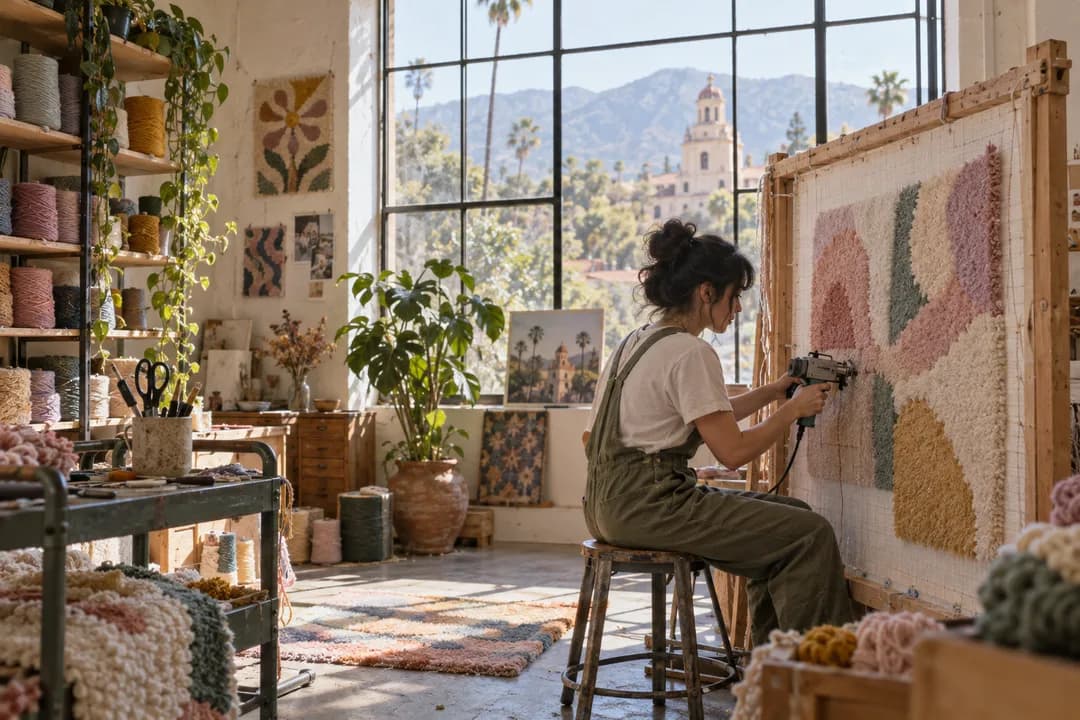
 Fuzzy Rug Studio Rug Tufting Studio: Pastel Workshop
Weekend Plans
Rug Addiction Rug Tufting Studio: Downtown Texture Lab
Rug Addiction Studio at 110 E 9th St gives Downtown LA a tactile rug tufting studio project. Follow this design plan for cleaner lines and a calmer first rug.
Rug Addiction Studio turns a Downtown LA craft outing into a piece of textile work you can take home. The listed address is 110 E 9th St, Los Angeles, CA 90079, a useful anchor for anyone who wants a rug tufting studio project with a clear beginning and end. The attraction is not only the colorful yarn. It is the small engineering problem of converting a flat drawing into a soft, durable-looking surface.
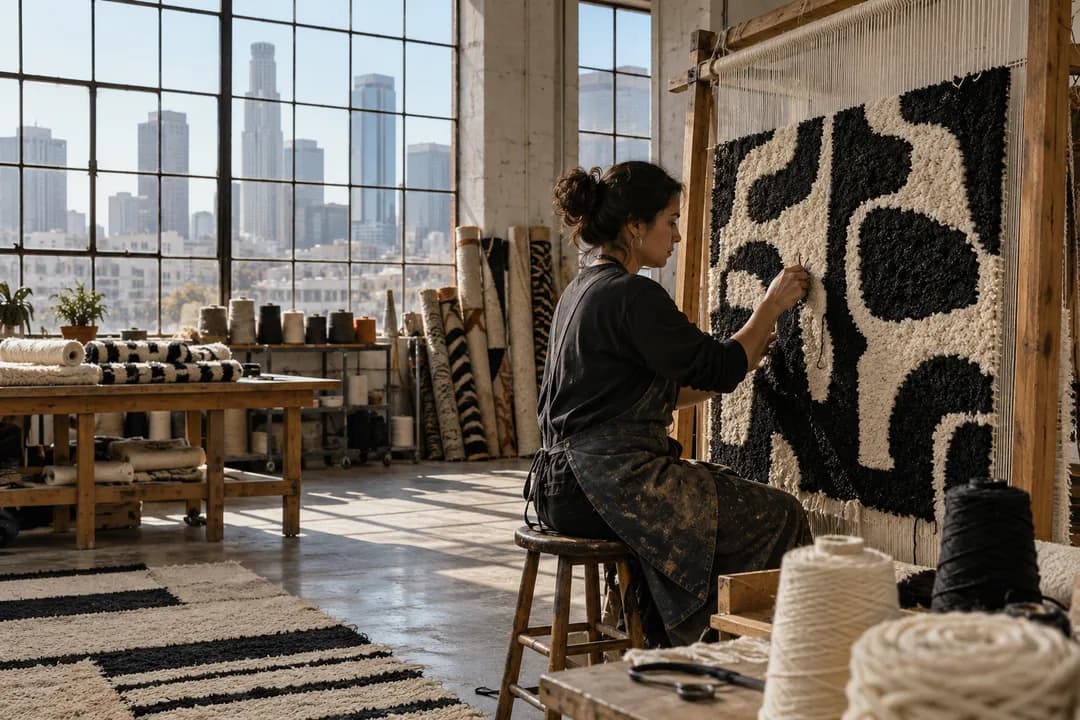
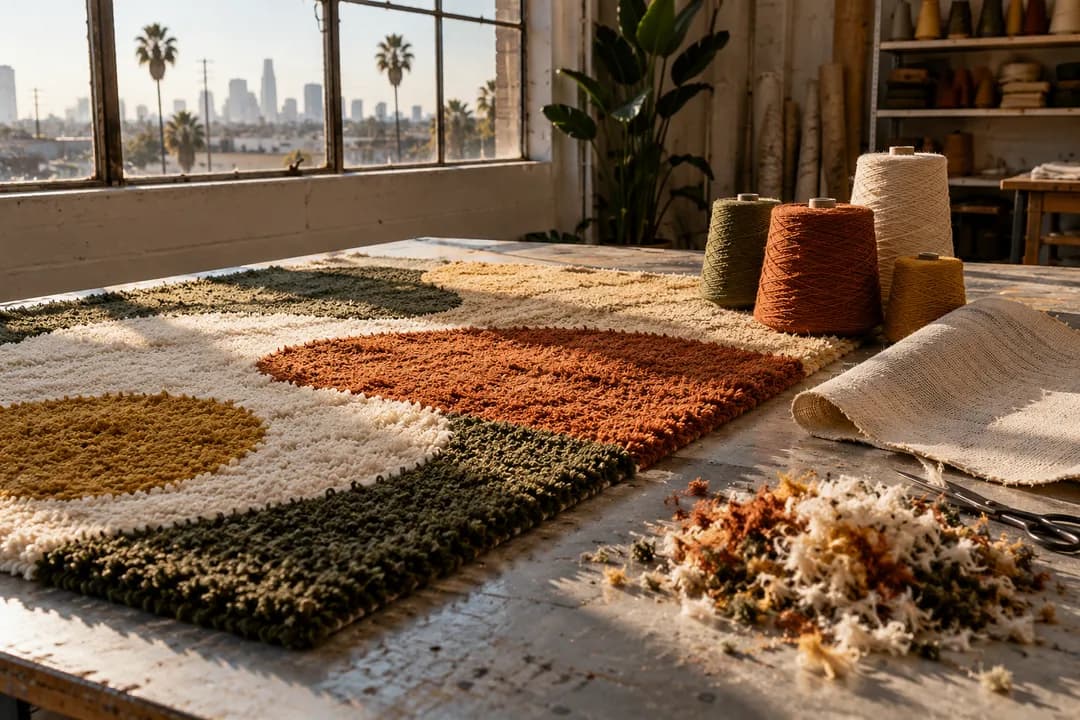
A Downtown Project With Texture
Before touching the tool, study the proportions of the frame. A reference that looks balanced on a phone or printout can feel crowded once it is stretched across the backing. Simplify the design until the main contour is obvious. One large shape and two supporting shapes usually teach more than a complicated illustration because you can see how each decision affects the final pile.
Design For The Canvas
Start with a border that you can follow without hesitation. Keep the tool moving at a consistent pace and let the line build gradually. Beginners often press harder when they reach a corner, but extra pressure does not create a sharper turn. Slow your hand, pivot your wrist, and make the turn in short sections. The smoothest edges usually come from restraint rather than force.
The First Ten Minutes
Downtown makes the studio a good reset from screen-heavy plans. You spend the first minutes translating a sketch, then the sound and repetition of the tool narrow your attention. That focus is part of the experience. It is also why you should not schedule a dozen errands around it. A rushed maker skips the pauses that reveal thin areas, loose yarn, and shapes that need to be redrawn.
Where Beginners Lose Time
Keep your yarn organized by color and by role. Put the color used for outlines closest to the frame, separate accent colors from the main fill, and cut only what you can control. When a strand knots, stop and fix it immediately instead of pulling until the knot disappears. A clean feed protects the backing cloth and keeps the surface from developing a weak patch that becomes obvious during trimming.
A Shared Studio Rule
The quiet rule in a shared textile room is to protect everyone’s sightline. Do not stand between another maker and their frame while you are choosing colors, and ask before reaching across a worktable. Those gestures sound basic, but they keep a creative session from turning into a crowded tool hunt. The best studio energy is collaborative without making every canvas public property.
Make It A Full Afternoon
Rug Addiction Studio is especially suited to a small group with different personalities. One friend may arrive with a polished logo, another with a doodle, and a third with no plan at all. The process gives each person a way in. A prepared design saves time, but improvisation can be equally successful when the maker commits to a clear palette and accepts that the finished object will record the experiment.
Practical Notes
For a Downtown LA itinerary, treat the workshop as the middle stop. Have a light meal first, make the rug while your energy is high, and keep the walk afterward flexible. Nearby galleries, markets, and coffee counters give you places to decompress without demanding another timed booking. Looking at colors in the neighborhood after the session can even clarify which parts of your rug feel bold and which need more contrast.
One useful finishing habit is to photograph the rug before you decide it is done. A quick image exposes uneven density that your eyes have learned to ignore. It also shows whether the design reads from a normal standing distance. Trim in stages, clean the edge, and then step back again. The goal is not to erase evidence of making; it is to make the evidence feel intentional.
One honest skip: do not copy a detailed photograph directly onto your first canvas. Photorealistic shading asks for more color transitions and tighter control than a beginner usually expects. Turn the subject into a poster-like shape instead. The simplified version will be easier to tuft, easier to trim, and more recognizable as a finished rug when you place it on the floor.
The neighborhood matters because the project takes concentration. A quick Downtown LA walk before the session can help you arrive with a settled idea, while a slow stop afterward gives your hands a break. The memorable part is the transition from a flat reference to a physical object, so let the outing have a little space around it instead of treating the studio as a fifteen-minute attraction.
A useful way to judge your progress is to look for consistency rather than perfection. Are the lines following the same direction? Are the open spaces intentional? Does the main shape still read when you stop concentrating on it? Those questions are kinder and more useful than counting every uneven stitch. A first rug should show that you learned to control the material. It does not need to pretend that you have been tufting for years.
If you are making the rug as a gift, build the recipient into the design without trying to illustrate their entire personality. One color they wear, one symbol they use, or one shape connected to a shared memory is enough. The studio gives you the tools, but the strongest result usually comes from an idea that can be explained in a sentence. A clear story makes a simple rug feel considered.
Practical Notes: Rug Addiction Studio is listed at 110 E 9th St, Los Angeles, CA 90079. The official website is rugaddictionstudio.com, the source for its booking and studio information. Save the address, choose a bold reference, and plan clothes that can handle loose fibers. If the design feels too complicated, reduce its palette before you arrive; that one edit usually improves both the process and the result.
Ask Karpo for more information.
Keep reading
- Fuzzy Rug Studio Rug Tufting Studio: Pastel Workshop
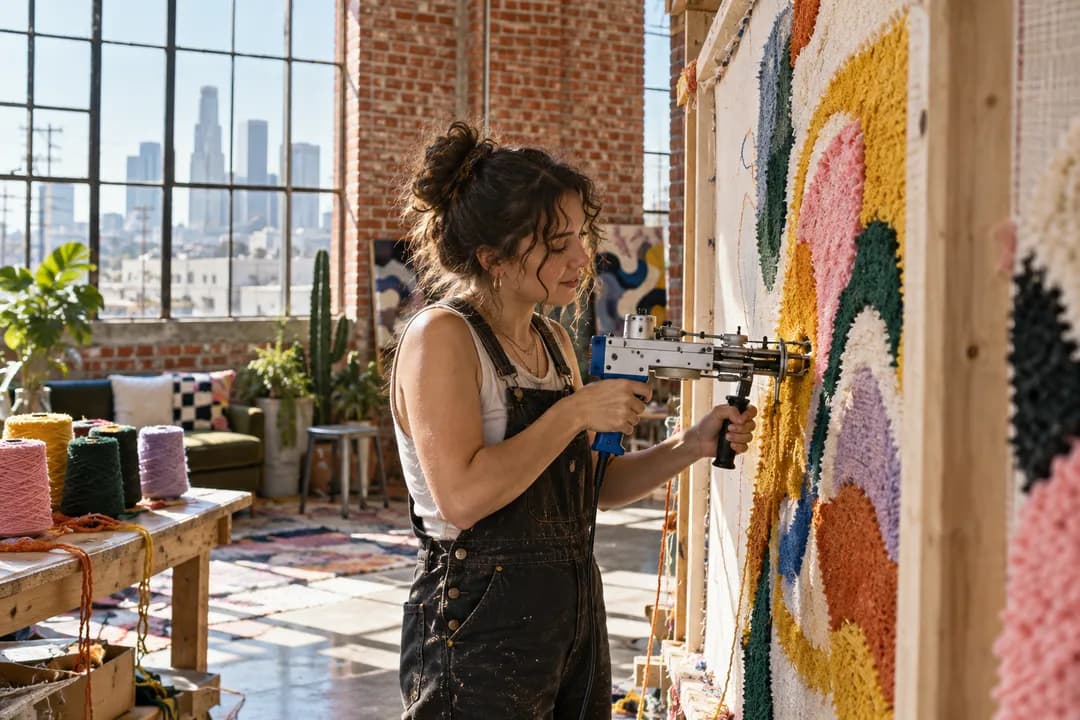 Tufting Around LA Rug Tufting Studio: Arts District Workshop
 Tuft Art Studio Rug Tufting Studio: Koreatown Color Lab