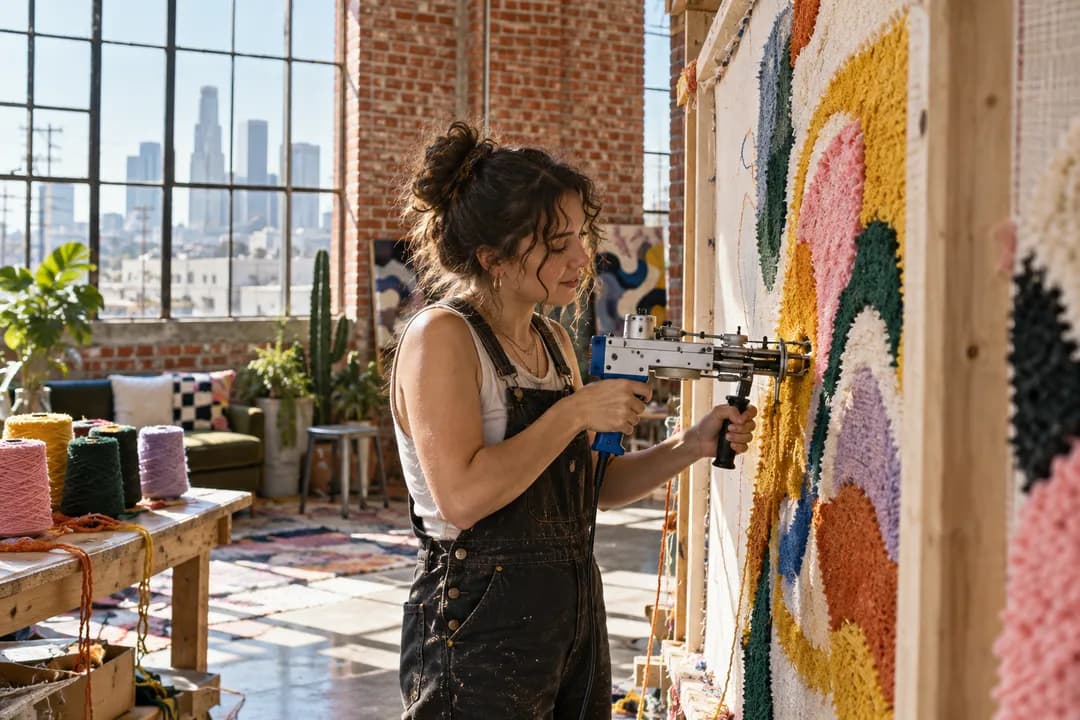
 Tufting Around LA Rug Tufting Studio: Arts District Workshop
Weekend Plans
Fuzzy Rug Studio Rug Tufting Studio: Pastel Workshop
Fuzzy Rug Studio at 25 S Fair Oaks Ave is a Pasadena rug tufting studio for tactile DIY projects. Use this guide to choose a manageable design and enjoy the finish.
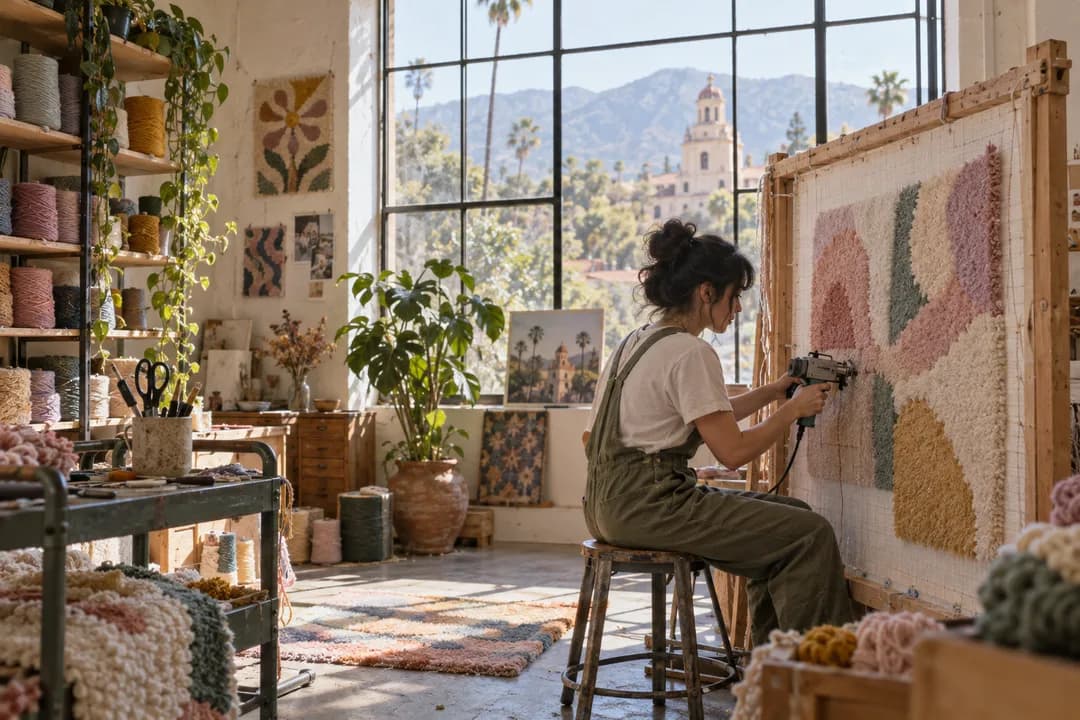
Fuzzy Rug Studio offers a Pasadena version of the rug tufting studio experience: a focused craft session where the finished object is soft, useful, and unmistakably yours. The listed address is 25 S Fair Oaks Ave, Pasadena, CA 91105. That location makes the project easy to treat as a half-day plan, with enough room before and after the session to eat, walk, and let your eyes adjust to all the color and texture.
A Softer Pasadena Project
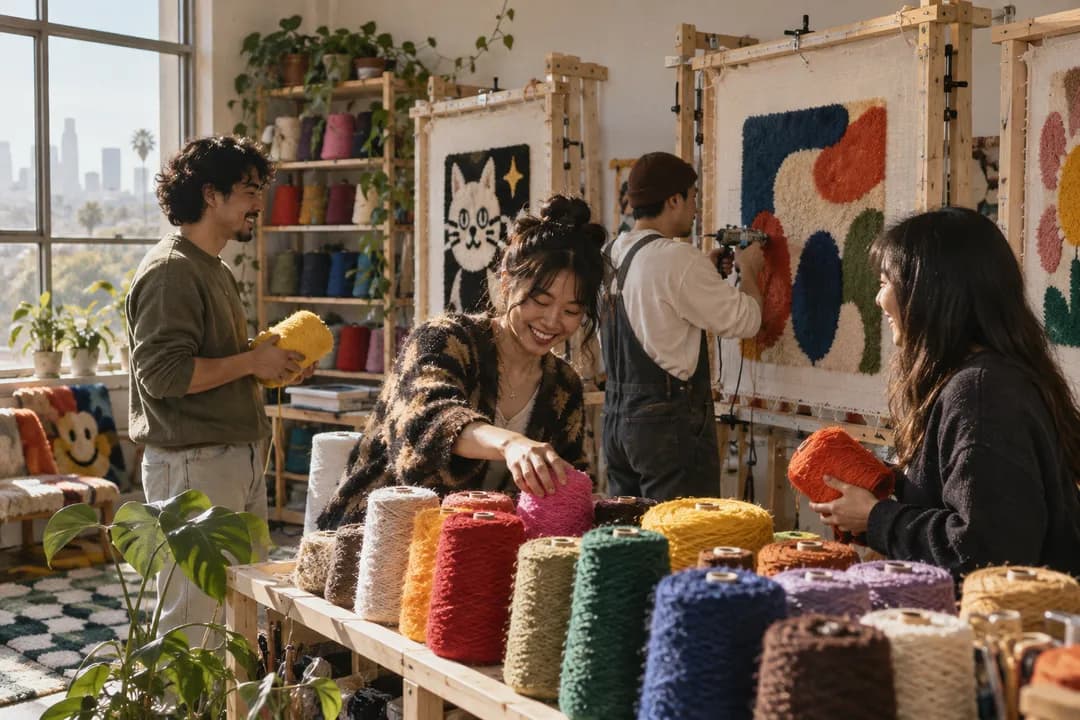
Start with scale, not detail. A design that fills the frame with one confident shape will teach you more than a miniature scene packed with tiny marks. Pastel palettes can be especially forgiving when the forms are large and separated. A pale blue field, a warm peach accent, and one deeper outline can create depth without asking a first-time maker to manage a dozen yarn changes.
Pick The Right Scale
Before you begin, decide which color is the boundary color and keep it consistent. That outline becomes the visual grammar of the rug. If you change it halfway through, the piece can lose its shape even when the individual stitches are fine. Mark the major zones lightly, then work in a sequence that keeps your hands near the area already completed. The less you reach across the canvas, the more controlled the surface becomes.
Color Before Technique
The first few minutes should feel deliberately slow. Learn how the tool responds, how the yarn feeds, and how much pressure is enough. Use shorter passes around curves and longer passes across open fields. If the backing begins to shift, stop and ask for help rather than compensating with force. A stable frame is the foundation for every clean edge and every even patch of pile.
How To Keep Edges Clean
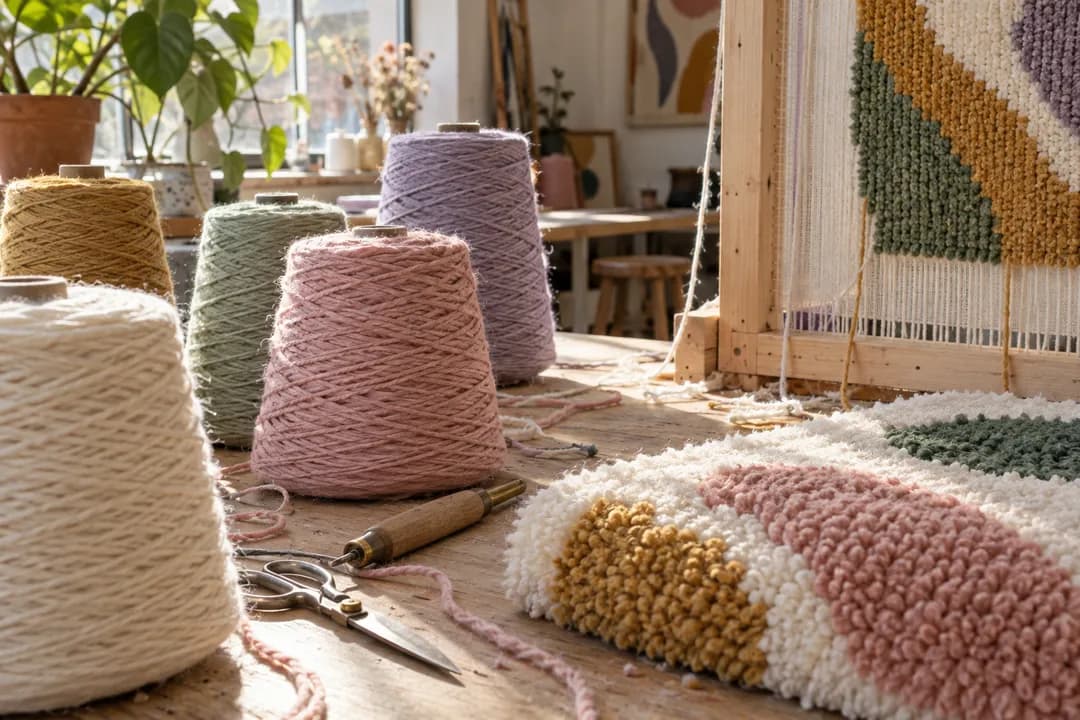
Keep the worktable calm. Put the active cone where it cannot roll, return tools to the same side of the frame, and cut away loose ends before they become a nest. This is not about being precious; it is about keeping your attention on the pattern. In a shared studio, tidy habits also help the next maker find what they need without interrupting someone’s concentration.
The Studio Courtesy Rule
The appeal of Fuzzy Rug Studio is the contrast between a gentle visual language and a hands-on tool. The finished piece may be pastel and plush, but getting there requires clear outlines, measured movement, and a willingness to correct mistakes. That combination attracts people who like design but do not want a purely decorative class. You leave with both an object and a better understanding of how texture changes a picture.
Pair It With A Walk
When it is time to trim, reveal the rug gradually. A little unevenness is normal in a first piece, and removing too much pile can flatten the color. Clean the perimeter first, then examine the larger fields, then make small corrections. Photographing the rug from standing height helps because the eye sees the design differently once the surface is no longer inches from your face.
Practical Notes
Pasadena is a good place to extend the day at walking speed. Build the outing around Fair Oaks Avenue, choose one meal or coffee stop, and leave the rest open. The studio is the anchor, not a box to tick between errands. A relaxed neighborhood walk gives you a chance to talk about the design, compare the finished texture with the reference, and decide what you would try next.
One honest skip: avoid a design that depends on extremely delicate shading unless you are ready to simplify it. A bold pastel graphic will look more intentional than a complicated image whose transitions disappear in the pile. If you love a detailed reference, keep its subject but reduce the number of tones. The result will be easier to make and often stronger from the doorway.
Bring a backup plan for your color story. If a particular shade is not working with the outline, switch the accent rather than forcing the whole composition to change. A limited palette gives you a clear fallback and reduces the time spent comparing nearly identical cones. The objective is not to use every color available; it is to make the chosen colors cooperate.
The final lesson is that a rug has two lives: one on the frame and one on the floor. On the frame, you notice every stitch. On the floor, you see the silhouette, the balance of color, and the way the pile catches light. Give yourself that second perspective before judging the piece. The handmade marks that felt obvious at the table may become the details that make it personal.
The final design choice should be emotional as well as technical. Select a shape you will still enjoy seeing after the novelty of the workshop fades. Maybe it belongs beside a bed, under a small table, or on a wall where the pastel colors can catch morning light. When the object has a place and a purpose, simplifying the drawing feels like editing for the room rather than settling for less.
If you are booking for a small group, send everyone the same short preparation note: bring one simple reference, one backup idea, and clothes that allow easy movement. That keeps the first ten minutes from disappearing into indecision. The studio can support the making, but the group’s preparation determines whether the day feels spacious or rushed. A little planning leaves more attention for the texture itself.
Practical Notes: Fuzzy Rug Studio is listed at 25 S Fair Oaks Ave, Pasadena, CA 91105. The official website is fuzzyrugstudio.com, which is the source for its studio and booking information. Save the full address, wear clothes suited to a hands-on class, and arrive with a simplified reference. A strong outline, a limited palette, and time for trimming are the three choices that most improve a first rug.
Ask Karpo for more information.
Keep reading
- Tufting Around LA Rug Tufting Studio: Arts District Workshop
 Rug Addiction Rug Tufting Studio: Downtown Texture Lab
 Tuft Art Studio Rug Tufting Studio: Koreatown Color Lab