 Haaland Has Seven Goals and Norway Runs Entirely Through Him
⚽️2026 FIFA WORLD CUP
K-Pop Is Running the World Cup Soundtrack From Lisa's Opening to BTS's Planned Closing and Nobody's Complaining
The 2026 World Cup has become K-pop's biggest global stage, with Lisa headlining the opening ceremony, BTS confirmed for the final, and Korean fan culture transforming stadium atmospheres across North America.
The World Cup's Soundtrack Has Gone Korean
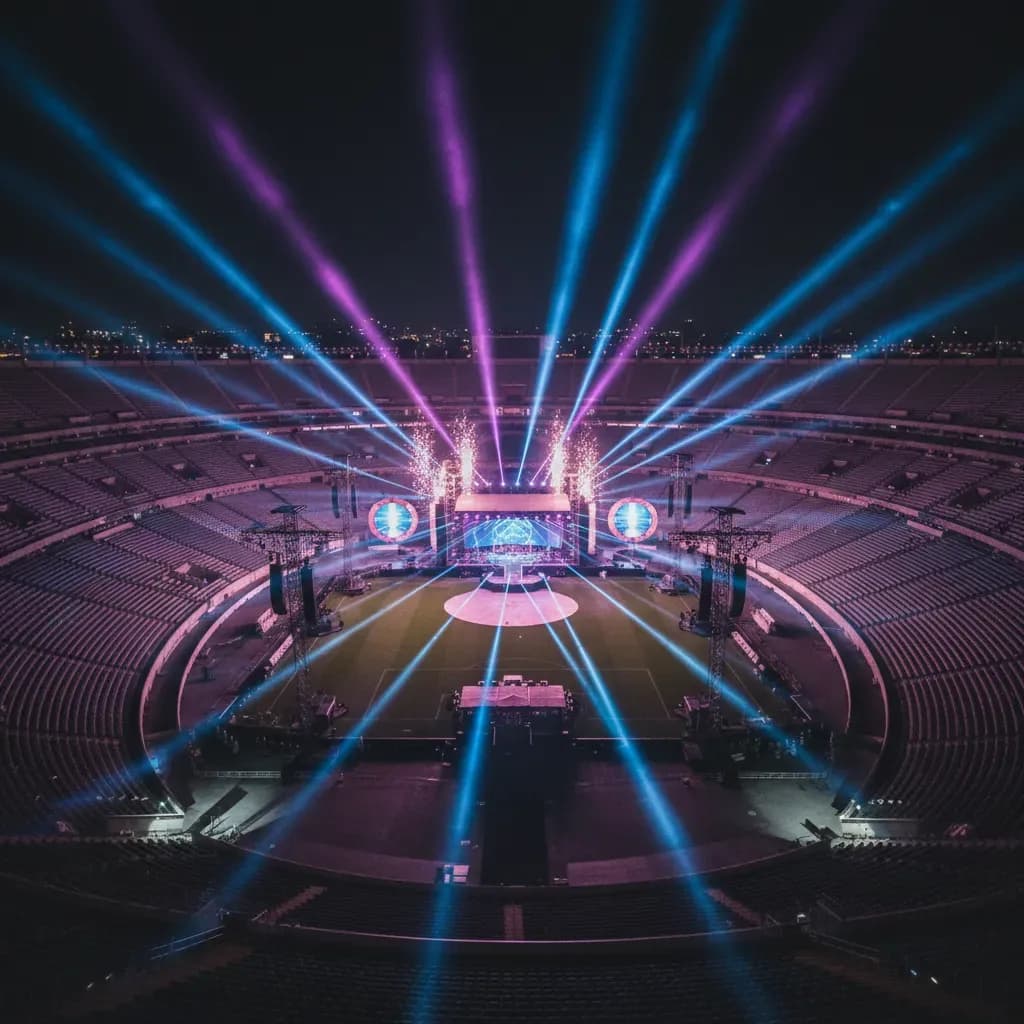
FIFA's decision to anchor the 2026 World Cup's entertainment program around K-pop was a strategic bet that has paid off spectacularly. Lisa — the Thai-born BLACKPINK member who has become one of the biggest solo artists in the world — delivered an opening ceremony at Estadio Azteca in Mexico City that set the tone for the entire tournament. BTS is confirmed for the closing ceremony at MetLife Stadium. And in between, Korean fan culture has woven itself into the fabric of the World Cup experience in ways that extend far beyond the music.
The opening ceremony was watched by an estimated 1.5 billion people globally, making it the most-viewed non-match event in World Cup history. Lisa's performance — a medley of solo hits and a new World Cup anthem — was choreographed across the entire pitch, with 400 dancers creating formations that were visible from every seat in the 87,000-capacity Azteca. The visual spectacle matched the sonic impact, and the reaction from the global audience was overwhelmingly positive.
Korean Fan Culture Meets Football Fan Culture
The intersection of K-pop fandom and football fandom has produced unexpected and delightful results. Korean fans — many of whom traveled to the World Cup primarily to support South Korea's national team — brought their concert-going habits to football stadiums. Light sticks appeared in the stands. Coordinated chants borrowed from K-pop fanchant structures replaced traditional football songs. The result was an atmosphere that felt neither purely football nor purely concert, but something entirely new.
Other national fan groups have adopted elements of the Korean approach. Japanese fans, already known for their organized supporter culture, integrated some K-pop-style coordination into their matchday routines. Mexican fans at the opening ceremony waved light sticks alongside their traditional flags. The cultural cross-pollination is happening in real time, producing a supporter experience that feels distinctly 2026.

BTS at the Final Is the Biggest Entertainment Event of the Year
The confirmation that BTS will perform at the World Cup final — their first group performance since their military service hiatus — has generated anticipation that rivals the sporting event itself. Ticket demand for the final spiked measurably after the BTS announcement, with secondary market prices increasing by an estimated 40% overnight. ARMY — BTS's famously devoted fanbase — has mobilized with the organizational efficiency of a military operation, coordinating travel, accommodation, and merchandise plans across social media.
The choice of BTS represents FIFA's recognition that the World Cup final is not just a sporting event but a global cultural moment. Previous World Cup entertainment — Shakira's "Waka Waka," Ricky Martin's "The Cup of Life" — became defining songs of their respective tournaments. BTS has the potential to do the same, but with the added dimension of a fanbase that will ensure the performance trends globally for days.
The Economic Impact Is Real
K-pop's presence at the World Cup has created measurable economic effects. Korean food vendors at fan zones have reported significantly higher sales than initial projections. Korean beauty product pop-ups near stadiums have done brisk business. K-pop merchandise — including World Cup-edition light sticks and limited collaboration items — has sold out repeatedly.
The tourism angle is equally significant. Korean tour operators have reported that World Cup travel packages combining match tickets with K-pop experiences (concert venues, entertainment districts, cultural sites) have been their best-selling products. The World Cup has become a gateway for K-pop fans to experience live football, and for football fans to experience K-pop culture, creating a bidirectional flow of cultural exchange.
Why K-Pop and Football Work Together
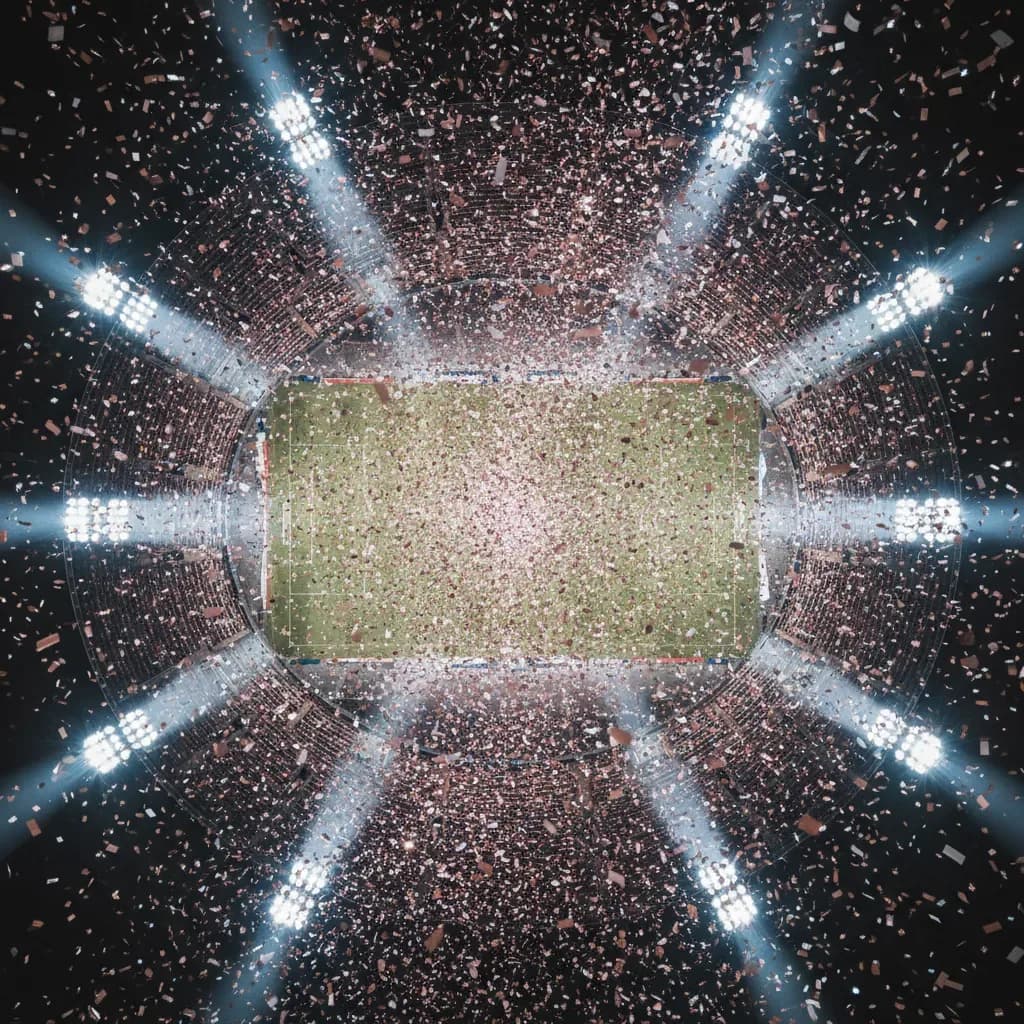
The partnership makes sense on a structural level. Both K-pop and football are global phenomena with passionate, organized fanbases that express their loyalty through collective action — chanting, singing, coordinated visual displays, and social media campaigns. The transfer of skills from one domain to the other is natural. K-pop fans already know how to organize, travel in groups, create atmosphere, and sustain enthusiasm over long periods. These are exactly the qualities that make great football supporters.
More fundamentally, both cultures are built on emotional investment in a shared experience. Whether you are screaming for a striker to score or for a performer to hit the high note, the underlying human need — to be part of something bigger than yourself, to feel connected to strangers through a common passion — is identical.
This Is What the Modern World Cup Looks Like
The 2026 World Cup is the first to fully embrace the reality that football tournaments are entertainment events as much as sporting competitions. The K-pop integration is the most visible manifestation of this shift, but it extends to every aspect of the tournament experience — from fan zone programming to social media strategy to broadcast presentation.
Whether this evolution is welcome depends on your perspective. Football purists may bristle at light sticks in the stands. Entertainment industry observers see a logical convergence of global audiences. What is undeniable is that K-pop has expanded the World Cup's audience beyond traditional football fans, and the tournament is better for it.
Tags: World Cup 2026, K-pop, Lisa, BTS, BLACKPINK, opening ceremony, closing ceremony, Korean fan culture, Estadio Azteca, World Cup entertainment
Sources consulted: FIFA.com · Olympics.com · BBC Sport
All trademarks, team names, and player likenesses mentioned in this article are the property of their respective owners and are used here for informational and editorial purposes only.
Ask Karpo First
Want to know where to experience K-pop culture near World Cup venues or find the best watch parties with a musical atmosphere? Ask Karpo for entertainment guides, fan zone schedules, and cultural hotspots in any host city.
Ask Karpo for more information.
Keep reading
- Haaland Has Seven Goals and Norway Runs Entirely Through Him
 World Cup Trophy Ceremony Timing Medals and Postmatch Celebrations
 Olise and France's Attack: The Semifinal Tactical Question