 Haaland Has Seven Goals and Norway Runs Entirely Through Him
⚽️2026 FIFA WORLD CUP
Korean Fried Chicken in Koreatown While monica raymund chicago fire exit Trends on Bar Phones
Crispy wings and cold beer anchor a match-day hangout where primetime TV gossip and World Cup commentary loop on adjacent screens.
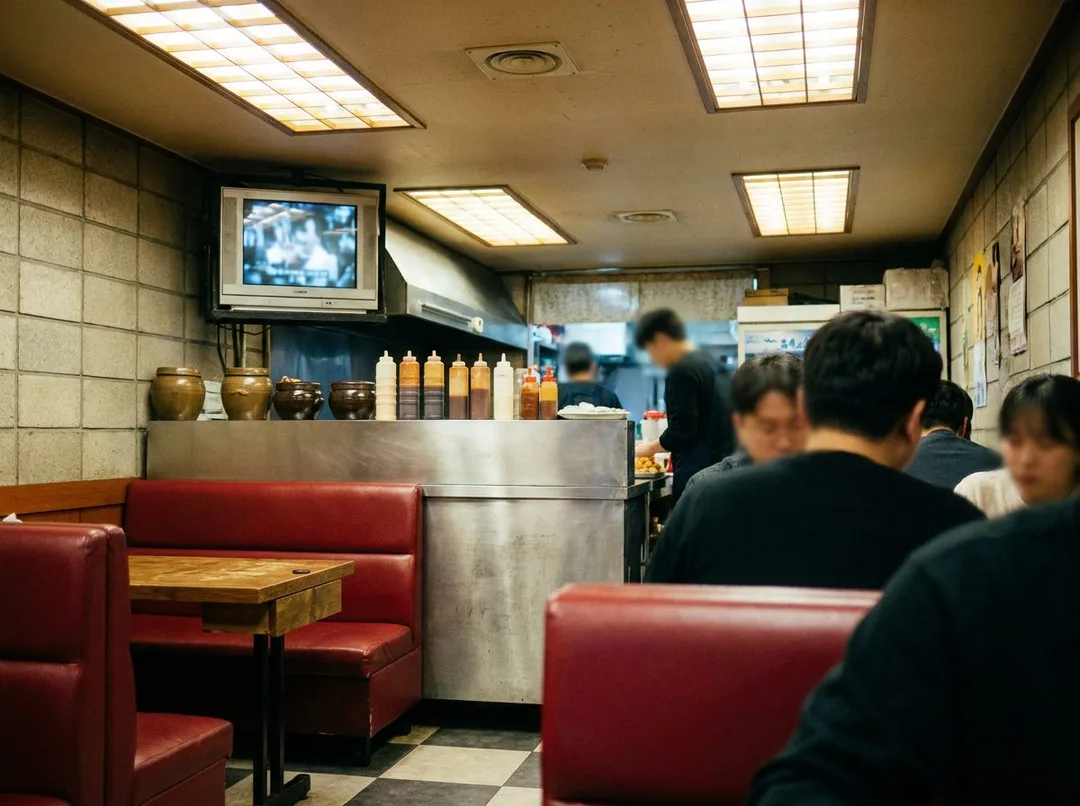
You're elbow-to-elbow with a guy refreshing his flip phone for updates on a TV star's contract dispute while his friend argues about a penalty kick that happened three time zones away. The bar smells like gochugaru and fryer oil, the kind that clings to your jacket long after you've left. This is Koreatown during World Cup season—a place where primetime drama and international football share equal billing on mismatched flatscreens, and nobody bats an eye.
Wings That Shatter Before They Bend
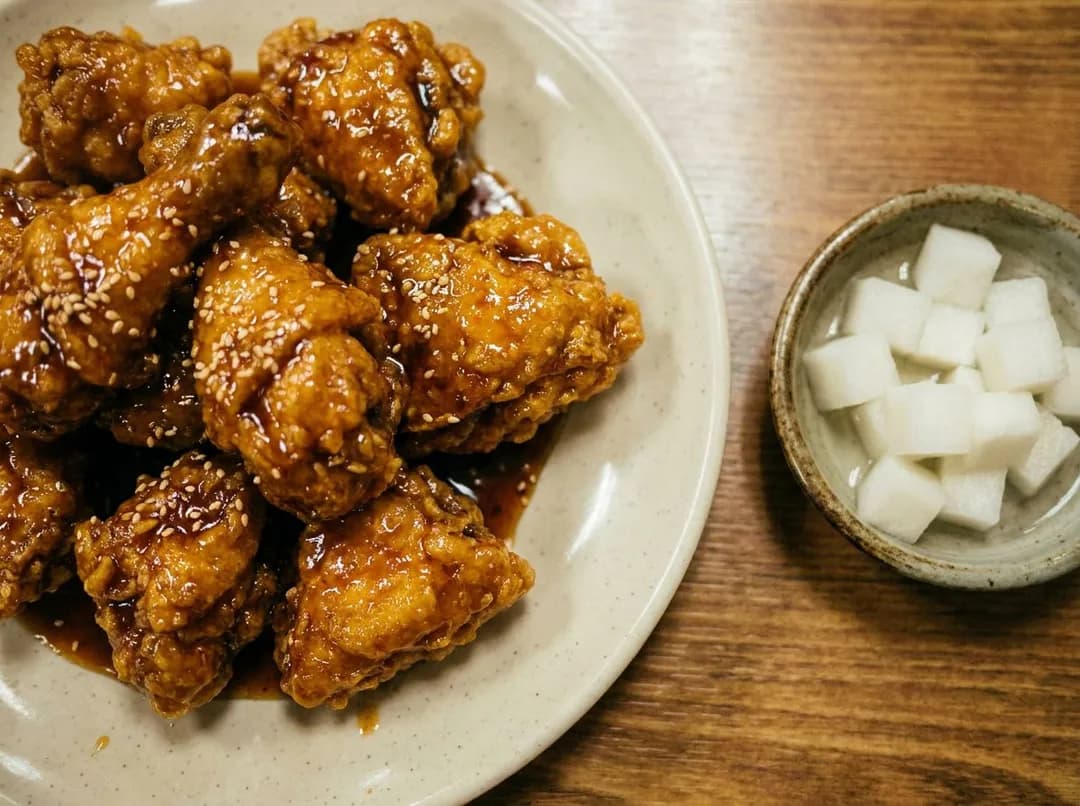
The fried chicken arrives in a metal basket lined with paper that's already translucent with grease. You pick up a drumette and the crust gives that particular crack—not a crunch, a crack—that tells you the double-fry happened exactly right. The meat inside is almost too hot to eat, steaming when you tear it open, but you do it anyway because waiting feels impossible. The sauce options run from soy-garlic glaze to a gochujang blend that builds heat in the back of your throat over three or four wings. You'll see tables ordering both, mixing and matching, passing baskets back and forth like a potluck that never ends. The kitchen window stays open during service, and you can watch the cooks work if you angle your stool right—flour clouds, wire baskets plunging into oil, the choreography of a Friday night that's also a Tuesday when the right match is on.
The Dual-Screen Liturgy
Two televisions dominate the back wall, and they're never showing the same thing. One's locked on a cable entertainment channel where talking heads dissect casting news and contract rumors—the kind of content that trends on devices people still flip open and closed. The other runs a sports feed, usually soccer, often with Korean commentary even when the teams playing have no Korean players. You get used to the split attention, the way conversations pivot mid-sentence from a red card to a series finale cliffhanger. The regulars don't even look up anymore when someone gasps—they just wait to see which screen caused it. During World Cup windows, the sports side wins more eyeballs, but the entertainment feed stays on out of principle. The bartender once told a first-timer that turning off either screen would "break the energy," and everyone within earshot nodded like it was doctrine.
The Flip Phone Contingent
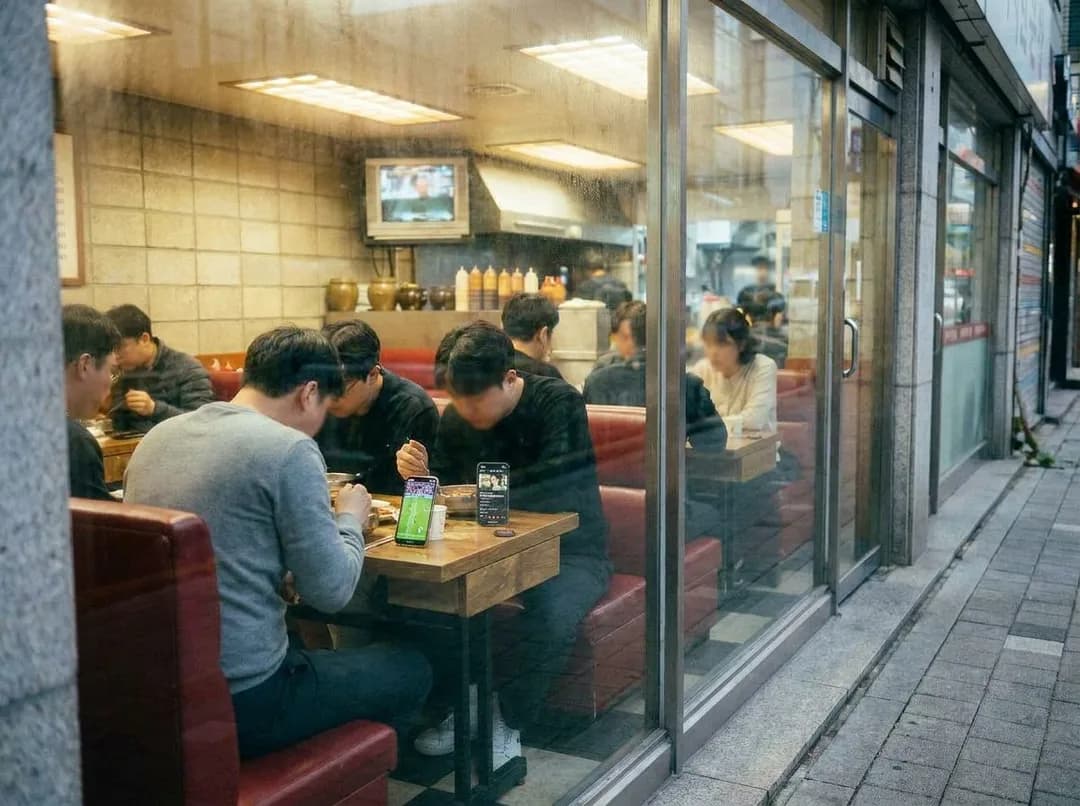
You'll spot at least two or three people per visit scrolling on devices that haven't had app stores in a decade. They're not making a statement about digital detox or minimalism—they're just using what works. These phones come out during commercial breaks, during halftime, during the lull between wings and the next round of beer. The screens glow blue-white in the dim bar light, and thumbs move with surprising speed over physical keypads. Someone's checking a forum thread about a TV actor's rumored exit from a procedural drama. Someone else is refreshing a score ticker that updates every thirty seconds. The conversations that result are pure Koreatown: English, Korean, and Konglish woven together, pop culture references colliding with match analysis, everyone talking over each other but somehow still communicating. You realize this is what people mean when they say "third space"—not the sanitized coffee shop version, but the real, chaotic, chicken-grease-scented thing.
Beer Cold Enough to Hurt
The draft list isn't long, but everything comes out so cold that the glass frosts over within seconds. You take that first sip and it's almost painful, the kind of cold that makes your teeth ache if you're not careful. It's exactly what you want after a mouthful of spicy wings, that reset button that lets you go back for more. The beer menu skews Korean lagers and a couple of local craft options that nobody orders unless they're trying to impress a date. Pitchers move faster than pints here—groups of four or five splitting them, topping off each other's glasses without asking, the table gradually accumulating empty vessels like some kind of glass harvest. During big matches, the pour speed increases. You can hear the taps running almost constantly, a background hiss under the crowd noise from the TV and the crowd noise from the actual crowd.
The Halftime Migration
When the match hits intermission, half the bar stands up at once. It's not coordinated, but it might as well be. People head outside to smoke, to take calls, to argue about what they just watched without competing against the television volume. The bathroom line triples. The kitchen uses the window to catch up on orders that piled up during the first forty-five minutes. You can feel the room exhale, the tension that built up over a half-hour of play releasing all at once. Some people switch seats during this break, migrating toward friends or away from strangers who got too loud. The entertainment channel gets more attention now—someone catches a headline, shouts it to their table, and suddenly three people are debating whether an actor's departure was voluntary or contract-related. By the time the second half kicks off, everyone's back in position, fresh beers poured, new wing orders fired, the whole ecosystem reset and ready.
When the Kitchen Finally Closes
The fryers shut down well after midnight on match nights, sometimes later if the game runs long or if a table's still working through their third basket. The smell shifts when the oil stops bubbling—less active frying, more residual heat and cooling metal. The bar stays open after food service ends, but the vibe changes. People who came for dinner have mostly cleared out. What's left are the committed drinkers, the insomniacs, the folks who don't want to go home yet because home doesn't have this particular combination of screens and strangers and ambient chaos. The bartender starts wiping down surfaces with more purpose. The entertainment channel might finally get turned off, or switched to something else, or just muted. The sports feed stays on until the lights come up for real. You'll leave smelling like you worked a shift in the kitchen, your phone full of photos of chicken bones and empty glasses, already planning when you'll come back.
Practical Notes
You'll find this energy throughout Koreatown's bar-and-chicken circuit, concentrated in the blocks where karaoke spots and late-night restaurants blur together. Most spots open late morning but don't hit their stride until evening. Expect to spend less than you would at a sit-down restaurant but more than fast food—cash helps, though cards work fine. Street parking turns savage after seven, so consider the Metro Purple Line or ride-share if you're planning to drink. No reservations, no call-ahead—just show up and grab whatever seat opens up. Weekend matches draw bigger crowds, but weeknight games have their own appeal: fewer amateurs, more people who actually care about the result. Bring patience during World Cup knockout rounds, when wait times stretch and tempers run short.
Tags: #KoreanFriedChicken #KoreatownLA #WorldCup2026 #LosAngelesEats #SoccerBars #KtownNightlife #MatchDayEats #FriedChickenAndBeer #LAFoodie #HiddenGemLA #SportsBarCulture #KoreanCuisine #AuthenticKtown #LateNightEats #WorldCupViewing
Sources consulted: fifa.com · espn.com · timeout.com
Please drink responsibly. Must be of legal drinking age.
All trademarks are the property of their respective owners.
Ask Karpo for more information.
Keep reading
- Haaland Has Seven Goals and Norway Runs Entirely Through Him
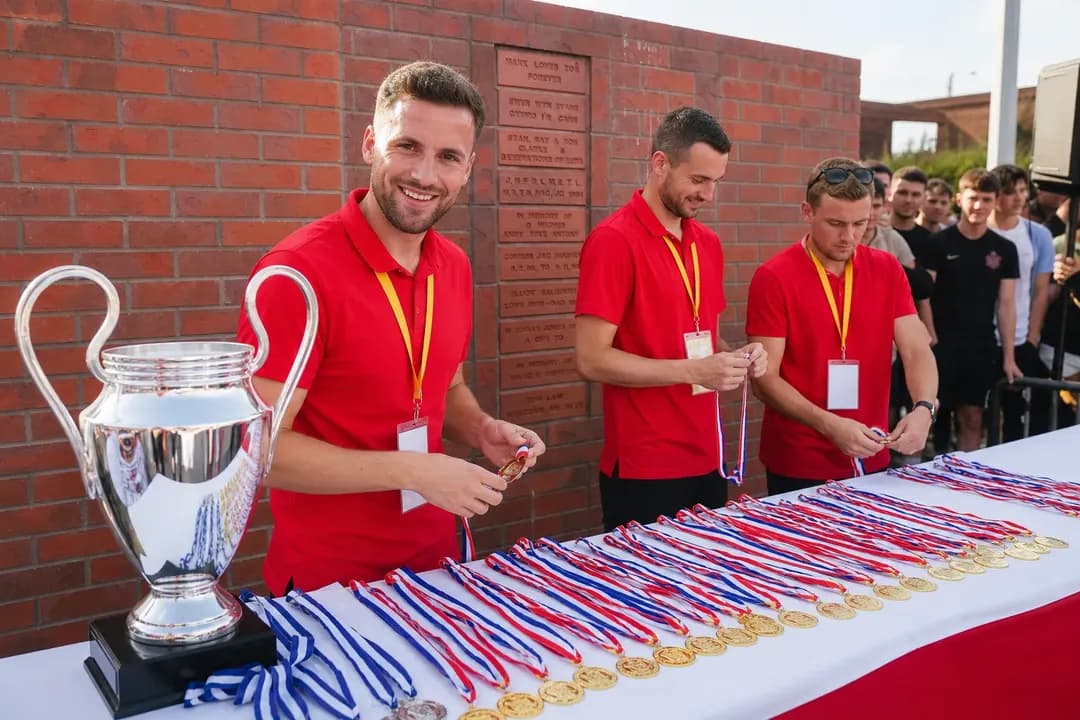 World Cup Trophy Ceremony Timing Medals and Postmatch Celebrations
 Olise and France's Attack: The Semifinal Tactical Question