 Haaland Has Seven Goals and Norway Runs Entirely Through Him
⚽️2026 FIFA WORLD CUP
The Tackle That Broke Koné's Leg Overshadowed Canada's Biggest Win and Nobody Wants To Talk About It
Canada's record-breaking 6-0 victory over Qatar was marred by a horrific tackle that left a Qatari player with a broken tibia, raising uncomfortable questions about player safety that the celebration understandably but regrettably pushed aside.
The Moment the Celebration Stopped
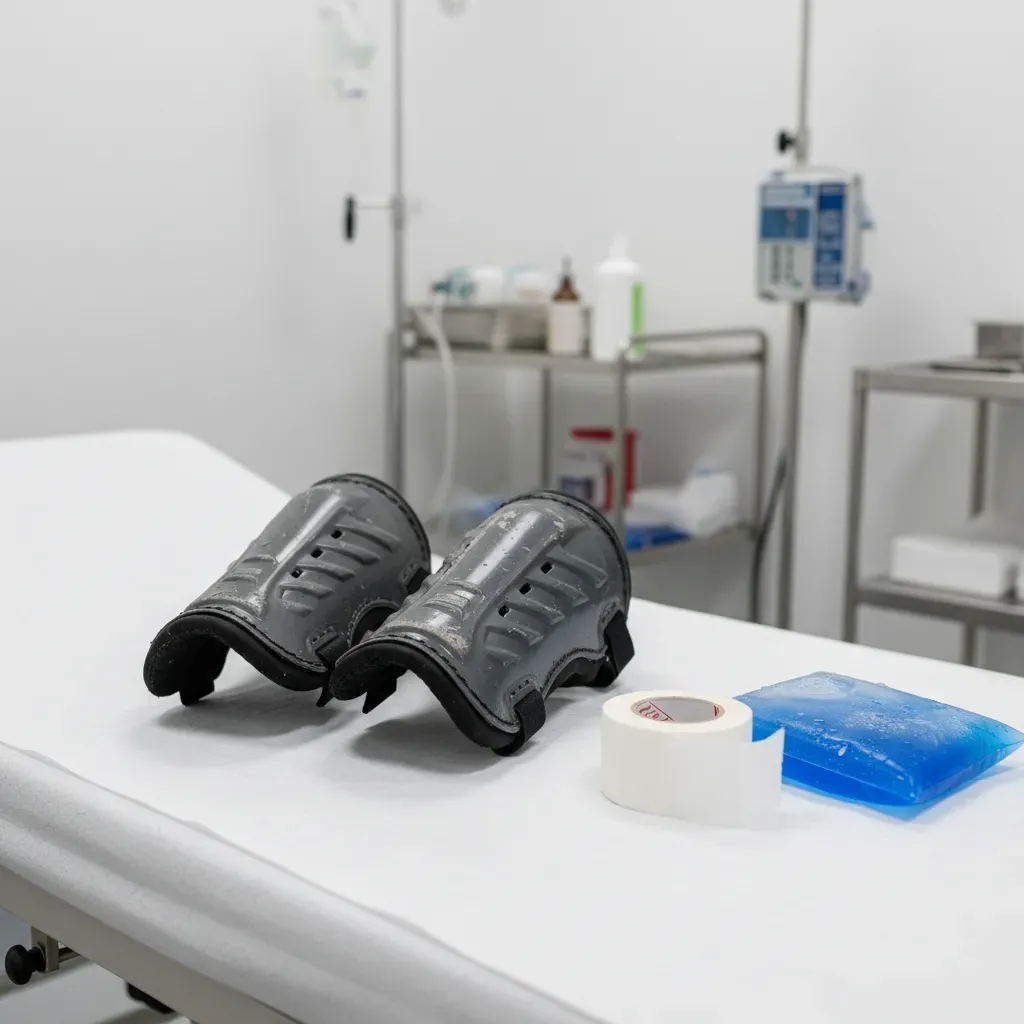
In the 67th minute of Canada's 6-0 demolition of Qatar, a tackle occurred that changed the emotional register of the entire match. A Canadian midfielder went in hard on Qatari defender Ousmane Koné — a challenge that was fast, committed, and devastating. Koné's leg bent at an angle that no leg should bend. The stadium fell silent. Players from both teams immediately waved for medical attention. The stretcher arrived within seconds. Koné was carried off the pitch with an injury that was later confirmed as a broken tibia.
The incident was shown once on the stadium screens before the broadcast cut away. The Canadian player received a red card. The match continued. Canada scored twice more. The celebrations at full time were muted compared to what a 6-0 World Cup victory would normally produce. The record win shared the post-match conversation with a question that nobody wanted to confront: how do you celebrate when someone's tournament — and potentially their career — ended in the same match?
The Tackle Itself Was Not Malicious, But That Doesn't Matter
Slow-motion replays show a player arriving at full speed, eyes on the ball, studs showing but not deliberately raised. The intent was to win possession, not to injure. Referees and pundits generally agree that the challenge was reckless rather than violent — the distinction that separates a red card from a possible ban. But the distinction matters less to the player lying in a hospital bed than it does to the pundits analyzing it from studio chairs.
The debate about intent versus outcome is football's most uncomfortable conversation. Every season, in every league, tackles with legitimate intent produce catastrophic injuries. The rules punish the action, not the result — a reckless challenge that misses entirely receives the same sanction as one that breaks a bone. Whether this framework adequately protects players is a question the sport has been avoiding for decades.
Qatar's Response Was Dignified
Qatar's coaching staff and players handled the situation with a composure that earned widespread respect. Their post-match statements focused on Koné's recovery rather than demanding additional punishment. The team's captain visited the hospital after the match. The Qatari Football Association released a statement that was measured and factual, avoiding inflammatory language while making clear that they expected FIFA to review the incident thoroughly.
This dignity was notable given the context — Qatar was already eliminated from the tournament, and the tackle occurred during a match that was effectively meaningless for their advancement. A less composed federation might have used the incident to generate sympathy or deflect from the heavy defeat. Instead, Qatar's response focused entirely on the human dimension: their player was hurt, and his recovery was the priority.
The Media Struggled With the Story
Sports journalism faces a genuine ethical challenge when celebratory narratives collide with injury stories. Canada's 6-0 win was a historic result — the biggest margin of victory at the 2026 World Cup, featuring a Jonathan David hat trick that deserved extensive coverage. The Koné injury was a serious incident that demanded attention. Covering both simultaneously, with appropriate weight given to each, is harder than it sounds.
Most major outlets led with the scoreline and David's hat trick, with the injury mentioned in the body of the article. Whether this ordering is appropriate is a matter of editorial judgment that reasonable people can disagree about. What is less debatable is that the injury deserved more sustained coverage than it received — not because the media was callous, but because celebration is easier to produce than reckoning.
Player Safety at the 2026 World Cup Is a Bigger Issue
The Koné incident exists within a broader context of player safety concerns at the 2026 World Cup. The expanded 48-team format means more matches. The North American summer heat adds physical strain. The compressed schedule gives bodies less time to recover between games. These factors increase the risk of both impact injuries and fatigue-related incidents.
FIFA's medical protocols at the tournament are the most comprehensive in World Cup history, but protocols address treatment after injury rather than prevention before it. The fundamental issue — that football's rules allow for high-speed physical challenges that carry inherent risk of catastrophic injury — remains unresolved. Every World Cup produces incidents like the Koné tackle, and every World Cup's response is the same: shock, sympathy, and a return to normal within 48 hours.
Koné Will Recover, But the Questions Remain
Medical reports indicate that Koné's surgery was successful and that a full recovery is expected within six to nine months. His club career will resume. His life will continue. In that sense, the story has a resolution that many feared it might not. But the questions the incident raised — about player safety, about the balance between competition and protection, and about how we process injury within the context of celebration — do not resolve as cleanly.
The 2026 World Cup will be remembered for goals, upsets, Viking Rows, and ranch dressing. It should also be remembered for the moment when a footballer's leg broke and the tournament kept going, because that moment reveals something about the sport's relationship with the human cost of competition that is worth examining honestly.
Tags: World Cup 2026, Koné injury, Canada Qatar, player safety, World Cup controversy, broken leg, red card, Vancouver, BC Place
Sources consulted: ESPN · CBC Sports · FIFA.com
All trademarks, team names, and player likenesses mentioned in this article are the property of their respective owners and are used here for informational and editorial purposes only.
Ask Karpo First
Want to stay updated on World Cup player news and upcoming matches in Vancouver? Ask Karpo for the latest tournament updates, BC Place schedule, and fan guides for the area.
Ask Karpo for more information.
Keep reading
- Haaland Has Seven Goals and Norway Runs Entirely Through Him
 World Cup Trophy Ceremony Timing Medals and Postmatch Celebrations
 Olise and France's Attack: The Semifinal Tactical Question