 Haaland Has Seven Goals and Norway Runs Entirely Through Him
⚽️2026 FIFA WORLD CUP
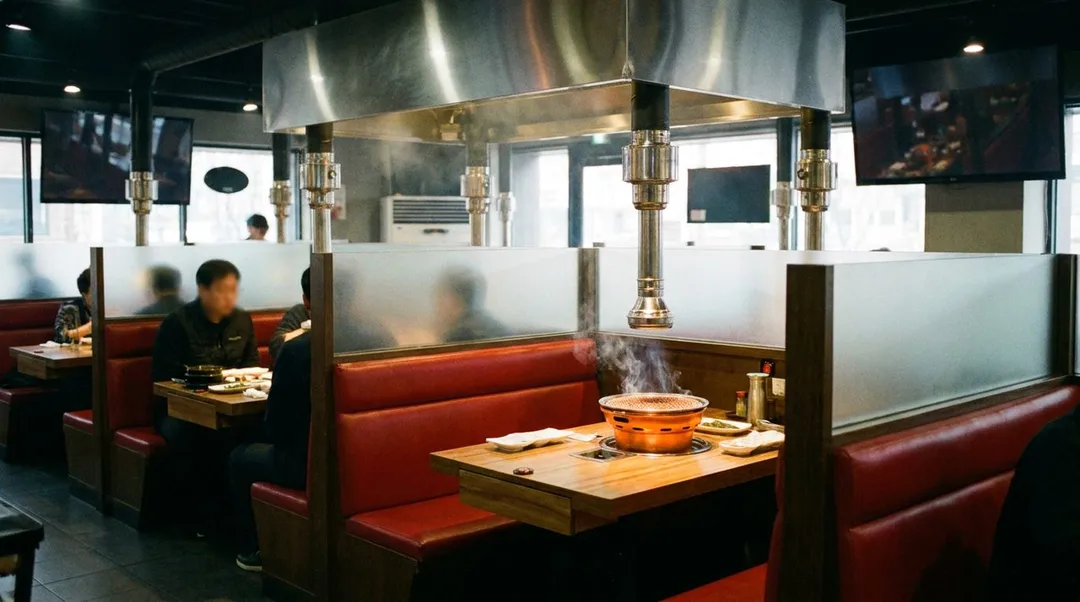
KBBQ Smoke and Spurs vs Knicks Game 4 Screens Before World Cup Night in Koreatown
Tabletop grills and playoff basketball fill the hours before late kickoffs as dual-sport crowds claim booths early.
The booths fill two hours before the late World Cup kickoff, the air already thick with sesame oil and charcoal smoke as someone flips brisket on the grill embedded in your table. You're in Koreatown on a night when the playoff game tips at six and the match starts at ten, which means the room wonbles through two distinct crowds—the basketball diehards who arrive for warmup and the football faithful who claim tables during halftime. By the time the final whistle blows overseas, you've watched two sports, eaten enough banchan to constitute dinner, and learned that the overhead screens can split four ways without anyone complaining.
The Pre-Game Booth Economy
You need to arrive before five if you want a corner booth with sightlines to multiple screens. The restaurants that handle this best have figured out the unspoken reservation system: call ahead, mention both games, and they'll hold a table for your group without making you order the premium cuts up front. The servers know the rhythm by now. They bring out the banchan plates—kimchi, pickled radish, marinated spinach, fish cakes—and let you graze through the first quarter while you decide whether you're committing to the galbi or playing it safe with pork belly. The grills don't get lit until someone orders meat, which means you can nurse a beer and a bowl of steamed egg through the opening minutes without anyone pressuring you to clear the table. Watch for the tables near the kitchen pass—they turn over fastest, but the smoke ventilation works better there.
When the Brisket Hits During Free Throws
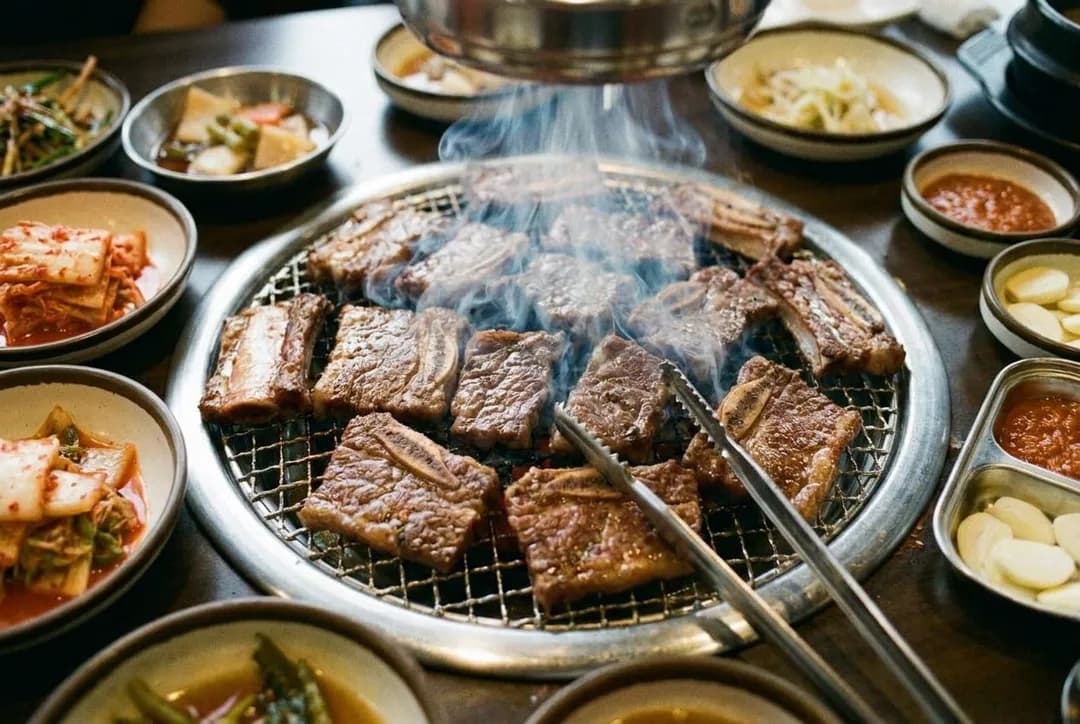
The timing never quite syncs. You're watching someone at the line, the room holding its breath, and then your server arrives with a platter of marbling so pronounced it looks like a topographic map. Someone has to tend the grill, which means someone misses the and-one, which means the whole table erupts in conflicting reactions—half groaning at the missed moment, half celebrating the meat's arrival. The trick is rotating grill duty every few minutes. Use the commercial breaks. The fat renders slowly enough that you can watch an entire possession, flip the pieces with the long scissors, then get back to the screen before the next whistle. By halftime the table's covered in empty soju bottles and lettuce leaves, and the room smells like a campfire held inside a garlic press.
The Halftime Crossover Window
This is when the football crowd arrives in force. The basketball game hits intermission and suddenly the host stand has a line six deep, everyone asking about tables that'll stay open until midnight. The restaurants handle this by double-booking strategically—they know which basketball groups will clear out after the third quarter and which ones are staying for both events. You'll see families with young kids claim the early slots, ordering soon dubu jjigae and letting the toddlers sleep in strollers by the fourth quarter. The late arrivals skew younger, louder, wearing jerseys from three different national teams because Koreatown during World Cup season is a diaspora crossroads. Someone's always cheering for the underdog. Someone's always got a cousin who knows a player's agent. The energy shifts from focused viewing to social event, the volume climbing as the tables fill.
Navigating the Menu for Dual-Sport Stamina
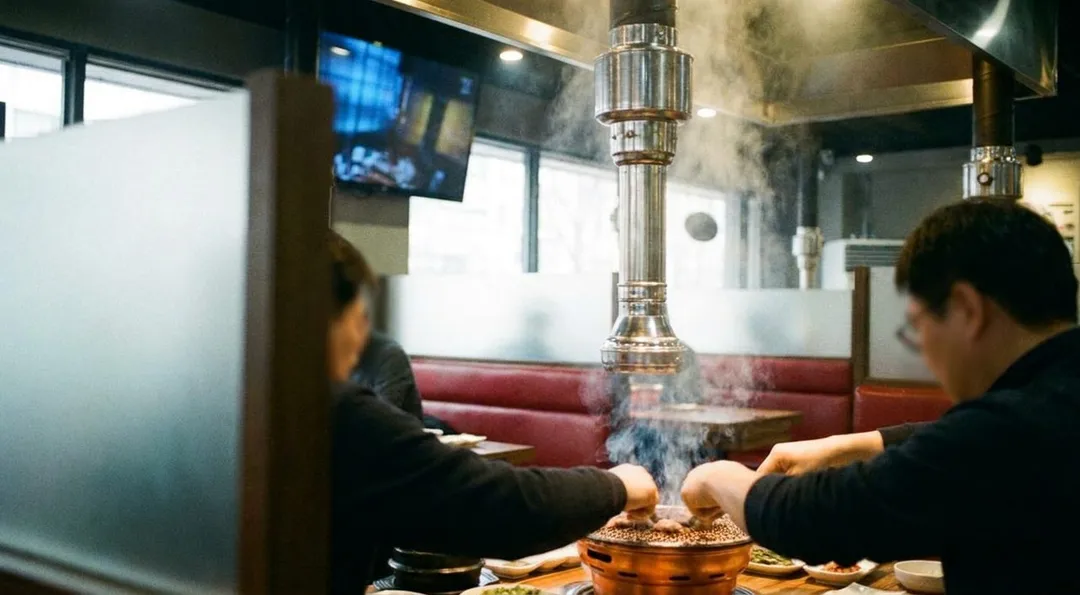
You can't eat like it's a single game. Pace yourself. Start with something brothy—the yukgaejang or a soft tofu stew—during the basketball game's first half. It's warm, it's filling enough to anchor you, and it doesn't require constant attention the way grilled meat does. Save the tabletop cooking for the World Cup match, when you'll want the ritual of it, the participation. The restaurants that do this well offer combo platters designed for exactly this situation: a mix of marinated and unmarinated cuts, enough variety that you're not bored by the third plate. Don't sleep on the seafood pancake as a halftime bridge food. It arrives fast, it's crispy enough to stay interesting even when it cools, and it soaks up alcohol better than you'd expect. The veteran move is ordering a second round of banchan during the break between games—the servers will bring fresh kimchi and bean sprouts without charging you, and it resets the table's energy.
The Screen Geography and Crowd Dynamics
The best spots aren't always the biggest booths. Look for tables with angled views of at least two screens, positioned so you're not craning your neck for nine hours. The corners near the bar tend to have the most screens per square foot, but they're also where the standing-room crowd congregates once the World Cup match starts, which means you'll have strangers leaning over your booth during corner kicks. The center tables offer more space and easier access to the bathrooms—a consideration when you're drinking for two sporting events—but the screen angles can be rough. Some restaurants have figured out that mounting tablets at booth-level solves this, letting you stream a secondary feed if the main screens are showing different matches. The sound is always set to the World Cup game once it starts, which means you're reading lips and body language for any basketball that's still running.
When the Smoke Alarm Becomes Part of the Atmosphere
It happens at least once a night in every restaurant doing this right. Someone's too aggressive with the grill, or a piece of fat drips onto the coals at the wrong angle, and suddenly the smoke detector's chirping above your table. The servers don't panic. They bring a step stool, wave a menu under the sensor until it stops, and return to taking orders without breaking stride. It's part of the deal. You're cooking meat over open flame in a room with a hundred other people doing the same thing, and the ventilation systems are good but not miraculous. The smoke hangs in the air like fog in a valley, catching the light from the screens, giving the whole room a hazy quality that makes the late goals feel even more dramatic. Your clothes will smell like charcoal and garlic for two days. You knew this coming in.
Practical Notes
Most of the restaurants handling this dual-sport setup open mid-afternoon and run until well past midnight on match nights. Getting there before early evening gives you the best table selection. Transit-wise, you're walking distance from the Purple Line stations, and street parking opens up after the dinner rush if you're willing to arrive during the basketball game and stay through the football. Booking ahead helps for larger groups, though walk-ins can usually squeeze in if you're flexible on seating. Expect to spend a few hours and pace your ordering accordingly—the staff won't rush you if you're actively eating and the table's in use. Cash helps for splitting checks, though most places take cards. The real trick is committing to the full evening: if you're only here for one sport, you're missing the point.
Tags: #KoreatownLA #KBBQLife #WorldCup2026 #NBAPlayoffs #DualSportViewing #LateNightEats #TableTopGrill #KoreanBBQ #LosAngelesEats #SportsBarCulture #DiasporaDining #SmokeAndScreens #KtownNights #WorldCupWatch #PlayoffBasketball
Sources consulted: fifa.com · espn.com · timeout.com
Please drink responsibly. Must be of legal drinking age.
All trademarks are the property of their respective owners.
Ask Karpo for more information.
Keep reading
- Haaland Has Seven Goals and Norway Runs Entirely Through Him
 World Cup Trophy Ceremony Timing Medals and Postmatch Celebrations
 Olise and France's Attack: The Semifinal Tactical Question