 Haaland Has Seven Goals and Norway Runs Entirely Through Him
⚽️2026 FIFA WORLD CUP
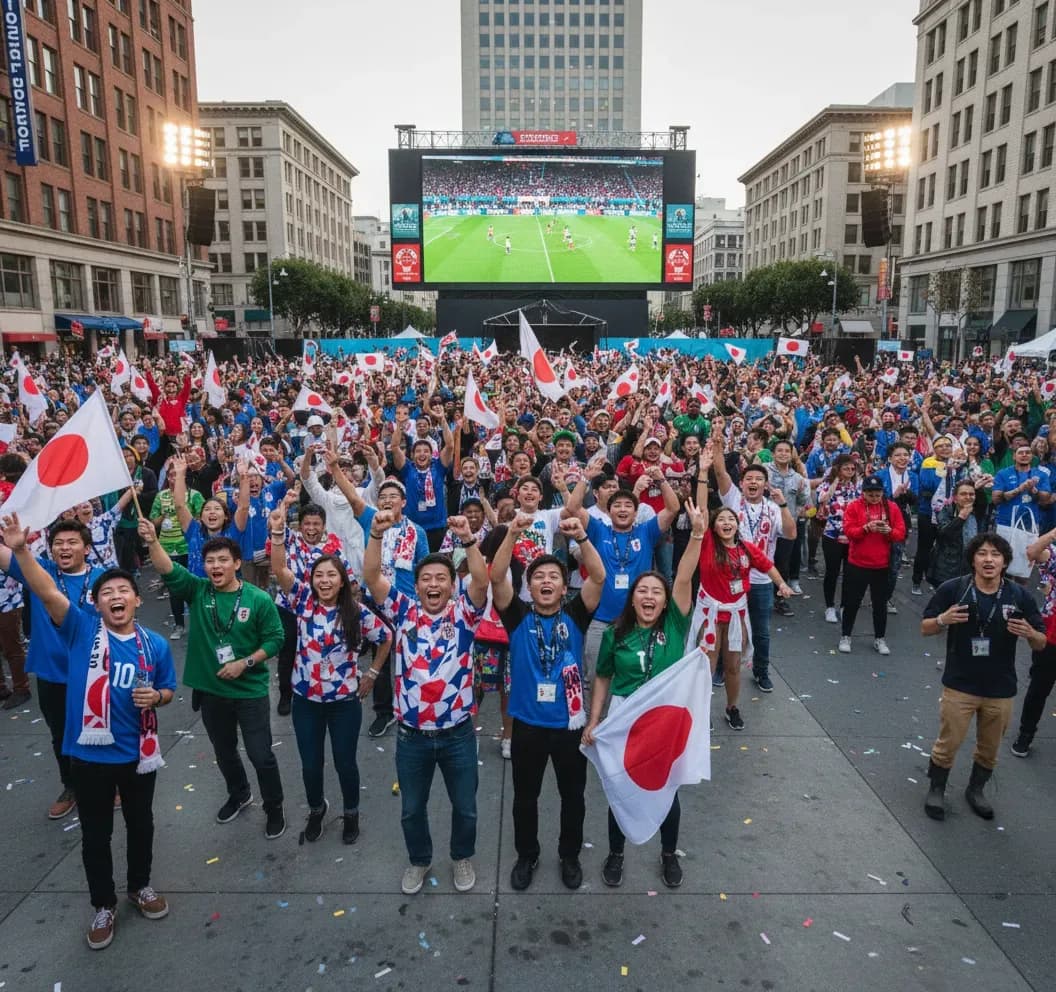
Japan in San Francisco: Japantown as the Public Fan Anchor During Training Buzz
A practical World Cup 2026 Buzz guide to Japan, San Francisco, and public fan planning that avoids private-location rumors.
Why San Francisco matters for Japan fans right now
Japantown gives this topic a clear public anchor, which is more useful than making the day depend on unverified squad movement. The article works only if it helps readers act in public space, not if it turns the player or team story into a rumor-chasing exercise.
The verified starting point is straightforward: The Bay Area is part of the broader World Cup public footprint, and San Francisco public transit and neighborhood density make it a strong base for a Japan fan guide. That gives the reader enough to understand why this city matters and how to build a useful day without pretending there is guaranteed access to players or private team movement.
Start with what is public
The public anchor is San Francisco Bay Area public fan movement. That does not mean every part of the team story is open to fans. It means the city already offers a clear structure: official venue information, host-city guidance, transit choices, and neighborhoods that can carry supporter energy without crowding security lines.
For a reader planning around San Francisco, the right move is to commit early to a route that still works if access changes. That usually means one easy meeting point, one visual public stop, one meal, and one fallback if transport, weather, or crowd levels shift the day.
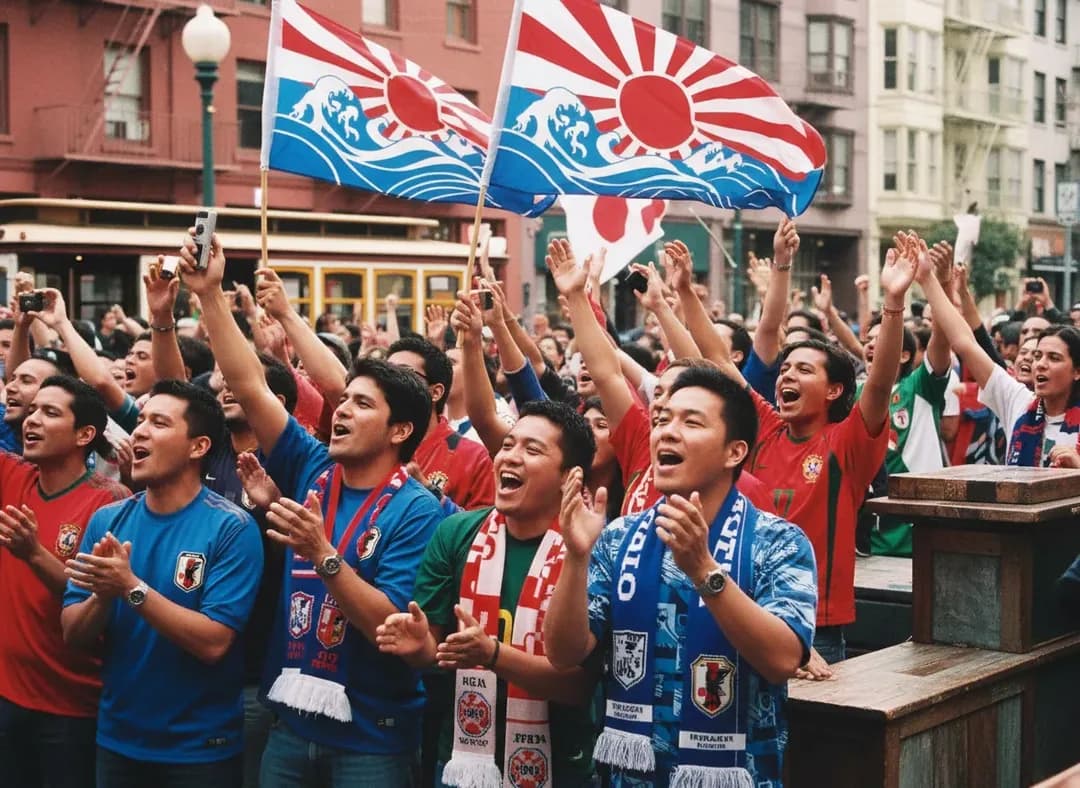
How to build the day without overcomplicating it
Build around start in Japantown, keep the route transit-light, and choose one later stop with indoor seating rather than stacking too many destinations. Keep the route compact enough that a real group can follow it without turning the day into a series of long transfers. The first stop should be easy and low-stakes, the middle should hold the strongest photo or atmosphere moment, and the last should make getting home simpler rather than harder.
This is especially important for mixed groups. Not everyone showing up for Japan buzz wants a maximalist supporter day. Some people want one good photo, one good meal, and a clean sense of where the official energy is. The route should support both the high-energy fan and the casual companion.
If you are planning with friends, lock the basics before anyone leaves home: one exact meetup point, one transit decision, one backup stop, and one point in the day when the group pauses to check the official updates again. That sounds simple, but it is usually the difference between a good tournament day and a day that dissolves into separate tabs, separate rideshares, and separate assumptions.
A strong public route also protects people from the most common World Cup mistake: doing too much. Readers do not need five stops. They need one route they can actually finish. In San Francisco, the practical version is usually shorter, more walkable, and easier to recover if security, weather, or crowd flow changes without much warning.
What to trust before you leave
Use the closest official source first: venue page, host-city page, transit authority, and FIFA schedule. Local reporting is useful when it points back to a public event or confirms conditions on the ground. Social posts are only useful when they are specific, recent, and tied to something public and verifiable.
Save the exact details you need before heading out: opening window, address, last train or transit option, bag rules, and one backup location. That one habit removes most of the guesswork that makes World Cup fan days collapse.

Where the reader actually gets value
The point is not to promise access. The point is to make the public side of the story usable. That means translating tournament buzz into a route, a timetable, and a clearer set of tradeoffs: stay compact or roam, eat before crowds or after, transit or rideshare, photo stop or straight to the official zone.
The best versions of these guides are almost always the most grounded ones. A supporter who knows where to begin, where to stop, and what to ignore has a better day than the supporter who keeps refreshing rumor threads.
This is also where the article becomes genuinely useful SEO content instead of thin fan chatter. A reader who lands here should leave with decisions already made: where the day starts, what the public anchor is, when to check official information, and how to end the day without getting stranded in the most chaotic part of the crowd.
For returning readers, the pattern matters as much as the specific city. Public route first. Official update first. Food and transit built into the day. Private-location rumors out. That consistency is what makes these World Cup guides reusable instead of disposable.
What not to do
Do not block training entrances, hotel driveways, sidewalks, or staff access points. Do not post private family details, license plates, hotel guesses, or unverified restaurant sightings. If the day depends on seeing a player outside a public event, the plan is weak before it starts.
For readers in San Francisco, the stronger rule is simple: let the city do the work. Use public routes, public food stops, public transit, and public event information. That keeps the day respectful and keeps the article useful even after the live moment passes.
Practical notes
Check the linked sources on the same day you go. World Cup security, transport windows, and crowd-management plans can change quickly. Use official sources first, local reporting second, and social media only as a clue. The goal is to enjoy the Japan story in San Francisco without turning fandom into a privacy problem.
Tags: #Buzz #2026FIFAWorldCup #WorldCup2026 #TrainingBuzz #FanRoute #WorldCupTravel #PublicPlanning #FootballCulture #KarpoFinds #AskKarpo #MatchdayGuide #SoccerFans
All trademarks are the property of their respective owners.
Ask Karpo first
Want to know when to show up, where to wait, and what’s actually open to the public?
Ask Karpo for the latest Japan updates, a respectful fan plan, and a live route around San Francisco before you head out.
Ask Karpo for more information.
Keep reading
- Haaland Has Seven Goals and Norway Runs Entirely Through Him
 World Cup Trophy Ceremony Timing Medals and Postmatch Celebrations
 Olise and France's Attack: The Semifinal Tactical Question