 Haaland Has Seven Goals and Norway Runs Entirely Through Him
⚽️2026 FIFA WORLD CUP
Japan Fans at the World Cup: How Little Tokyo LA Turns Blue and White Before Dawn
As the sun sleeps, dedicated supporters in Little Tokyo awaken, transforming the downtown district into a vibrant tapestry of soccer dreams and unwavering national pride.
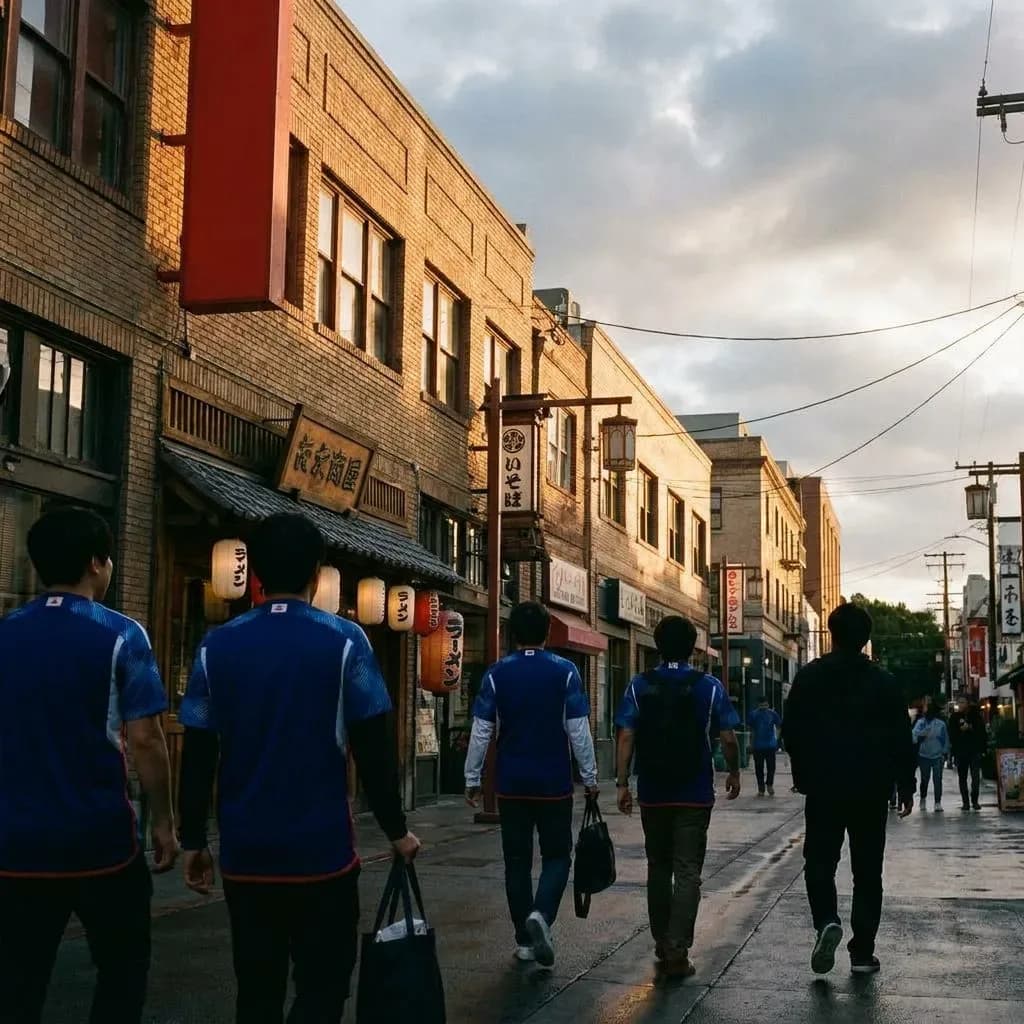
The pre-dawn chill in Little Tokyo, Los Angeles, usually brings quiet contemplation, but today, an electric hum permeates the air. Weeks after the buzz around *japan vs sweden* during the group stages, the Blue Samurai are on a new quest, and a palpable anticipation grips the historic downtown district. As streetlights cast long shadows on First Street, a sea of blue and white jerseys begins to gather, their faces illuminated by the soft glow of smartphone screens, a collective energy building towards a shared, early morning pilgrimage. The scent of brewing coffee mingles with a faint, yeasty aroma from nearby bakeries, a uniquely Angeleno blend of overnight preparation and fervent hope.
Little Tokyo: The Heartbeat of Blue
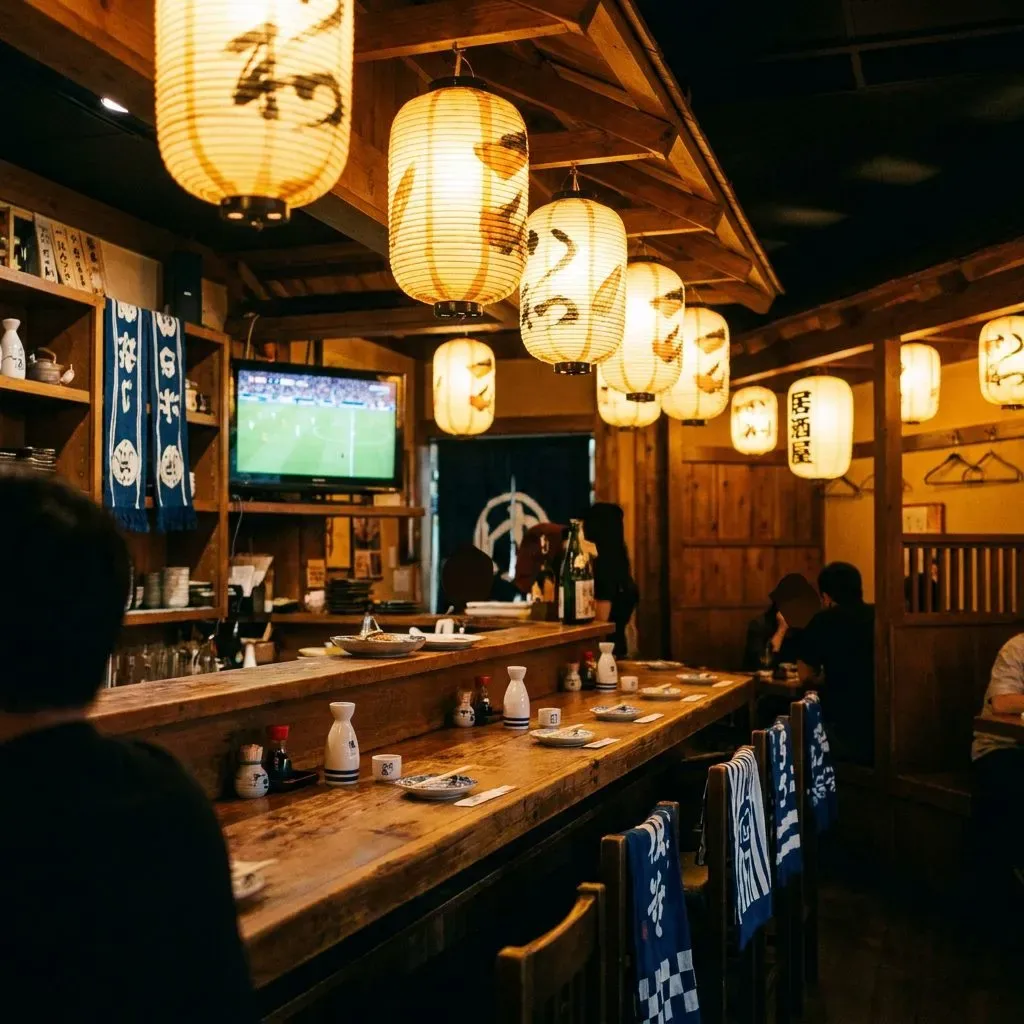
Long before the sun considers gracing the San Gabriel Mountains, Little Tokyo awakens with a singular purpose: to roar for Japan. The epicenter of this early morning fervor is often found around the Japanese Village Plaza, specifically the clusters of izakayas and ramen shops lining First Street and intersecting streets like San Pedro and Central. These establishments, typically bustling late into the night, now open their doors at ungodly hours, sometimes as early as 3:30 AM, their windows transformed into temporary shrines adorned with Japanese flags and hand-drawn "Ganbare Nippon!" signs. Inside, the space is intimate, often packed shoulder-to-shoulder even before kickoff. The air is thick with the promise of strong coffee, hot tea, and, perhaps surprisingly, cold sake. Small, communal tables become a focal point for strangers united by their team. Picture a traditional izakaya, usually bathed in warm, amber light, now ablaze with the stark, blue-white glow of large flat-screen TVs, each one broadcasting the pre-match analysis from a Japanese sports channel. The clatter of ceramic cups and the hushed, excited murmurs of the growing crowd are the soundtrack to the dawn. Here, the atmosphere is less about sprawling sports bars and more about a communal living room, albeit one that serves excellent katsu curry and crisp edamame at an hour when most of the city sleeps. This is a place where generations gather – elderly nisei with their grandchildren, young professionals still shaking off sleep, and families who’ve driven from across Southern California, all drawn to the cultural heart of Japanese America.
Sawtelle Japantown: A Westside Awakening
Across town, a different, yet equally fervent, scene unfolds in Sawtelle Japantown, nestled between Santa Monica Boulevard and Olympic Boulevard. While Little Tokyo boasts a historical gravitas, Sawtelle offers a more contemporary, perhaps slightly more laid-back, experience, though no less passionate. Here, the viewing parties tend to center around the modern ramen shops and trendy cafes along Sawtelle Boulevard itself. Unlike the compact, almost claustrophobic intimacy of some Little Tokyo venues, Sawtelle’s establishments often feature more open layouts, with larger windows allowing the first hints of sunrise to filter in, mixing with the artificial light of the screens. The crowd here can be a bit younger, a blend of UCLA students, young professionals, and families from the Westside. While Little Tokyo might lean into traditional Japanese comfort foods, Sawtelle often sees a broader, more fusion-oriented menu available for these early morning feasts. The energy is still electric, but it might manifest in slightly different ways – perhaps more spontaneous cheers, a slightly louder hum of conversation punctuated by calls for another matcha latte. The architectural style along Sawtelle is also distinct, with more contemporary facades and sleek interiors, a contrast to the historic brick and tiled roofs of Little Tokyo. Both neighborhoods, however, share that indescribable sense of community, a collective breath held as the clock ticks towards kickoff.
What Match Day Actually Looks Like
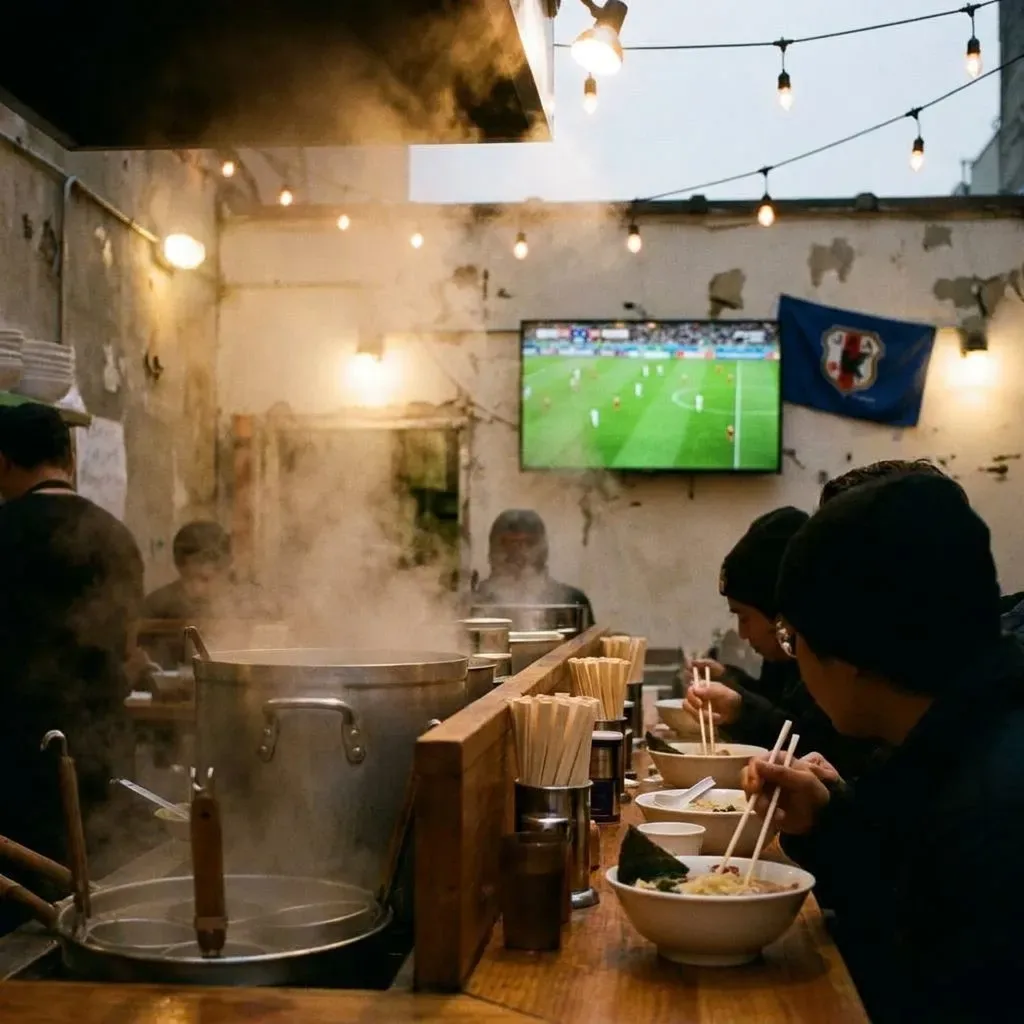
The rhythm of match day, especially for these ungodly hour kickoffs, is a unique symphony of anticipation and release. Pre-match is a slow burn, a gradual build-up from hushed expectations to a palpable thrum. As the designated opening time for establishments approaches, queues form, sometimes stretching down the block, a testament to the dedication of the fans. Inside, the air is thick with the scent of hot broth and brewing tea, punctuated by the occasional blast of a vuvuzela – a somewhat jarring import that has found its way into global football culture. Conversations are initially subdued, a mixture of pre-game analysis, optimistic predictions, and the shared exhaustion of an early rise. As kickoff nears, the energy shifts dramatically. The television volume is cranked up, the chatter dies down, replaced by the rhythmic beat of taiko drums on the screen and the collective intake of breath from the crowd. When the whistle blows, the room erupts. Every pass, every tackle, every near-miss elicits a collective gasp or groan. A well-executed play by the Blue Samurai results in a wave of excited chatter and applause, while a defensive lapse is met with frustrated grumbles and headshakes. The beauty of these early morning games is the shared vulnerability; everyone is slightly sleep-deprived, making the emotions raw and unfiltered.
The Halftime Ritual
Halftime is a brief, frenetic interlude, a chance to refuel and recalibrate. In Little Tokyo, this means a rapid-fire ordering of more *onigiri*, steaming bowls of *udon*, or perhaps a quick pour of sake or Sapporo beer, despite the early hour. The culinary offerings are often streamlined for efficiency during these high-stakes breaks, focusing on dishes that can be quickly prepared and consumed. Conversations during halftime are animated, a flurry of instant analysis and tactical suggestions, often accompanied by exaggerated hand gestures. Patrons might quickly duck out for a cigarette or a breath of fresh air, momentarily escaping the intense atmosphere inside. In Sawtelle, the halftime rush might see more people grabbing quick, portable snacks like *takoyaki* or *karaage* from food stalls nearby, or topping up their coffee. There's a communal sigh of relief mixed with a renewed sense of tension. This is also a crucial time for social bonding; strangers who were silent beside each other for the first 45 minutes might now engage in lively discussions, forging temporary, match-bound friendships over their shared passion and early morning sacrifice.
After the Final Whistle
The final whistle brings an emotional crescendo, regardless of the outcome. If Japan secures a victory, the venues explode in a cacophony of cheers, high-fives, and spontaneous renditions of "Nippon! Nippon!" The air fills with the triumphant clinking of glasses. Strangers embrace, tears of joy might flow, and the exhaustion of the early start is momentarily forgotten in a surge of collective euphoria. The celebration often spills out onto the streets, with fans waving flags, honking horns (if they're driving), and chanting as the sun finally begins to climb higher, illuminating Little Tokyo or Sawtelle in a victorious glow. If the result is a loss, a heavy silence descends first, a collective exhalation of disappointment. Then, a slow, mournful murmur begins, transitioning into respectful applause for the team's effort. There’s a shared sense of commiseration, a quiet understanding that everyone poured their heart into the game, just like the players. Even in defeat, there's a strong sense of solidarity; fans linger, perhaps for one last shared drink, discussing 'what ifs' and already looking forward to the next tournament, always with "Ganbare Nippon!" on their lips.
Practical Notes for Visitors
Transit: For Little Tokyo, the Metro A Line (formerly Gold Line) offers convenient access to the Little Tokyo/Arts District Station, just a short walk from First Street. Alternatively, the Metro B and D Lines (Red and Purple) connect to Pershing Square, a slightly longer but manageable walk. For Sawtelle, public transit can be more challenging; bus lines run along Santa Monica and Olympic Boulevards, but driving and rideshare services are often preferred due to the residential nature of the area.
Timing: Arrive early. Seriously early. For a 4 AM kickoff, plan to be at your chosen establishment by 3:00-3:30 AM, especially for popular matches. Seating is limited, and demand is high. Many places operate on a first-come, first-served basis.
Etiquette: Respect the space and the other fans. While cheering is encouraged, excessive noise or disruptive behavior is generally frowned upon. Be mindful of personal space, especially in crowded venues. It's common to offer drinks or share snacks with those around you, fostering a strong sense of community.
Unique Tip: Bring cash. While most establishments accept cards, having cash on hand can speed up orders, especially for quick halftime refills, and is always appreciated for tips during these unusually early shifts for staff.
Tags: #FIFAWorldCup2026 #JapanBlueSamurai #LittleTokyo #LosAngeles #WorldCupNYC #WorldCupWatch #WorldCupFans #FanCulture #WorldCupBracket #MatchDay #SoccerCulture #WorldCupStandings #LocalSportsBar #DiasporaCulture #WorldCupViewing
Sources consulted: fifa.com · timeout.com · espn.com · gothamist.com
All trademarks are the property of their respective owners.
Ask Karpo first
Want to know which Little Tokyo izakaya opens at 4 AM for Japan's next match, where the Sawtelle ramen crew gathers, and whether sake service starts before kickoff? Ask Karpo for dawn viewing schedules, Little Tokyo fan routes, and the best pre-match ramen in LA.
Ask Karpo for more information.
Keep reading
- Haaland Has Seven Goals and Norway Runs Entirely Through Him
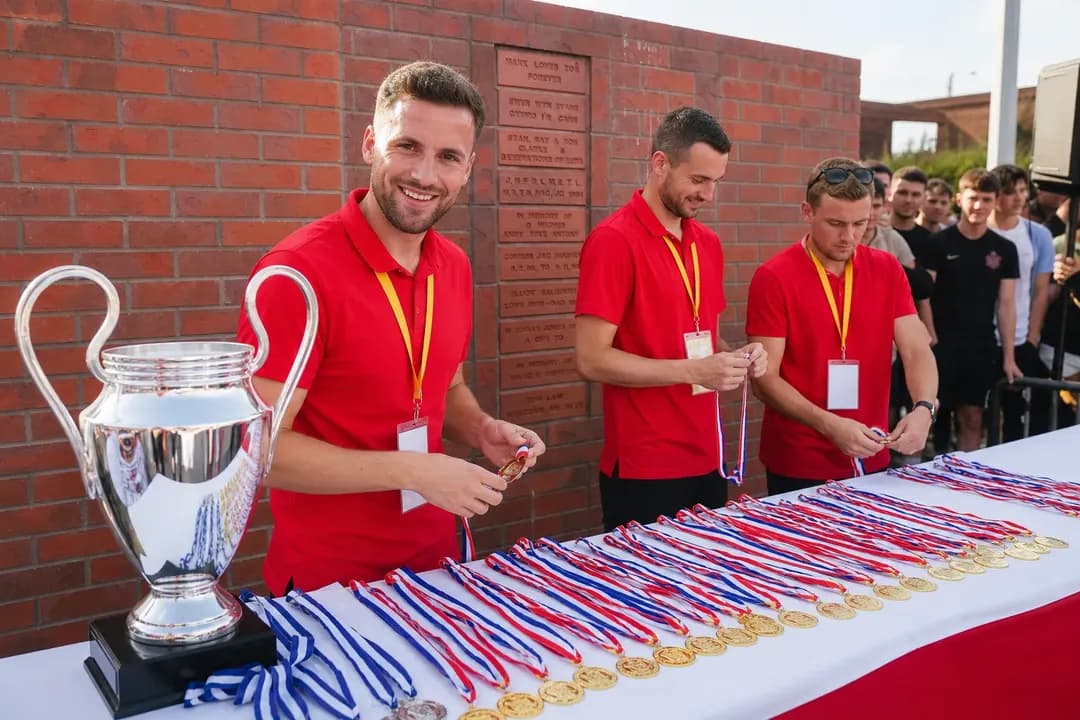 World Cup Trophy Ceremony Timing Medals and Postmatch Celebrations
 Olise and France's Attack: The Semifinal Tactical Question