 Haaland Has Seven Goals and Norway Runs Entirely Through Him
⚽️2026 FIFA WORLD CUP
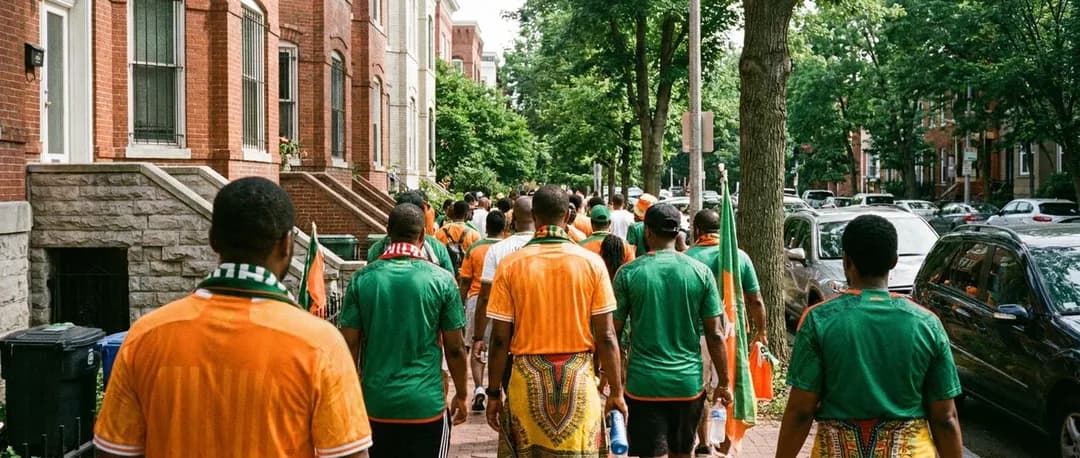
Ivory Coast Fans Build Quiet World Cup Viewing Culture Across DC
Washington DC's Shaw and Columbia Heights neighborhoods carry a significant West and Central African community presence, and Ivory Coast supporters are among those shaping a low-key but dedicated World Cup viewing culture, connecting the diplomatic community, longtime diaspora residents, and younger professionals around shared match days.
The Shaw and Columbia Heights corridors hum with a different energy on match days. Ivory Coast supporters arrive at cafes and community spaces hours before kickoff, claiming tables near mounted screens and testing Wi-Fi connections for backup streams. The viewing culture here lacks the raucous pub atmosphere found in other DC neighborhoods—instead, a quieter intensity fills rooms where diplomatic staff, longtime residents who arrived in the 1980s and 90s, and younger professionals working in federal agencies gather around shared allegiances. The orange, white, and green of Les Éléphants appears on phone cases, laptop stickers, and discreetly worn scarves, markers of identity woven into the fabric of these historically African American neighborhoods that have absorbed successive waves of West and Central African immigration over four decades.
Morning rituals anchor Shaw's pre-match hours
The rhythm starts early at Compass Coffee on 8th Street NW, where Ivorian fans claim the communal table by 7 a.m. for matches scheduled during European morning windows. Laptop screens glow with formation analyses and injury reports pulled from Abidjan sports sites. Conversations shift between French, English, and occasional Baoulé phrases, voices low enough not to disturb other customers nursing cortados. A regular crowd—an economist from the World Bank, two nurses from Howard University Hospital, a cultural attaché from the embassy—has developed an unspoken seating arrangement over multiple tournament cycles. They order dark roast and almond croissants, settling in for the two-hour window before kickoff when optimism runs highest and tactical debates remain theoretical.
Three blocks north, Chercher Ethiopian Restaurant opens its doors at 9 a.m. on match days despite normally serving only dinner service. Owner Dawit Tekle recognized the demand after the 2022 World Cup qualifiers, when Ivorian supporters began asking if they could gather for morning matches. Now the dining room fills with fans ordering strong Ethiopian coffee and sambusas while waiting for the screen to flicker to life. The setup remains modest—a single wall-mounted television, stadium audio kept at conversational volume—but the space has become essential infrastructure for supporters who prefer a sit-down environment over crowded sports bars. Tekle stocks Ivorian Solibra beer specifically for these gatherings, a gesture noticed and appreciated by regulars who return for dinner service throughout the year.
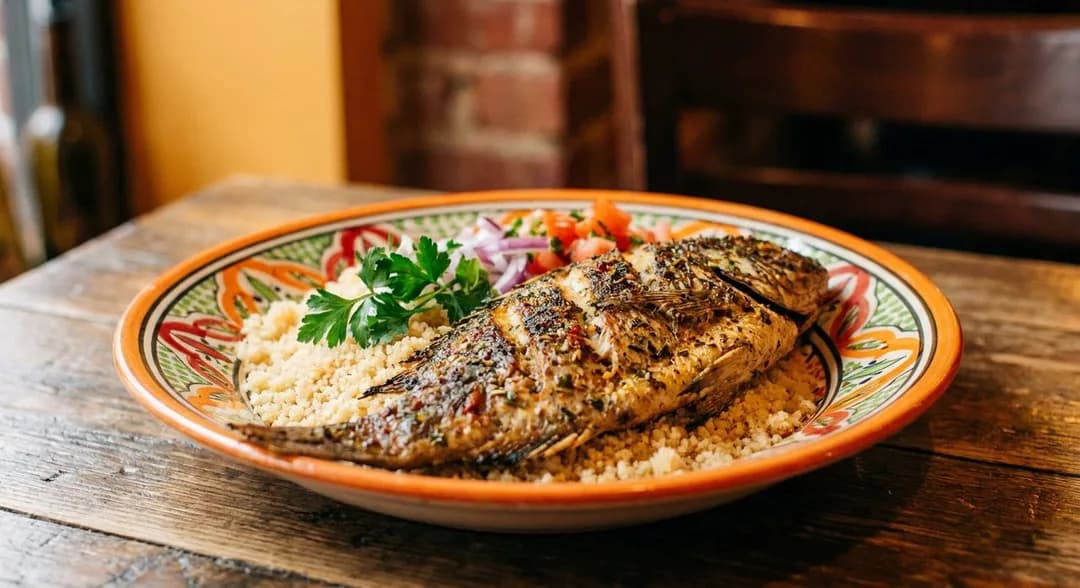
Columbia Heights viewing parties layer languages and generations
The real density of organized viewing happens north along the 14th Street corridor, where Letena Ethiopian Restaurant and Haydee's Restaurant have become anchoring points for larger gatherings. Letena's owner transforms the back dining area into a screening room, pushing tables together to accommodate groups of fifteen to twenty supporters. The crowd skews older here—men and women who immigrated during Ivory Coast's cocoa boom years and economic downturns, who maintain connections to Abidjan and Bouaké through WhatsApp groups that explode with commentary during matches. They arrive in waves: first the retirees with flexible schedules, then shift workers from hospital systems and transportation agencies, finally the younger crowd filtering in during lunch breaks.
Haydee's, a Salvadoran restaurant that has served the neighborhood for thirty years, attracts a different cross-section. Here Ivorian fans mix with supporters of other African nations, creating a pan-continental viewing environment where allegiances remain friendly even when teams face each other. The owner keeps multiple screens running, sound rotating between matches based on which games reach critical moments. During Ivory Coast's qualification matches, the Ivorian contingent claims the front section, their reactions—groans at missed chances, eruptions at goals—providing a soundtrack that spills onto 14th Street through propped-open doors.
Post-match currents reshape afternoon geography
When matches end, the dispersal follows predictable patterns shaped by work schedules and the emotional temperature of results. Victories send supporters streaming toward Meridian Hill Park, where informal gatherings form on the terraced lawns. Fans linger on stone walls, replaying key moments on phones, the post-match analysis stretching for hours as new arrivals join and early attendees peel away. The park's role as neutral gathering ground—historically significant for the neighborhood's African American community, now shared space for multiple immigrant communities—allows for visible celebration without the constraints of commercial establishments watching the clock.
Defeats produce a different geography. Supporters scatter quickly, some heading to Tubman Elementary School's basketball courts where pickup games provide physical outlet for disappointment, others retreating to apartment buildings clustered along Park Road and Irving Street. The West African grocery stores along 11th Street NW see increased traffic these afternoons—fans stopping for plantains, cassava, and Maggi cubes, the ingredients for comfort meals that anchor difficult evenings. Shop owners recognize the pattern, having witnessed it through multiple tournament cycles and qualifying campaigns.

Diplomatic presence adds layers to supporter networks
The Ivorian embassy's location in nearby Mount Pleasant creates occasional intersections between official diplomatic functions and grassroots fan culture. Embassy staff members appear at public viewings, their presence lending informal endorsement to community gatherings. During major tournaments, the embassy hosts official screening events, but many diplomats still prefer the organic atmosphere of neighborhood cafes where conversations flow more freely. A cultural counselor at the embassy maintains a Signal group with three hundred members, sending match reminders and coordinating transportation for supporters heading to larger venues in Maryland and Virginia when Ivory Coast faces high-stakes matches.
This diplomatic-community connection creates practical benefits beyond social cohesion. When visa processing slows during tournament periods—staff members distracted by matches playing on office computers—the community understands and adjusts expectations. When the embassy organizes youth soccer clinics featuring former Ivorian players visiting Washington, the Shaw and Columbia Heights networks provide volunteer infrastructure and participant recruitment.
Evening currents carry celebrations through metro corridors
The Green and Yellow Line trains become mobile gathering spaces after evening matches, supporters heading home to neighborhoods stretching from Petworth to Fort Totten. Orange and white scarves remain visible on platforms, conversation continuing across subway cars as fans process what they witnessed. The rhythm differs markedly from the boisterous post-game crowds leaving Nationals Park or Capital One Arena—Ivorian supporters maintain a reserved public presence even in victory, celebrations saved for private spaces and community halls.
Late-night gatherings form at supporters' apartments, particularly in the large complexes along Georgia Avenue where multiple Ivorian families occupy units in the same buildings. These informal after-parties stretch past midnight, fueled by attiéké and grilled fish prepared in building courtyards, music from Abidjan's coupé-décalé scene providing soundtrack. Neighbors from other West African nations join, the boundaries between national allegiances softening in shared immigrant experience and mutual understanding of what it means to maintain connection to home countries through sports.
Practical notes
Transit access: Shaw-Howard U Metro (Green/Yellow Lines) serves the southern viewing spots; Columbia Heights Metro (Green/Yellow Lines) provides closest access to 14th Street establishments. Both stations see increased traffic during major matches.
Timing considerations: Arrive 90 minutes before kickoff for popular matches to secure seating at smaller venues. Morning matches (8-10 a.m. starts) generally offer easier access than afternoon slots.
Seasonal factors: Summer tournaments mean outdoor gathering spaces in Meridian Hill Park become central to post-match culture. Winter matches concentrate activity indoors, with cafes reaching capacity quickly.
Neighborhood rhythm: Shaw locations offer quieter, more intimate viewing environments; Columbia Heights venues provide larger gatherings with more boisterous atmosphere but maintain respectful volume levels throughout.
Tags: #WashingtonDC #IvoryCoast #ShawDC #ColumbiaHeights #WorldCup #AfricanDiaspora #DCNeighborhoods #SoccerCulture #IvorianCommunity #LesElephants #DCFood #WestAfrican #DCCommunity #DiasporaSports
Sources consulted: fifa.com (https://www.fifa.com) · washington.org (https://www.washington.org) · timeout.com/washington-dc (https://www.timeout.com/washington-dc)
All trademarks are the property of their respective owners.
Ask Karpo first
Looking for where Washington DC's Ivory Coast community and West African fans are watching World Cup matches this summer?
Ask Karpo for the latest on Shaw and Columbia Heights viewing venues, Ivorian community event schedules, and neighborhood spots worth knowing around Ivory Coast match days.
Ask Karpo for more information.
Keep reading
- Haaland Has Seven Goals and Norway Runs Entirely Through Him
 World Cup Trophy Ceremony Timing Medals and Postmatch Celebrations
 Olise and France's Attack: The Semifinal Tactical Question