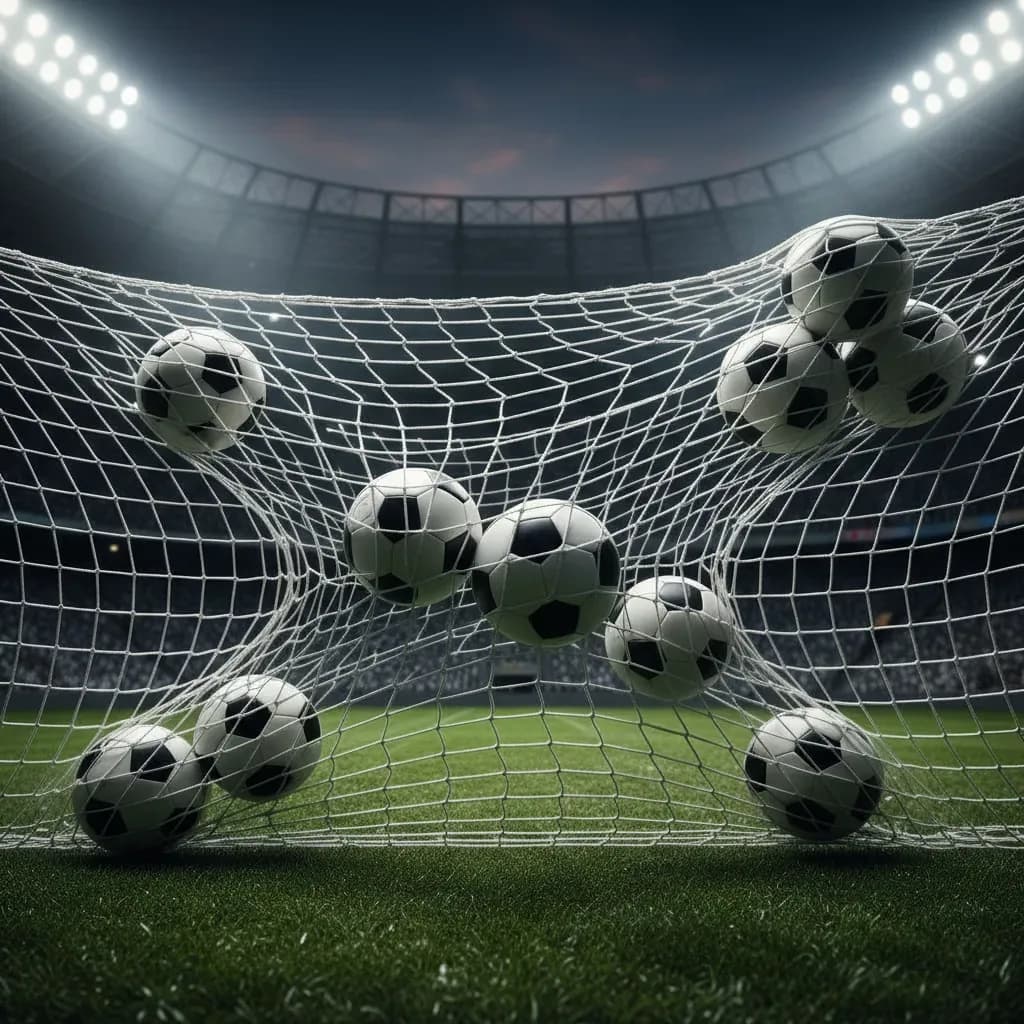
 Haaland Has Seven Goals and Norway Runs Entirely Through Him
⚽️2026 FIFA WORLD CUP
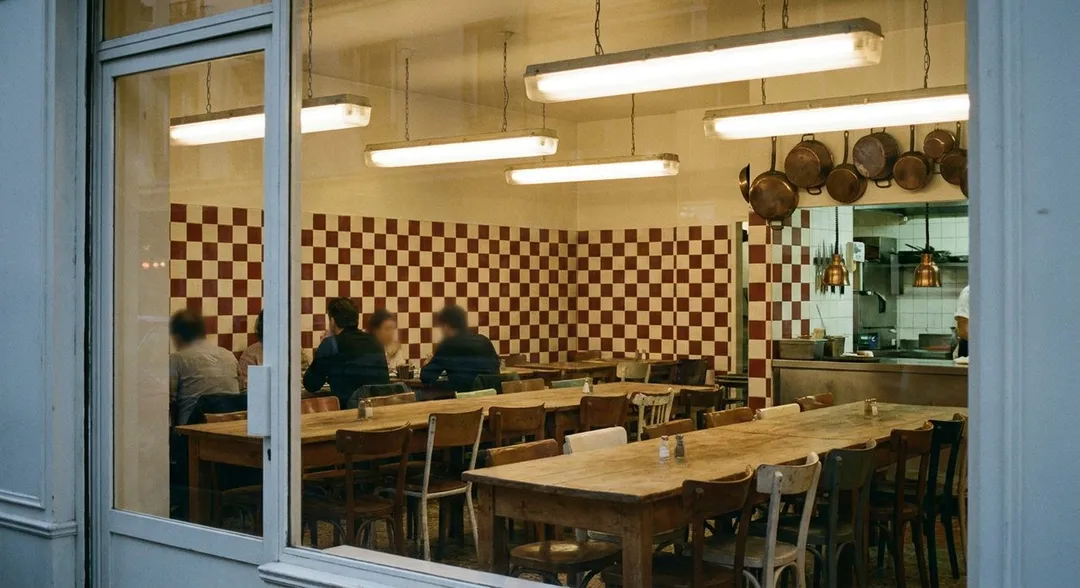
Is Portugal vs Nigeria the Last Time a Legend Plays in Ironbound's Glow?
Ironbound's packed storefronts turn into shrines when Portuguese fans fear this World Cup may be a beloved veteran's final tournament.
You walk into the Ironbound on a match day and the air already hums differently. The neighborhood's Portuguese heart beats louder when the national team plays, but this World Cup carries weight beyond the usual fervor. Whispers ripple through the cafés and tascas: this might be the last time we see him in the green and red, the last tournament for a player whose name gets spoken like a prayer. When Portugal faces Nigeria, the question isn't just who wins—it's whether we're watching history fold itself closed.
The Morning Before Kickoff Smells Like Butter and Espresso
Ferry Street wakes up slow on match days, but purposefully. You catch the scent of pastel de nata baking before most shops flip their signs, the butter-sugar sweetness drifting from doorways where older women in aprons move with the efficiency of people who've done this ten thousand times. The espresso machines start their hissing symphony around dawn, and by mid-morning the counters are lined with men in replica jerseys, stirring their bicas with tiny spoons, phones already pulled up to lineup rumors and injury reports. Nobody rushes. The game might be hours away, but the ritual starts early, and you can feel the neighborhood gathering itself, pulling tighter, preparing for something that matters beyond ninety minutes of play.
Every Storefront Becomes a Shrine Without Trying
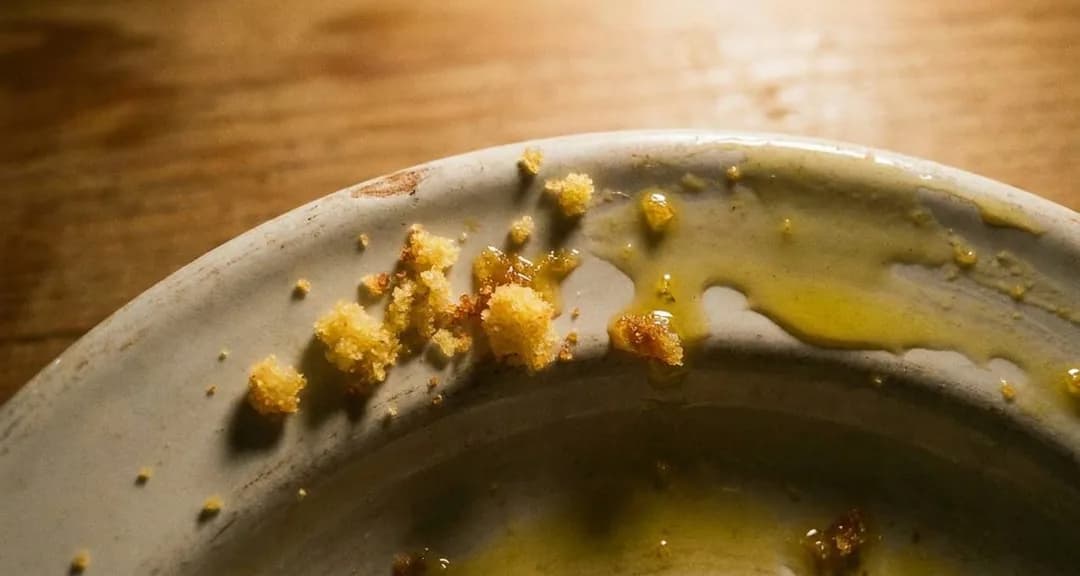
The flags appear without announcement or coordination. One day the street looks like itself, the next it's draped in green and red, Portuguese crests hanging from second-floor windows, scarves tied to parking meters, cardboard cutouts of players propped in bakery displays next to the broa and bolo de arroz. What strikes you isn't the abundance—it's the care. These aren't mass-produced decorations thrown up for atmosphere. Someone ironed those flags. Someone framed those photos. In the window of a barber shop you'll spot a jersey from the 2016 Euros, signed and mounted, positioned so the afternoon light doesn't fade the ink. The neighborhood doesn't perform its devotion for visitors. It simply lives it, and you're allowed to witness.
The Bars Fill Three Hours Early and Nobody Minds
You learn quickly that seating strategy matters. The spots near the big screens go first, claimed by regulars whose names the bartenders know, whose usual drinks are already being poured as they walk through the door. But the real energy pools near the back, where younger crowds pack in standing-room-only, where the acoustics turn every shout into a chorus. The temperature climbs as bodies press closer, and someone always props the door open despite the cold outside, because the alternative is suffocating. You notice the televisions multiply—not just the main screen but smaller ones angled into corners, positioned above the bar, ensuring no sightline goes blind. The bartenders move like choreographed dancers, pulling beers and pouring shots in rhythm, never looking down, eyes flicking between taps and screens because they're watching too, they're always watching.
When the Veteran's Face Appears, the Volume Drops
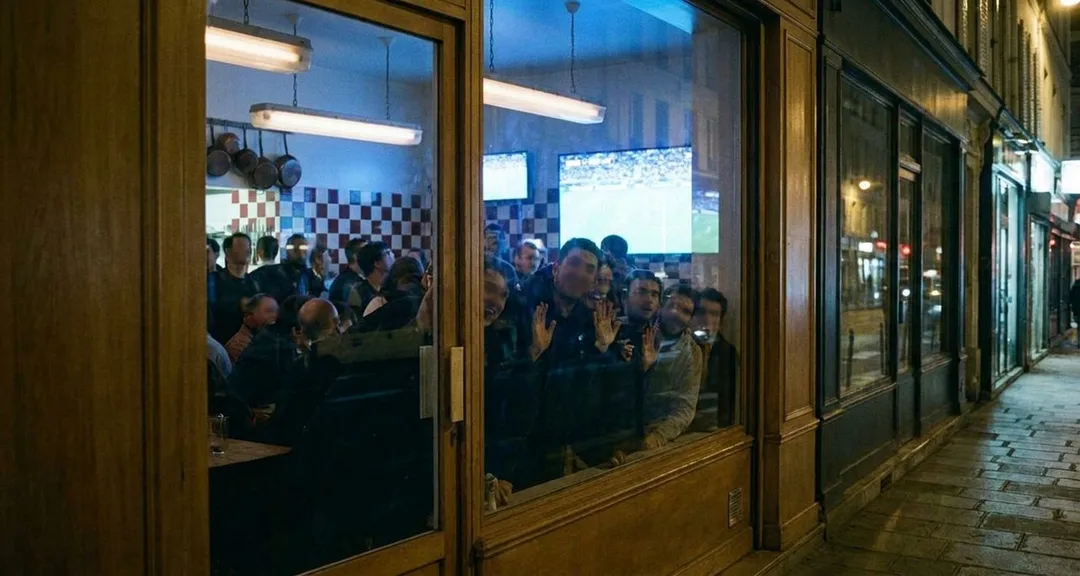
Pre-game coverage plays on loop, analysts dissecting formations and fitness reports, and then his face fills the screen. The bar doesn't go silent—that's too dramatic, too movie-scene—but the volume dips noticeably, conversations pause mid-sentence, heads tilt upward. Someone near you mutters something in Portuguese that sounds like a blessing. The player in question has carried this team through tournaments that became folklore, goals that get replayed at family dinners, moments that separated before from after. Now the commentators use words like "final chapter" and "swan song," and you watch the faces around you tighten. Sports fandom usually traffics in hope, but this feels different. This feels like bracing for goodbye, like the neighborhood knows it's watching something unrepeatable slip toward its end.
Nigeria Brings Its Own Thunder Across Town
The Ironbound's Portuguese concentration is famous, but Newark's Nigerian community doesn't lack for passion or numbers. You hear about watch parties in other neighborhoods, about green and white flooding different streets, about the same nervous energy and the same impossible hope. The matchup carries extra weight because both sides play like they have something to prove, like the world still underestimates them, like a win here means more than advancing—it means validation. When the teams take the field, you realize you're watching two diasporas collide, two communities who built homes far from home, who pour their identity into ninety minutes because it's one of the few times the world pays attention to where they came from.
The Game Unfolds and the Room Becomes a Single Organism
Kickoff transforms the space. Every touch of the ball pulls a reaction—a collective inhale, a groan, a roar that rattles the glassware behind the bar. You feel the floor vibrate when someone hits the post, feel the crush of bodies surge forward when a chance develops. The veteran moves differently now, not slower exactly, but more economically, picking moments instead of chasing every ball. When he touches it, the room leans. When he shoots, time suspends. You're surrounded by people watching through their phones, recording everything, trying to capture proof, but their eyes never leave the screen. Someone spills a beer during a particularly close call and nobody notices, the liquid spreading across the bar top while everyone's attention stays locked upward.
Practical Notes
The Ironbound stretches through Newark's east side, easily reachable via PATH train or a short ride from Newark Penn Station. Ferry Street serves as the main artery, lined with restaurants, cafés, and bars that transform into impromptu viewing parties during major matches. Most establishments don't take reservations for game days—arrival time determines your spot, and showing up at least two hours early gives you decent odds. Prices stay reasonable despite the crowds, with beer and small plates keeping things accessible. Street parking becomes mythical on match days, so public transit makes more sense. The neighborhood stays lively long after final whistles, with post-game crowds spilling onto sidewalks, dissecting every play, processing whatever just happened together.
Tags: #2026FIFAWorldCup #Ironbound #Newark #NewJersey #PortugueseDiaspora #WorldCupCulture #SoccerCulture #FerryStreet #ImmigrantCommunities #SportsRituals #NeighborhoodCulture #DiasporaSports #AuthenticNewark #FutebolCulture #WorldCupLegacy
Sources consulted: fifa.com · espn.com · timeout.com
All trademarks are the property of their respective owners.
Ask Karpo for more information.
Keep reading
- Haaland Has Seven Goals and Norway Runs Entirely Through Him
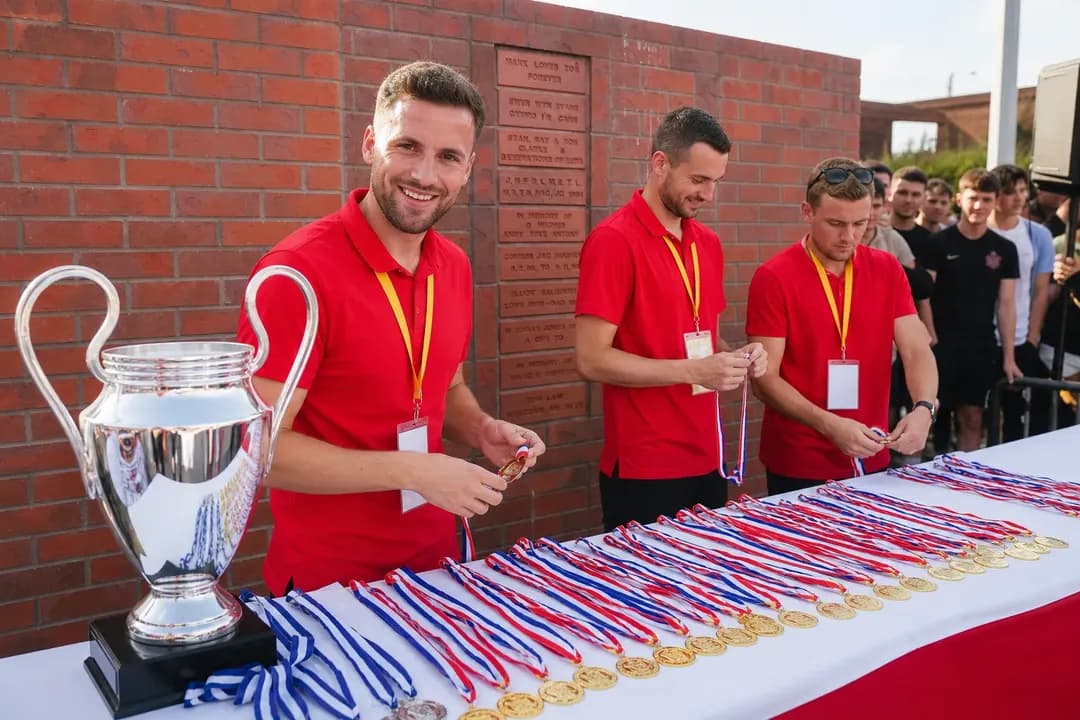 World Cup Trophy Ceremony Timing Medals and Postmatch Celebrations
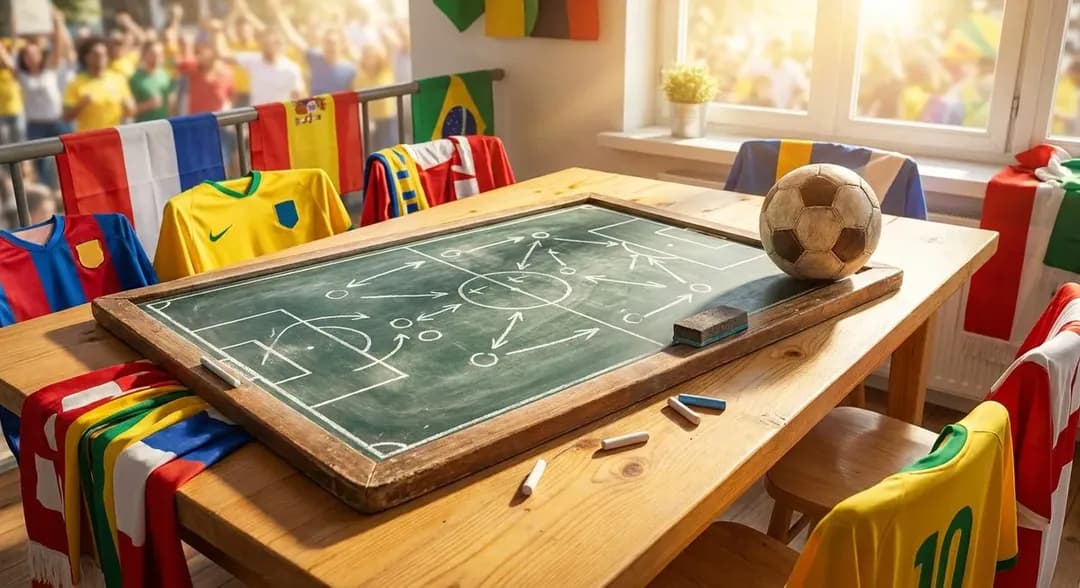 Olise and France's Attack: The Semifinal Tactical Question