 Haaland Has Seven Goals and Norway Runs Entirely Through Him
⚽️2026 FIFA WORLD CUP
Is Bolivia vs Algeria the Match Where a Veteran's Era Ends in Barrio Antiguo?
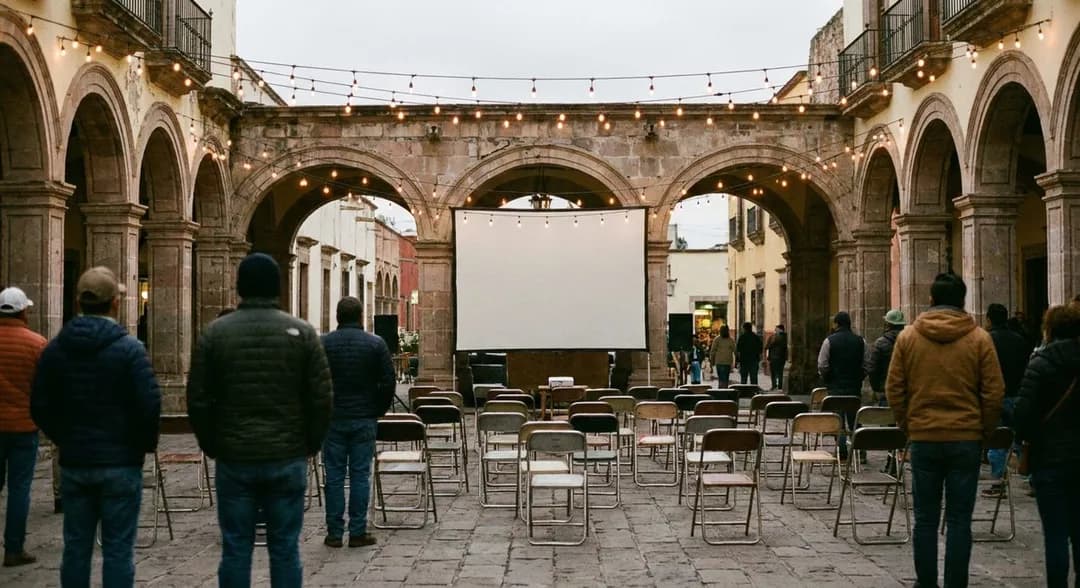
Barrio Antiguo's cobblestone plazas fill with fans who gather to see if an aging midfielder is making one final World Cup appearance.
The Cobblestones Hold Memory Better Than Concrete
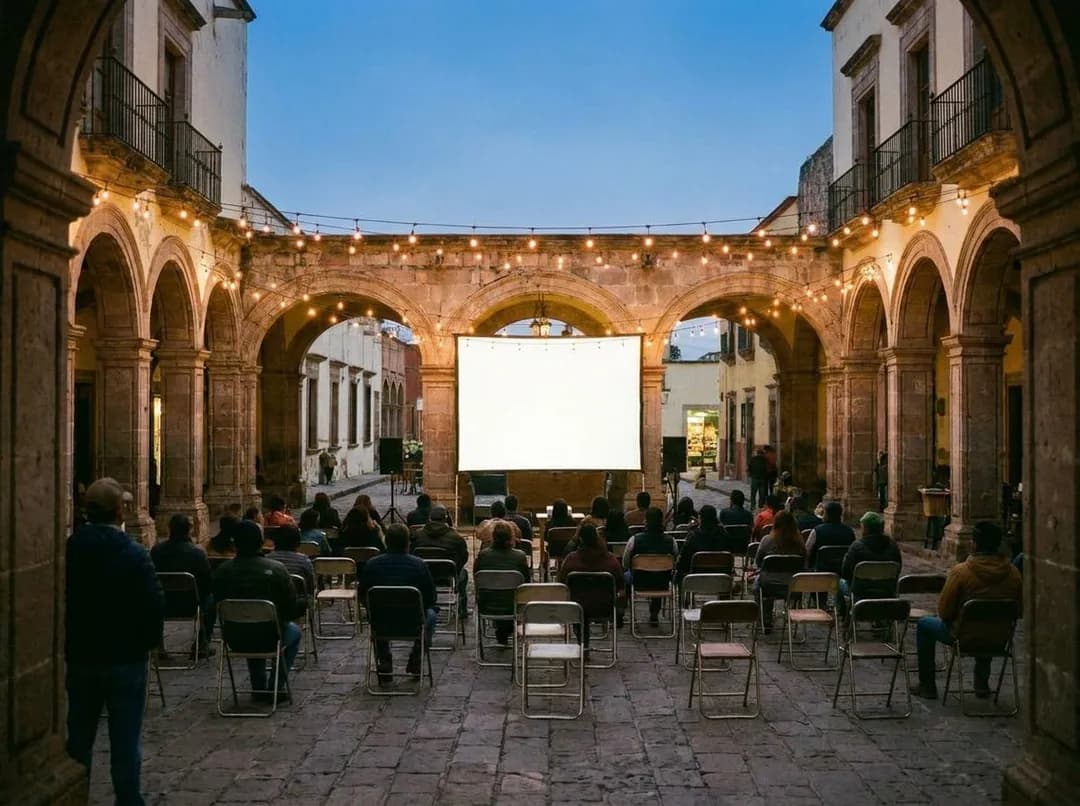
You feel the shift in Barrio Antiguo hours before kickoff. The neighborhood's colonial facades and iron-grilled windows absorb the hum differently when a World Cup match matters to someone specific. Bolivia versus Algeria isn't the marquee game drawing stadium crowds, but in these narrow streets where cafés spill onto uneven stone, you'll find clusters who've followed one midfielder's career since he was a prospect in La Paz. They're here because this might be his last dance on the world stage, and they want witnesses around them who understand what that means. The light hits the ochre walls at a slant in late afternoon, and the air smells like mesquite smoke from taco carts setting up early.
Where the Diaspora Congregates Without Announcement
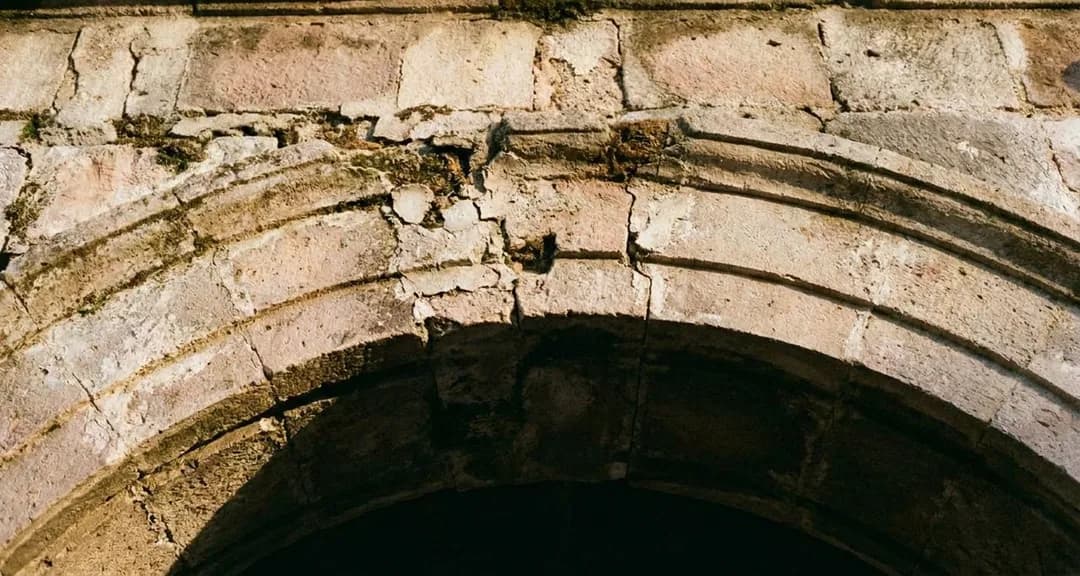
The cantinas along the western edge of Barrio Antiguo don't advertise World Cup screenings with sandwich boards or social media blitzes. You just know which ones fill up based on who's playing. For Bolivia-Algeria, you're looking for the spots where the bartender switches from norteño music to complete silence during play, where regulars claim their corner tables by mid-afternoon and order Pacífico in rounds that last ninety minutes. The rooms are dark even with all the lights on—low ceilings, wood beams that predate the neighborhood's gentrification wave. You hear the scrape of chair legs on tile when someone stands too quickly after a near-miss. The walls are thick enough that you can't tell what's happening in the next cantina over, which makes each venue its own isolated universe of hope or despair. Arrive two hours early if you want a sightline to the screen that doesn't require standing.
The Veteran Question Everyone's Avoiding
No one's saying his name out loud, but everyone knows which player they're watching. You catch it in the way conversations pause when the camera cuts to the midfield, how the room exhales collectively when he receives the ball in space. He's thirty-four or thirty-five now, moving with the economy of someone who's learned to conserve energy for moments that matter. The younger fans wearing replica jerseys treat this match like a documentary they're living through—they pull out phones to record reactions, not the screen. The older crowd just watches, arms crossed, beer warming in their hands. There's a superstition that talking about retirement invites it, so instead you get oblique comments about "one more tournament" and "he's earned whatever he decides." The tension isn't about the score as much as the subtext: are we watching a beginning or an ending?
What the Kitchen Knows Before the Crowd Does
The taquería two blocks from the main plaza runs a side operation during World Cup matches that locals rely on. You order through a window that opens onto an alley, and the woman working the plancha reads the emotional temperature of the neighborhood by how people ask for their orders. Polite and patient means the match is going well. Clipped and distracted means it's tight. She's got carnitas and barbacoa going in copper pots that have been on her family's stoves for decades, and the rendered fat smells like Saturday mornings and Sunday hangovers. During the Bolivia-Algeria match, she'll prep twice the usual volume of tortillas because she knows the Bolivian contingent will flood her alley at halftime, and they eat when they're nervous. You want the barbacoa with the salsa verde that she keeps in an unmarked container—it's got a citrus backbone that cuts through the richness. She doesn't watch the match herself, but she knows the score based on the rhythm of orders.
The Mural That Becomes a Meeting Point
There's a wall on the north side of the neighborhood painted with a scene that has nothing to do with football—it's all revolutionary imagery and Frida Kahlo references, the kind of street art that tour groups photograph. But during World Cup season, it functions as the unofficial gathering spot for people who want to watch the match outdoors on phone screens and portable speakers. You get clusters of fifteen or twenty people sitting on the curb, passing around thermoses of coffee spiked with something that warms you from the inside. The audio is always three seconds behind someone else's stream, creating this echo effect where you hear the announcer's call twice in slightly different cadences. For Bolivia-Algeria, you'll see families with kids who should probably be in school, older men in windbreakers who've appointed themselves unofficial commentators, women in lawn chairs they've carried from blocks away. When something significant happens—a yellow card, a substitution that signals intent—the whole group turns to look at each other before looking back at their screens, needing confirmation that everyone else saw it too.
How the Light Changes When History Shifts
The sun sets behind the Cerro de la Silla mountains while the match plays out, and the shadows in Barrio Antiguo grow long and purple. The colonial architecture takes on a different character in this light—less picturesque, more like a stage set waiting for something to happen. If the veteran midfielder scores, the neighborhood will erupt in a way that has nothing to do with national allegiance and everything to do with narrative satisfaction. You'll hear it cascade through the streets, block by block, as people who aren't even watching the match stop to figure out what the shouting means. If he's subbed off in the seventy-fifth minute and walks slowly to the bench, the silence will be worse than any loss. The bartenders will turn the music back on earlier than usual. The taquería will see a rush of people who need to eat their feelings. You'll watch strangers make eye contact and nod, acknowledging they've just witnessed the same quiet ending.
Practical Notes
Most cantinas in Barrio Antiguo open by early afternoon and stay active well into the evening, especially during World Cup matches. You're looking at a neighborhood that's walkable end-to-end in twenty minutes, bounded roughly by the Macroplaza to the west. Metro access via Zaragoza station puts you within a fifteen-minute walk. Matches broadcast on major networks, so any spot with a screen will have it on—no special cable packages needed. Cash is more reliable than cards at the smaller venues. The taquería window operates on a "ready when it's ready" timeline, so don't expect precision timing. Street parking is a negotiation with fate; you're better off using rideshare or walking from your hotel if you're staying central. The neighborhood gets crowded but never uncomfortably so—there's always another corner, another cantina, another wall to lean against while you watch history maybe happen.
Tags: #MonterreyMexico #BarrioAntiguo #2026FIFAWorldCup #BoliviaVsAlgeria #WorldCupCulture #FootballDiaspora #LocalMatchDay #NuevoLeónTravel #AuthenticMonterrey #WorldCupWatch #VeteranPlayer #TacoAndFútbol #ColonialQuarter #KarposFinds #TravelMonterrey
Sources consulted: fifa.com · espn.com · timeout.com
All trademarks are the property of their respective owners.
Ask Karpo for more information.
Keep reading
- Haaland Has Seven Goals and Norway Runs Entirely Through Him
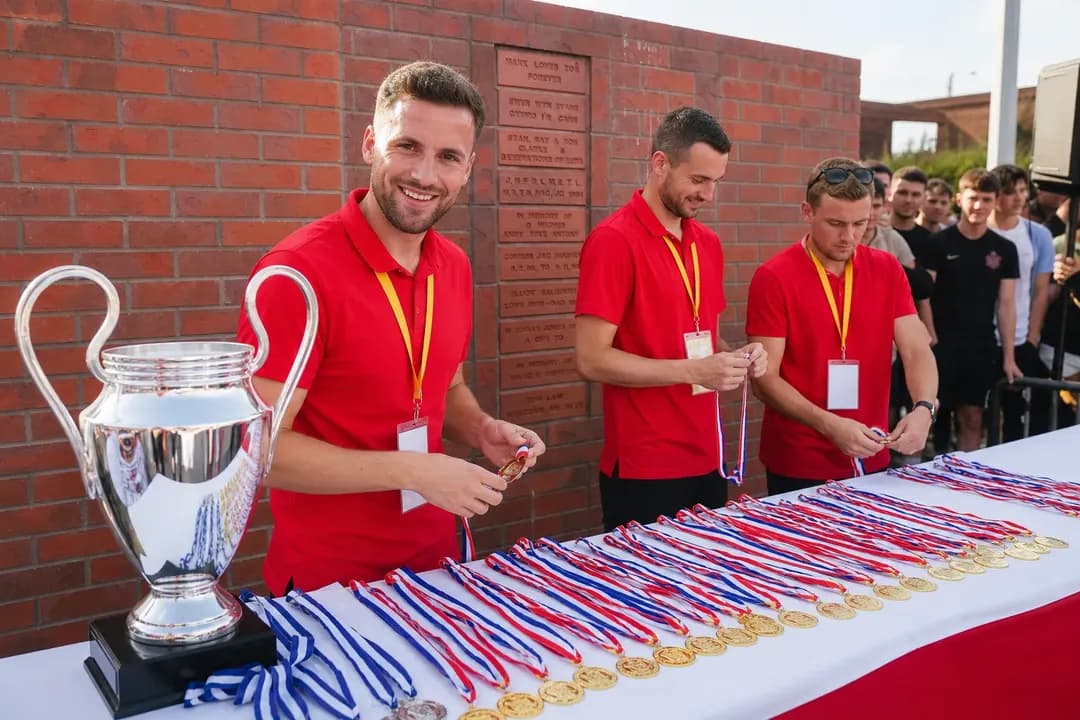 World Cup Trophy Ceremony Timing Medals and Postmatch Celebrations
 Olise and France's Attack: The Semifinal Tactical Question