 Haaland Has Seven Goals and Norway Runs Entirely Through Him
⚽️2026 FIFA WORLD CUP
Iraq Supporters Find Their World Cup Footing in Metro Detroit
The Detroit metropolitan area, particularly Hamtramck and the broader southeast Michigan Iraqi-American community, is home to one of the most passionate Iraq national team supporter bases in North America, and the World Cup is drawing those fans into a more visible presence on the neighborhood streets and cafe circuits.
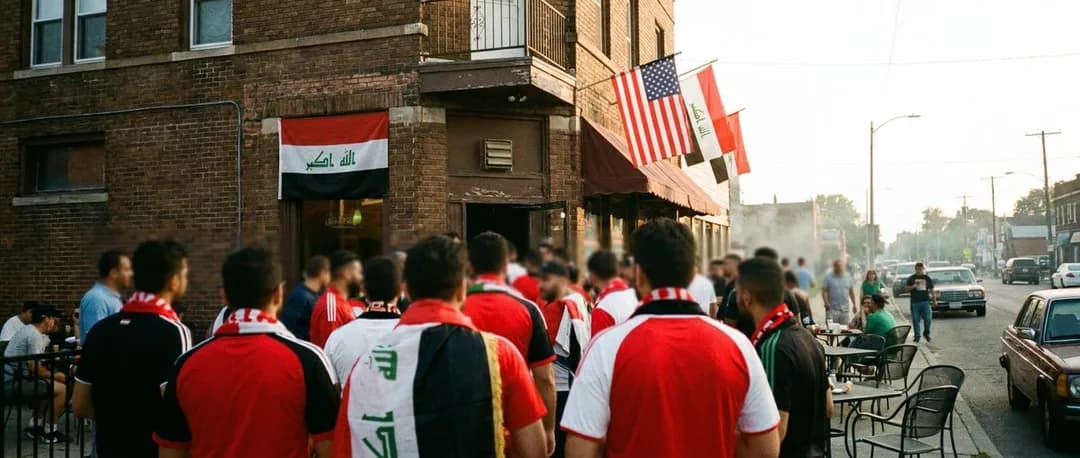
The morning call to prayer drifts across Joseph Campau Avenue as Iraqi flags begin appearing in storefront windows along Hamtramck's main commercial strip. Metro Detroit's Iraqi-American community, concentrated in Hamtramck and stretching across the East Side into Dearborn Heights and Warren, has transformed neighborhood cafes and community halls into staging grounds for one of North America's most fervent national team supporter bases. As the World Cup cycle intensifies, these fans—many of them first-generation immigrants who fled conflict decades ago and second-generation Detroiters who've never set foot in Baghdad—are claiming visible space in the city's fabric, turning match days into street-level celebrations that pulse with decades of longing and belonging.
Cafes Become Command Centers on Match Mornings
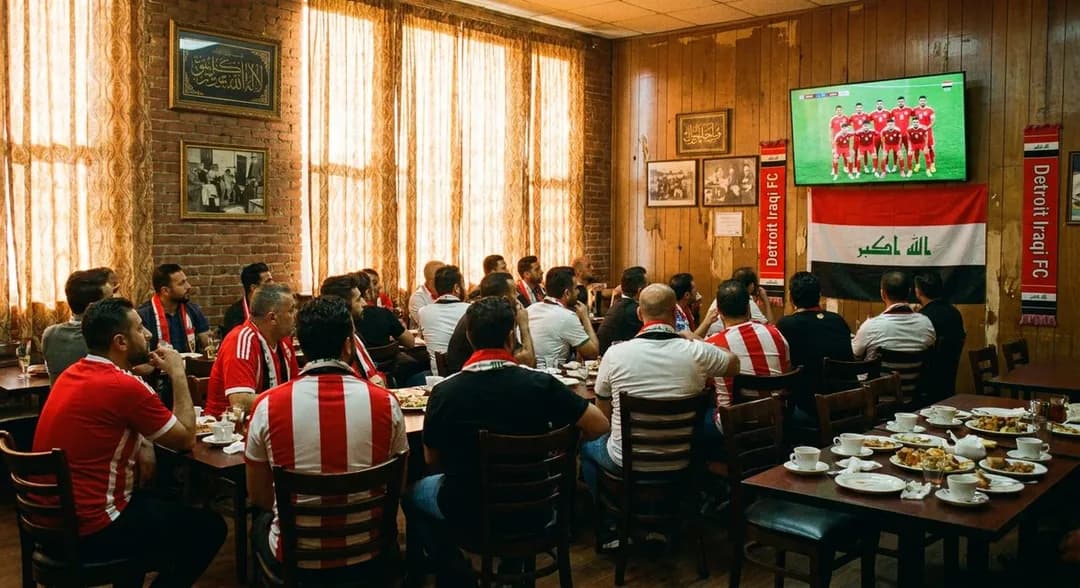
Al-Ameer Restaurant on Conant Street opens its doors two hours early when Iraq plays, the dining room reconfigured with folding chairs facing a projection screen normally reserved for wedding receptions. Owners brew endless rounds of cardamom-spiced tea while fans arrive in waves—construction workers still in Carhartt jackets, medical students from Wayne State, elderly men who remember watching matches in Baghdad's Al-Shaab Stadium before the wars. The atmosphere builds slowly, conversations in Arabic and English weaving together as kickoff approaches. Nearby, Sheeba Restaurant and the smaller Dijla Cafe follow similar rhythms, their windows steaming up from body heat and the constant flow of fresh bread from back kitchens.
The viewing setups vary by venue. Some cafes maintain respectful quiet during play, punctuated only by sharp intakes of breath and the occasional shout. Others embrace full-throated support, with fans standing throughout the ninety minutes, scarves raised overhead. When Iraq faces established powers—the recent france vs iraq friendly drew particular attention as a measuring stick for the Lions of Mesopotamia's progress—the cafes overflow onto sidewalks, fans clustering around propped-open doors to catch glimpses of the screen.
The East Side's Matchday Geography Takes Shape
Beyond Hamtramck's dense commercial core, the Iraqi supporter network spreads across a broader East Side geography that follows immigration settlement patterns from the 1990s and 2000s. Community centers in Seven Mile and Gratiot neighborhoods host organized watch parties, often coordinated through WhatsApp groups that circulate match schedules and transportation logistics. The Chaldean Community Foundation on Seven Mile occasionally opens its halls for major fixtures, creating multigenerational gatherings where grandparents who fled Saddam's regime sit alongside teenagers in custom Iraq jerseys ordered from overseas suppliers.
Warren's Iraqi Social Club, tucked into a converted retail space near Eight Mile, becomes particularly animated during qualifiers. The club maintains a members-only policy most evenings, but relaxes restrictions for national team matches, welcoming anyone with connection to Iraq. Fans bring homemade dolma and biryani, spreading dishes across folding tables during halftime. The post-match atmosphere depends entirely on results—jubilant crowds spilling into parking lots after victories, quiet, contemplative dispersal following defeats.
Street Life Shifts on Game Days
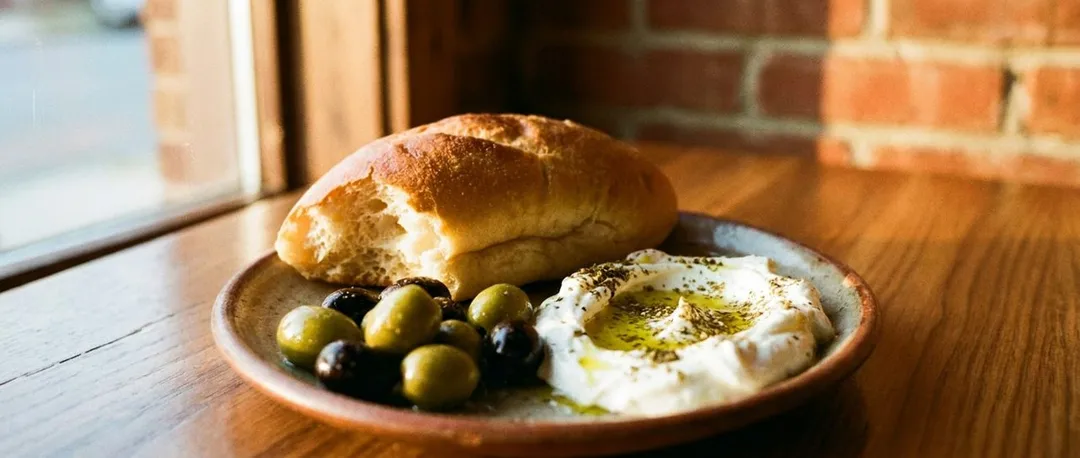
Joseph Campau Avenue transforms visibly when Iraq plays afternoon matches. Barbershops along the strip prop TVs in their windows, attracting clusters of men who pause mid-errand to watch a few minutes of play. Grocery stores—Baghdad Market, Holyland Market—keep matches running on small screens near checkout counters, cashiers glancing up between transactions. The neighborhood's pedestrian rhythm adjusts, foot traffic clustering near storefronts with visible screens, then surging during halftime as fans duck into bakeries for fresh samoon bread or step outside for cigarettes.
The visual markers intensify around major tournaments. Iraqi flags appear draped from apartment balconies and car antennas. Younger fans paint their faces with the national colors—red, white, and black horizontal stripes—before heading to viewing parties. Local print shops along Conant report increased orders for custom banners and signs in the weeks leading up to important matches, the designs often incorporating both Arabic calligraphy and English phrases celebrating specific players or moments in team history.
Food Rhythms Follow the Match Schedule
The neighborhood's culinary infrastructure adapts to accommodate match-day demand. Bakeries along Joseph Campau—particularly Shatila Bakery and New Yasmeen—extend hours and increase production of kleicha cookies and baklava, knowing fans will arrive in groups seeking post-match sweets. Shawarma stands prepare extra meat in anticipation of late-night crowds following evening kickoffs in distant time zones.
Al-Saha Restaurant, known for its masgouf (grilled carp), sees reservations spike for the hours immediately following afternoon matches. Families claim tables for extended meals that blur into evening, children playing between tables while adults dissect tactical decisions and referee calls. The restaurant's owner, a former Baghdad resident who arrived in Detroit in 2008, estimates match-day revenue runs thirty percent above typical weekends, driven entirely by the communal impulse to remain together after shared viewing experiences.
Generational Divides and Unity Points
The supporter base reveals distinct generational approaches to fandom. Older fans, many carrying memories of Iraq's 1986 World Cup appearance, maintain more measured expectations and focus on symbolic significance—simply seeing the national team compete represents validation after decades of sanctions and conflict. Younger fans, particularly those born in Michigan, approach matches with American-style sports enthusiasm, organizing chants, creating social media content, and treating each qualifier as must-win.
These approaches converge during matches themselves. At Karrada Cafe in Hamtramck, a seventy-year-old grandfather and his teenage grandson wear matching jerseys, their reactions to near-misses and saves perfectly synchronized despite language barriers—the grandfather's Arabic exclamations and the grandson's English frustrations expressing identical emotions. The World Cup's global stage provides rare common ground, transcending the everyday gaps between immigrant experiences and American-born perspectives.
Practical Notes for Match-Day Navigation
Transit and parking: Joseph Campau Avenue offers metered street parking, though spaces fill rapidly on match days. Fans arriving from downtown Detroit take the DDOT 8-Mile or Conant routes. The neighborhood remains walkable, with most viewing venues concentrated within a ten-block radius.
Timing considerations: Popular cafes reach capacity thirty to forty-five minutes before kickoff for important matches. Fans seeking guaranteed seating arrive earlier or call ahead to reserve tables. Post-match crowds linger for hours, particularly after victories.
Weather planning: Winter matches see fans layering up for brief outdoor transitions between venues. Summer evening kickoffs draw crowds onto sidewalks and cafe patios, creating impromptu street festivals.
Evening rhythms: Neighborhoods stay animated well past midnight following late kickoffs, with cafes serving tea and hookah until 2 a.m. or later, fans reluctant to let the communal energy dissipate.
Tags: #DetroitSoccer #IraqNationalTeam #HamtramckMichigan #WorldCupCulture #IraqiAmericans #DetroitEastSide #SoccerCommunity #MetroDetroit #FranceVsIraq #ImmigrantCommunities #DetroitNeighborhoods #SoccerCulture #WorldCupQualifiers #DetroitCulture
Sources consulted: fifa.com (https://www.fifa.com) · visitdetroit.com (https://www.visitdetroit.com) · timeout.com/detroit (https://www.timeout.com/detroit)
All trademarks are the property of their respective owners.
Ask Karpo first
Looking for where Detroit and Hamtramck's Iraqi-American community is gathering to follow Iraq's World Cup campaign this summer?
Ask Karpo for the latest on Hamtramck viewing spots, Iraqi community event schedules, and the neighborhood scene around Iraq match days in the Detroit area.
Ask Karpo for more information.
Keep reading
- Haaland Has Seven Goals and Norway Runs Entirely Through Him
 World Cup Trophy Ceremony Timing Medals and Postmatch Celebrations
 Olise and France's Attack: The Semifinal Tactical Question