 Haaland Has Seven Goals and Norway Runs Entirely Through Him
⚽️2026 FIFA WORLD CUP
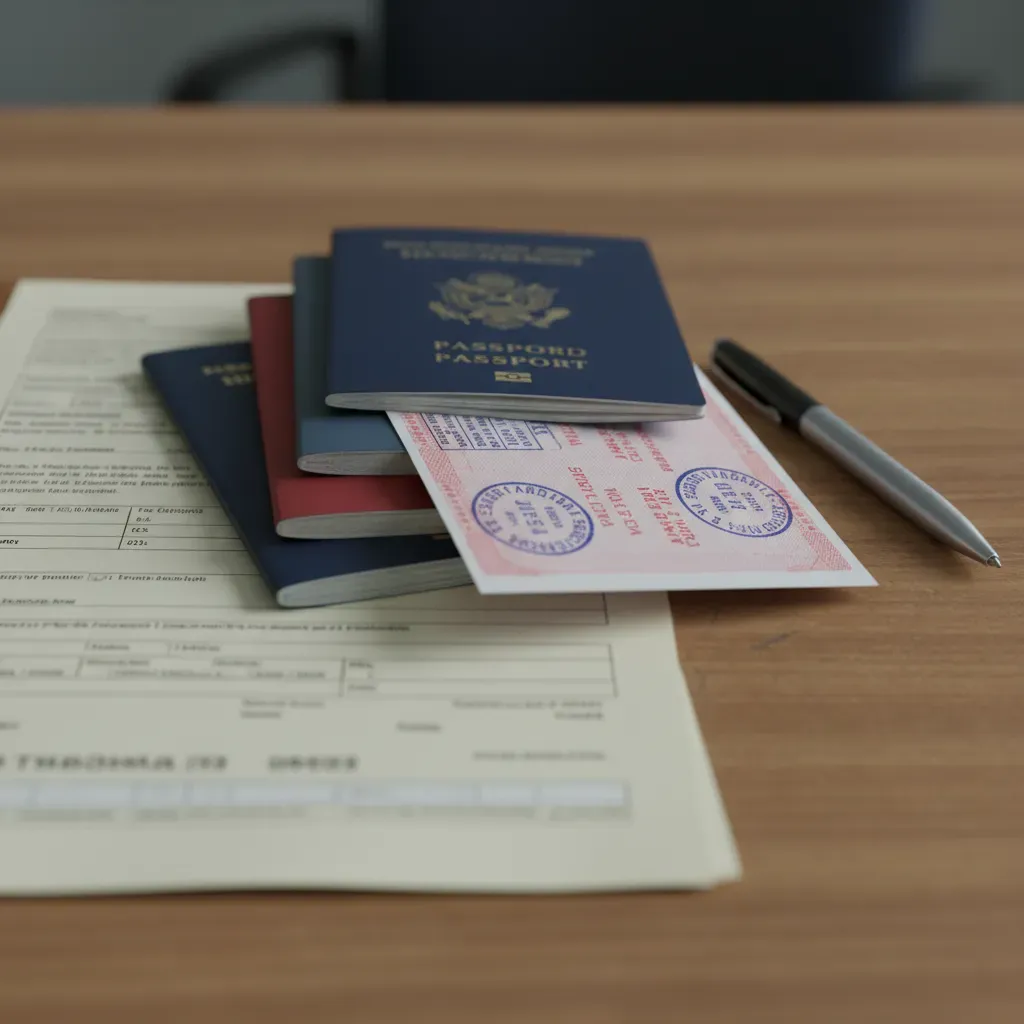
Iran's Coaching Staff Were Denied US Visas and FIFA Had To Step In Before the Opening Whistle
Several members of Iran's World Cup delegation were initially denied entry to the United States, creating the tournament's first major diplomatic incident and raising uncomfortable questions about politics and sport at the 2026 World Cup.
The World Cup's First Diplomatic Crisis
The 2026 World Cup was supposed to transcend politics. FIFA's messaging throughout the build-up emphasized unity, inclusion, and the tournament's power to bring nations together. That narrative encountered its first serious test before a single ball was kicked, when several members of Iran's World Cup delegation — including coaching staff, medical personnel, and federation officials — were denied US entry visas in the weeks before the tournament.
The denials were not unexpected in a broad geopolitical sense. US-Iran relations remain among the most fraught bilateral relationships in international diplomacy. Sanctions, travel restrictions, and mutual suspicion define the interaction between the two governments. But the World Cup was supposed to exist in a protected space — a temporary zone where these tensions were suspended in the name of sport.
FIFA Intervened With Unusual Speed
When the visa denials became public, FIFA responded with an urgency that surprised observers who are accustomed to the organization's typically glacial bureaucratic pace. FIFA President Gianni Infantino reportedly made direct contact with the US State Department, invoking the guarantees that the United States had provided during the bidding process — specifically, the commitment that all qualified nations would receive full logistical support for their delegations.
The intervention worked, partially. The majority of the denied visas were eventually approved, allowing Iran to field a complete coaching and medical staff for their opening match. However, several federation officials remained barred from entry, and the timeline of the reversals — some coming less than 48 hours before Iran's first match — created logistical chaos that affected the team's preparation.
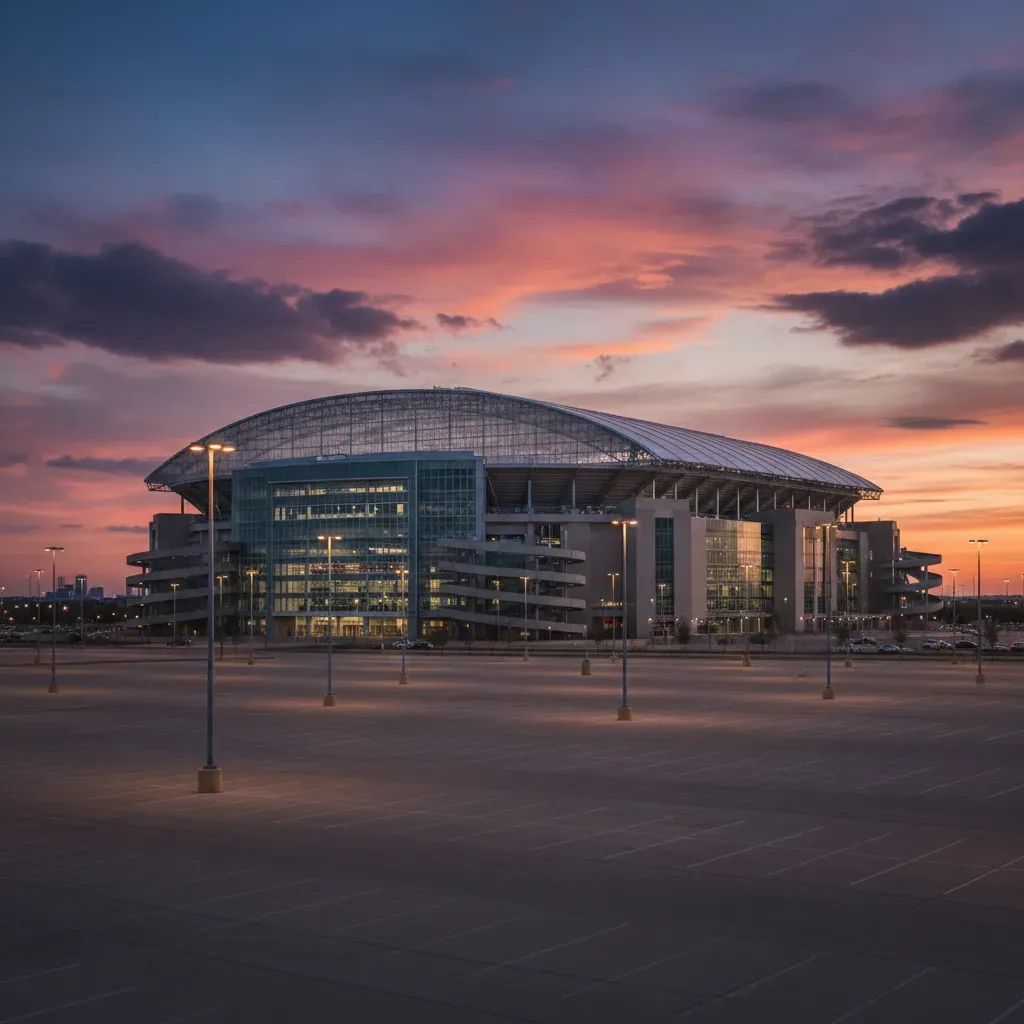
Iran's Team Played Under a Cloud
The visa controversy cast a shadow over Iran's on-pitch performances that was impossible to separate from the football. Head coach Amir Ghalenoei addressed the situation in pre-match press conferences with a diplomatic restraint that masked obvious frustration. "We are here to play football," he repeated in multiple interviews. "Everything else is for other people to discuss." The players, to their credit, maintained focus despite the disruption.
Iran's supporters in the United States — a significant diaspora community concentrated in cities like Los Angeles and the Washington DC area — responded with a visible increase in stadium attendance. The visa controversy, paradoxically, may have strengthened fan turnout by creating a sense of solidarity and defiance that transcended the usual dynamics of international football support.
The Precedent Question Is Uncomfortable
Every World Cup host nation provides guarantees to FIFA regarding the entry of all participating delegations. These guarantees are a fundamental requirement of the hosting agreement. The 2026 visa controversy raises a precedent question that FIFA would prefer to avoid: what happens when the host nation's domestic politics conflict with its hosting obligations?
The question is not hypothetical. Future World Cups will be held in countries with their own complex diplomatic relationships. The 2026 precedent — where FIFA intervention was required to overcome initial visa denials — could be cited by future hosts as either a cautionary tale or a template for managing similar situations.

The Broader Question of Politics and Sport
The Iran visa controversy revives the oldest debate in international sport: can athletics exist in a separate sphere from politics? The history of the Olympic Games and World Cup suggests that the answer is consistently no — from boycotts to protests to hosting controversies, sport and politics are inseparable when nations are involved.
What the 2026 World Cup has demonstrated, however, is that the commitment to separation can still produce results, even if imperfect ones. Iran played their matches. Their coaching staff was present. The football happened. The fact that it required high-level diplomatic intervention to achieve this baseline is concerning, but the fact that the intervention was made — and was successful — suggests that the principle of sporting neutrality still carries weight.
Iran's Players Deserve To Be Remembered for Football
The risk of the visa controversy is that it defines Iran's 2026 World Cup narrative in political rather than sporting terms. This would be unfair to a squad of talented players who have invested years of preparation for this tournament. Their performances, their goals, their tactical discipline — these should be the story. The visa complications are context, not the main text.
Iran's players have, by all accounts, handled the situation with professionalism that reflects well on them and on their country's football culture. Whatever the political relationship between the United States and Iran, the footballers on both sides came to play. That they were allowed to do so, eventually, is the minimum the sport should expect.
Tags: World Cup 2026, Iran visa controversy, FIFA diplomacy, World Cup politics, US Iran relations, World Cup hosting, AT&T Stadium, Dallas
All trademarks, team names, and player likenesses mentioned in this article are the property of their respective owners and are used here for informational and editorial purposes only.
Ask Karpo First
Want to stay updated on World Cup controversies and match schedules? Ask Karpo for the latest tournament news, fixture updates, and fan guides for any host city.
Ask Karpo for more information.
Keep reading
- Haaland Has Seven Goals and Norway Runs Entirely Through Him
 World Cup Trophy Ceremony Timing Medals and Postmatch Celebrations
 Olise and France's Attack: The Semifinal Tactical Question